
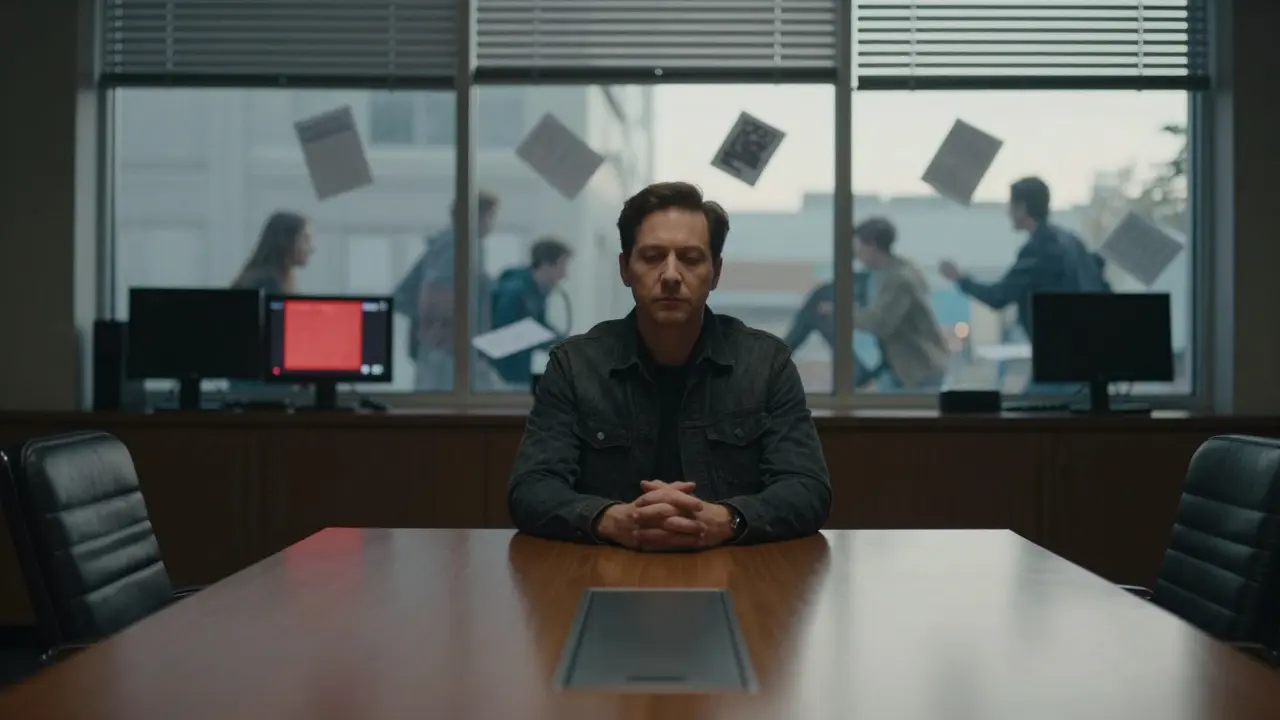
Think about the last time you saw a leader lose control. Maybe it was a manager yelling during a meeting, or a CEO deflecting blame in a crisis. Now think about the leaders you truly respect-the ones who stayed steady when everything else was falling apart. What did they have in common? Not charisma. Not brilliance. Not even experience. They had calmness.
Why Calmness Isn’t Just Nice-It’s Necessary
Most leadership training focuses on vision, strategy, or communication. But the quietest skill-the one that makes all the others work-is calmness. It’s not about being emotionless. It’s about not letting emotions hijack your judgment. When a crisis hits, your team doesn’t need a hero. They need someone who can think clearly, listen deeply, and respond wisely.
Neuroscience backs this up. A 2023 study from the University of Sydney tracked 217 senior leaders during high-pressure periods. Those who scored highest in emotional regulation-meaning they stayed calm under stress-made decisions 47% faster than their reactive peers. And here’s the kicker: their teams reported 32% higher trust levels and 28% lower burnout rates. Calmness isn’t soft. It’s strategic.
How Calmness Changes How People Follow You
People don’t follow leaders because they’re loud. They follow because they feel safe. When a leader is calm, it sends a signal: This situation is manageable. That’s not magic. It’s biology. Humans are wired to mirror emotional states. If you’re panicked, your team panics. If you’re grounded, they find their footing.
Think about a fire drill. The person who shouts and runs around makes everyone more anxious. The person who calmly points to exits, checks the list, and says, “We’ve done this before”-that’s the one people follow. Leadership works the same way. Calmness doesn’t fix the problem. It fixes the perception of the problem.
The Three Things Calm Leaders Do Differently
- They pause before reacting. Instead of responding to an email in anger or a comment in frustration, they wait. Not to be passive. To be precise. A 10-second breath before replying can turn a heated exchange into a productive conversation.
- They name the emotion-without blaming. Instead of saying, “You’re overreacting,” they say, “I notice this is really stressful for everyone.” That simple shift opens space for solutions instead of defensiveness.
- They protect their energy. Calm leaders don’t say yes to everything. They guard their focus. They block time to reset. They walk away from toxic noise. You can’t lead calmly if you’re running on fumes.

Calmness Isn’t Born-It’s Built
You don’t wake up calm. You build it. Like a muscle. Here’s how:
- Start with your breath. When tension rises, take three slow breaths-in for four counts, hold for two, out for six. This triggers your parasympathetic nervous system. It’s the fastest way to reset your body’s stress response.
- Track your triggers. Keep a simple log: When did I lose my cool? What happened right before? Who was involved? After a week, patterns emerge. You’ll see that you react badly to being interrupted, or when deadlines feel rushed. Awareness is the first step to control.
- Create a pre-crisis ritual. Before big meetings, presentations, or difficult conversations, do one thing that centers you. It could be listening to one song, writing three things you’re grateful for, or stepping outside for two minutes. Rituals anchor you when chaos comes.
What Happens When Calmness Is Missing
Look at any failed leadership moment-corporate scandals, team meltdowns, public missteps-and you’ll find one thing: a leader who couldn’t contain their reaction. They lashed out. They denied. They panicked. And in the aftermath, trust evaporated.
Take the case of a mid-sized tech firm in Melbourne. In late 2024, their CTO received a critical security alert. Instead of gathering the team calmly, he sent a furious email blaming everyone. The result? Two senior engineers quit within 48 hours. The rest stopped speaking up. The fix took three weeks longer than it should have. All because one person couldn’t stay calm.
Calmness isn’t about avoiding conflict. It’s about handling it without breaking the team.

Calming Others Starts With Calming Yourself
One of the most powerful things you can do as a leader is to model calmness-not by telling people to chill out, but by showing them how. When you respond to chaos with clarity, you give others permission to do the same.
Try this next time someone comes to you upset: Don’t fix it right away. Don’t offer advice. Just say, “That sounds really hard. Tell me more.” Then listen. Really listen. No interrupting. No planning your response. Just presence. In that moment, you’re not solving a problem. You’re building a foundation.
Why This Matters More Now Than Ever
We’re living in a world that rewards speed, noise, and reaction. Social media pushes us toward outrage. News cycles thrive on panic. But leadership isn’t about being the loudest voice in the room. It’s about being the steadiest.
Teams today are stretched thin. Burnout is high. Uncertainty is constant. What they need isn’t another motivational poster. They need someone who doesn’t flinch. Someone who stays clear-headed when the pressure mounts. Someone who says, “We’ll get through this,” not because they’re sure, but because they refuse to let fear take the wheel.
Calmness isn’t a personality trait. It’s a practice. And it’s the most underrated superpower in leadership today.