
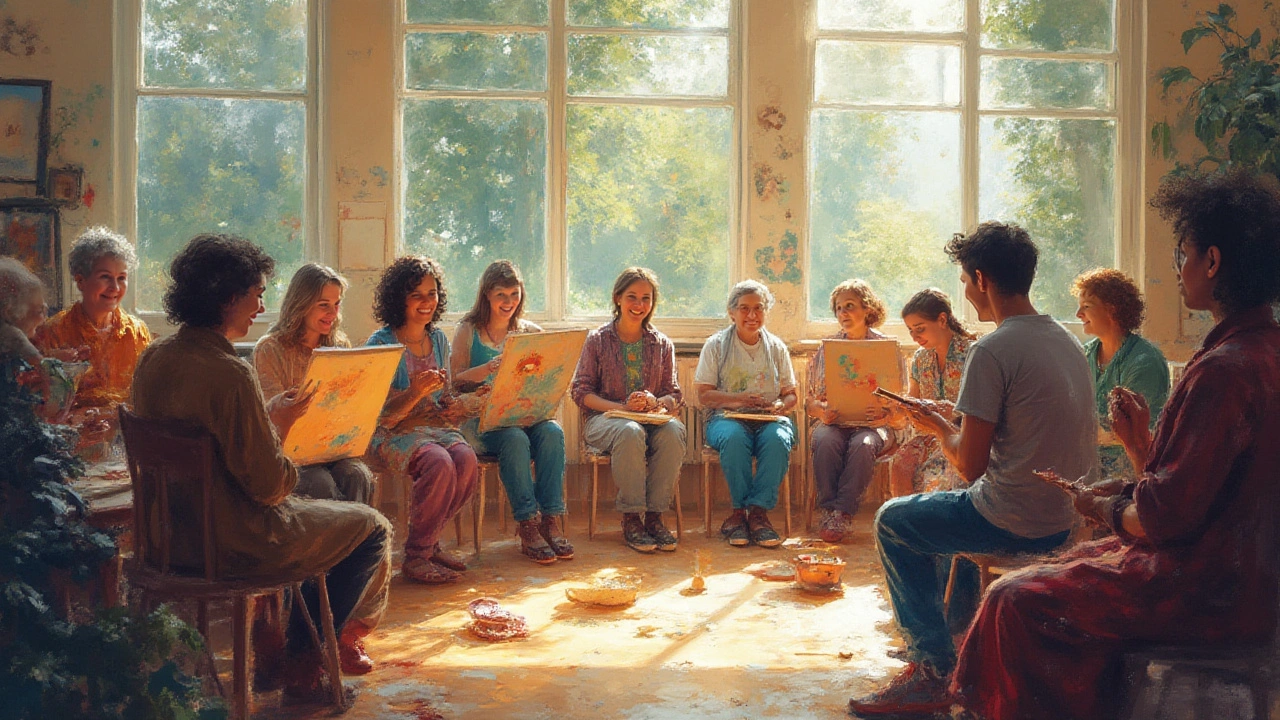
Ask anyone who’s struggled with anxiety, depression, or trauma, and you’ll hear the same thing—talking about what hurts isn’t always enough. Sometimes, words just don’t cut it. You can spend hours in a therapist’s office, yet still feel like you’re running circles in your own mind. But what if you could draw, paint, move, or sing your way to a better state of mind? Creative arts therapies are taking mental health care by storm, smashing old stereotypes and reaching people in ways traditional talk therapy can’t even touch. You might be surprised—these therapies aren’t only for “artsy” types. Veterans, kids with autism, stressed-out professionals, and even folks in elderly care homes are seeing the benefits of color, sound, and expression. So why are creative arts therapies becoming such a beacon for mental health? Let’s pull back the curtain and see what’s making this approach so effective—no art degree needed.
The Heart of Creative Arts Therapies: What Sets Them Apart?
If you picture someone quietly doodling in a notebook, you’re only scratching the surface of what creative arts therapies offer. These therapies blend psychology with creative expression, giving people new tools to process feelings that are tough to talk about. Creative arts therapies come in several forms: art therapy, music therapy, drama therapy, dance/movement therapy, and even poetry or writing therapy. Each taps into different senses and parts of the brain, and you don’t need any talent or training to benefit—just a willingness to try.
Art therapy, for example, dates back to the 1940s, when psychiatrists realized that drawing and painting could help patients communicate things they couldn't say out loud. It isn’t about making beautiful artwork; it’s about expressing what’s inside—pain, joy, memories, or fears—using color, line, and texture. Music therapy goes even deeper for some people. Ever felt a song move you to tears, or help you release pent-up stress? Music therapy uses that power. With everything from drumming to songwriting, it helps people cope with everything from PTSD to loneliness.
Drama therapy gives you the chance to step into different roles, sometimes acting out scenarios that mirror real life. It can help you rehearse new ways of handling problems, or just connect the dots between your feelings and your actions. Dance/movement therapy gets your body involved, which can be a game-changer if you feel stuck or numb. Your body has stories to tell, and movement can unlock memories—and even joy—you forgot you had. Poetry therapy, on the other hand, channels big feelings into words, freeing you to explore tough themes without being literal.
What sets creative arts therapies apart is their flexibility. They meet you where you are. If talking about abuse is too much, maybe you can express it through drawing or a song. If you’re anxious but can’t sit still, movement speaks for you. Even people who feel shut down or skeptical can find openings here they never expected.
How Creative Expression Heals the Brain and Emotions
The phrase "art heals" isn’t just a saying—it’s backed by brain science. MRI scans show that creating visual art lights up reward centers in the brain, releasing dopamine (the happiness chemical) and reducing the stress hormone cortisol. When you sing or play instruments in a group, oxytocin (the bonding hormone) surges. These changes do more than make you feel good—they actually help rewire the way your brain handles emotions.
If you’ve ever found yourself lost in a project—forgetting the clock, worries, or that looming deadline—you’ve felt what's called "flow." Creative arts therapies encourage flow, a state that reduces anxiety, boosts mood, and helps you see problems from fresh angles. For folks healing from trauma, creative processes help the brain stitch together disconnected memories and feelings, supporting what’s called "integration." That means you’re better able to tell your story, process pain, and grow from it.
In a 2023 Stanford study, adults with moderate depression took part in weekly art therapy groups. After 8 weeks, 75% showed significant drops in depressive symptoms, and most kept progressing even after the group ended. Another study with veterans dealing with PTSD found that those who did music therapy reported fewer nightmares, more restful sleep, and calmer moods. These aren’t isolated success stories—the numbers are stacking up scientifically too.
Here’s a side-by-side look at what different creative arts therapies offer, based on real research:
| Therapy Type | Main Benefits | Who It's For |
|---|---|---|
| Art Therapy | Improves mood; lowers anxiety; enhances self-awareness | Kids, trauma survivors, anyone struggling to talk |
| Music Therapy | Reduces depression; eases chronic pain; builds social connection | Veterans, elderly, chronic illness patients |
| Drama Therapy | Boosts communication; unlocks role exploration; breaks patterns | Teens, those working on relationships or self-image |
| Dance/Movement | Releases trauma physically; improves mind-body link; encourages joy | People with anxiety, eating disorders, body image challenges |
| Poetry/Writing | Helps process loss; organizes thoughts; finds meaning | Those grieving, feeling lost, or needing expression |
If you’re wondering whether brain benefits translate into daily life, check out programs in hospitals like UCLA’s Expressive Arts Therapy, where children facing cancer use art and music to cope with procedures, and experience less pain and anxiety overall. Even in crowded city schools, arts therapy pilot programs have improved classroom behavior and boosted attendance—kids want to show up for this kind of healing.
Spotting the Right Therapy: Finding Your Creative Match
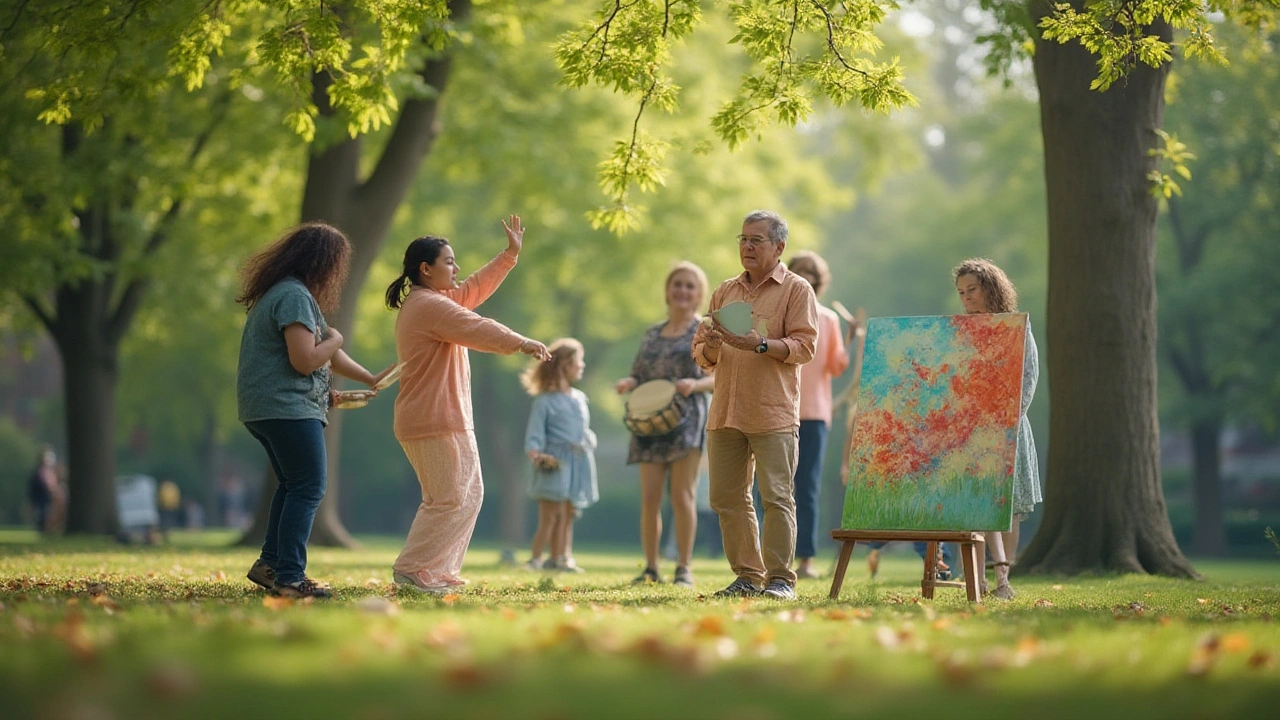
Picking the best creative therapy isn’t about guessing or jumping on a trend—it’s about your comfort zone and curiosity. Are you a private person? Art or writing therapy lets you explore in silence. If you feel restless, movement or music could unlock things that words miss. Some people try out a "sampler" approach first, dipping into a group session here and a solo project there to see what fits.
Therapists often have certifications in specific fields—art therapists, for example, need at least a master’s degree plus specialized credentials from organizations like the American Art Therapy Association. Music therapists follow similar paths, with board certification as the gold standard in the US. Don’t worry, though—you don’t need to pass any tests. All you need is open-mindedness and patience. Creative arts therapists know how to adapt programs for different ages, cultures, and even disabilities.
If you’re searching for a therapy type, look for clues in your own life. Do movies make you cry? Drama therapy might unlock insights. Feel drawn to rhythm? Group drumming can be genuinely cathartic (and fun!). You don’t have to limit yourself based on what feels comfortable—sometimes stepping outside your habits is where surprises happen.
Try starting simple at home. Keep a sketchbook, put on different genres of music, dance in your kitchen, or write a poem about your day. See what pulls you in. Plenty of therapists now offer virtual creative sessions, so you can get started wherever you are—even if your nearest therapist is a hundred miles away. And if you’re worried about feeling silly or "bad at art," remember: no one is grading you. It’s the process, not the product, that heals.
Breaking Down Myths and Barriers: Who Can Benefit?
One of the biggest misconceptions is that creative arts therapies are "extras"—quirky add-ons for those who already love art. Truth is, these therapies break down walls for people who’ve hit dead ends elsewhere. Folks living with serious mental illness, those recovering from addiction, military veterans with deep trauma, and even busy professionals burned out from daily stress are all using arts-based approaches.
Kids with developmental delays, like autism, often get their first big breakthroughs using art or music. Elderly people dealing with dementia may light up when handed paints or percussion instruments. Creative therapies bridge gaps—across age, culture, and diagnosis. Even shy people find safety in expressing themselves this way, without the pressure of eye contact or direct conversation.
Finances and access can still be hurdles, but the landscape is changing fast. Major hospitals now offer creative arts therapy in cancer and rehab programs, and schools in cities like Philadelphia and Los Angeles include it in their counseling offerings. Insurance can be spotty, but more coverage is on the way. And more workplaces are recognizing that having a creative therapist on staff is just as valuable as an EAP counselor.
Here’s what you need to know about accessibility:
- You don’t need any “talent” or background in the arts. Sessions focus on feeling, not skill.
- Therapists adapt their approach for all abilities and energy levels—even for those with disabilities or chronic illness.
- Community centers, universities, and nonprofits often offer low-cost or sliding-scale programs.
- Online and app-based platforms can bring creative arts therapies right into your home.
The biggest barrier? Self-judgment. If you can let go of worrying about “doing it right,” you’ll find opportunities everywhere.
Real-Life Tips: Getting Started With Creative Arts Therapies
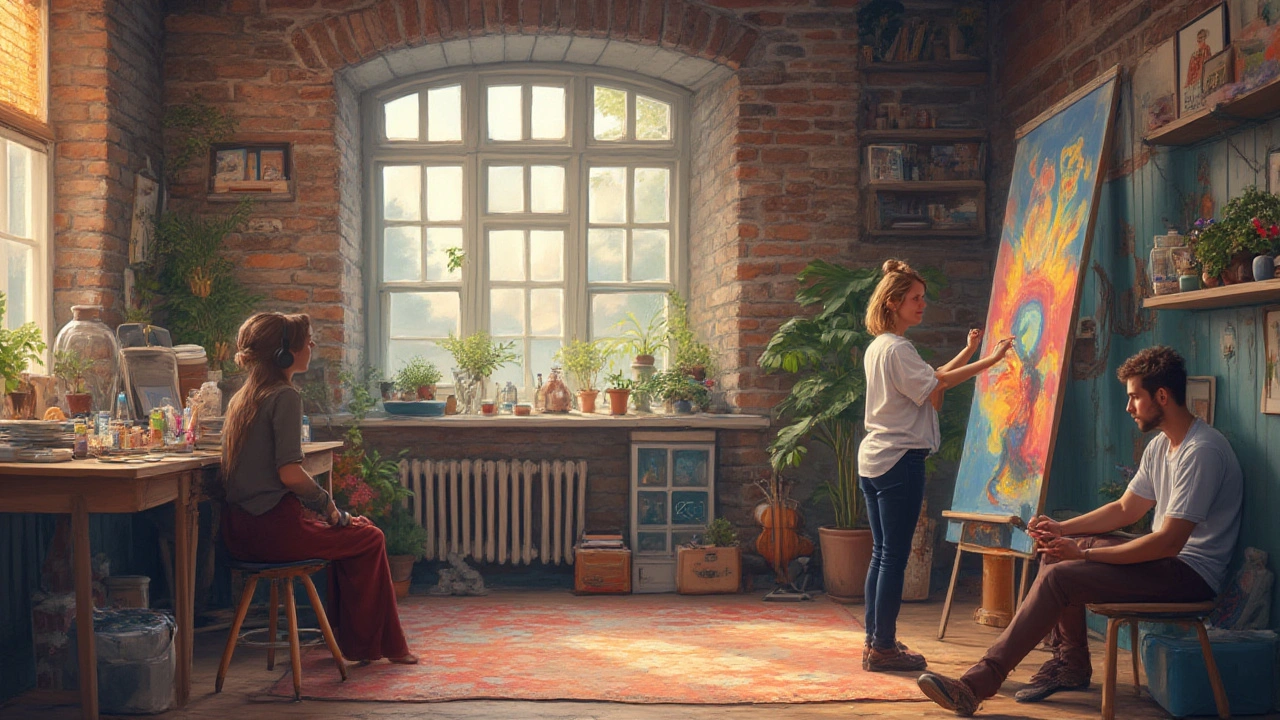
Ready to give it a shot? You don’t need fancy supplies—start with what you have. An old notebook, pencils, your favorite playlist, or even your smartphone’s recorder can help you dip a toe in. Set aside a small block of time—ten or twenty minutes—to play, with no expectations. Try doodling about your mood, journaling your frustrations, or humming along with a song that fits how you’re feeling.
If you want structure, look up certified creative arts therapists in your area through groups like the American Art Therapy Association, the American Music Therapy Association, or the National Association for Drama Therapy. Many professionals offer first sessions for free or discounted rates, making it easier to get a taste before committing.
Bring a friend if you’re nervous, or join a virtual group to ease isolation. Pick a comfortable, quiet spot, and be gentle with yourself—sometimes feelings come out fast and hard when you let creativity take the reins. Remember: it’s okay to laugh, cry, or just play. Healing doesn’t always look "serious."
If you’re caring for kids or elderly loved ones, bring them into the process. Siblings can collaborate on mural-sized art, or elderly parents can try simple watercolors or tapping along to music. Creativity is contagious, and the benefits ripple through families and communities.
And don’t forget to celebrate small wins. If you notice lighter moods, more restful sleep, or a new perspective—jot it down. Sometimes, looking back is the best way to see how far you’ve come.
So go ahead, turn up that music, let the colors fly, or step into a story. Creative arts therapies aren’t just a trend—they’re changing lives, one brushstroke, lyric, and dance move at a time.