
You’ve heard it before: meditation is the secret to inner peace, better sleep, and endless calm. But if you’ve tried it and felt frustrated-like you’re doing it wrong-you’re not alone. The truth is, meditation has been wrapped in so much hype, mystery, and misinformation that many people give up before they even get started. Let’s cut through the noise. Here are the most common myths about meditation-and what actually happens when you sit down to do it.
Myth 1: You Have to Clear Your Mind Completely
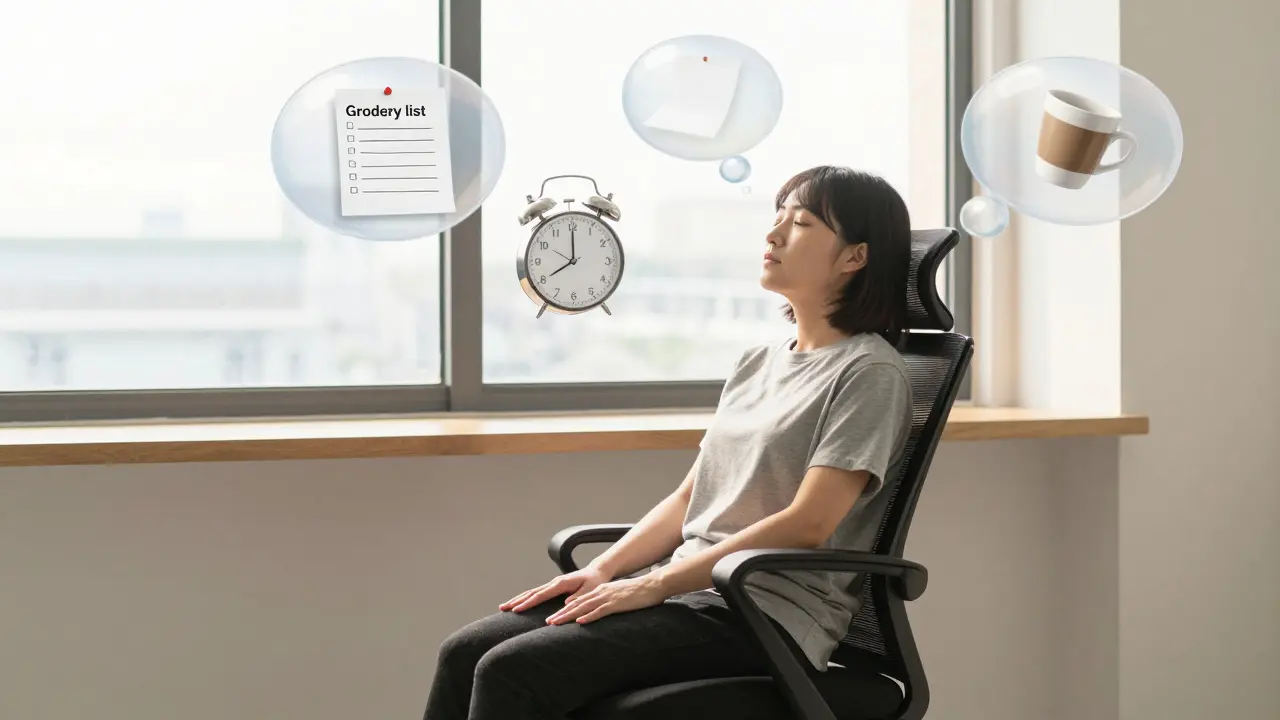
This is the biggest lie told about meditation. People think they’re supposed to turn off their thoughts like a light switch. If your mind wanders to your grocery list, your ex, or that weird noise outside, you’ve failed. Wrong. Meditation isn’t about stopping thoughts. It’s about noticing them. Every time you catch yourself thinking about dinner or replaying an awkward conversation, you’re not failing-you’re succeeding. That moment of awareness? That’s the whole point. Studies from Harvard Medical School show that experienced meditators don’t have fewer thoughts; they just respond to them differently. Instead of getting tangled up, they let thoughts pass like clouds. Your job isn’t to empty your mind. It’s to become the observer.
Myth 2: You Need to Sit Cross-Legged on a Cushion for Hours
Images of monks in saffron robes, perfectly still for hours, make meditation look like a superhuman feat. But meditation doesn’t require a specific posture, a special cushion, or even silence. You can meditate sitting in a chair, lying down, walking, or even washing dishes. The key isn’t the position-it’s the attention. A 2023 study from the University of British Columbia found that people who meditated for just five minutes a day while commuting or waiting in line saw measurable drops in stress hormones. You don’t need to meditate for 30 minutes. You don’t need to sit in lotus pose. You just need to pause, breathe, and notice what’s happening right now.
Myth 3: Meditation Is Only for Spiritual People or Yogis
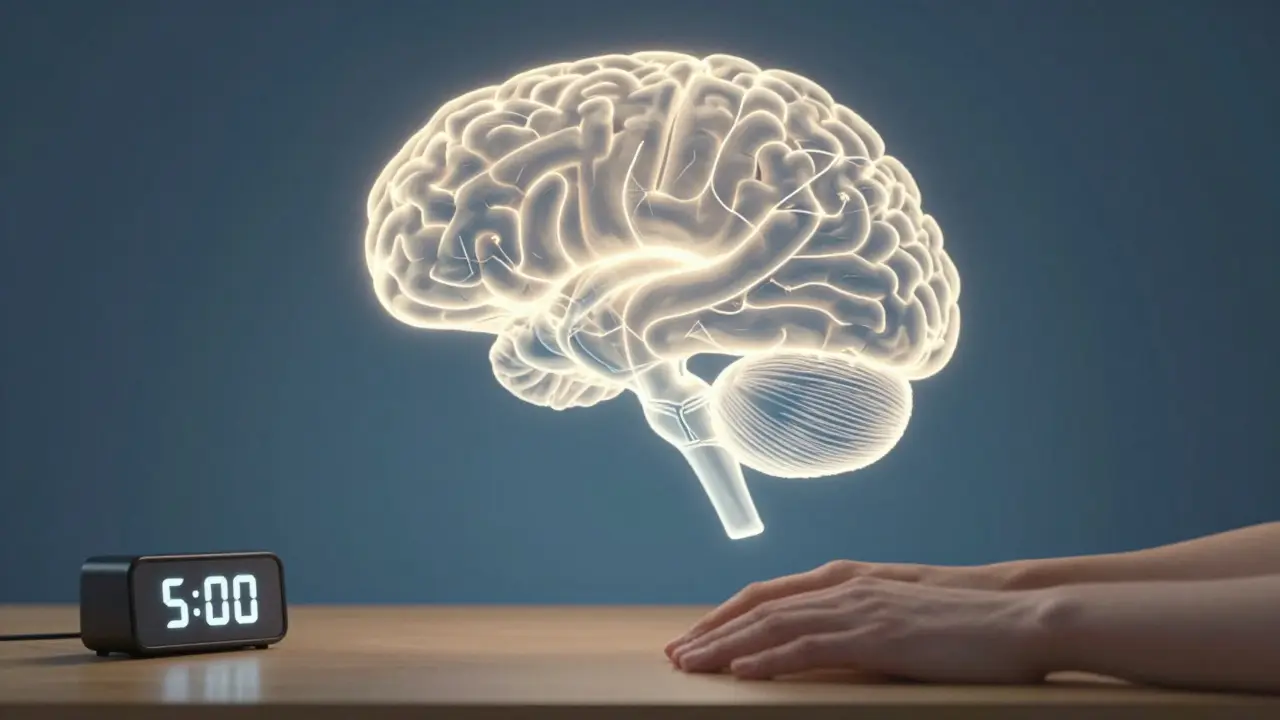
Meditation isn’t a religion. It’s not about chanting, crystals, or connecting with the universe. It’s a mental training tool-like doing push-ups for your brain. Neuroscientists have been studying it for decades. Brain scans show that regular meditation thickens the prefrontal cortex-the part of your brain responsible for focus, decision-making, and emotional control. It shrinks the amygdala-the fear center. That’s not spirituality. That’s biology. You don’t need to believe in anything mystical to benefit. You just need to show up and practice. Thousands of corporate employees, athletes, and military personnel use meditation for performance, not enlightenment.
Myth 4: You’ll Feel Instant Calm After Your First Session
Some apps promise “instant relaxation” in five minutes. If you don’t feel zen after your first try, you’re probably thinking, “This isn’t for me.” But meditation isn’t a quick fix. It’s a skill. Think of learning to play guitar. You don’t strum a perfect chord on day one. You fumble. You get frustrated. You keep going. Meditation is the same. The first few times, you might feel more restless than calm. That’s normal. The benefits build slowly-like muscle memory. A 2024 meta-analysis of over 120 clinical trials found that people typically start noticing real changes in anxiety and focus after 4-8 weeks of daily practice, even if it’s just 5-10 minutes. Don’t quit because you didn’t feel magic on day one.

Myth 5: Meditation Is a Waste of Time If You’re Busy
“I don’t have time,” people say. “I’ve got meetings, kids, deadlines.” But here’s the truth: meditation isn’t stealing time from your day. It’s giving time back. When you meditate, you stop reacting on autopilot. You stop snapping at coworkers. You stop losing focus in meetings. You stop ruminating about tomorrow’s to-do list while you’re supposed to be sleeping. That’s time you’re getting back. A study from the University of California, Davis, tracked professionals who meditated 10 minutes a day for six weeks. They reported 27% fewer work-related mistakes and 34% less mental fatigue. Meditation doesn’t add to your workload-it makes everything else more efficient.
Myth 6: It’s Only Useful for Stress
Yes, meditation helps with stress. But that’s just the tip of the iceberg. Regular practice improves sleep quality, lowers blood pressure, boosts immune response, and even helps manage chronic pain. People with IBS, migraines, and fibromyalgia have seen symptom reduction through mindfulness-based meditation. It also sharpens memory, enhances creativity, and improves emotional regulation. One 2025 study from Stanford showed that meditators were 40% better at recognizing emotional cues in others-meaning better relationships, fewer misunderstandings. Meditation isn’t just a relaxation tool. It’s a full-system upgrade for your brain and body.
Myth 7: You Need an App or a Teacher to Do It Right
There are thousands of meditation apps. They’re helpful, sure-but they’re not necessary. You don’t need a guided voice telling you to “focus on your breath.” You don’t need a fancy app with binaural beats. You just need to sit, breathe, and notice. Try this right now: Close your eyes. Breathe in for four counts. Hold for two. Breathe out for six. Do that three times. That’s meditation. No app. No cost. No special equipment. You’re already doing it. Apps are training wheels. Eventually, you’ll want to ride without them.
Myth 8: If You Miss a Day, You’ve Ruined Your Progress
Perfectionism kills meditation faster than anything else. You meditated for a week. Then you got sick. Or your kid was up all night. Or you were traveling. So you stopped. Now you feel guilty. But meditation doesn’t work like a diet. You don’t have to be perfect. You don’t have to be consistent every single day. What matters is showing up again. Research shows that even irregular practice-say, three times a week-still delivers benefits. The goal isn’t to never miss. The goal is to never quit. One minute today is better than zero minutes because you thought you “should’ve” done more.
Myth 9: Meditation Is Passive-You’re Not Doing Anything
Some people think meditation is just zoning out. But it’s the opposite. It’s active. You’re training your attention. You’re rewiring your brain. You’re practicing non-reactivity. That’s hard work. It’s like lifting weights, but for your mind. When you notice your mind drifting and gently bring it back, you’re strengthening neural pathways. That’s not passive. That’s discipline. And it’s powerful. A 2024 fMRI study showed that after just two weeks of daily meditation, participants showed increased connectivity between brain regions linked to self-control and emotional awareness. You’re not doing nothing. You’re doing something deeply transformative.
Myth 10: Meditation Is Only for People Who Are “Broken” or Overwhelmed
You don’t need to be in crisis to meditate. You don’t need to be anxious, depressed, or burned out to benefit. Meditation isn’t a rescue tool-it’s a preventive one. Athletes use it to sharpen focus. CEOs use it to make clearer decisions. Parents use it to stay calm during tantrums. Students use it to retain information. It’s not about fixing something broken. It’s about optimizing what’s already working. Think of it like brushing your teeth. You don’t wait until you have a cavity to do it. You do it because it keeps you healthy.
So here’s the real truth: meditation isn’t mystical. It isn’t hard. It doesn’t require special gear, perfect conditions, or spiritual belief. It’s simple. Sit. Breathe. Notice. Repeat. The myths around it make it seem complicated. But the practice? It’s one of the most natural, human things you can do.
Can meditation help with anxiety?
Yes. Multiple clinical studies, including one published in JAMA Psychiatry in 2023, show that mindfulness meditation reduces symptoms of anxiety as effectively as medication for some people. It doesn’t eliminate anxiety, but it changes how you relate to it. Instead of fighting it, you learn to observe it without getting swept away.
How long should I meditate each day?
Start with 5 minutes. That’s enough to build the habit. Many people stick with 10-15 minutes once they’re comfortable. Research shows that even 5 minutes a day for 8 weeks improves attention and lowers cortisol levels. Longer sessions aren’t better if you’re forcing them. Consistency beats duration every time.
Is it normal to cry during meditation?
Yes. Meditation brings you into contact with emotions you’ve buried. Crying isn’t a sign you’re doing it wrong-it’s a sign you’re releasing something. It’s common, especially in the first few weeks. Let it happen. Don’t judge it. Just breathe through it.
Can kids meditate?
Absolutely. Schools in Vancouver, Seattle, and Toronto now include 5-minute mindfulness breaks in classrooms. Kids as young as 4 can learn to notice their breath or pause before reacting. It helps with focus, emotional regulation, and reduces classroom disruptions. You don’t need to sit still-kids can meditate while walking, drawing, or even listening to a calming sound.
What if I fall asleep during meditation?
If you’re tired, you’re probably not meditating-you’re napping. That’s okay. Try meditating in a seated position, not lying down. Or do it earlier in the day. If you’re falling asleep often, your body might be asking for more rest. Meditation isn’t meant to replace sleep. It’s meant to help you wake up-to your thoughts, your body, your life.
What to Do Next
Don’t wait for the perfect time. Don’t wait until you’re less stressed. Don’t wait until you’ve read ten more articles. Just sit down. Set a timer for five minutes. Breathe. Notice. That’s it. You don’t need to understand it. You just need to do it. The myths will fade once you start practicing-and what’s left is something real: a quiet mind, a calmer body, and a little more space between your thoughts and your reactions.