Have you ever felt your heart racing for no obvious reason, or noticed your shoulders creeping up toward your ears while staring at a screen? That is your body’s alarm system stuck in the 'on' position. We often treat stress like a mental problem, but it is fundamentally physical. Your nervous system is flooding you with cortisol and adrenaline, preparing you to fight a tiger that isn’t there. The good news? You can manually override this switch.
Relaxation is not just about taking a bubble bath or listening to soft music. It is an active physiological process. When you practice effective relaxation techniques, you trigger the parasympathetic nervous system-the part of your body responsible for rest and digestion. This article breaks down the most scientifically backed methods to lower your heart rate, reduce blood pressure, and calm your mind, so you can reclaim control over your daily stress response.
Why Your Body Needs Active Relaxation
Most people think they are relaxed when they are just "doing nothing." But if you sit on the couch scrolling through social media, your brain is still processing information, reacting to notifications, and staying alert. This is pseudo-relaxation. True relaxation requires engaging specific mechanisms that signal safety to your brain.
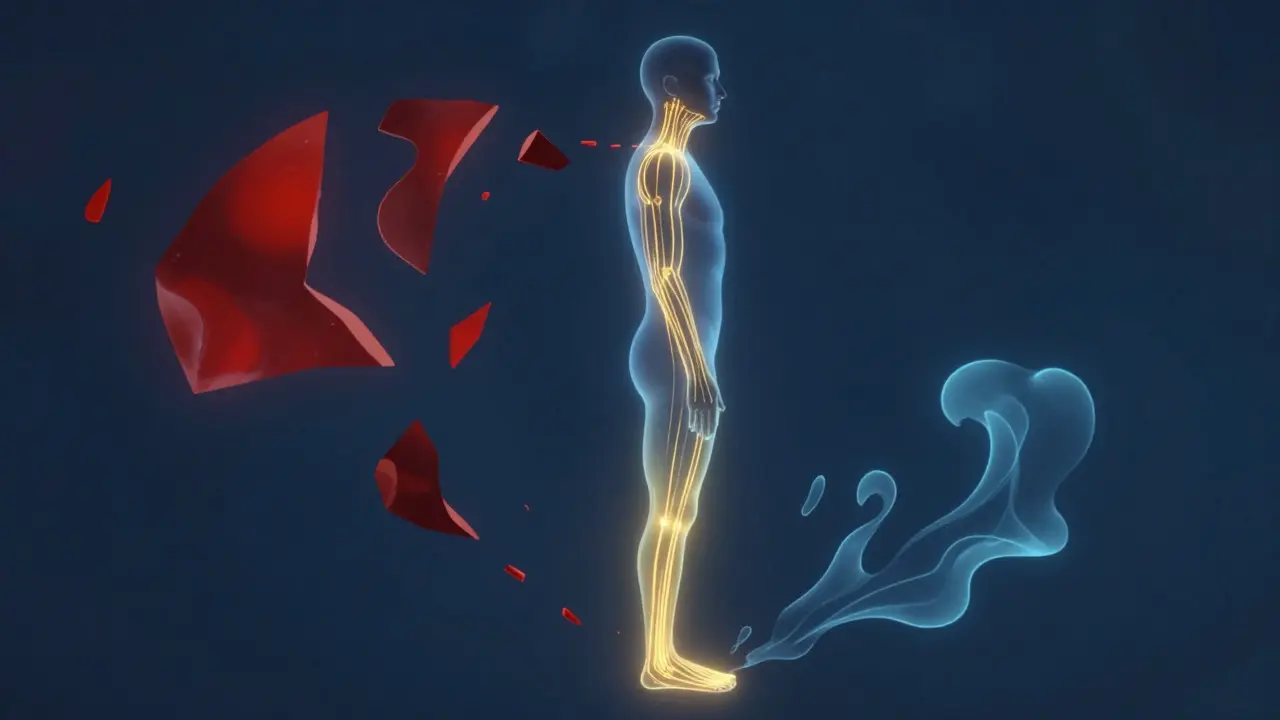
The key player here is the Vagus Nerve. This long cranial nerve runs from your brainstem to your abdomen. It acts as the main communication line between your brain and your internal organs. When stimulated correctly, it slows your heart rate and promotes feelings of calm. Many of the techniques below work by directly stimulating the Vagus Nerve or reducing the activity of the amygdala, the brain's fear center.
Without active relaxation, chronic stress leads to inflammation, poor sleep, and weakened immunity. By making these practices a habit, you aren't just feeling better for ten minutes; you are protecting your long-term health.
Deep Breathing: The Fastest Way to Calm Down
If you need to lower your stress levels in under two minutes, breathwork is your best tool. Breathing is one of the few autonomic functions you can consciously control. Changing your breath pattern sends immediate signals to your brain to shift out of "fight or flight" mode.
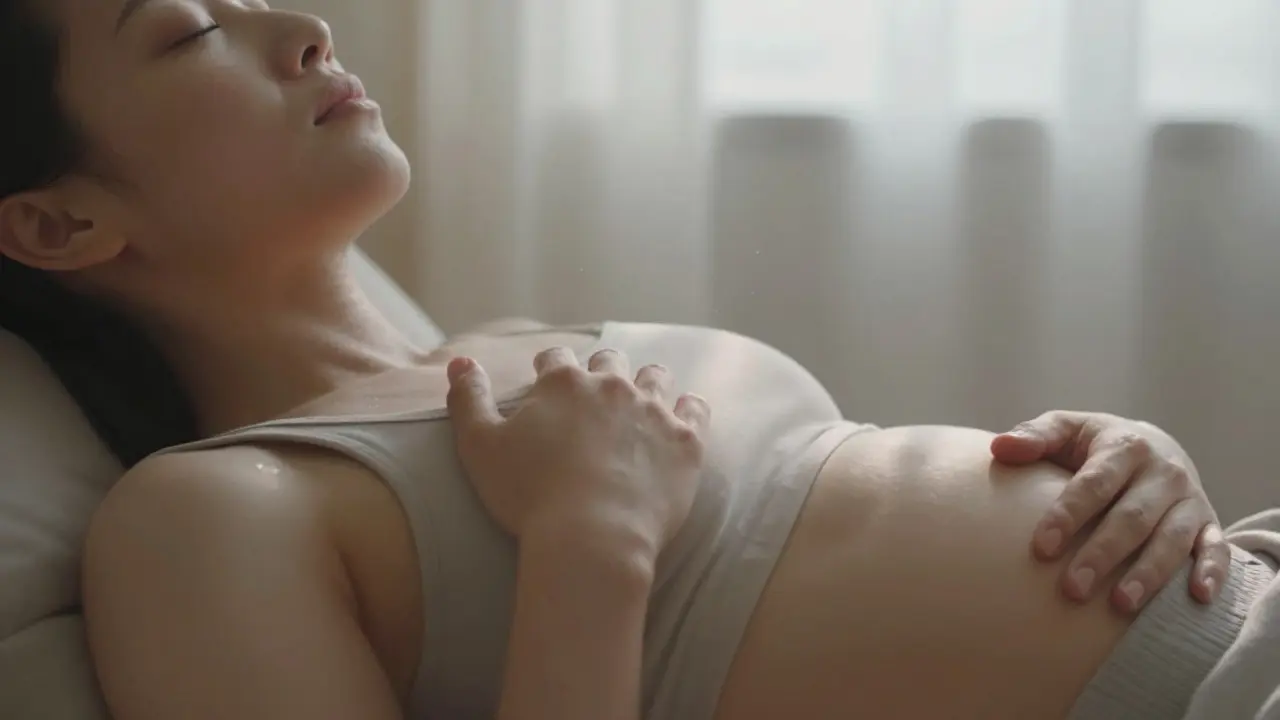
Diaphragmatic Breathing, also known as belly breathing, is the foundation. Most of us breathe shallowly into our chests when stressed, which keeps the sympathetic nervous system activated. To do diaphragmatic breathing:
- Lie on your back or sit comfortably.
- Place one hand on your chest and the other on your belly.
- Breathe in slowly through your nose. Focus on making the hand on your belly rise while the hand on your chest stays still.
- Exhale slowly through pursed lips, as if blowing out a candle gently.
- Repeat for five to ten cycles.
For a more structured approach, try the 4-7-8 Breathing Technique. Developed by Dr. Andrew Weil, this method acts as a natural tranquilizer for the nervous system. Inhale quietly through your nose for 4 seconds, hold your breath for 7 seconds, and exhale forcefully through your mouth for 8 seconds. The extended exhale is crucial because it activates the parasympathetic response. Try doing four cycles before bed or during a stressful meeting.
Progressive Muscle Relaxation (PMR)
Sometimes, the tension is so deep in your muscles that you don't even realize it's there until someone points it out. Progressive Muscle Relaxation, developed by physician Edmund Jacobson in the 1920s, helps you identify and release this hidden tension.
The principle is simple: you cannot relax a muscle unless you first tense it. By systematically tensing and then releasing different muscle groups, you learn the difference between tension and relaxation.
Here is how to practice PMR effectively:
- Start with your feet. Curl your toes downward and tighten your calf muscles for five seconds.
- Suddenly release the tension and notice the sensation of warmth and heaviness for ten seconds.
- Move up to your thighs, squeezing them tightly, then releasing.
- Continue upward: buttocks, abdomen, hands, arms, shoulders, neck, and finally your face (scrunching your eyes and jaw).
This technique is particularly useful for people who suffer from insomnia or physical pain caused by stress. It takes about fifteen minutes to go through all the major muscle groups, but it leaves your body in a state of deep physical ease.
Mindfulness Meditation and Grounding
While breathing and PMR address the body, mindfulness addresses the mind. Mindfulness Meditation is not about emptying your mind. It is about observing your thoughts without judgment. When you stop fighting your anxious thoughts, they lose their power.
A practical way to start is with the 5-4-3-2-1 Grounding Technique. This is excellent for acute anxiety or panic attacks. It forces your brain to switch from internal worry to external observation.
- Identify 5 things you can see around you right now.
- Identify 4 things you can physically feel (the fabric of your chair, your feet on the floor).
- Identify 3 things you can hear (traffic, birds, the hum of the fridge).
- Identify 2 things you can smell.
- Identify 1 thing you can taste.
This sensory engagement interrupts the loop of catastrophic thinking. For longer sessions, try focusing on your breath for ten minutes. When your mind wanders-and it will-gently bring it back to the breath. This repetition strengthens your attention span and emotional regulation over time.
Visualization and Guided Imagery
Your brain does not always distinguish clearly between what is happening in reality and what is vividly imagined. Guided Imagery leverages this by creating a mental safe haven. Athletes use visualization to improve performance; you can use it to lower stress.
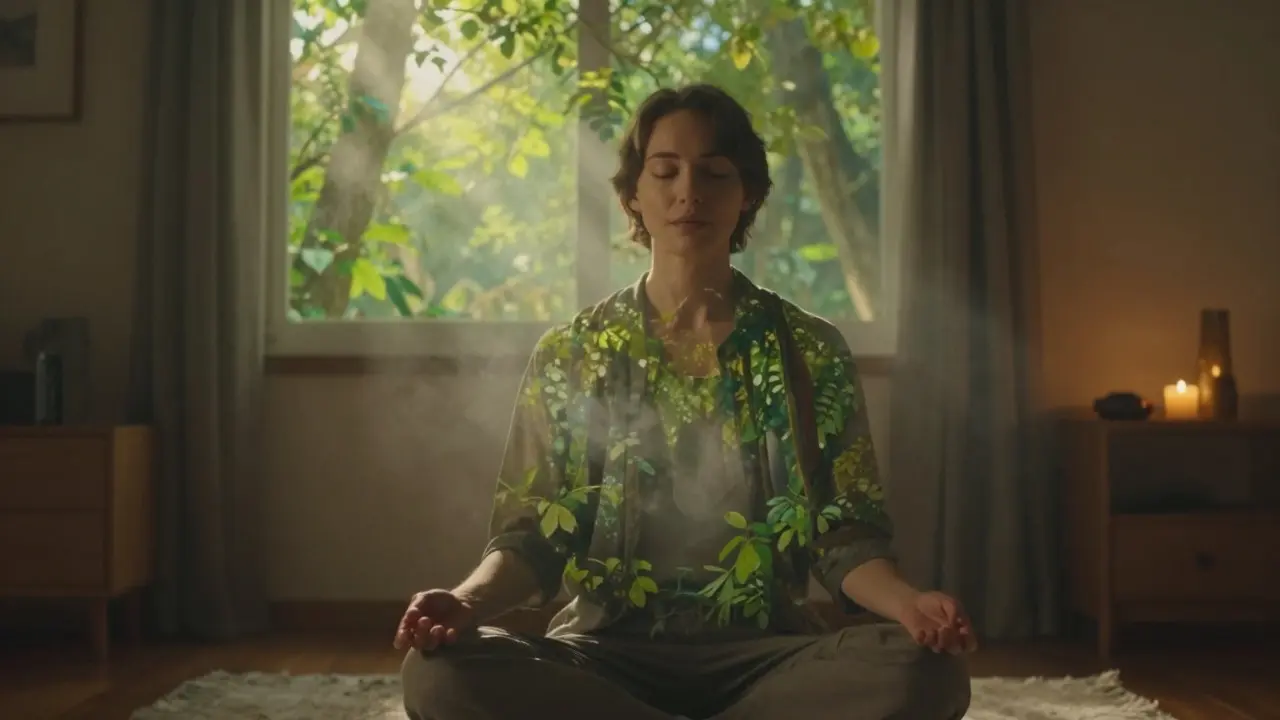
To practice this, close your eyes and imagine a place where you feel completely safe and calm. It could be a beach, a forest, or a cozy room. Engage all your senses:
- What does the air smell like?
- What sounds do you hear?
- How does the temperature feel on your skin?
Stay in this mental space for five to ten minutes. Studies have shown that guided imagery can reduce pain perception and lower blood pressure. If you find it hard to generate images on your own, there are many free audio guides available online that walk you through these scenarios.
Choosing the Right Technique for You
Not every technique works for everyone, and context matters. Here is a quick guide to help you choose:
| Technique | Best For | Time Required | Difficulty |
|---|---|---|---|
| 4-7-8 Breathing | Acute stress, falling asleep | 2-5 minutes | Easy |
| Progressive Muscle Relaxation | Physical tension, insomnia | 10-15 minutes | Medium |
| Mindfulness Meditation | Anxiety, focus, emotional regulation | 10-20 minutes | Hard (requires practice) |
| Grounding (5-4-3-2-1) | Panic attacks, dissociation | 2-3 minutes | Easy |
| Guided Imagery | Pain management, general calm | 5-10 minutes | Medium |
Integrating Relaxation Into Daily Life
The biggest mistake people make is treating relaxation as a luxury they only have time for on weekends. To truly manage stress, you need micro-practices throughout the day. Try this:
- Transition Rituals: Before entering your home after work, take three deep breaths in the car or on the doorstep. This signals to your brain that work is over.
- The Waiting Game: Use time spent waiting in line or on hold to practice shoulder rolls or box breathing.
- Bedtime Routine: Replace scrolling with ten minutes of PMR or gentle stretching to prepare your body for sleep.
Consistency beats intensity. Five minutes of daily practice is far more effective than one hour once a week. Over time, your baseline stress level will drop, and you will find yourself reacting less impulsively to challenges.
Common Pitfalls to Avoid
One common error is forcing relaxation. If you sit down to meditate and get frustrated because your mind won't quiet down, you are adding stress to stress. Remember, the goal is not to stop thinking; it is to change your relationship with your thoughts. Be patient with yourself.
Another pitfall is ignoring physical needs. No amount of meditation will fix exhaustion caused by lack of sleep, dehydration, or poor nutrition. Ensure your basic physiological needs are met before expecting relaxation techniques to work miracles.
Finally, don't expect instant perfection. These skills are like muscles. They get stronger with use. If you miss a day, don't quit. Just pick it up again the next day.
How quickly do relaxation techniques work?
Physiological changes, such as lowered heart rate, can occur within minutes using techniques like deep breathing. However, long-term benefits like reduced anxiety and improved resilience typically require consistent practice over several weeks.
Can relaxation techniques replace medication for anxiety?
For mild to moderate anxiety, relaxation techniques can be highly effective and sometimes sufficient. For severe anxiety disorders, they are often used as a complementary therapy alongside medication or cognitive behavioral therapy (CBT). Always consult a healthcare provider before changing medical treatments.
Is it normal to feel dizzy when practicing deep breathing?
Yes, lightheadedness can happen if you hyperventilate or breathe too deeply too quickly. This changes the balance of oxygen and carbon dioxide in your blood. If this happens, return to your normal breathing pattern for a minute before trying again, and ensure you are exhaling fully.
Which relaxation technique is best for sleep?
Progressive Muscle Relaxation (PMR) and the 4-7-8 breathing technique are particularly effective for sleep. PMR releases physical tension accumulated during the day, while 4-7-8 breathing slows the heart rate and induces drowsiness.
Do I need special equipment for these techniques?
No. All the techniques described above rely solely on your body and breath. While apps or audio guides can help beginners, they are not necessary. The core tools are your awareness and your willingness to practice.