Ever feel like your stomach is plotting against you? That bloating after lunch, the random cramps, or just that general sense of sluggishness-it’s annoying. We often treat our digestive system like a black box: food goes in, waste comes out. If it stops working smoothly, we grab an antacid and hope for the best. But gastro health isn’t just about avoiding heartburn. It’s the foundation of how you feel, think, and even look every single day.
Your gut is arguably your second brain. It houses over 100 million neurons and produces roughly 95% of your body’s serotonin, the neurotransmitter responsible for mood regulation. When your gastro health takes a hit, it doesn’t just stay in your belly. It shows up as brain fog, skin breakouts, low energy, and yes, irritability. So, what actually keeps this complex system running smoothly? It comes down to five non-negotiable pillars. Let’s break them down without the medical jargon.
The Microbiome: Your Internal Ecosystem
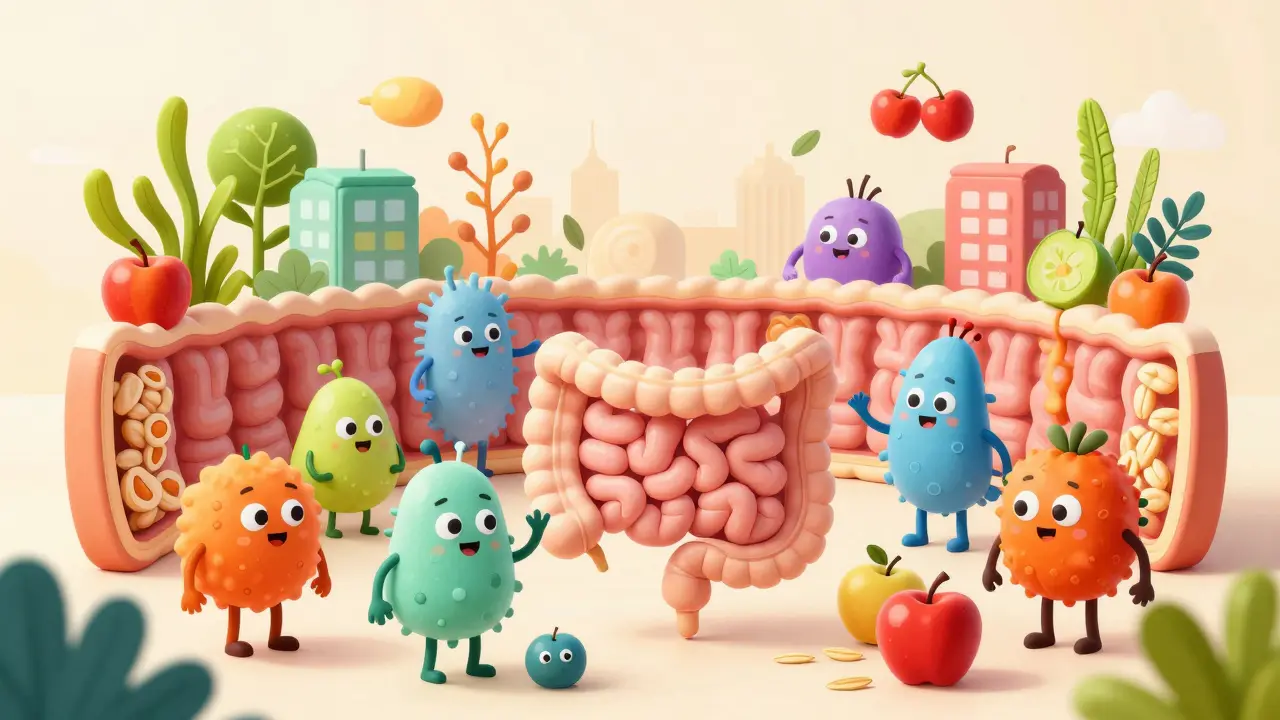
First, we need to talk about the trillions of bacteria living inside you. This is your gut microbiome. Think of it less like germs and more like a bustling city. You have good citizens (probiotics) that help digest food, produce vitamins, and keep bad guys out. Then you have the troublemakers that cause inflammation and discomfort.
The goal isn’t to kill all bacteria-that would be disastrous. The goal is balance. A diverse microbiome is a resilient one. If your internal ecosystem only has two or three types of bacteria, it’s fragile. One wrong meal or a course of antibiotics can wipe it out. But if you have hundreds of different strains, the system can bounce back quickly.
How do you build diversity? By feeding the good guys. They thrive on specific fibers found in plants. When they eat these fibers, they ferment them into short-chain fatty acids, particularly butyrate. Butyrate is fuel for the cells lining your colon. It strengthens the gut barrier, preventing "leaky gut," where toxins slip into your bloodstream and trigger immune responses. Without enough butyrate, that barrier gets weak, leading to systemic inflammation.
Is probiotic supplementation necessary for a healthy gut?
Not necessarily. While supplements can help after antibiotic use or during acute illness, long-term gut health is better supported by dietary sources of prebiotics and fermented foods. Supplements often contain only a few strains, whereas a varied diet supports hundreds.
Fiber: The Unsung Hero
If there is one nutrient that defines gastro health, it’s fiber. Most people in the UK consume around 18 grams of fiber a day. The recommended amount is closer to 30 grams. That gap is huge. Fiber does two main things: it adds bulk to your stool (keeping things moving) and it feeds your microbiome.
There are two types of fiber you need to know about:
- Soluble fiber: Dissolves in water to form a gel-like substance. It helps lower cholesterol and blood sugar levels. Found in oats, beans, apples, and citrus fruits.
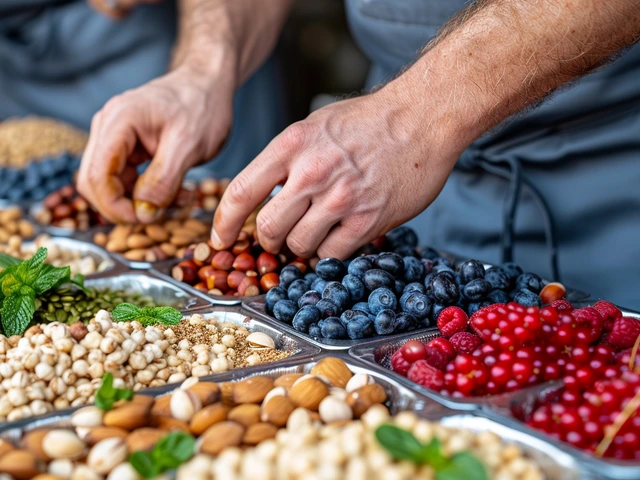
- Insoluble fiber: Does not dissolve. It adds bulk and speeds up the passage of food through your stomach and intestines. Found in whole wheat, nuts, seeds, and vegetables like cauliflower and potatoes.
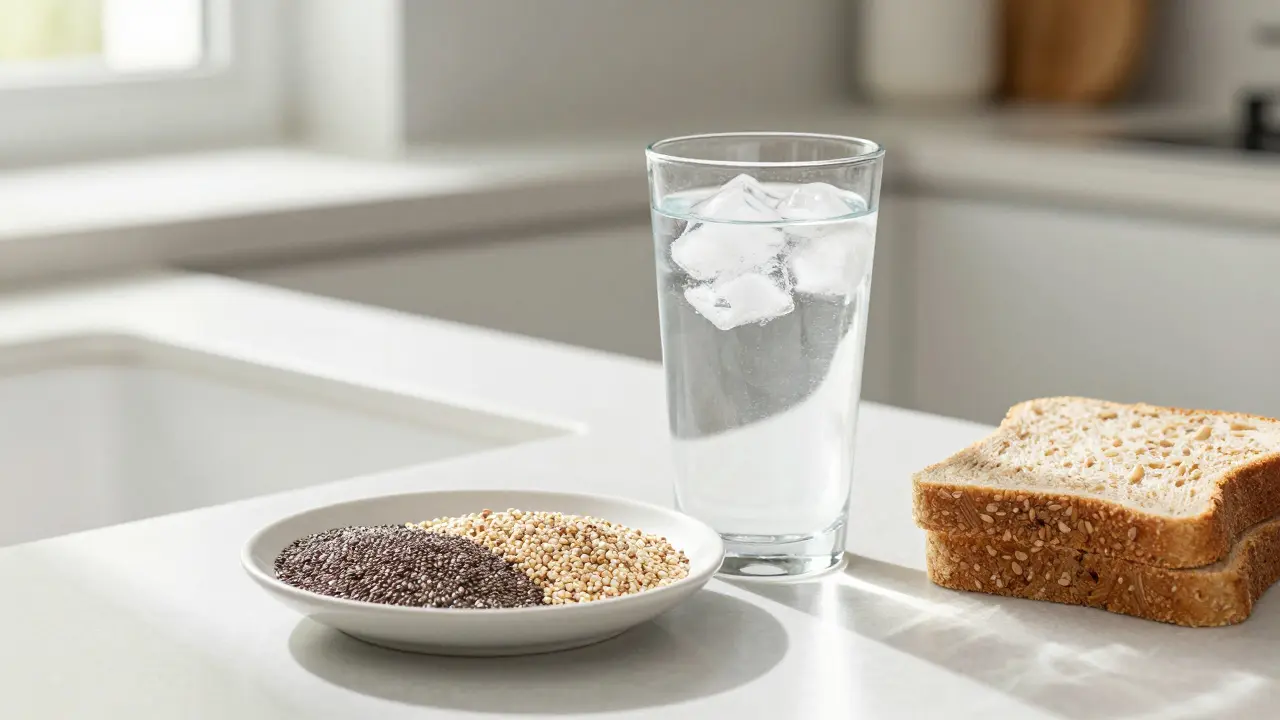
You need both. Relying solely on bran flakes (insoluble) might speed things up too much, causing gas. Eating only soluble fiber might not provide enough mechanical stimulation for the bowel walls. Aim for a mix. Add chia seeds to your yogurt (soluble + insoluble), swap white rice for quinoa, and don’t peel your apples. The skin holds most of the fiber.
A common mistake is increasing fiber intake too quickly. If you jump from 15g to 35g overnight, you will experience significant bloating and gas. Increase gradually over a few weeks, and crucially, drink more water. Fiber absorbs water; without it, fiber becomes cement, not a broom.
Hydration: The Lubricant
We hear "drink eight glasses a day," but why does it matter for your gut? Digestion is a chemical process that requires water. Saliva, gastric juices, bile, and pancreatic enzymes-all are mostly water. Dehydration slows down digestion because the body prioritizes keeping vital organs hydrated over processing your lunch.
When you’re dehydrated, the colon pulls more water from your stool to replenish the body. This leads to constipation. Hard, dry stools are difficult to pass and can cause hemorrhoids or anal fissures. Conversely, proper hydration keeps stool soft and easy to move.
Water also helps transport nutrients. After your small intestine breaks down food, the resulting vitamins and minerals need to be carried to your cells. Blood is largely water. If your blood volume is low due to dehydration, nutrient delivery suffers. You might be eating perfectly, but if you’re not drinking enough, your cells aren’t getting the goods.
Don’t rely solely on coffee or tea. Caffeine is a mild diuretic, meaning it makes you lose more fluid than you take in. Herbal teas and infusions count toward your hydration goals. A good rule of thumb: if your urine is pale yellow, you’re likely hydrated. If it’s dark amber, drink a glass of water right now.
Movement: Keeping Things Moving
Your digestive tract is made of muscle. It needs to contract and relax to push food along-a process called peristalsis. Sedentary behavior slows this down. When you sit for hours, your gut motility decreases. This is why office workers often struggle with constipation and bloating.
Exercise stimulates the muscles in your abdomen and intestines. It doesn’t have to be intense cardio. A brisk 20-minute walk after a meal can significantly aid digestion. It helps regulate blood sugar spikes and encourages the stomach to empty its contents into the small intestine at a healthy rate.
Physical activity also reduces stress hormones like cortisol. High cortisol levels divert blood flow away from the digestive system to the muscles (the "fight or flight" response). When you’re stressed, digestion literally shuts down. Movement lowers cortisol, allowing your body to return to "rest and digest" mode.
Yoga is particularly effective here. Certain poses, like twists and forward folds, physically massage the abdominal organs, stimulating circulation and lymphatic drainage in the gut area. You don’t need to be flexible; just gentle movement helps.
Stress Management: The Gut-Brain Axis
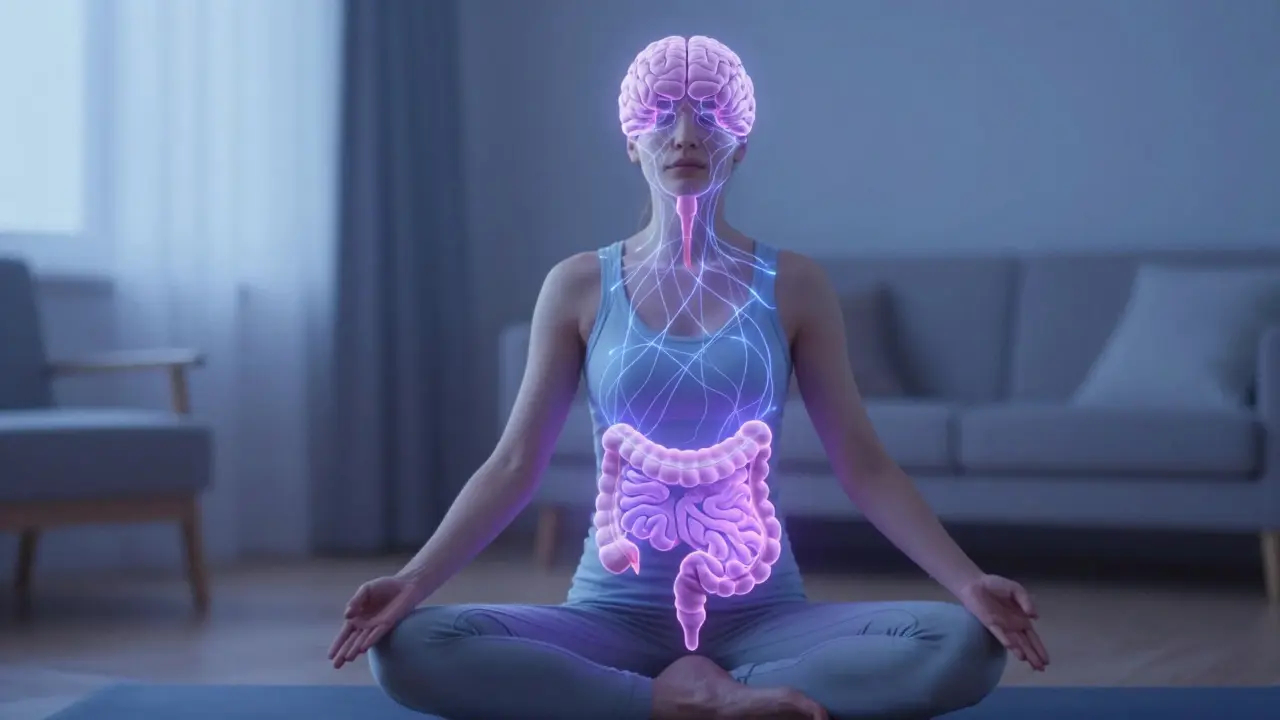
This pillar ties everything together. The gut-brain axis is a bidirectional communication network linking your enteric nervous system (gut) and your central nervous system (brain). When you’re anxious, your gut reacts. Have you ever had "butterflies" before a big meeting? That’s your gut talking to your brain.
Chronic stress changes the composition of your microbiome. Studies show that high-stress environments reduce the abundance of beneficial bacteria like *Lactobacillus* and increase harmful ones. Stress also increases intestinal permeability (leaky gut), allowing bacterial endotoxins to enter the bloodstream, triggering inflammation.
This inflammation can manifest as Irritable Bowel Syndrome (IBS) symptoms, such as diarrhea, constipation, or abdominal pain. Even if you eat perfectly and exercise daily, unmanaged stress can sabotage your gastro health.
Managing stress isn’t just about meditation apps (though those help). It’s about sleep. Poor sleep disrupts circadian rhythms, which govern gut function. Aim for 7-9 hours of quality sleep. During deep sleep, your body repairs the gut lining. If you’re constantly tired, your gut is likely inflamed.
Deep breathing exercises activate the vagus nerve, which connects the brain to the gut. Stimulating the vagus nerve promotes relaxation and digestion. Try box breathing: inhale for 4 seconds, hold for 4, exhale for 4, hold for 4. Do this for five minutes before meals to prime your digestive system.
What to Avoid: The Silent Saboteurs
Building good habits is half the battle. Avoiding bad ones is the other half. Here are three common culprits that wreck gastro health:
- Ultra-processed foods: These are stripped of fiber and loaded with additives, emulsifiers, and artificial sweeteners. Emulsifiers like polysorbate 80 can damage the mucus layer of the gut, allowing bacteria to come into direct contact with the intestinal wall, triggering inflammation.
- Excessive alcohol: Alcohol irritates the stomach lining and alters the microbiome. It increases acid production, leading to gastritis. It also dehydrates the body, worsening constipation.
- Unnecessary antibiotics: Antibiotics save lives, but they are nuclear bombs for your microbiome. They kill good bacteria along with the bad. Only take them when prescribed and absolutely necessary. After a course, focus heavily on prebiotic foods to rebuild diversity.
| Habit | Effect on Gut | Recommendation |
|---|---|---|
| Eating fast | Poor mechanical digestion, swallowed air (bloating) | Chew thoroughly, put fork down between bites |
| Skipping meals | Irregular acid production, gallbladder issues | Eat regular, balanced meals |
| High sugar intake | Feeds harmful yeast and bacteria, causes dysbiosis | Limit added sugars, choose whole fruits |
Listening to Your Body
Everyone’s gut is different. What works for your friend might not work for you. Some people tolerate dairy fine; others get bloated. Some thrive on raw veggies; others need cooked ones for easier digestion. Pay attention to your body’s signals.
Keep a simple food diary for a week. Note what you ate, how you felt afterward, and your bowel movements. Look for patterns. Did you feel sluggish after heavy carb lunches? Did raw salads cause gas? Use this data to adjust your diet. There is no one-size-fits-all perfect diet, only what works for your unique biology.
If you experience persistent pain, blood in stool, unexplained weight loss, or severe changes in bowel habits, see a doctor. These are red flags that require professional medical evaluation, not just lifestyle tweaks.
Gastro health is a marathon, not a sprint. Start with one pillar. Maybe add more fiber this week. Next week, focus on walking after dinner. Slow, consistent changes create lasting results. Your gut will thank you, and so will the rest of your body.
How long does it take to heal the gut?
The gut lining regenerates every 3-5 days, but restoring microbiome diversity and reducing chronic inflammation can take weeks to months. Consistency with diet and lifestyle changes is key. Most people notice improvements in bloating and energy within 2-4 weeks of making significant changes.
Are fermented foods really that important?
Yes. Fermented foods like kimchi, sauerkraut, kefir, and kombucha contain live cultures that can introduce beneficial bacteria to your gut. However, they should complement, not replace, a high-fiber diet. Prebiotics (fiber) feed the probiotics (bacteria).
Can stress really cause physical stomach pain?
Absolutely. The gut-brain axis means emotional stress directly impacts gut motility and sensitivity. Conditions like IBS are strongly linked to stress and anxiety. Managing mental health is a critical part of treating digestive disorders.
What is the best time to eat for digestion?
Eating earlier in the day aligns with your circadian rhythm, when digestive enzymes are most active. Try to finish your last meal 2-3 hours before bed to allow for proper digestion and improve sleep quality. Late-night snacking often leads to acid reflux and poor sleep.
Does chewing food properly really matter?
Yes. Digestion begins in the mouth. Chewing breaks food into smaller particles, increasing surface area for enzymes to work. It also mixes food with saliva, which contains amylase to start breaking down carbohydrates. Poor chewing puts extra strain on the stomach and can lead to indigestion.