
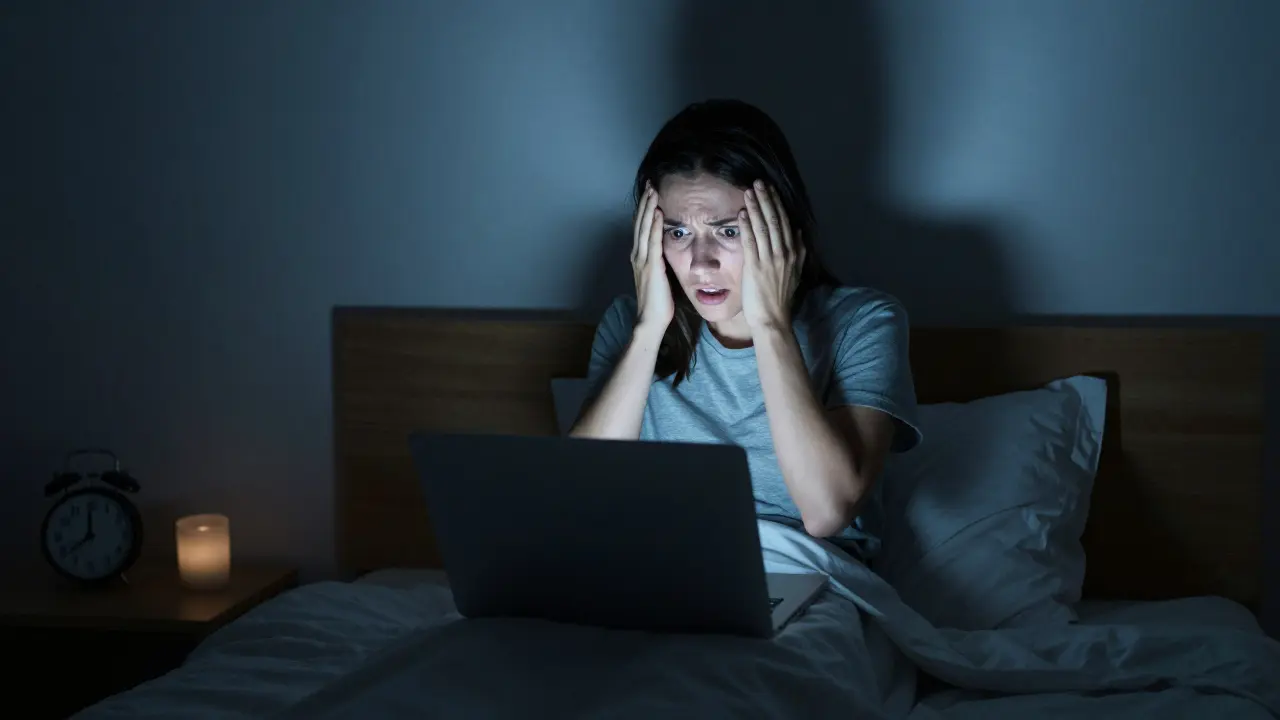
When your heart skips a beat, do you immediately think it’s a heart attack? When you get a headache, do you start researching brain tumors? If you’ve ever caught yourself Googling symptoms at 2 a.m. and ended up convinced you’re dying - you’re not alone. This isn’t just worry. It’s health anxiety, and it’s quietly wrecking your body.
What Health Anxiety Really Is
Health anxiety, sometimes called illness anxiety disorder or hypochondriasis, isn’t about being careful with your health. It’s about being terrified of it. People with this condition fixate on normal bodily sensations - a twitch, a cough, a dizzy spell - and turn them into signs of deadly disease. They visit doctors, get clean test results, and still don’t believe it. The fear doesn’t fade. It grows.
Unlike occasional health worries, health anxiety is persistent, consuming, and resistant to logic. A 2023 study in the Journal of Anxiety Disorders found that 4.5% of adults in the U.S. meet the clinical criteria for this disorder. That’s over 11 million people. And many more are silently struggling without a diagnosis.
How Anxiety Turns Into Physical Pain
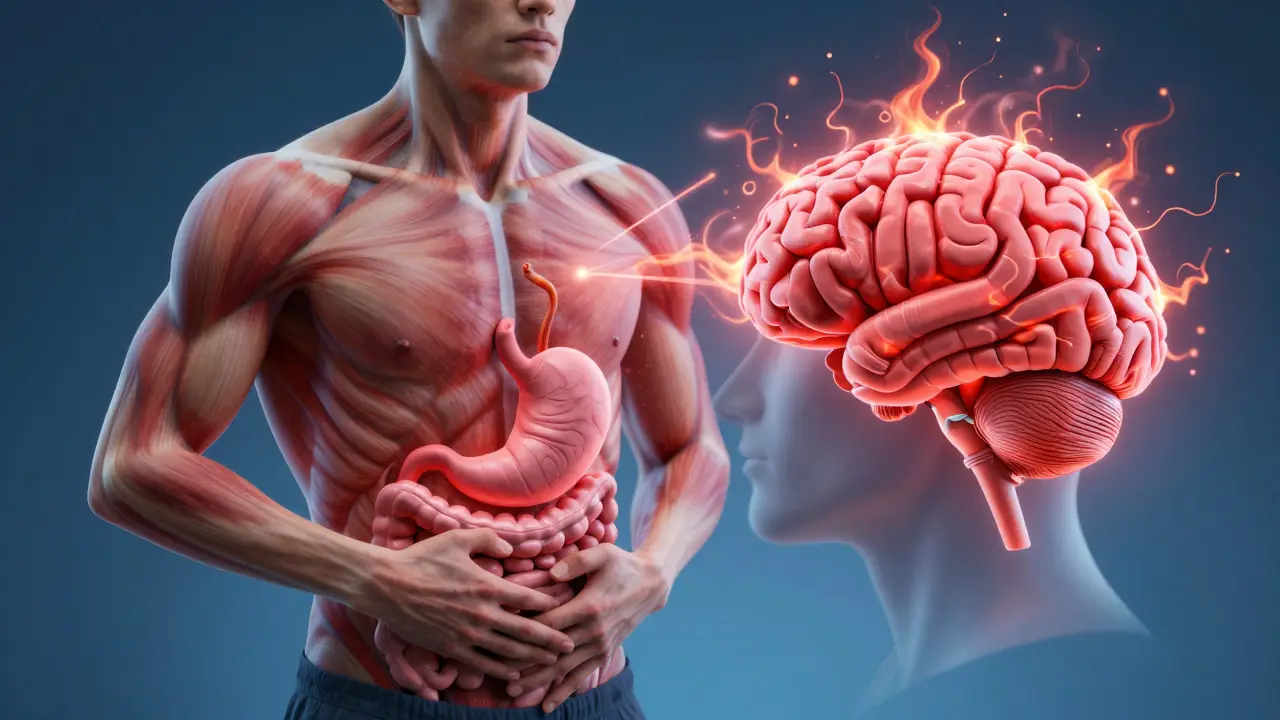
Your brain and body aren’t separate systems. They’re wired together. When you’re stuck in constant fear about your health, your nervous system stays stuck in high alert. This isn’t just "stress." It’s chronic activation of your fight-or-flight response - and that has real, measurable effects on your body.
Here’s what happens:
- Your muscles tighten - all the time. That constant tension leads to chronic headaches, neck pain, and jaw clenching.
- Your digestive system slows down. Stomachaches, bloating, nausea, and irritable bowel symptoms become common. Many people with health anxiety are misdiagnosed with IBS - and never told it’s anxiety-driven.
- Your heart races. Even at rest. This creates palpitations, chest tightness, and dizziness - all classic signs of anxiety, but easily mistaken for heart disease.
- Your immune system weakens. Research from the University of California shows that prolonged anxiety reduces white blood cell activity, making you more prone to colds and infections - which then fuels more fear.
- You stop sleeping. Not because you’re tired - but because your mind is racing. Poor sleep raises cortisol levels, which spikes inflammation and makes every ache feel worse.
It’s a feedback loop: you feel a symptom → you panic → your body reacts → you feel more symptoms → you panic harder.
The Doctor’s Office Trap
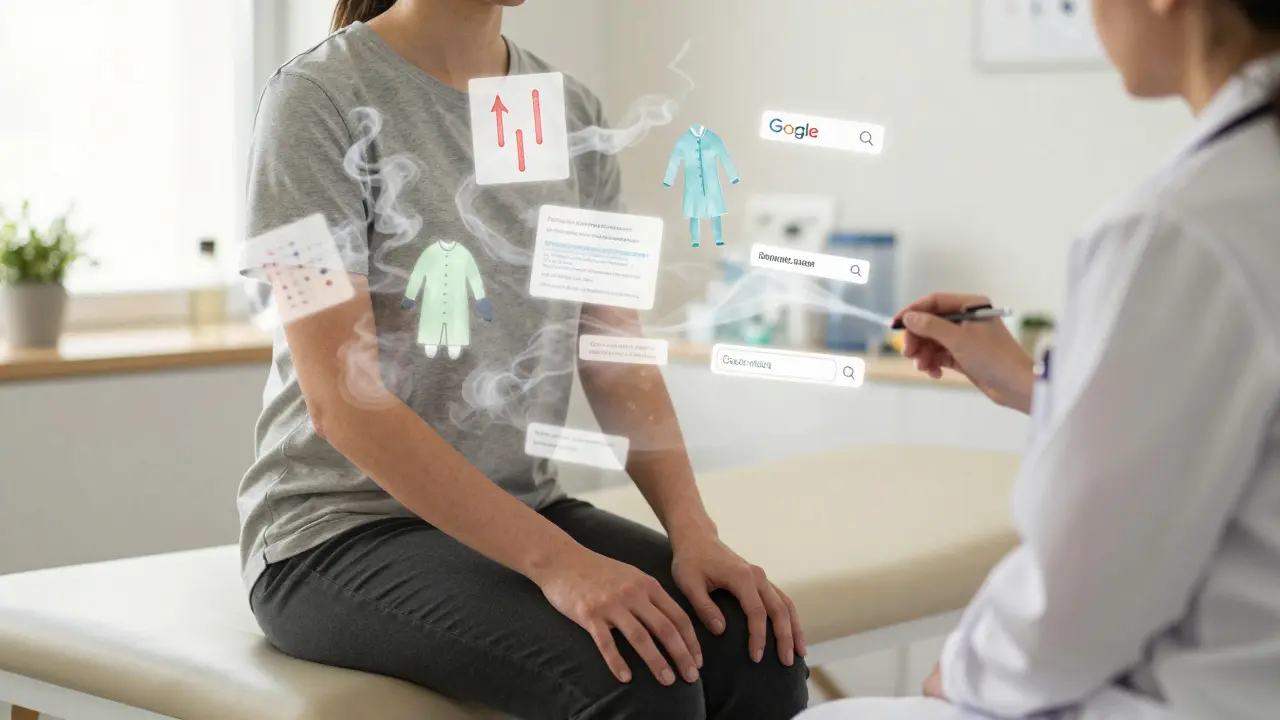
It’s tempting to think that more tests = more safety. But for people with health anxiety, each visit to the doctor often makes things worse.
Why? Because:
- Normal test results don’t calm the fear - they just make you question the test’s accuracy.
- Waiting for results becomes a nightmare. Every second feels like a countdown.
- Doctors may unintentionally reinforce the anxiety by ordering unnecessary scans or referrals.
- Some patients end up seeing 10+ specialists in a year - each one adding a new layer of fear.
A 2024 analysis of 12,000 patient records found that those with health anxiety used 3x more emergency room visits and 5x more imaging scans than the general population - and still reported higher levels of distress.
Physical Consequences You Can’t Ignore
It’s not just discomfort. Long-term health anxiety is linked to serious physical damage:
- High blood pressure: Constant stress hormones raise your BP over time, increasing heart disease risk.
- Chronic inflammation: Cortisol and adrenaline trigger low-grade inflammation, which is tied to arthritis, diabetes, and even cancer.
- Weight changes: Some people lose weight from nausea and appetite loss. Others gain it from stress-eating or inactivity.
- Sexual dysfunction: Anxiety shuts down the parasympathetic nervous system - the one responsible for arousal and relaxation.
- Reduced lifespan: A 2021 study in The Lancet found that people with severe health anxiety had a 20% higher risk of premature death - mostly from cardiovascular causes.
These aren’t "in your head." They’re real, measurable changes in your biology.
Breaking the Cycle
Medication alone won’t fix this. Neither will endless testing. The real solution is retraining your brain.
Here’s what actually works:
- Cognitive Behavioral Therapy (CBT): This is the gold standard. CBT teaches you to spot anxious thoughts, challenge them, and replace them with evidence-based ones. Studies show 70% of patients see major improvement within 12 weeks.
- Exposure therapy: Gradually facing feared symptoms - like letting your heart race without checking for a pulse - helps your brain learn: "This isn’t dangerous."
- Limiting internet searches: One study found that cutting health-related Google searches to once a week reduced anxiety symptoms by 60% in 3 months.
- Body awareness without judgment: Instead of scanning for "signs," practice noticing sensations neutrally: "My chest feels tight. Okay. It’s not going to kill me."
- Regular movement: Walking, yoga, or even stretching lowers cortisol and resets your nervous system. You don’t need to run a marathon - just move daily.
Many people don’t realize that health anxiety is treatable. It doesn’t have to be your life.
What to Do If You Recognize Yourself
If this sounds familiar, start here:
- Write down your anxious thoughts. Not to fix them - just to see how often they repeat.
- Set a 10-minute daily limit on health research. Use a timer.
- Find a therapist who specializes in anxiety disorders. Ask: "Do you use CBT for illness anxiety?"
- Stop seeking reassurance. That includes asking friends, checking symptoms online, or calling your doctor for "just one more check."
- Track your physical symptoms without labeling them. Just note: "Tight chest. 3 p.m."
Healing isn’t about becoming fearless. It’s about learning to live with uncertainty - and realizing that your body is not your enemy.
Can health anxiety cause real physical symptoms?
Yes. Health anxiety doesn’t just feel real - it creates real physical changes. Chronic stress from constant worry triggers muscle tension, digestive issues, elevated heart rate, weakened immunity, and even inflammation. These aren’t imaginary. They’re biological responses to prolonged fear. Many people with health anxiety develop IBS, chronic headaches, or high blood pressure - not because they have a hidden disease, but because their nervous system is stuck in overdrive.
Is health anxiety the same as being a hypochondriac?
The term "hypochondriac" is outdated and stigmatizing. The clinical term now is "illness anxiety disorder," which is part of the anxiety disorders family. It’s not about being "crazy" or "overdramatic." It’s a genuine neurological pattern where the brain misreads normal bodily signals as threats. People with this condition aren’t faking it - they’re trapped in a cycle of fear that feels terrifyingly real.
How do I know if I have health anxiety or a real medical problem?
If you’ve had multiple clear medical tests and still can’t stop worrying, it’s likely health anxiety. Real medical problems usually come with consistent, progressive symptoms that respond to treatment. Health anxiety symptoms shift, change location, and don’t improve with medical care. A key sign: if you feel better after a doctor says you’re fine - but then panic again a week later over a new sensation - that’s a classic pattern of anxiety.
Can health anxiety lead to other mental health issues?
Absolutely. People with health anxiety are 3x more likely to develop depression, panic disorder, or obsessive-compulsive behaviors. The constant mental exhaustion, social isolation, and loss of trust in your own body can erode your overall mental well-being. It often coexists with generalized anxiety disorder or social anxiety - especially if you avoid doctors, hospitals, or even social events out of fear of getting sick.
What’s the best treatment for health anxiety?
Cognitive Behavioral Therapy (CBT) is the most effective treatment, backed by over 20 clinical trials. It helps you identify distorted thoughts, reduce compulsive checking, and tolerate uncertainty. Medications like SSRIs can help too - especially if depression is also present. But therapy is the core. Many people see major improvement in 8-12 weeks. Support groups and mindfulness practices can help, but they’re not enough on their own.
If you’re reading this and thinking, "This is me," know this: you’re not broken. You’re not alone. And you don’t have to live like this forever. Healing starts with one step - recognizing that your fear is a signal, not a sentence.