Health Juice Sugar Calculator
Calculate Your Juice Balance
Determine the perfect ratio of vegetables to low-sugar fruits for effective weight management.
Recommended Ingredients
For a balanced, low-sugar health juice
Want to lose weight without counting calories, skipping meals, or feeling hungry all day? Many people turn to health juice-not as a magic fix, but as a simple, real way to reset their eating habits and support their body’s natural ability to shed extra pounds. It’s not about drinking green sludge for a week and hoping for results. It’s about making smart, consistent choices that help your body function better, feel lighter, and naturally move toward a healthier weight.
What Exactly Is Health Juice?
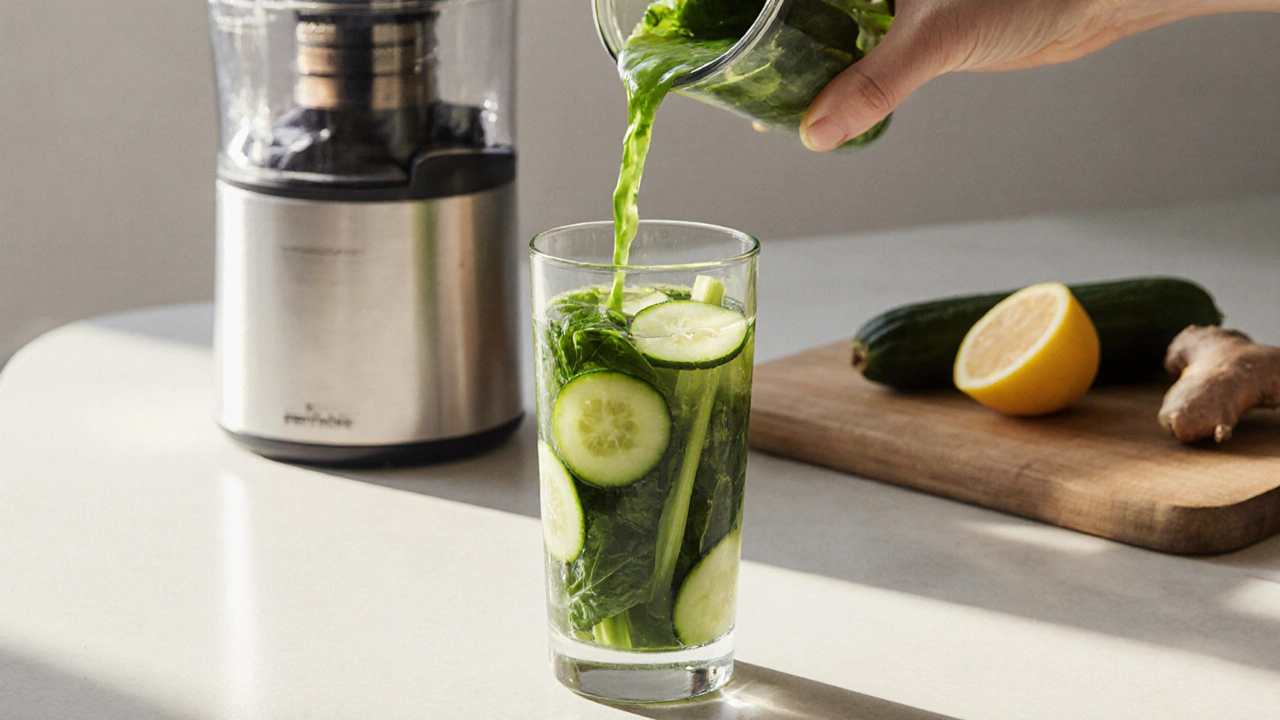
Health juice isn’t the sugary fruit blends you find in grocery stores labeled as "100% juice." Those often have as much sugar as soda. Real health juice is made from vegetables, low-sugar fruits, herbs, and sometimes spices-blended or cold-pressed to keep nutrients intact. Think cucumber, celery, kale, spinach, lemon, ginger, and a touch of apple for balance. The goal isn’t to sweeten it up, but to pack in fiber, water, vitamins, and antioxidants without the empty calories.
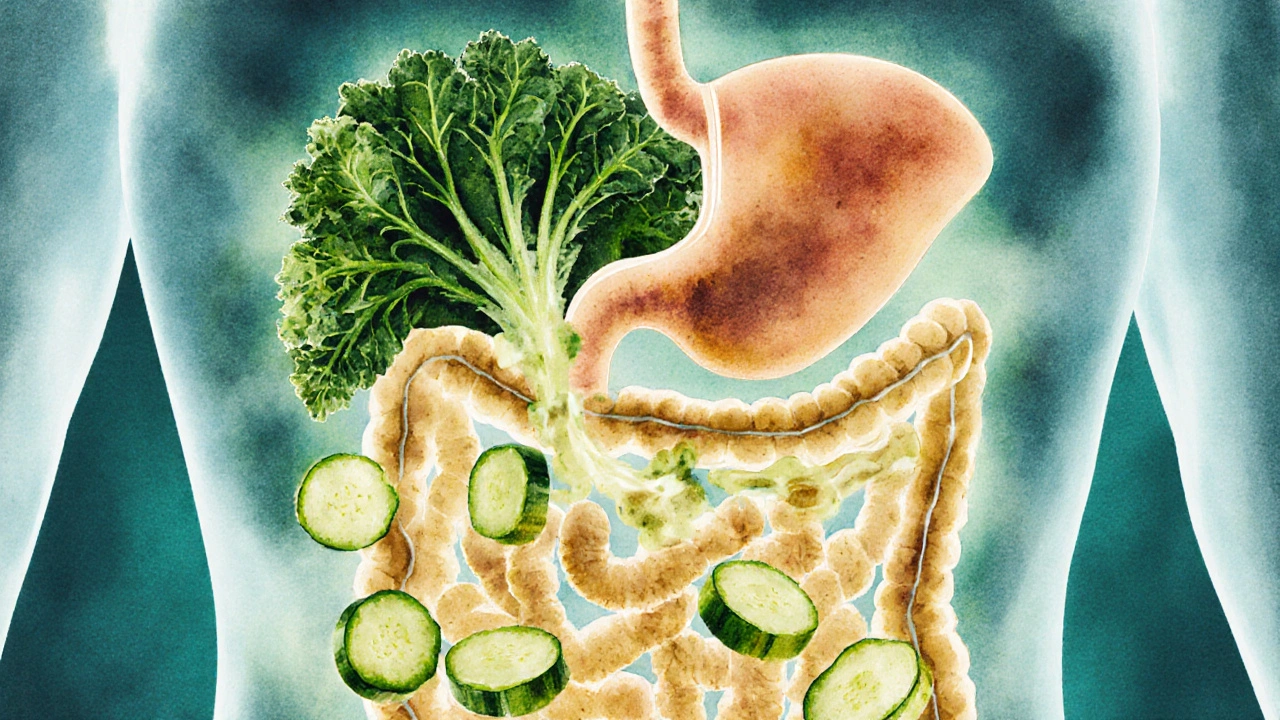
Unlike smoothies, which keep the pulp and fiber, health juice removes most of the fiber. That means your body absorbs nutrients faster, giving your digestive system a break. This isn’t a bad thing if you’re using it as part of a balanced routine. It’s like giving your gut a short vacation so it can focus on healing and detoxifying instead of constantly digesting heavy meals.
Why Health Juice Works for Weight Management
When you drink a 16-ounce glass of vegetable-based health juice in the morning, you’re not just hydrating-you’re flooding your system with nutrients that help regulate hunger hormones. Studies show that people who start their day with a nutrient-dense, low-sugar beverage tend to eat fewer calories throughout the day. One 2023 study from the Journal of Nutrition and Metabolism found that participants who replaced their morning snack with a green vegetable juice consumed an average of 230 fewer calories by lunchtime.
Here’s how it actually works in your body:
- Reduces cravings: Nutrient-dense juices help stabilize blood sugar. No spikes, no crashes. That means fewer urges to grab cookies or chips.
- Boosts metabolism: Ingredients like ginger, lemon, and green tea extract in your juice can mildly increase thermogenesis-the process where your body burns calories to produce heat.
- Supports liver function: Your liver is your main detox organ. When it’s overloaded with processed foods and sugar, it can’t efficiently burn fat. Leafy greens and cruciferous veggies like kale and broccoli contain compounds that help your liver flush out toxins.
- Increases hydration: Dehydration is often mistaken for hunger. Drinking juice (which is mostly water) helps you stay full longer and reduces false hunger signals.
It’s not the juice itself that melts fat. It’s what the juice enables: better digestion, fewer cravings, and more energy to move.
What to Put in Your Health Juice
Not all juices are created equal. A juice with 3 apples and 1 carrot might taste sweet, but it’s loaded with sugar and lacks the nutrients you actually need for weight management. Here’s a simple formula that works:
- 70% vegetables: Celery, cucumber, spinach, kale, romaine, fennel, parsley, beet greens.
- 20% low-sugar fruits: Green apple, lemon, lime, berries (half a cup max).
- 10% flavor boosters: Ginger, turmeric, mint, cilantro, a pinch of cayenne.
Example recipe: 2 stalks celery, 1 cucumber, 1 cup spinach, half a green apple, 1-inch ginger, juice of half a lemon. Blend or cold-press. Drink immediately.
Don’t overdo the fruit. Even natural sugars add up. One apple has about 19 grams of sugar. Two apples in a juice? That’s nearly 40 grams-more than a can of soda. Stick to one small fruit per batch, and let the veggies do the heavy lifting.
When and How to Drink It
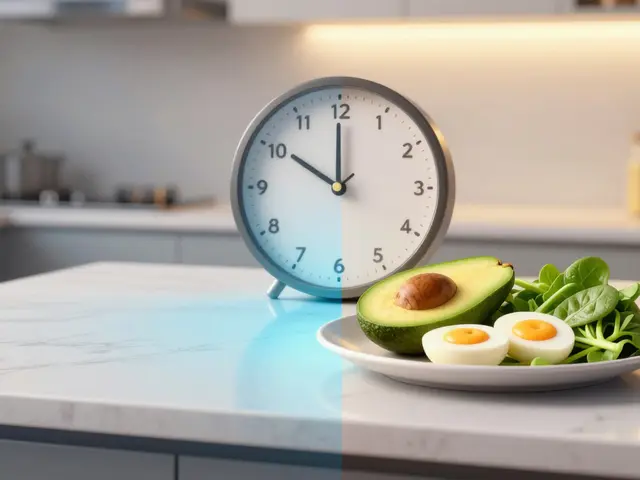
Timing matters. Drinking juice on an empty stomach-first thing in the morning-is the most effective way to absorb nutrients. Your body can use them right away instead of competing with digesting a heavy breakfast.
Here’s a realistic daily plan:
- Start your day with 16 oz of vegetable-based health juice.
- Wait 30 minutes, then eat a protein-rich breakfast-eggs, Greek yogurt, or tofu.
- Have another small juice (8 oz) mid-afternoon if you feel sluggish or crave snacks.
- Don’t replace meals with juice unless you’re doing a short-term cleanse (and even then, only for 1-3 days).
Some people try juice fasting for weight loss. That’s risky. Your body needs protein and healthy fats to function. Long-term juice-only diets can lead to muscle loss, fatigue, and nutrient deficiencies. Use juice as a tool, not a replacement.
What to Avoid
There are a few traps that make health juice ineffective-or even counterproductive:
- Store-bought "healthy" juices: Most are pasteurized, stripped of nutrients, and loaded with added sugar or fruit concentrate. Always read the label. If sugar is listed before the vegetables, put it back.
- Adding honey or agave: These are still sugars. They spike insulin and block fat burning. If it’s too bitter, add more cucumber or celery instead.
- Drinking it too slowly: Juice loses nutrients fast when exposed to air. Drink it within 20 minutes of making it. If you must store it, use an airtight glass jar and keep it cold-but don’t keep it longer than 24 hours.
- Expecting instant results: You won’t lose 10 pounds in a week. Real change happens over weeks and months. Consistency beats intensity.
Real People, Real Results
Take Maria, 42, who struggled with weight gain after menopause. She tried diets, workouts, even supplements-but nothing stuck. She started drinking a green juice every morning, swapped her afternoon candy bar for a small juice, and ate more vegetables at dinner. In three months, she lost 14 pounds without changing her exercise routine. She didn’t feel deprived. She just felt better.
Or James, 38, who worked long hours and ate takeout daily. He began replacing his 3 p.m. soda with a 12-ounce juice made of cucumber, lemon, and mint. Within two weeks, his afternoon energy crashes disappeared. After four months, he dropped 11 pounds and stopped needing coffee to get through the day.
These aren’t miracles. They’re simple shifts that add up.
Pairing Juice With Other Habits
Health juice works best when it’s part of a bigger picture. Here’s how to make it stick:
- Drink water: Aim for half your body weight in ounces daily. Juice helps, but plain water is still your best friend.
- Eat whole foods: Fill half your plate with vegetables at every meal. Juice complements this-it doesn’t replace it.
- Move your body: Even a 20-minute walk after dinner helps your metabolism and digestion.
- Sleep well: Poor sleep increases cortisol, which drives belly fat. Aim for 7-8 hours.
There’s no secret formula. Just consistency. Drink your juice. Eat real food. Move. Rest. Repeat.

How Long Until You See Results?
Most people notice changes in energy and digestion within 3-5 days. Reduced bloating, clearer skin, less afternoon fatigue. Weight loss, if it happens, usually starts after 2-3 weeks. Don’t weigh yourself daily. Weekly weigh-ins are enough. Focus on how your clothes fit and how you feel.
Some people lose 1-2 pounds per week. That’s healthy, sustainable loss. Faster than that, and you’re likely losing water or muscle-not fat.
Who Should Avoid Health Juice?
Health juice is safe for most people. But if you have:
- Diabetes or insulin resistance-monitor blood sugar closely. Even vegetable juices can affect glucose levels.
- Kidney disease-some greens like spinach are high in oxalates. Talk to your doctor before drinking large amounts.
- Thyroid issues-cruciferous vegetables like kale and broccoli can interfere with iodine absorption if eaten raw in huge quantities. Cooking them reduces this risk.
If you’re on blood thinners, avoid large amounts of kale or spinach, as they’re high in vitamin K, which affects clotting.
Always check with your doctor if you have a chronic condition before making big changes to your diet.
Final Thought: It’s Not About the Juice
Health juice isn’t the hero of weight management. It’s the sidekick. The real hero is your daily pattern: choosing whole foods over processed ones, moving your body, sleeping well, and listening to your hunger cues.
But if you’re tired of diets that leave you hungry and frustrated, starting your day with a glass of fresh, veggie-based juice is one of the easiest, most natural ways to get back on track. It’s not about perfection. It’s about showing up. One glass at a time.
Can health juice help me lose belly fat?
Health juice alone won’t target belly fat. Fat loss happens across your whole body, not just one area. But by reducing sugar intake, lowering inflammation, and improving digestion, vegetable-based juices can help create the conditions your body needs to burn stored fat-including around your midsection. Combine it with strength training and enough protein, and you’ll see better results.
Is it better to juice or blend?
Juicing removes fiber, which gives your digestive system a break and lets nutrients absorb faster. Blending keeps fiber, which helps with fullness and blood sugar control. For weight management, blending is better for daily use because fiber keeps you satisfied longer. Juicing is great for short-term resets or if you have digestion issues. Use both depending on your goals.
How often should I drink health juice?
Once a day is enough for most people. Drinking more than two servings daily can lead to too much oxalate (from greens) or too much sugar (if you’re adding fruit). If you’re using it as a meal replacement, limit it to once a day and make sure your other meals include protein and healthy fats. Consistency over frequency is what matters.
Can I use a regular blender to make health juice?
Yes, but you’ll need to strain it. A regular blender will chop everything up, including the pulp. To get true juice, pour the blended mixture through a nut milk bag or fine mesh strainer. It takes a little extra time, but it works. Cold-press juicers are more efficient, but not necessary.
Will health juice make me poop more?
Yes, and that’s normal. Vegetables are high in water and nutrients that stimulate digestion. You might notice more frequent bowel movements, especially when you first start. This isn’t a laxative effect-it’s your body clearing out built-up waste and improving gut motility. If you feel crampy or dizzy, cut back and drink more water.