Forget the latest detox tea or the celebrity fasting protocol you saw on social media. Real health doesn't come from a quick fix; it comes from what you put on your plate every single day. A healthy diet is not about restriction or deprivation. It is the biological fuel that powers your cells, sharpens your mind, and protects your heart. If you treat food as medicine rather than just entertainment for your taste buds, everything else in your life tends to fall into place.
We often think of dieting as a temporary state-a few weeks of salads followed by a return to old habits. But sustainable health requires a permanent shift in perspective. This guide breaks down exactly what constitutes a truly healthy diet, why your body craves specific nutrients, and how to build a routine that sticks without feeling like a chore.
The Core Pillars of Nutritional Balance
To understand what makes a diet "healthy," we need to look at the building blocks. Your body is a complex machine, and it runs on four primary types of fuel: carbohydrates, proteins, fats, and micronutrients (vitamins and minerals). The goal isn't to eliminate any of these groups but to optimize their quality and ratio.
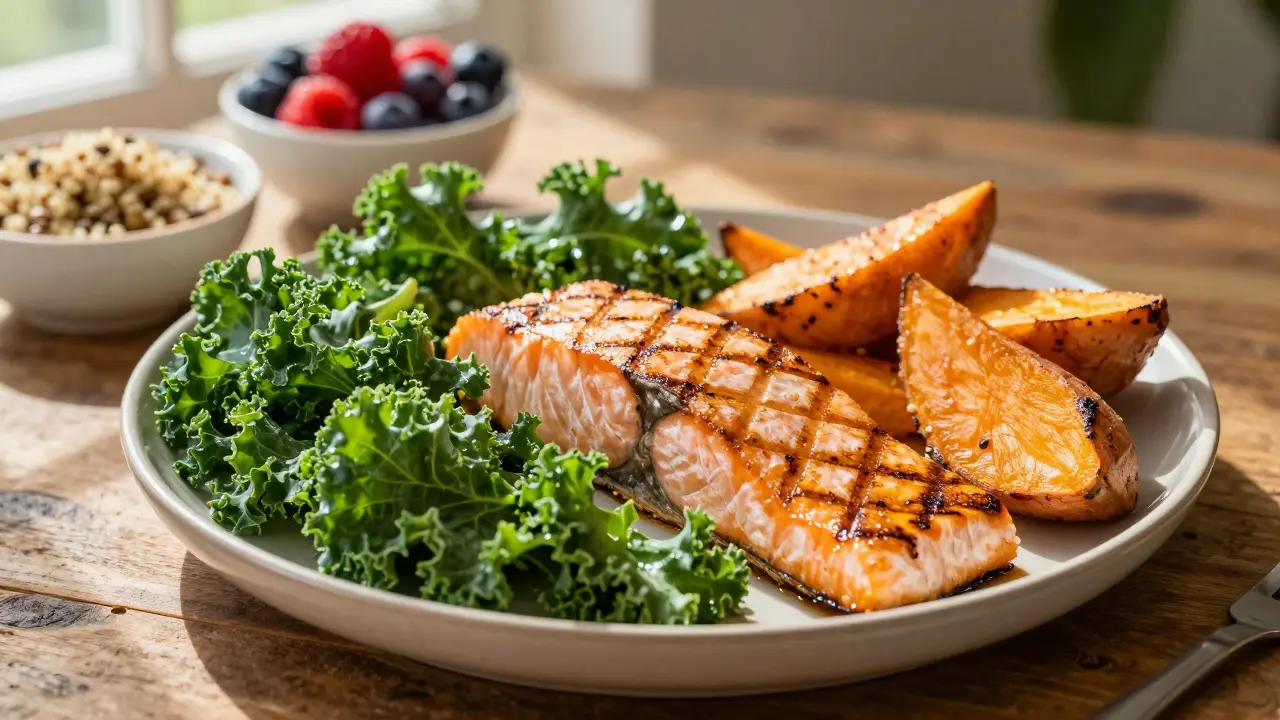
Most people get carbohydrates wrong. We tend to associate them with white bread, pasta, and sugar. However, your brain and muscles prefer slow-burning energy sources. Complex carbohydrates found in oats, quinoa, and sweet potatoes provide steady energy without the subsequent crash. These foods are rich in fiber, which acts like a broom for your digestive tract, sweeping out toxins and feeding the good bacteria in your gut.
Protein is the structural material of your body. It builds muscle, repairs tissue, and creates enzymes. You don't need to be a bodybuilder to prioritize protein, but you do need enough to maintain metabolic health. High-quality sources include lean poultry, fish, eggs, and plant-based options like lentils and tofu. Aim to include a palm-sized portion of protein at every meal to keep you satiated longer.
Fat gets a bad reputation, but it is essential for hormone production and brain function. The key is choosing unsaturated fats over saturated and trans fats. Think avocados, olive oil, nuts, and seeds. These fats reduce inflammation and support cardiovascular health. When you swap butter for olive oil or chips for almonds, you are actively lowering your risk of chronic disease.
Whole Foods vs. Processed Options
The simplest rule of thumb for a healthy diet is this: eat real food. If it came from the ground, the sea, or an animal, it’s likely a whole food. If it came in a box with a barcode and a list of ingredients you can’t pronounce, it’s processed.
Ultra-processed foods are engineered to be hyper-palatable. They combine high levels of salt, sugar, and fat to trigger reward centers in your brain, making it hard to stop eating them. These foods are also nutrient-poor. You might consume 500 calories of potato chips, but you get almost no vitamins, minerals, or fiber in return. In contrast, 500 calories of mixed vegetables, lean meat, and rice provides a spectrum of nutrients that support immune function, skin health, and energy levels.
Here is a quick comparison to help you make better choices:
| Feature | Whole Foods | Ultra-Processed Foods |
|---|---|---|
| Nutrient Density | High (rich in vitamins/minerals) | Low (empty calories) |
| Fiber Content | Naturally high | Often stripped away |
| Satiety | Keeps you full for hours | Leads to cravings shortly after |
| Ingredient List | One ingredient (e.g., apple) | Long list of additives/preservatives |
| Impact on Blood Sugar | Stable release | Rapid spikes and crashes |
Transitioning to whole foods doesn't have to happen overnight. Start by replacing one processed snack per day with a whole-food alternative. Swap soda for sparkling water with lemon, or replace candy bars with a handful of berries and dark chocolate. Small shifts compound over time.
The Gut-Brain Connection
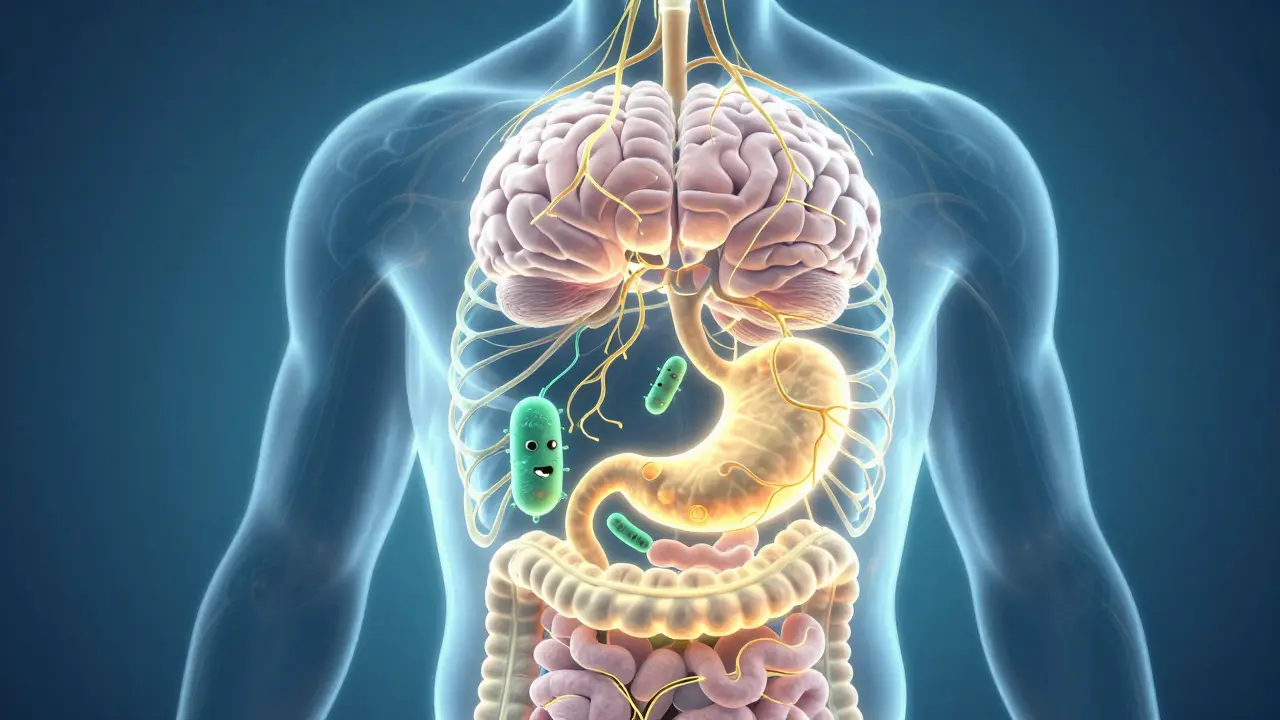
You’ve probably heard that your gut is your "second brain." This isn’t just a catchy phrase; it’s science. Your gastrointestinal tract houses trillions of microorganisms known as the microbiome. These bacteria play a crucial role in digestion, immunity, and even mental health.
A healthy diet supports a diverse microbiome. Diversity is key because different bacteria perform different functions. To feed these beneficial microbes, you need prebiotic fibers found in garlic, onions, bananas, and asparagus. You also need probiotics, which are live bacteria found in fermented foods like yogurt, kefir, sauerkraut, and kimchi.
When your gut is inflamed due to a diet high in sugar and processed oils, it can lead to leaky gut syndrome, where toxins escape into the bloodstream. This triggers systemic inflammation, which is linked to conditions ranging from arthritis to depression. By prioritizing fiber-rich plants and fermented foods, you are literally building a stronger defense system from the inside out.
Hydration: The Overlooked Essential
No discussion of a healthy diet is complete without mentioning water. Many people mistake thirst for hunger, leading to unnecessary snacking. Water is involved in nearly every bodily function, including temperature regulation, joint lubrication, and nutrient transport.
How much should you drink? The old advice of eight glasses a day is a decent baseline, but individual needs vary based on activity level, climate, and body size. A good indicator is the color of your urine: pale yellow means you’re well-hydrated, while dark yellow suggests you need more fluids.
If plain water tastes boring, infuse it with natural flavors. Add slices of cucumber, mint leaves, or citrus fruits. Avoid sugary drinks like sodas and fruit juices, which can spike blood sugar levels rapidly. Even "healthy" smoothies can contain massive amounts of sugar if they’re made with too much fruit and not enough fiber or protein. Stick to water, herbal teas, and black coffee as your primary beverages.
Practical Strategies for Sustainable Eating
Knowing what to eat is only half the battle. The other half is actually doing it consistently. Here are some practical strategies to make a healthy diet fit into your busy life.
- Meal Prep Doesn’t Have to Be Perfect: You don’t need to cook all week on Sunday. Just prep components. Wash and chop vegetables, cook a batch of grains, and hard-boil some eggs. Having ready-to-eat ingredients reduces the temptation to order takeout when you’re tired.
- The Plate Method: Visualize your plate. Fill half with non-starchy vegetables (leafy greens, broccoli, peppers), one-quarter with lean protein, and one-quarter with complex carbohydrates. This simple visual cue ensures balance without counting calories.
- Eat Mindfully: Put down your phone and turn off the TV while eating. Pay attention to the taste, texture, and smell of your food. It takes about 20 minutes for your brain to register fullness. Eating slowly helps prevent overeating.
- Don’t Shop Hungry: Always go to the grocery store with a list and a full stomach. Shopping hungry leads to impulse buys of unhealthy snacks. Stick to the perimeter of the store, where fresh produce, meats, and dairy are usually located.
- Allow Flexibility: Perfection is the enemy of progress. If you indulge in a slice of pizza or a dessert, don’t guilt-trip yourself. One meal won’t ruin your health, just as one salad won’t make you perfect. Get back on track with the next meal.

Common Pitfalls to Avoid
Even well-intentioned people fall into traps that undermine their dietary efforts. Recognizing these pitfalls can save you from frustration and failure.
The All-or-Nothing Mentality: Many people believe that if they slip up once, they’ve failed completely. This mindset leads to binge eating and abandonment of healthy habits. Remember, consistency beats intensity. Missing one workout or eating one less-than-ideal meal is negligible in the grand scheme of your health journey.
Ignoring Hunger Cues: Skipping meals to "save calories" often backfires. When you starve yourself, your metabolism slows down, and your body stores fat more efficiently when you finally do eat. Regular, balanced meals keep your metabolism humming and prevent extreme hunger later.
Focusing Only on Weight: While weight loss is a common goal, it shouldn’t be the only metric of success. How do you feel? Do you have more energy? Is your sleep better? Are your lab results improving? These are better indicators of a healthy diet than the number on the scale.
Tailoring Your Diet to Your Lifestyle
There is no one-size-fits-all diet. What works for an athlete may not work for a sedentary office worker. Consider your activity level, health goals, and personal preferences when designing your diet.
If you are highly active, you may need more carbohydrates to fuel your workouts. If you have diabetes or insulin resistance, you might benefit from a lower-carb approach. If you are vegetarian or vegan, you need to pay extra attention to getting enough protein, iron, and vitamin B12 from plant sources.
Experiment and listen to your body. Keep a food journal to track not just what you eat, but how you feel afterward. Do certain foods give you energy? Do others make you sluggish or bloated? Use this data to refine your diet over time.
What are the top 5 foods for a healthy diet?
While variety is key, five powerhouse foods include leafy greens (like spinach and kale) for vitamins, fatty fish (like salmon) for omega-3s, berries for antioxidants, nuts/seeds for healthy fats, and legumes for fiber and protein. These foods offer high nutrient density with relatively low calorie counts.
Can I still enjoy treats on a healthy diet?
Absolutely. A healthy diet is not about perfection. The 80/20 rule is a great guideline: eat nutrient-dense whole foods 80% of the time, and allow yourself flexibility for treats 20% of the time. This prevents burnout and makes the diet sustainable long-term.
How does a healthy diet affect mental health?
Diet has a profound impact on mental health. High-sugar diets are linked to increased anxiety and depression. Conversely, diets rich in omega-3 fatty acids, antioxidants, and fiber support brain function and mood stability. The gut-brain axis means that what you eat directly influences your neurotransmitters.
Do I need to count calories to be healthy?
Not necessarily. Focusing on food quality and portion control using methods like the Plate Method is often more sustainable than strict calorie counting. Whole foods are naturally less calorie-dense and more filling, which helps regulate intake without obsessive tracking.
What is the best time to eat for optimal health?
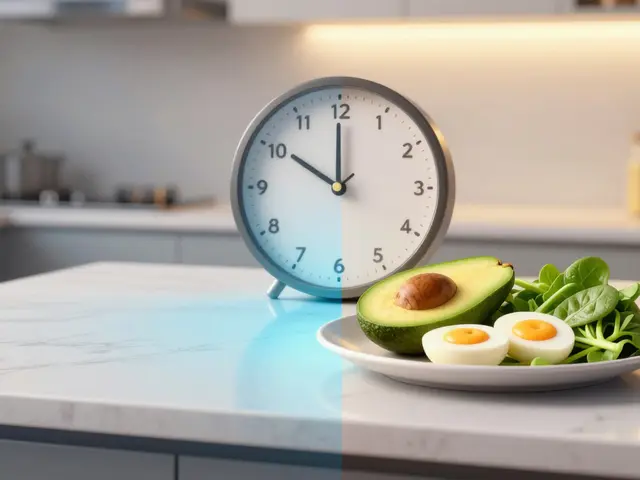
Consistency matters more than specific timing. However, eating regular meals throughout the day helps stabilize blood sugar. Some people benefit from intermittent fasting, but it’s not suitable for everyone. Listen to your body’s hunger cues and avoid eating large meals right before bed to improve sleep quality.