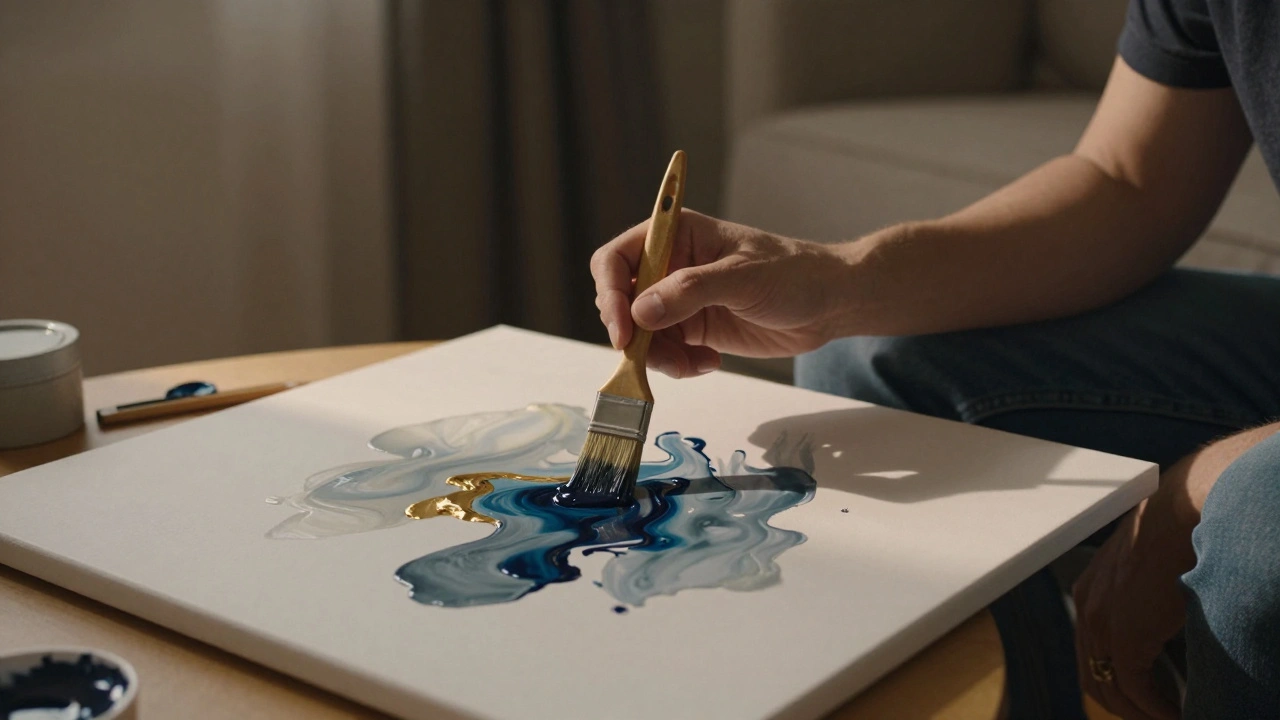
Ever felt like words just aren’t enough to explain how you’re feeling? Maybe you’ve sat in a therapist’s office, trying to describe anxiety that feels like a heavy blanket, or grief that doesn’t have a shape - and realized language fails you. That’s where creative arts therapies step in. They don’t ask you to talk your way through pain. They let you paint it, move it, drum it, or write it instead.
Creative arts therapies aren’t about becoming an artist, dancer, or musician. They’re about using those forms to process emotions, reduce stress, and rebuild a sense of self. Whether you’re dealing with trauma, depression, chronic illness, or just the quiet exhaustion of daily life, these therapies offer a different path - one that speaks through color, rhythm, and movement.
What Exactly Are Creative Arts Therapies?
Creative arts therapies combine psychology with artistic expression. They’re led by trained professionals who hold master’s degrees in fields like art therapy, music therapy, or dance/movement therapy. These aren’t hobby classes. They’re evidence-based clinical practices.
There are five main types:
- Art therapy - using drawing, painting, sculpting to explore feelings and memories.
- Music therapy - listening to, creating, or improvising music to regulate mood and connect emotionally.
- Dance/movement therapy - using body movement to express what words can’t, improve body awareness, and release tension.
- Expressive writing therapy - journaling, poetry, or storytelling to make sense of complex emotions.
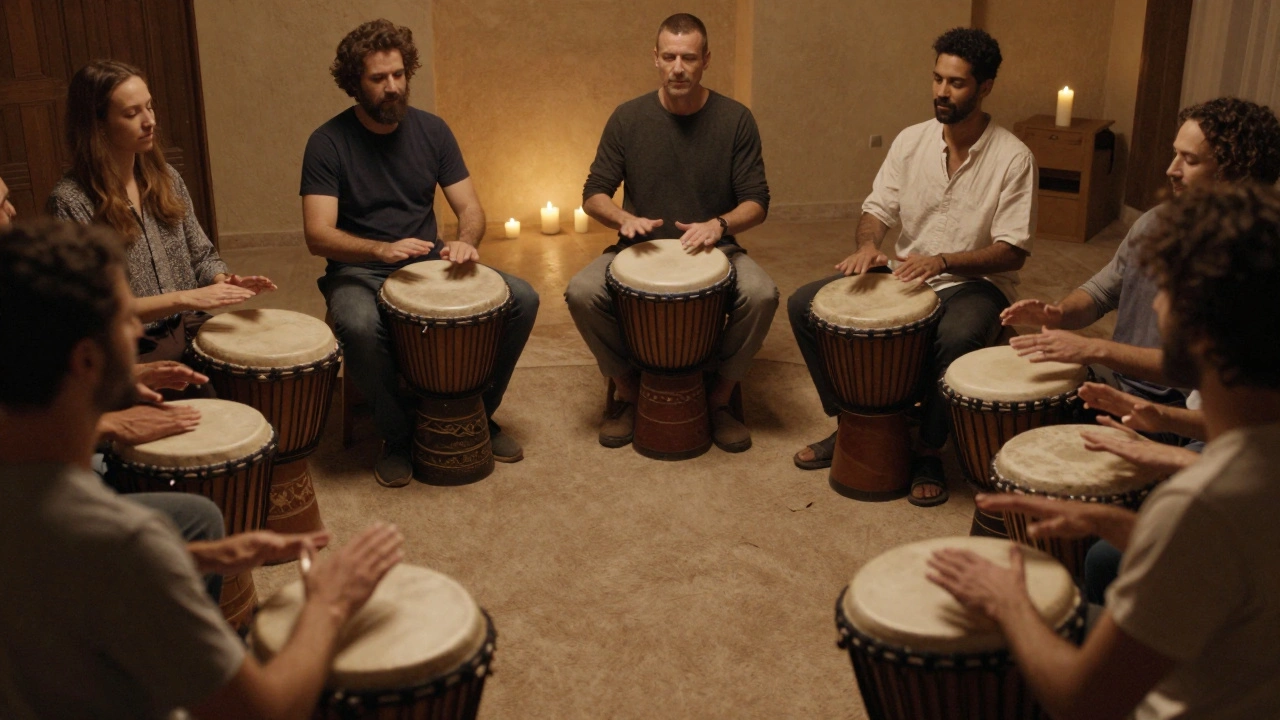
- Drumming therapy - group rhythm activities that build connection, reduce cortisol, and ground the nervous system.
Research shows these therapies help people with depression, PTSD, autism, dementia, and even cancer. A 2023 meta-analysis in the Journal of Clinical Psychology found that art therapy reduced anxiety symptoms in 78% of participants after just eight sessions. Music therapy improved emotional regulation in children with autism more than traditional talk therapy in a 2024 Australian trial.
Why It Works: The Science Behind the Brush and the Beat
When you’re stuck in your head, your brain gets stuck in survival mode. The prefrontal cortex - the part that thinks logically - shuts down under stress. That’s why talking about trauma can feel impossible. Creative arts therapies bypass that.
Painting or drumming activates the sensory and motor areas of the brain. It engages the right hemisphere, which handles emotion and imagery. At the same time, it lowers cortisol levels. One study from the University of Melbourne found that 45 minutes of free painting reduced cortisol by 42% in adults with chronic stress.
Music therapy works similarly. Rhythm entrains your heartbeat and breathing. Slow, steady drumming can slow your nervous system down - a process called neuroentrainment. Dance moves release endorphins and help reconnect you with your body after trauma or numbness.
It’s not magic. It’s neuroscience. Your body remembers what your mind tries to forget. Creative expression gives that memory a safe way to surface.
How to Get Started: Step by Step
Getting started doesn’t require a studio, expensive supplies, or talent. Here’s how to begin:
- Identify your goal. Are you trying to reduce anxiety? Process grief? Reconnect with joy? Write it down. It doesn’t have to be perfect - just honest.
- Choose your medium. Start with what feels least intimidating. If you’ve never drawn since school, maybe music or writing feels safer. If you’ve always loved to move, try dance. No pressure to be good - only to be present.
- Find a qualified therapist. Look for someone with a master’s degree in a creative arts therapy field and certification from a recognized body like the Australian Music Therapy Association or Australian Art Therapy Association. You can search their directories online.
- Try a group or individual session. Group settings build connection; individual sessions offer deeper privacy. Many hospitals, community health centers, and private practices offer low-cost or sliding-scale options.
- Practice at home. After a session, try simple exercises: draw how you feel today with one color. Hum a tune that matches your mood. Write three sentences without editing. Keep it short. Five minutes counts.
One woman in Melbourne, recovering from a car accident, started with five minutes of drumming every morning. She didn’t know how to play. She just hit a pot with a wooden spoon. Within weeks, she said she felt more grounded than she had in years.
What to Expect in Your First Session
Your first session won’t be like a typical therapy appointment. There’s no couch. No clipboard. The therapist might hand you clay, a set of paints, or a drum. They’ll say something like: “Just let your hands move. No right or wrong.”
You might feel awkward. That’s normal. You might cry. That’s okay. You might laugh. That’s healing too.
The therapist won’t interpret your art. They won’t say, “This painting means you’re angry.” Instead, they’ll ask: “What did you notice while you were making this?” or “How does this color feel in your body?”
It’s about your experience - not their analysis. You’re the expert on your own feelings.
Common Myths - and the Truth
There are a lot of misconceptions about creative arts therapies.
- Myth: You need to be artistic. Truth: You need to be willing to try. A scribble is as valid as a masterpiece.
- Myth: It’s only for kids or people with severe mental illness. Truth: It works for anyone who’s ever felt overwhelmed, stuck, or disconnected - which is almost everyone.
- Myth: It’s just a distraction. Truth: It’s a deep, neurological reset. Studies show it changes brainwave patterns.
- Myth: It’s not real therapy. Truth: It’s regulated, research-backed, and used in hospitals from Melbourne to Toronto.
Where to Find Help in Australia
You don’t have to search alone. Many public health services include creative arts therapies:
- Most major hospitals in Melbourne, Sydney, and Brisbane have art or music therapy programs for cancer patients, PTSD, and dementia.
- Nonprofits like Arts in Health and Music Therapy Australia offer subsidized sessions.
- Some NDIS plans cover creative arts therapies for people with disability.
- Community centers often run low-cost group programs - check your local council website.
Don’t wait for a crisis. Many people start after a breakup, job loss, or burnout. Others begin because they feel something’s missing - a quiet sense that life has lost its color. That’s enough reason.
What to Bring (and What to Leave Behind)
You don’t need special clothes, tools, or skills. Just show up as you are.
Bring:
- Openness - even a little.
- Comfortable clothes you can move in.
- A notebook if you want to jot down thoughts after.
Leave behind:
- Perfectionism.
- The need to explain yourself.
- The idea that this is “weird” or “silly.”
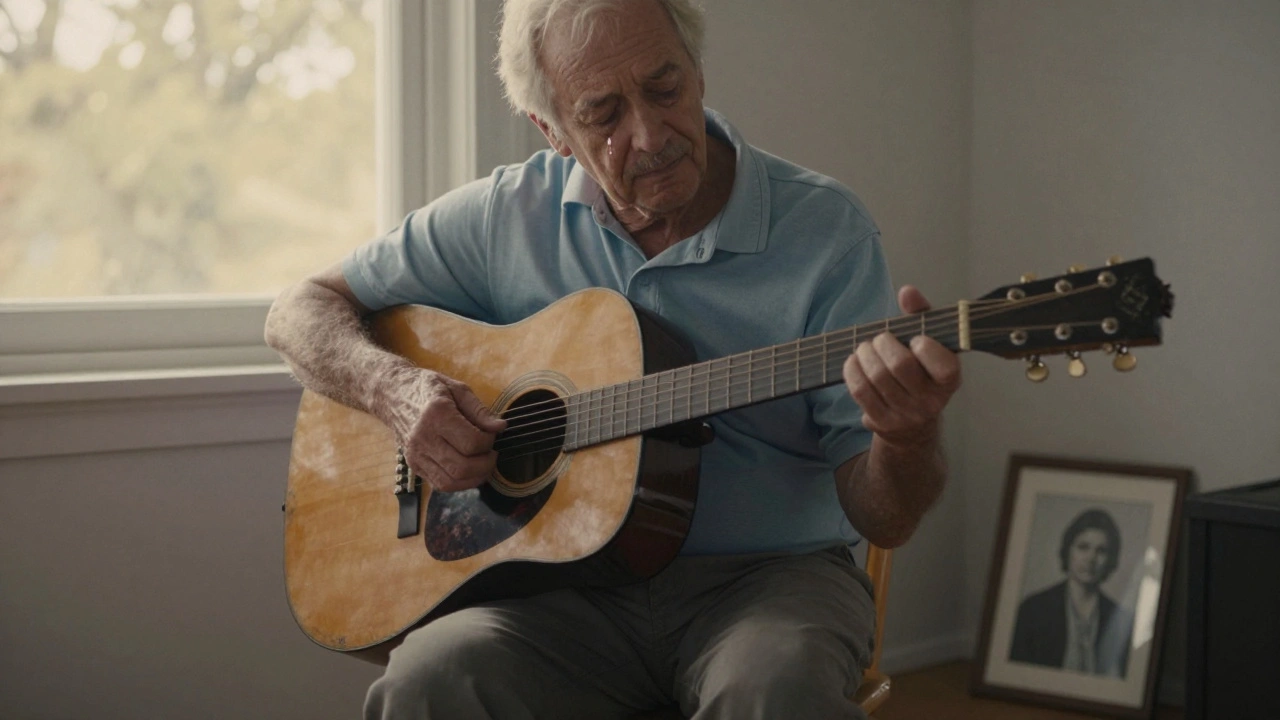
One man in his 60s, grieving his wife, came to a music therapy group thinking it was nonsense. He brought his old guitar. He didn’t play a single note for three weeks. Then, one day, he strummed a single chord - and cried for ten minutes. He kept coming back. He said that chord was the first time he felt her near him again.
Is This for You?
If you’ve ever:
- Written a letter you never sent
- Hummed a tune when you were upset
- Drawn shapes while on a phone call
- Lost track of time dancing in your kitchen
Then you’ve already touched the edge of creative arts therapy. You didn’t need a therapist to know it helped. You just knew.
These therapies don’t fix you. They help you remember who you are beneath the pain, the noise, the expectations. They give your feelings space to breathe - without words.
You don’t have to be broken to try this. You just have to be ready to feel again.
Do I need any art skills to start creative arts therapy?
No. Creative arts therapy isn’t about making art that looks good. It’s about using art to express what’s inside. A scribble, a hum, a clumsy dance step - all of it counts. The focus is on your experience, not the final product.
Can creative arts therapies replace traditional talk therapy?
They can complement it - and sometimes replace it, depending on your needs. For people who struggle to talk about trauma, art or music therapy can be the entry point. Some people use both: art therapy to explore emotions, then talk therapy to process them. Your therapist will help you decide what works best.
Is creative arts therapy covered by Medicare or NDIS?
Medicare doesn’t currently cover creative arts therapies directly. But if you have an NDIS plan and your goals include emotional regulation or social connection, you may be able to use your funding for these services. Some community health centers also offer subsidized or free sessions - ask about sliding-scale options.
How long does it take to see results?
Some people feel a shift after one session - a sense of relief, calm, or release. For lasting change, most people attend 6-12 sessions. Like physical therapy, it’s about consistency. Even one session a week can make a difference over time.
Can I do creative arts therapy at home?
Yes - but not as a replacement for professional therapy if you’re dealing with trauma or mental health conditions. At home, you can try simple practices: journaling for 5 minutes, drumming on a pillow, painting with watercolors, or moving your body to music. These aren’t therapy - but they’re powerful self-care tools that build the same skills.
If you’re curious, start small. Grab a pen. Scribble. Then ask yourself: What did that feel like? That’s the first step.