You want a smoothie that keeps you full till lunch, not a sugar rush that has you hunting snacks by 10 a.m. Here’s the simple system I use in my own kitchen (yes, often with my German Shepherd thumping his tail and my Siamese cat supervising). No fancy gear, no supplements you can’t pronounce-just a smart formula that works on busy mornings in steamy Orlando or anywhere else.
- TL;DR: Use a 5-part formula: 1-2 cups veggies + 1 cup low-sugar fruit + 20-30 g protein + 1 tbsp healthy fat + fiber booster, then 8-12 oz unsweetened liquid.
- Targets to hit: 300-500 calories, 20-30 g protein, 8-10 g fiber, little to no added sugar.
- Skip juice. Frozen fruit gives creaminess and chill without watering down.
- For steady energy, pair carbs with protein, fiber, and fat. This slows digestion and helps avoid sugar spikes.
- Meal prep by making freezer packs or blending the night before; store sealed and cold.
The 5-Part Formula for a Balanced Smoothie
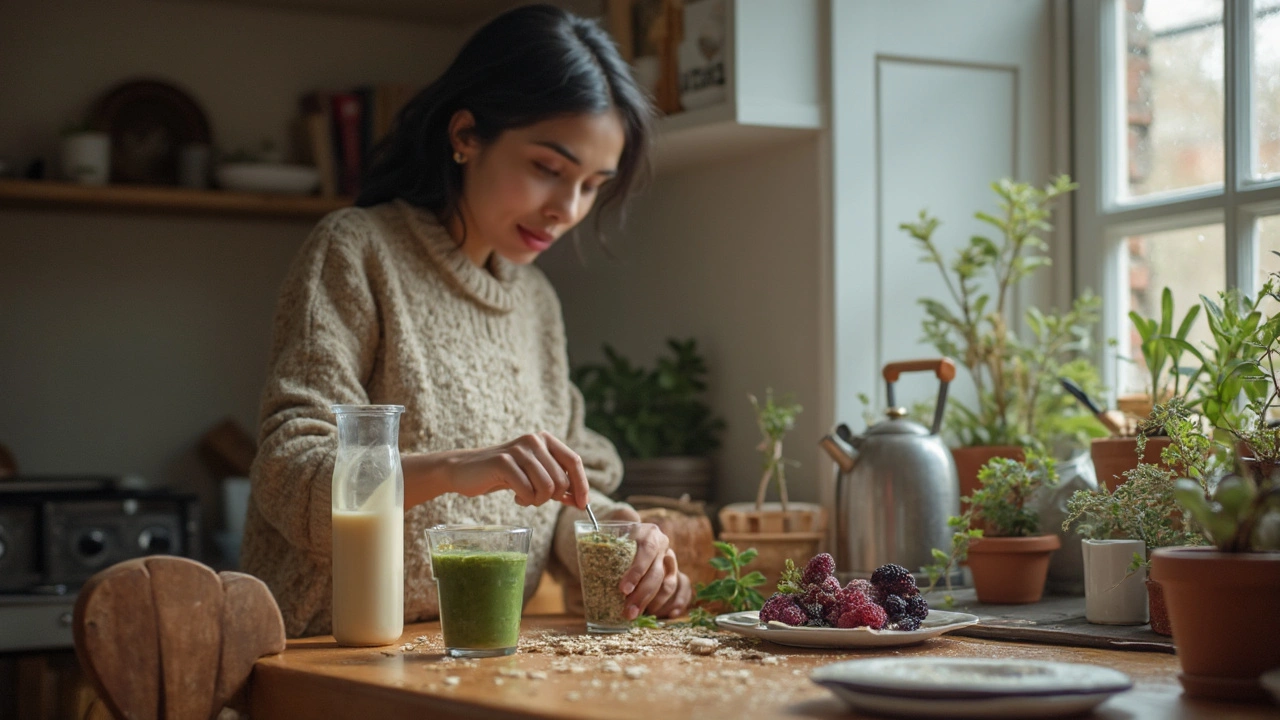
If you’ve ever blended a beautiful purple smoothie that left you starving an hour later, it wasn’t your blender-it was the balance. A steady, satisfying healthy breakfast smoothie comes down to five pieces that play nice together.
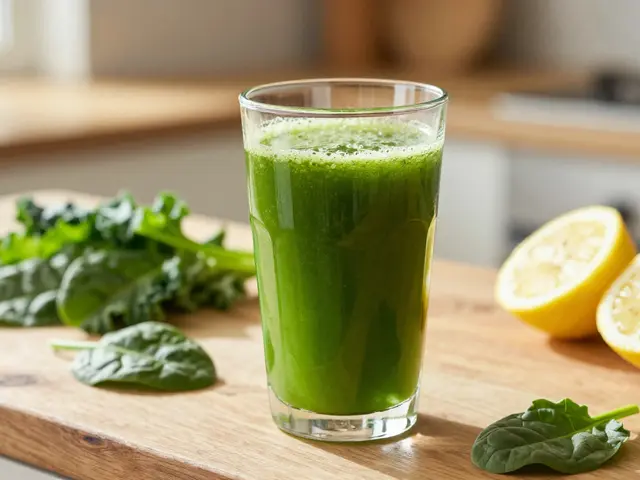
1) Veggies (1-2 cups). Spinach, kale (no thick stems), romaine, frozen cauliflower rice, zucchini, or cucumber. Start with spinach if you’re new-no bitterness. More greens = more potassium and magnesium, and they add volume for very few calories.
2) Fruit (about 1 cup). Lean on lower-sugar options like blueberries, strawberries, raspberries, blackberries, kiwi, and green apple. Banana is great for texture-use half if you’re watching sugars. I freeze sliced banana and berries so I can skip ice.
3) Protein (20-30 g). This is the make-or-break piece for staying full.
- Greek yogurt (3/4-1 cup) gives ~15-20 g protein. Look for plain, low sugar.
- Whey or pea protein (1 scoop) typically gives 20-25 g. Read labels; avoid added sugars and fillers.
- Dairy-free options: soy milk adds ~7-8 g per cup; silken tofu adds ~8-12 g per 1/2 cup.
Why this matters: research on meal satiety and muscle protein synthesis points to about 20-30 g protein per meal for most adults (International Society of Sports Nutrition). That’s the sweet spot for feeling satisfied.
4) Healthy fat (about 1 tablespoon). This improves fullness and helps absorb fat-soluble vitamins.
- Nut or seed butter (1 tbsp) = ~90-100 calories, 3-4 g protein, 8-9 g fat.
- Chia seeds (1 tbsp) = ~5 g fiber + omega-3s; 2 tbsp can gel it up fast.
- Ground flax (1-2 tbsp) = lignans, omega-3s, 3-4 g fiber.
- Avocado (1/4) = silky texture with monounsaturated fats.
5) Fiber booster. Aim for 8-10 g total fiber in the glass. The Dietary Guidelines for Americans (2020-2025) recommend about 14 g fiber per 1,000 calories; most people come up short. Easy boosts:
- Chia seeds: 2 tbsp ≈ ~10 g fiber.
- Oats: 1/4 cup ≈ 4 g fiber (and a creamy texture).
- Psyllium husk: 1 tsp ≈ ~5 g fiber. Add last and drink soon; it thickens.
- Ground flax: 2 tbsp ≈ ~4 g fiber.
Liquid (8-12 oz). Unsweetened almond, soy, or dairy milk, or just water. Coconut water adds potassium but also sugar; use sparingly. Skip juice-fruit already brings plenty of natural sugars.
Sweetness. Taste first. If you need more, add a few frozen grapes, 1-2 teaspoons of date paste, or a pinch of stevia/monk fruit. The American Heart Association suggests keeping added sugars under 25 g/day for women and 36 g for men; a good habit is zero added sugar at breakfast.
Targets. A solid breakfast smoothie sits around 300-500 calories, 20-30 g protein, 30-45 g carbs focused on whole fruit, 8-10 g fiber, and 10-20 g fat. That ratio keeps energy steady. If you’re training hard or skipping snacks, you may want the higher end.
Step-by-Step: Blend It Right in 5 Minutes
This is the quick method that survives real mornings-mine start before sunrise, with coffee in one hand and a dog leash in the other.
- Add liquids first. 8-12 oz unsweetened milk or water. Liquids at the bottom help the blades catch everything.
- Add powders next. Protein powder, cinnamon, cocoa, or psyllium. They dissolve better underneath heavier stuff.
- Add greens and fiber. Spinach, kale, oats, chia, or flax. If your blender struggles, pulse once here.
- Add fruit and fat. Frozen berries, half a banana, nut butter, or avocado. Frozen fruit gives that milkshake vibe without melting.
- Blend 30-60 seconds. Start low, ramp up high. For silky texture, stop, scrape, and blend 10 seconds more.
- Taste and tweak. Too thick? Add 2-3 tablespoons more liquid. Too tart? A few frozen grapes or a splash of milk smooths it out.
- Pour and store. Drink right away, or pour into a cold jar with a lid and keep chilled.
Texture tips:
- Thicker: more frozen fruit, 1-2 tbsp chia, 1/4 avocado, or 1/4 cup oats.
- Thinner: extra liquid or swap frozen fruit for fresh.
- Less bitter greens: remove kale stems, add a squeeze of lemon, or use baby spinach.
Meal prep two ways:
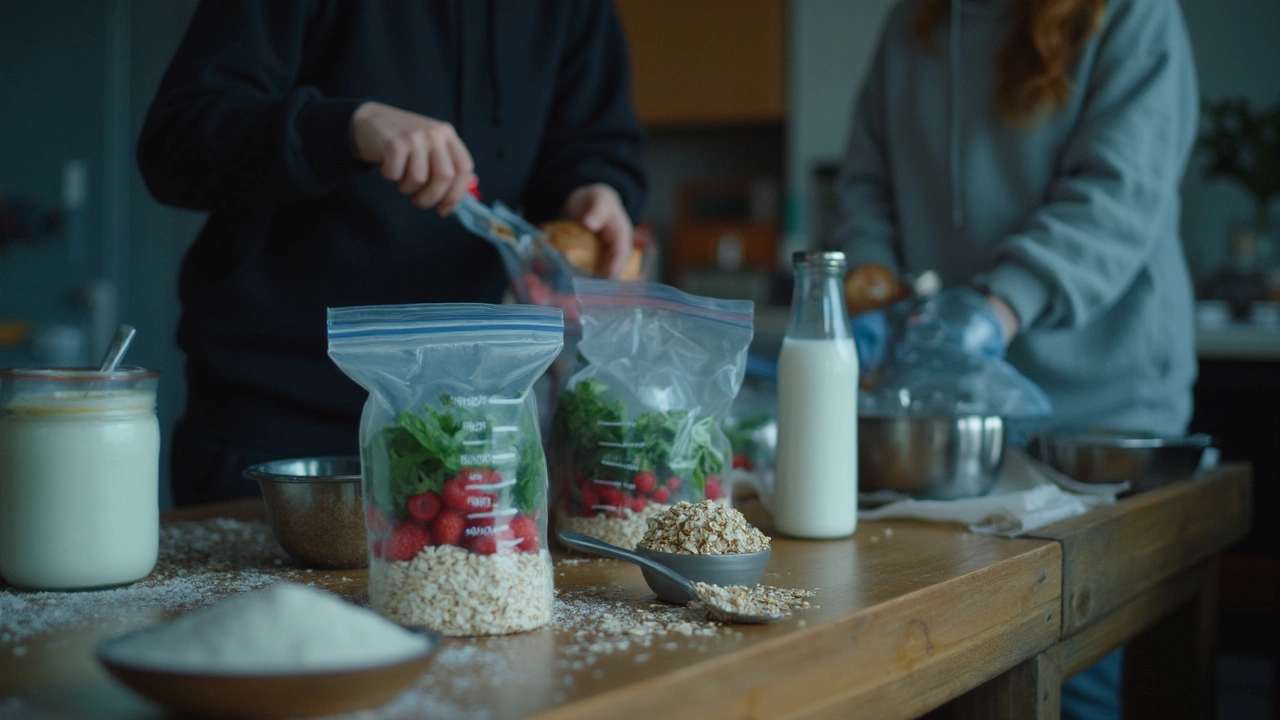
- Freezer packs: In zip bags or containers, add fruit, greens, and fats. In the morning, dump into the blender, add liquid and protein, and blend.
- Blend ahead: Make at night, store in a sealed bottle, keep very cold. Shake before sipping. Best within 24 hours for flavor and nutrients.
Food safety basics: Refrigerate within 2 hours (CDC guidance). Store at or below 40°F (4°C). Drink within 24 hours for best taste. Freeze up to 3 months; thaw in the fridge overnight and re-blend.
Cleanup hack: Half-fill the blender with warm water and a drop of dish soap, blend 10 seconds, rinse. Done before your coffee cools.
Recipes and Swaps for Different Goals
Each recipe makes 1 large breakfast smoothie unless noted. Macros are ballpark; brands vary. Use these as templates-swap parts to hit your goals.
1) Steady-Energy Berry-Nut Protein
- 1 cup unsweetened almond milk
- 1 scoop whey or pea protein (20-25 g)
- 1.5 cups spinach
- 1 cup frozen mixed berries
- 1 tbsp almond butter
- 1 tbsp chia seeds
- Pinch cinnamon + 1/4 tsp vanilla
Approx: 360-420 kcal, 25-30 g protein, 12-16 g fat, 35-45 g carbs, 10-12 g fiber. Cinnamon helps with flavor and pairs well with berries.
2) Green Glow (Extra Veggies, Low Sugar)
- 1 cup unsweetened soy milk
- 1/2 cup silken tofu
- 2 cups spinach or 1 cup spinach + 1/2 cup frozen cauliflower rice
- 1/2 frozen banana
- 1/2 cup frozen pineapple or kiwi
- 1 tbsp ground flax
- 1 tsp fresh ginger + squeeze of lemon
Approx: 320-380 kcal, 22-28 g protein, 10-14 g fat, 35-40 g carbs, 8-10 g fiber. The lemon brightens greens; ginger helps digestion.
3) Coffee Kickstart Protein
- 3/4 cup cold brew coffee
- 1/2 cup dairy milk or extra almond milk
- 1 scoop chocolate whey or pea protein
- 1/2 frozen banana
- 1 tbsp peanut butter
- 1 tbsp oats
- Pinch sea salt
Approx: 380-450 kcal, 25-30 g protein, 12-16 g fat, 40-50 g carbs, 6-8 g fiber. Coffee replaces part of the liquid, so it’s not watered down.
4) Tropical Gut-Friendly Kefir Smoothie
- 1 cup plain kefir (or plain yogurt + a splash of water)
- 1 cup frozen mango + pineapple mix
- 1 cup romaine or spinach
- 1 tbsp chia seeds
- 1 tbsp unsweetened coconut flakes
- 1 tsp lime juice
Approx: 350-420 kcal, 18-25 g protein, 10-14 g fat, 45-55 g carbs, 8-10 g fiber. Kefir brings probiotics; keep fruit to 1 cup to balance sugars.
5) Chocolate PB Oat Power (Post-Workout)
- 1 cup dairy milk or soy milk
- 1 scoop chocolate protein
- 1 small frozen banana
- 1/4 cup oats
- 1 tbsp peanut butter
- 1 tbsp ground flax
- Dash cocoa powder
Approx: 480-550 kcal, 30-35 g protein, 16-20 g fat, 60-70 g carbs, 9-11 g fiber. Heavier carbs support recovery after hard training.
6) Kid-Approved PB&J (With Hidden Greens)
- 1 cup dairy milk or almond milk
- 3/4 cup Greek yogurt or 1 scoop vanilla protein
- 1 cup frozen strawberries
- 1/2 small banana
- 1 tbsp peanut butter
- 1 cup baby spinach
Approx: 380-460 kcal, 22-30 g protein, 12-16 g fat, 45-55 g carbs, 6-8 g fiber. Strawberries hide the greens nicely.
7) Dairy-Free, Low-Sugar Green Cream
- 1 cup unsweetened almond milk
- 1 scoop unflavored pea protein
- 2 cups spinach
- 1/2 avocado
- 1/2 cup frozen blueberries
- 1 tbsp chia seeds
- 1/2 tsp vanilla + pinch cinnamon
Approx: 350-420 kcal, 22-27 g protein, 18-22 g fat, 25-35 g carbs, 10-12 g fiber. Creamy and steady, not sugary.
Goal-based swaps:
- Weight loss: Keep to 300-400 kcal; choose berries over tropical fruit; use water or almond milk; keep fats to 1 tbsp; load greens.
- Muscle gain: 450-600 kcal; use milk or soy milk; add oats; go for 30-40 g protein; add 1-2 tbsp nut butter.
- Digestive comfort: Start with half portions of chia/flax; prefer ripe banana and kefir; skip raw kale stems.
- Diabetes or blood sugar care: Emphasize berries, greens, protein 25-30 g, and 1 tbsp fat; avoid juice and honey; keep total carbs moderate.
- Dairy-free: Choose pea or soy protein; use almond/soy milk; try silken tofu or avocado for creaminess.
Cheat Sheets, Fixes, and FAQs
Quick build cheat sheet (stick this on your fridge):
- Greens: 1-2 cups
- Fruit: 1 cup (berries are your friend)
- Protein: 20-30 g
- Fat: 1 tbsp (nut butter, chia, flax, or 1/4 avocado)
- Fiber add: aim total 8-10 g (chia, oats, psyllium, flax)
- Liquid: 8-12 oz unsweetened
Flavor boosters (use tiny amounts, huge payoff):
- Vanilla extract: 1/4-1/2 tsp
- Cinnamon: 1/4-1/2 tsp (pairs with banana, berries, coffee)
- Cocoa or cacao powder: 1-2 tsp
- Fresh ginger: 1 tsp minced
- Lemon or lime juice: 1-2 tsp to brighten greens
- Turmeric: 1/4 tsp + a pinch of black pepper
- Mint leaves: a few for freshness
Common pitfalls (and quick fixes):
- Too sugary? Swap half the fruit for more greens; use berries; add 1 tbsp chia to slow absorption.
- Not full till lunch? You likely need more protein or fiber. Bump protein to 30 g and add 1-2 tbsp chia or 1/4 cup oats.
- Chalky protein taste? Blend longer with a bit more liquid; add 1/2 banana or 1/4 avocado for body.
- Bitter greens? Use baby spinach, remove kale ribs, add 1-2 tsp lemon juice, and 1-2 frozen strawberries.
- Gassy after? Cut back on raw crucifers (kale stems, cauliflower). Try spinach, ripe banana, and kefir. Start with 1 tsp psyllium, not a tablespoon.
- Watery texture? You used too much water or fresh fruit. Add a handful of frozen fruit or 1 tbsp chia and wait 3 minutes.
Mini-FAQ
- Is a breakfast smoothie enough as a meal? Yes, if it hits the right balance: 300-500 kcal, 20-30 g protein, 8-10 g fiber, plus some fat. If you lift heavy or have a long gap till lunch, aim toward 450-550 kcal.
- Are smoothies okay for blood sugar? Better than juice when built right. Pair fruit with protein, fiber, and fat, and favor berries. Monitor your own response. If you use a CGM, you’ll usually see a flatter line with this formula.
- Do I need supplements? No. Protein powder can be useful but is optional; yogurt, milk, soy milk, or tofu work. Add-ins like creatine or greens powders are personal choice.
- What about oxalates in spinach? Rotate greens (spinach, romaine, kale without stems), and include calcium sources like yogurt or milk. Variety helps.
- Is frozen produce as good as fresh? Yes. It’s often frozen at peak ripeness and can have equal or higher nutrient levels than fresh that’s traveled far.
- Teeth concerns? Drink with a straw, sip water after, and avoid long sipping over hours.
- How long can I store a smoothie? Best within 24 hours chilled. Shake before drinking. For longer storage, freeze and thaw overnight.
- What blender do I need? Any decent blender works if you follow the order: liquids, powders, greens, fruit/fats. For thick bowls or nuts, a stronger motor helps, but it’s not required.
Next steps and quick paths based on your situation:
- No time on weekdays? Spend 10 minutes Sunday making 5 freezer packs. Label them: “Greens + Berries + Banana + PB.” In the morning, add liquid and protein, blend, go.
- Budget-friendly move: Buy berries and spinach frozen. Choose store-brand plain yogurt. Use oats for cheap fiber and creaminess.
- Hot climate (hi from humid Orlando): Freeze the liquid in ice-cube trays so your smoothie stays frosty without diluting.
- Prefer savory? Blend spinach, cucumber, avocado, a small green apple, lemon, salt, pepper, and unflavored protein. It’s like a cool soup-meets-smoothie.
- Training mornings: Add a pinch of salt and 1/2-1 cup extra liquid to improve hydration.
Why this formula works: Pairing carbs with protein, fiber, and fat slows gastric emptying and flattens the blood sugar rise, which supports steady energy and satiety. The American Heart Association’s stance on limiting added sugars nudges you toward fruits and away from syrups and juices. The Dietary Guidelines for Americans keep fiber front and center. Those two guardrails alone transform breakfast.
Try this tomorrow: Before bed, toss spinach, berries, half a banana, and 1 tbsp peanut butter into a jar. In the morning, dump it into the blender with milk and protein. It’s the 90-second breakfast that actually carries you through the morning-pets, commute, meetings, and all.