
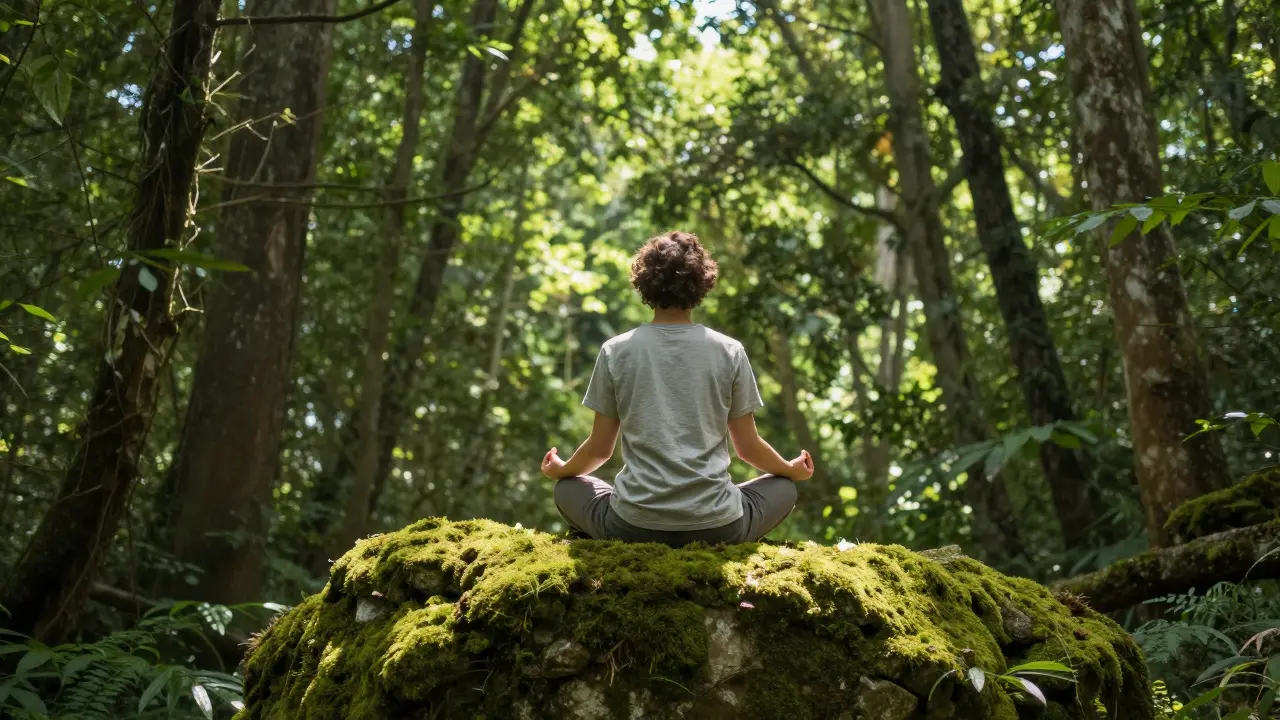
It is a strange feeling to sit in silence, breathing deeply, while the world outside feels like it is burning. For many of us, the news cycle is a relentless stream of melting glaciers, rising sea levels, and political gridlock. You might feel a knot in your stomach when you scroll through headlines about record-breaking heatwaves or species extinction. This tension between the inner peace we seek through mindfulness and the outer chaos of climate change is the ongoing global warming trend primarily due to human activities such as burning fossil fuels is real. But what if these two forces are not enemies? What if cultivating eco-consciousness is a state of awareness regarding one's impact on the environment and a commitment to sustainable practices is actually the most effective way to fight burnout?
We often treat mindfulness as an escape-a retreat from reality into a calm bubble. However, true mindfulness is about presence. It is about seeing things exactly as they are, without flinching. When we apply this clarity to our relationship with the planet, something shifts. We stop acting out of fear and start acting out of care. This article explores how you can use meditation and mindful practices to transform anxiety into actionable, sustainable living.
Understanding the Link Between Mind and Planet
To understand how mindfulness is the psychological process of purposely bringing one's attention to experiences occurring in the present moment connects to environmentalism, we have to look at why we consume the way we do. Most of our consumption habits are automatic. We buy fast fashion because it is cheap and convenient. We drive alone because it is easier than coordinating a carpool. These actions happen on autopilot, driven by habit and impulse rather than conscious choice.
Mindfulness interrupts that autopilot. It creates a small gap between the stimulus (seeing a sale) and the response (buying the item). In that gap, you have the power to choose. Research in behavioral psychology suggests that mindful consumers are less likely to engage in impulsive buying. By slowing down, you begin to see the true cost of products-not just the price tag, but the carbon footprint, the labor conditions, and the waste generated. This shift from unconscious consumption to conscious participation is the foundation of eco-consciousness.
Consider the concept of "attention economy." Corporations spend billions trying to capture your attention to sell you more stuff. Mindfulness is a form of resistance against this extraction. When you reclaim your attention, you also reclaim your resources. You start asking questions like: Do I need this? Can I repair what I already have? Who made this? These simple inquiries reduce demand for resource-intensive goods and lower your personal environmental impact.
Overcoming Ecological Grief and Burnout
Let’s be honest: thinking about the climate crisis is exhausting. Many people experience what psychologists call ecological grief is the distress experienced by individuals who face challenges related to observed or anticipated environmental changes. It is a sense of loss for the natural world as it was, and fear for what it will become. If you try to act on this grief without processing it, you often end up paralyzed or burned out. You might doom-scroll for hours, feeling helpless, which leads to inaction.
Mindfulness offers a toolkit for navigating these heavy emotions. Instead of suppressing the sadness or letting it spiral into panic, you acknowledge it. You sit with the feeling. This practice, known as radical acceptance, does not mean you give up. It means you stop fighting the reality of the situation so you can work with it effectively. When you are grounded in the present moment, you are less likely to be overwhelmed by catastrophic future projections.
Try this simple exercise next time you feel climate anxiety hitting hard:
- Pause and Breathe: Stop what you are doing. Take three deep breaths, focusing on the sensation of air entering and leaving your nostrils.
- Name the Emotion: Say to yourself, "I am feeling anxious about the climate." Naming the emotion reduces its intensity in the brain.
- Ground Yourself: Feel your feet on the floor. Notice five things you can see, four you can touch, three you can hear. This brings you back to the safety of the now.
- Take One Small Action: Ask yourself, "What is one tiny thing I can do right now to honor my values?" It could be turning off a light, planting a seed, or writing to a local representative.
This approach transforms paralyzing grief into manageable energy. It reminds you that you are part of nature, not separate from it. That connection is a source of strength, not just sorrow.
Practical Steps for Mindful Sustainability
Cultivating eco-consciousness doesn't require you to live in an off-grid cabin. It starts with small, mindful adjustments to your daily routine. Here are practical ways to integrate mindfulness into your sustainability efforts.
Eating with Awareness
Food production accounts for a significant portion of global greenhouse gas emissions. Mindful eating goes beyond chewing slowly; it involves considering the origin of your food. Before you cook or order takeout, pause. Ask where the ingredients came from. Choosing local, seasonal produce reduces transportation emissions and supports local farmers. Reducing meat consumption, even just one day a week, has a massive impact on your carbon footprint. When you eat mindfully, you appreciate the food more and waste less. You notice when you are full, preventing overeating and food waste, which contributes significantly to landfill methane emissions.
The Art of Decluttering
Clutter is physical manifestation of unprocessed thoughts and impulses. A messy home often reflects a cluttered mind. Start by decluttering one drawer or shelf. As you go through items, ask: Does this serve me? Did I buy this because I needed it, or because I was stressed? Donating or recycling items you no longer need keeps them out of landfills. More importantly, this practice trains your brain to value quality over quantity. Over time, you become less susceptible to marketing hype and more inclined to invest in durable, sustainable goods.
Mindful Movement
How you move through the world matters. Driving everywhere is convenient but disconnected. Walking or biking allows you to experience your immediate environment. You notice the trees, the weather, and the community. This reconnection fosters a deeper desire to protect those spaces. If you must drive, practice mindful driving. Avoid rapid acceleration and braking, which saves fuel and reduces wear on your vehicle. Use this time to listen to educational podcasts about sustainability rather than stressful news, keeping your mind informed but not agitated.
Building a Community of Care
Sustainability is rarely a solo journey. We are social beings, and our behaviors are heavily influenced by our communities. Mindfulness encourages empathy and compassion, which are essential for building strong, eco-friendly communities. Instead of judging others for their choices-like someone driving a large SUV-try to understand their context. Judgment creates division; understanding builds bridges.
You can foster eco-consciousness in your circle by sharing your journey openly. Talk about why you started composting or why you switched to renewable energy. Share the benefits, not just the moral imperative. People are more likely to adopt new habits when they see positive outcomes in friends and family. Join local groups focused on gardening, cleanup drives, or conservation. These activities provide a sense of belonging and purpose, countering the isolation that often accompanies climate anxiety.
| Action Type | Motivation | Emotional State | Long-term Outcome |
|---|---|---|---|
| Reactive | Guilt, Fear, Obligation | Stressed, Anxious, Depleted | Burnout, Inconsistency, Resentment |
| Mindful | Care, Connection, Values | Grounded, Empowered, Calm | Sustainable Habits, Community Growth, Resilience |
Notice the difference in outcomes. Reactive actions are fueled by negative emotions and often lead to exhaustion. Mindful actions stem from a place of love and alignment with personal values. This makes them easier to maintain over the long haul. You are not sacrificing for the planet; you are expressing your care for it.
Finding Joy in Nature
Finally, remember that eco-consciousness is not just about saving the planet; it is about enjoying it. Mindfulness heightens your senses. It allows you to truly see the beauty of a sunset, feel the texture of bark on a tree, or hear the complexity of birdsong. These moments of joy reinforce your bond with the natural world.
Make time for regular nature immersion. Scientists call this "forest bathing" or shinrin-yoku. Even a short walk in a park can lower cortisol levels and improve mood. When you find joy in nature, protecting it becomes instinctual. You defend what you love. So, step outside. Look up. Breathe. The earth is resilient, and so are you. By combining mindfulness with action, you become a steady force for good in a turbulent world.
Can mindfulness really help with climate anxiety?
Yes, mindfulness helps manage climate anxiety by grounding you in the present moment. It prevents catastrophic thinking spirals and allows you to process difficult emotions like grief and fear constructively. Instead of being paralyzed by worry, mindfulness empowers you to take small, consistent actions aligned with your values.
What is the difference between eco-anxiety and ecological grief?
Eco-anxiety is a chronic fear of environmental doom, often focused on future threats. Ecological grief is the sadness and loss felt due to current or past environmental damage, such as witnessing habitat destruction. Both are valid emotional responses to climate change, and mindfulness techniques can help navigate both states.
How do I start practicing mindful consumption?
Start by introducing a pause before purchasing anything non-essential. Ask yourself if you truly need the item, if you have something similar already, and what the environmental cost of production and shipping is. Keep a "want list" for 48 hours; often, the urge to buy fades, revealing it was an impulsive decision.
Is it selfish to practice mindfulness while the world is on fire?
No, it is not selfish. In fact, self-care is essential for sustained activism. If you burn out, you cannot help anyone. Mindfulness provides the mental clarity and emotional resilience needed to engage in effective environmental work over the long term. It ensures your actions come from a place of strength rather than depletion.
What are some easy ways to connect with nature mindfully?
You don't need a grand adventure. Try sitting quietly in a park for 10 minutes, observing only one sense at a time (e.g., just listening to sounds). Go for a walk without headphones. Plant herbs in your kitchen window and tend to them daily. These small rituals rebuild your sensory connection to the natural world.