When was the last time you felt truly calm-really, deeply calm-without scrolling, without caffeine, without pretending everything was fine? If you can’t remember, you’re not alone. In 2026, stress isn’t just a feeling; it’s a constant background hum. Work deadlines, financial pressure, news cycles, and the never-ending ping of notifications have rewired how our bodies respond to danger. And guess what? Our bodies still think a looming email is a saber-toothed tiger.
Why Relaxation Isn’t Optional Anymore
Your nervous system isn’t broken. It’s just stuck. Chronic stress keeps your body in fight-or-flight mode, flooding you with cortisol and adrenaline. Over time, that leads to sleep problems, brain fog, high blood pressure, and even digestive issues. The good news? You don’t need a month in Bali or a $200 app to reset it. You just need a few proven relaxation techniques that work when you’re sitting at your desk, stuck in traffic, or lying awake at 2 a.m.
Science backs this up. A 2023 study from the University of British Columbia tracked over 1,200 adults using daily relaxation practices for eight weeks. Those who practiced just 10 minutes a day saw a 34% drop in perceived stress levels and improved heart rate variability-a key marker of nervous system balance. This isn’t fluff. It’s biology.
Deep Breathing: Your Instant Reset Button
Of all the relaxation techniques, deep breathing is the most accessible-and the most powerful. It’s free, it’s invisible, and it works in under 60 seconds.
Here’s how to do it right:
- Inhale slowly through your nose for four counts.
- Hold your breath for four counts.
- Exhale through your mouth for six counts.
- Pause for two counts before the next inhale.
Repeat this cycle five times. That’s it. This pattern-called 4-4-6-2 breathing-activates your vagus nerve, which tells your body to switch from stress mode to rest mode. No apps needed. No special equipment. Just your lungs.
Try it next time you feel your heart race before a meeting or when you’re stuck in a long line. You’ll notice your shoulders drop, your jaw unclench, and your thoughts slow down. It’s not magic. It’s physiology.
Progressive Muscle Relaxation: Tension’s Silent Killer
Most people don’t realize how much tension they carry. You’re probably holding your shoulders up near your ears, clenching your fists, or tightening your stomach without even knowing it.
Progressive muscle relaxation (PMR) teaches you to notice that tension-and then release it. It’s simple:
- Start with your feet. Curl your toes tightly for five seconds.
- Let go suddenly. Feel the warmth and heaviness as the muscles relax.
- Move up to your calves, thighs, abdomen, hands, arms, shoulders, neck, and face.
- For each area: tense for five seconds, then release for ten.
Do this lying down, preferably before bed. Within three sessions, most people report better sleep and less morning stiffness. Why? Because tension doesn’t just live in your muscles-it lives in your mind too. When you physically relax, your brain gets the message: It’s safe to calm down.
Grounding: When Your Mind Won’t Shut Up
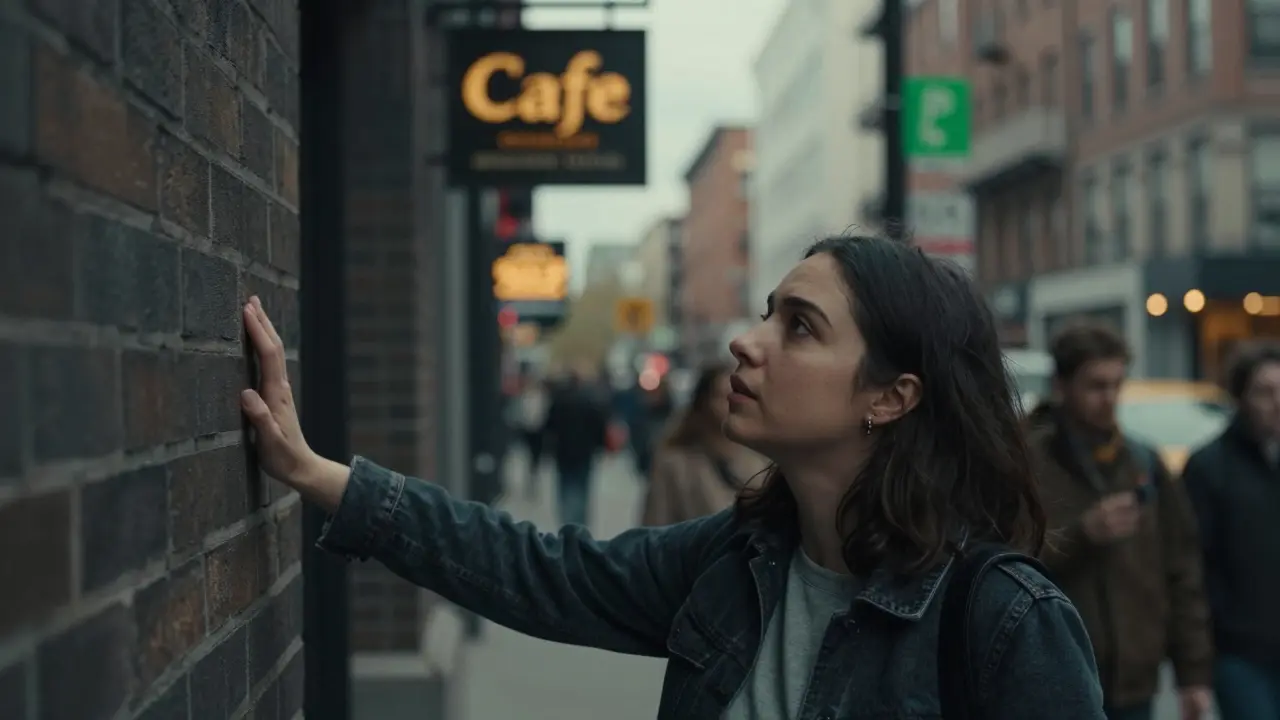
Ever sit down to relax, only to have your brain scream about everything you forgot to do? That’s not laziness. That’s anxiety hijacking your nervous system.
Grounding techniques bring you back to the present. One of the most effective is the 5-4-3-2-1 method:
- Name five things you can see.
- Touch four things and notice their texture.
- List three sounds you hear.
- Identify two smells in the air.
- Name one thing you can taste.
This works because it forces your brain to switch from rumination mode to sensory mode. Your amygdala-the fear center-can’t keep panicking when you’re actively noticing the grain of your wooden desk or the taste of your last sip of coffee.
Use this when you’re overwhelmed, anxious, or spiraling. It takes 30 seconds. It’s not a cure, but it’s a pause button.

Box Breathing: The Navy SEAL Secret
You’ve probably heard of box breathing. It’s not just for elite soldiers. It’s for anyone who needs to stay calm under pressure.
Here’s the pattern:
- Inhale for four counts.
- Hold for four counts.
- Exhale for four counts.
- Hold for four counts.
Repeat for three to five rounds. The equal timing creates rhythm, which signals safety to your nervous system. Unlike other breathing techniques, box breathing requires focus-and that focus crowds out anxious thoughts.
Try it before a difficult conversation, after receiving bad news, or when you’re stuck in a loop of negative thinking. It doesn’t solve the problem. But it gives you the mental space to handle it.
Why Most Relaxation Techniques Fail (And How to Make Them Stick)
People try meditation, yoga, or journaling-and quit after a week. Why? Because they treat relaxation like a task, not a habit.
Here’s the truth: You don’t need to meditate for 30 minutes. You don’t need to buy a weighted blanket. You just need to pick one technique and do it consistently for two weeks.
Start small. Attach your practice to something you already do:
- Do 4-4-6-2 breathing while your coffee brews.
- Practice PMR while lying in bed before sleep.
- Use grounding before checking your phone in the morning.
Consistency beats intensity. Five minutes a day, every day, beats an hour once a week.
What Doesn’t Work (And Why)
Not all relaxation advice is created equal. Here’s what to avoid:
- Watching TV to “relax”-It’s distraction, not restoration. Your brain stays engaged.
- Scrolling social media-It spikes cortisol, not lowers it.
- Waiting for the “right time”-There’s no perfect moment. Stress doesn’t wait. Neither should you.
- Overcomplicating it-You don’t need candles, incense, or a mantra. Your breath is enough.
Relaxation isn’t about creating a spa experience. It’s about rewiring your nervous system with simple, repeatable actions.
Real People, Real Results
Anna, a nurse in Vancouver, started doing 4-4-6-2 breathing between shifts. She used to come home exhausted, snapping at her kids. After two weeks, she noticed she could walk into the house without feeling like she was carrying a backpack full of bricks.
James, a software developer, began box breathing before code reviews. He used to dread feedback. Now, he takes a breath, pauses, and responds instead of reacting.
These aren’t life-changing epiphanies. They’re small, quiet wins. But over time, they add up to a different kind of life-one where stress doesn’t run the show.
When to Seek More Help
Relaxation techniques are powerful, but they’re not a replacement for therapy or medical care. If you’re experiencing:
- Constant anxiety that interferes with daily life
- Chronic insomnia or panic attacks
- Feeling numb, hopeless, or disconnected
-then talk to a professional. Relaxation tools help manage symptoms. Therapy and medication can address root causes.
There’s no shame in needing more. In fact, using relaxation techniques alongside professional care is one of the smartest things you can do.
Start Today. No Perfect Timing Needed.
You don’t need to wait until Monday. Or until your workload clears. Or until you feel “ready.”
Right now, take a breath. Inhale for four. Hold for four. Exhale for six. Pause for two.
That’s it. You just did something most people never learn to do.
Do it again tomorrow. And the next day. And the day after that. Your nervous system is waiting.
How long does it take for relaxation techniques to work?
Some people feel calmer after just one session, especially with breathing or grounding. For lasting changes-like better sleep, lower blood pressure, or reduced anxiety-you need consistent practice. Most studies show noticeable results after 7 to 14 days of daily use, even if it’s only 5 to 10 minutes a day.
Can I combine relaxation techniques?
Yes, and many people find it helpful. For example, do progressive muscle relaxation followed by deep breathing before bed. Or use grounding when you’re overwhelmed, then follow up with box breathing to reset. The key is to pick one to start with, master it, then add others. Don’t overwhelm yourself.
Do I need special equipment or apps?
No. While apps and tools can help guide you, they’re not necessary. Your breath, your body, and your attention are all you need. In fact, relying too much on apps can make you dependent on external cues instead of building internal awareness.
What if I can’t focus during relaxation?
That’s normal. Your mind will wander. That doesn’t mean you’re doing it wrong-it means you’re human. When you notice your thoughts drifting, gently bring your focus back to your breath, your muscles, or your senses. The act of noticing and returning is the practice.
Are these techniques safe for everyone?
Yes, for most people. Deep breathing and grounding are extremely safe. Progressive muscle relaxation is also safe unless you have a recent injury or severe muscle condition. If you have a medical condition like asthma, COPD, or heart disease, consult your doctor before doing breath-holding techniques like box breathing.