You don’t need a cupboard full of supplements or a chef’s budget to calm your stomach. Most people get meaningful relief from bloating, reflux, constipation, or unpredictable bowels by fixing a few daily habits-food timing, fibre, fluids, stress, sleep, and how we sit on the loo. I live in Birmingham, and these are the simple, real-life shifts that help my neighbours, my friends, and me stick with it.
If you want better gastro health, think “tiny hinges swing big doors.” Expect steady changes over 2-8 weeks, not overnight miracles. You’ll learn the handful of habits that deliver the most payoff, how to test triggers without wrecking your social life, and when to call your GP instead of second-guessing Google.
TL;DR: What Works Fast (and What to Expect)
- Eat 30 g fibre most days, but ramp up slowly (about 5 g per week). Pair with 6-8 glasses of fluid. Psyllium (ispaghula husk) often helps IBS-type stools-softer ones firm up, hard ones soften. Expect changes in 3-7 days.
- Time your meals: smaller portions, avoid eating 2-3 hours before bed (big for reflux), and add a 10-15 minute walk after lunch or dinner. Many feel lighter within a week.
- Make your morning gut routine: water on waking, coffee after food if you’re reflux-prone, 5-10 minutes of gentle movement, then sit on the loo with a footstool. This trains your bowel’s natural reflex.
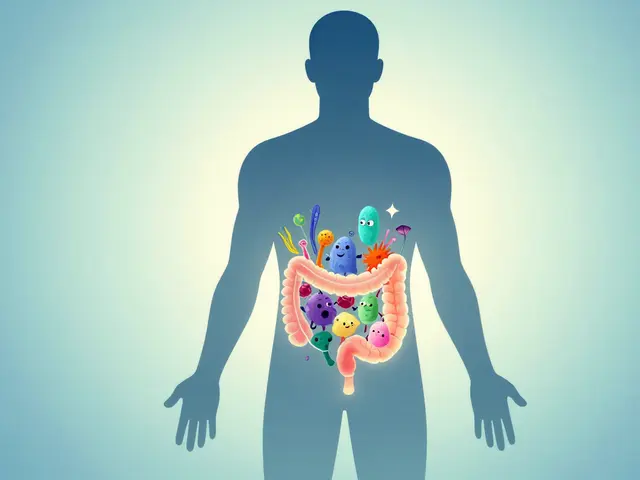
- Try fermented foods daily (yoghurt with live cultures, kefir, sauerkraut). A 2021 Stanford study found a fermented-food diet increased microbiome diversity over 10 weeks.
- Stress → gut symptoms is a two-way street. 5 slow breaths before meals and a short walk most days can reduce cramping and urgency. Give it 2-4 weeks.
When to see your GP: blood in stool, black/tarry stool, unintentional weight loss, persistent vomiting, fever, night sweats, new severe pain, difficulty swallowing, iron-deficiency anaemia, or a sudden change in bowel habit that lasts more than three weeks. In the UK, check NHS 111 if unsure.

Step-by-Step: Food, Habits, Sleep, Movement
Here’s a simple way to build a steady gut routine-no fancy trackers, no “perfect” diet rules. Use the pieces that match your symptoms.
1) Fibre-how much, how fast
- Target: Adults in the UK are advised to get about 30 g fibre per day (Eatwell Guide). Start where you are and add 5 g per week to avoid gas and cramps.
- Best bets: oats, barley, rye bread, beans/lentils, apples, berries, carrots, broccoli, potatoes with skin, nuts, seeds.
- Why it works: Fibre feeds helpful gut bacteria, improves stool form, and helps you feel satisfied. Psyllium (ispaghula) has the strongest evidence for IBS-type constipation and mixed-stool patterns in trials and NICE-backed resources.
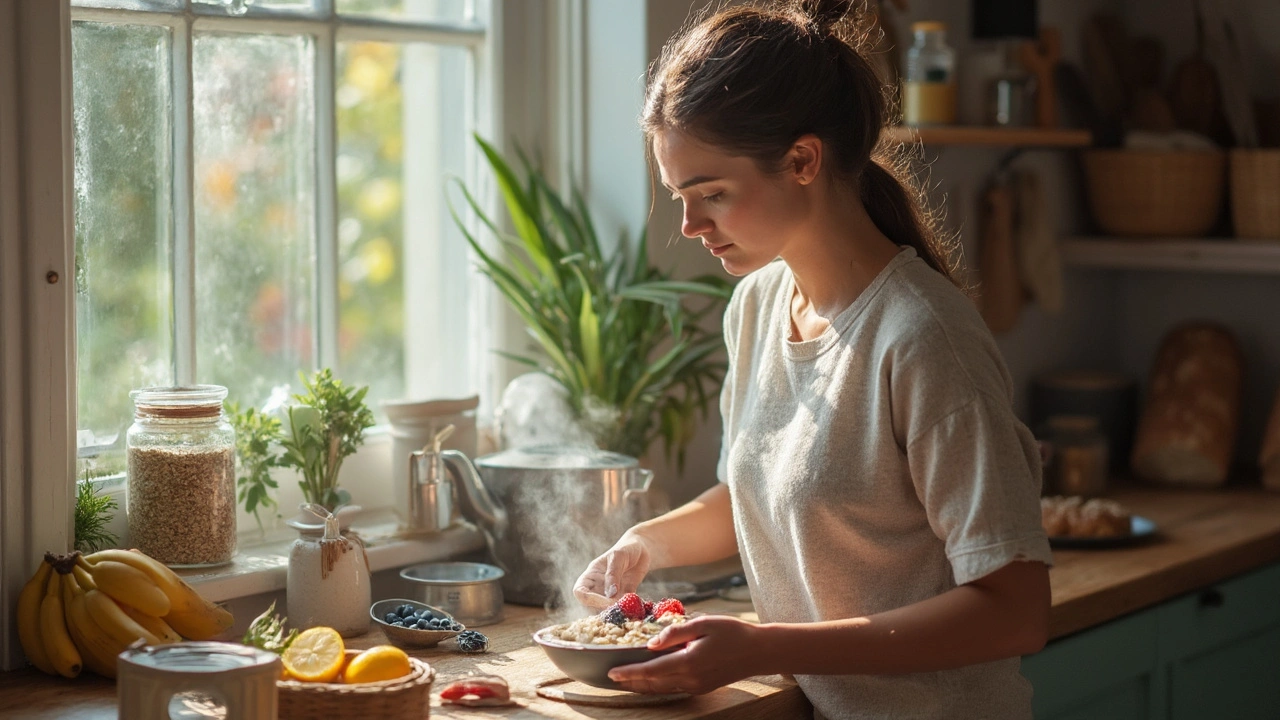
- How to add it: swap cereal for porridge; add a spoon of chia or ground flax; half a tin of lentils into any soup; an apple or pear for a snack.
2) Fluids-simple rules
- Drink 6-8 glasses (about 1.5-2 L) of fluid a day, more if it’s hot or you exercise. Aim for pale-straw urine.
- Spread it out. Big gulps late at night can make reflux worse. Keep a glass at your desk and sip.
3) Meal timing and portion size
- Smaller, more regular meals can reduce bloating and reflux. Think “lightly full,” not stuffed.
- Leave 2-3 hours between your last bite and bedtime. This simple shift is one of the fastest reflux fixes.
- Chew longer, slow down: 20 minutes per meal helps your gut keep up with your mouth.
4) Plate pattern that calms the gut
- Half the plate: colourful veg (cooked if you’re sensitive). A quarter: protein (fish, chicken, tofu, eggs). A quarter: wholegrains or starchy veg (brown rice, potatoes with skin). Add healthy fats (olive oil, nuts) in small amounts.
- If you bloat on raw veg, try roasted carrots, courgette, parsnips, or soups-it’s easier on the gut while still high in fibre.
5) Fermented foods and probiotics-what actually helps
- Fermented foods: live yoghurt, kefir, kombucha, sauerkraut, kimchi, miso. The 2021 Stanford trial found daily fermented foods increased microbiome diversity and reduced markers of inflammation over 10 weeks.
- Probiotics: benefits are strain-specific. For IBS, there’s moderate evidence some products help if tried one at a time for 4 weeks. If no change, stop and try a different strain or skip. British Dietetic Association guidance says don’t use them indefinitely without benefit.
6) FODMAPs-smart, short, and supervised
- If you have IBS-like symptoms, a 2-6 week low-FODMAP trial can reduce bloating and pain, but it should be followed by careful reintroduction to find your own triggers. A 2022 Cochrane review supports short-term symptom relief with dietitian support.
- Don’t start low-FODMAP before ruling out coeliac disease. NICE advises testing while still eating gluten (tTG-IgA blood test) to avoid false negatives.
7) Watch the usual suspects
- High-fat heavy meals, very spicy food, onions/garlic, fizzy drinks, large amounts of dairy, and sugar alcohols (sorbitol, xylitol) can balloon gas for sensitive guts.
- Caffeine can trigger reflux or urgency. Try coffee after breakfast rather than on an empty stomach, or switch to a gentler brew. Alcohol is a gut irritant; have with food, and alternate with water.
8) Movement that helps motility
- Walk 10-15 minutes after meals. It reduces post-meal glucose spikes and helps gas move along. Many feel less bloat the same day.
- Daily step goal: 7-9k is realistic for busy days. Two or three short walks beat one heroic one you skip.
- Gentle core and hip mobility (cat-cow, child’s pose, hip circles) can ease cramping and help constipation.
9) Your morning bowel routine
- Water on waking (room temp is fine).
- Breakfast with fibre (oats + berries, toast + peanut butter + banana).
- 5-10 minutes of light movement-walk to the bus, stairs, or a quick stretch.
- Sit on the loo with a footstool to raise your knees above your hips (a stack of books works). Relax your belly; don’t strain.
10) Reflux-specific fixes
- Wait 2-3 hours after eating before lying down.
- Sleep on your left side or raise the head of your bed by 10-20 cm with blocks if night-time symptoms wake you. Research shows left-side sleeping reduces acid exposure.
- Test personal triggers: mint, chocolate, tomatoes, fatty foods, and alcohol often make reflux worse.
- Short PPI trial (e.g., omeprazole) can help frequent reflux. Speak to your pharmacist or GP; aim for the lowest effective dose and review after 2-4 weeks.
11) Stress, sleep, and your gut-brain loop
- Breathing before meals: inhale through your nose for 4, hold 2, exhale 6-do 5 cycles. This nudges your nervous system from “fight/flight” to “rest/digest.”
- Sleep 7-9 hours. Try to keep a regular bedtime and avoid large late meals and heavy alcohol.
- Nature + light: 10 minutes of morning light helps your body clock. People who walk most days report fewer cramps and less urgency within 2-4 weeks.
12) A simple 7-day reset (repeat weekly)
- Mon-Fri: one fermented food daily, 2 veg-heavy meals, 10-minute post-meal walk.
- Daily: 30 g fibre target, water bottle on your desk, 5 slow breaths before lunch and dinner.
- Evening: kitchen closed 2-3 hours before bed; phone off the pillow.
- Weekend: one new high-fibre recipe; one hour outdoors.
| Habit | Target | Why it helps | Typical timeline |
|---|---|---|---|
| Fibre increase | +5 g per week to ~30 g/day | Feeds good bacteria, improves stool form | 3-14 days |
| Hydration | 6-8 glasses/day | Softens stools, reduces cramps | 48 hours |
| Post-meal walk | 10-15 min after lunch/dinner | Less bloat, better motility | Same day |
| Reflux timing | No food 2-3 h before bed | Less night reflux | 3-7 days |
| Fermented foods | 1 serving/day | Microbiome diversity | 4-10 weeks |
| Breathing practice | 5 cycles pre-meal | Gut-brain calm | 1-2 weeks |
| Psyllium (ispaghula) | As per label, with water | Stool consistency | 3-7 days |

Checklists, Pitfalls, FAQs, and Troubleshooting
Daily gut checklist
- Breakfast with fibre (oats, wholegrain toast, fruit) + glass of water.
- 10-15 minute walk after your biggest meal.
- At least 5 portions of fruit/veg, mostly cooked if you’re sensitive.
- One fermented food serving.
- No late-night eating; left-side sleeping if refluxy.
- Footstool for the loo; don’t rush or strain.
- 5 slow breaths before lunch and dinner.
Common pitfalls to avoid
- Jumping to a strict low-FODMAP without testing coeliac disease first.
- Adding lots of fibre but forgetting water-hello, rock-hard stools.
- Chasing probiotic after probiotic with no plan. Trial one product for 4 weeks, then stop if no change.
- Skipping movement because the gym feels hard. A short walk works.
- Eating late and then blaming tomatoes for your reflux.
Quick decision help by symptom
- Bloating + gas: slow fibre increase; try cooked veg; walk after meals; limit fizzy drinks and sugar alcohols; test onions/garlic. Consider a short low-FODMAP trial with reintroduction.
- Constipation: fibre + water + morning routine + footstool. Psyllium can help. If no change in 2-3 weeks, speak to a pharmacist about osmotic laxatives and loop in your GP.
- Diarrhoea: prioritise soluble fibre (oats, psyllium, bananas), small meals, limit alcohol and caffeine. Rehydrate; consider ORS if needed. Flag blood or night-time diarrhoea to your GP.
- Reflux/heartburn: smaller meals; no food within 2-3 hours of sleep; left-side sleeping; test trigger foods; consider a short PPI trial with pharmacist/GP advice.
Mini-FAQ
Q: How fast will I feel better?
A: Some people feel lighter within days from meal timing and walks. Fibre changes often need 1-2 weeks. Fermented foods take weeks. Stick with one shift at a time so you can tell what helps.
Q: Do I need a probiotic?
A: Not always. Food-first works for many. If you try a probiotic, pick one product, take it daily for 4 weeks, and stop if nothing changes. Evidence is strain-specific and mixed in IBS, per British Dietetic Association and British Society of Gastroenterology guidance.
Q: Should I cut gluten or dairy?
A: Don’t cut gluten before testing for coeliac disease-NICE recommends testing while still eating gluten. For dairy, try lactose-free versions first; many people tolerate yoghurt and hard cheese better than milk.
Q: Is coffee bad for my gut?
A: It depends. Coffee can speed bowel movements (good if you’re constipated), but it can worsen reflux or urgency in some. Try having it after food or switch to a milder brew.
Q: Which fibre supplement is best?
A: Psyllium (ispaghula husk) has the most evidence for stool form in IBS. Start low, drink water with it, and titrate to comfort.
Q: Can stress really cause gut symptoms?
A: Yes. Your gut and brain talk constantly. Simple breathing, gentle movement, and better sleep reduce flare-ups. Studies show gut-directed hypnotherapy and CBT can help IBS symptoms when lifestyle alone isn’t enough.
When to see a professional in the UK
- Red flags: blood in stool, black/tarry stool, unintentional weight loss, persistent vomiting, fever, night sweats, severe or new pain, difficulty swallowing, anaemia, or a change in bowel habit lasting >3 weeks.
- Coeliac check: ask your GP for a coeliac blood test (tTG-IgA) before going gluten-free.
- IBD suspicion (Crohn’s/colitis): chronic diarrhoea, weight loss, blood, abdominal pain-ask your GP about faecal calprotectin testing.
- Bowel screening: England is expanding home FIT screening towards ages 50-74; check your local eligibility on the NHS site and do the test when it arrives.
Real-life week plan (Birmingham-tested)
- Monday: porridge with berries; 10-minute stroll after lunch; dinner on the early side.
- Tuesday: wholegrain toast + eggs; yoghurt with live cultures at lunch; add a tin of beans to chilli.
- Wednesday: pasta + roasted veg; left-side sleeping if reflux flares.
- Thursday: soup + wholegrain roll; short walk after dinner; phone off the pillow.
- Friday: fish, potatoes with skin, greens; a glass of water with every meal.
- Weekend: try kefir in a smoothie; one new high-fibre recipe; one hour in the park.
Evidence snapshots (so you know this isn’t guesswork)
- Fibre: Consistent trials show psyllium improves stool form and symptom scores in IBS; UK guidance targets ~30 g/day for adults.
- Fermented foods: Stanford 2021 (Cell) showed increased microbiome diversity and lower inflammatory markers with a fermented-food diet over 10 weeks.
- Low-FODMAP: A 2022 Cochrane review found short-term symptom relief in IBS with dietitian support; reintroduction is key to avoid an overly restricted diet.
- Reflux: Head-of-bed elevation and left-side sleeping reduce acid exposure in clinical studies; late-night eating worsens symptoms.
- Gut-brain: Gut-directed hypnotherapy and CBT show benefit in IBS; simple breathing and walking ease symptom intensity in real-world trials.
Troubleshooting by persona
- Desk-bound worker: water bottle at your keyboard; 10-minute lunch walk; keep a small footstool at home; prep fibre-rich snacks (apple + nuts).
- Shift worker: anchor one meal time; avoid heavy meals 2-3 hours before sleep; use a sleep mask; hydrate during shifts; plan a gentle 5-minute stretch before bed.
- Busy parent: batch-cook a lentil soup and freeze; keep kefir or live yoghurt in the fridge; walk with the pram after meals; keep a footstool in the bathroom.
- Reflux-prone foodie: book earlier dinners; split shared plates; test trigger foods one at a time; consider a short PPI course and reassess in 2-4 weeks with your GP.
Simple self-experiments (2 weeks each)
- Swap fizzy drinks for still water or herbal tea and add a 10-minute after-dinner walk-track bloat.
- Add 1-2 tbsp of ground flaxseed or psyllium daily with water-track stool form (use the Bristol chart image on your phone for reference).
- Fermented food daily-note any change in stool regularity or urgency.
- Left-side sleeping + early dinner-track night reflux.
Safety notes
- If you have inflammatory bowel disease, coeliac disease, diabetes, kidney disease, are pregnant, or take regular medicines, get personalised advice from your GP or a registered dietitian before making big diet changes or starting supplements.
- Some people with immune issues should avoid certain live-fermented products; check with your clinician.
You don’t need perfect days. You need repeatable ones. Pick one change that feels easy this week-maybe an after-dinner walk or an earlier cut-off for food-and build from there. That’s how your gut becomes less noisy and life gets simpler.