
Emotional Processing: How to Understand and Release What You're Feeling
When you feel overwhelmed, stuck, or oddly numb—even when life seems fine—emotional processing, the natural way your mind and body work through feelings instead of burying them. Also known as affective regulation, it’s not about being "positive" or "strong." It’s about letting what’s inside move through you so it doesn’t get stuck in your body, your sleep, or your relationships. Most people think they’re handling stress by pushing through, but unprocessed emotions don’t vanish. They show up as tight shoulders, brain fog, sudden anger, or that quiet dread you can’t explain.
Emotional processing doesn’t require therapy sessions or journaling for hours. It shows up in small, everyday moments: when you cry after a song, when you finally talk about that old hurt, or when you move your body and feel something shift. It’s closely tied to nervous system regulation, how your body learns to calm down after stress instead of staying stuck in fight-or-flight mode. When your nervous system is out of balance, you can’t process emotions well—you either shut down or explode. That’s why practices like breathwork, movement, or even listening to music can be powerful tools. They help your body feel safe enough to release what’s been held.
And that’s where creative arts therapies, using art, music, dance, or writing to express what words can’t capture come in. You don’t need to be talented. You just need to be willing to let yourself feel. A brushstroke, a drumbeat, or a scribbled poem can carry years of unspoken pain. Science shows these methods activate parts of the brain that talk therapy alone can’t reach. They’re not magic. They’re mechanics—ways your brain and body reconnect after trauma, burnout, or long-term stress.
Emotional processing isn’t a one-time fix. It’s a practice. Like brushing your teeth, it keeps the mental and physical systems running. The posts here aren’t about theory. They’re about what actually works: how to use movement to release tension, how music rewires your stress response, how simple art exercises help people with anxiety and PTSD, and how to build daily habits that let you feel without falling apart. You’ll find real tools, not platitudes. No fluff. Just clear, science-backed ways to stop carrying what doesn’t belong to you anymore.
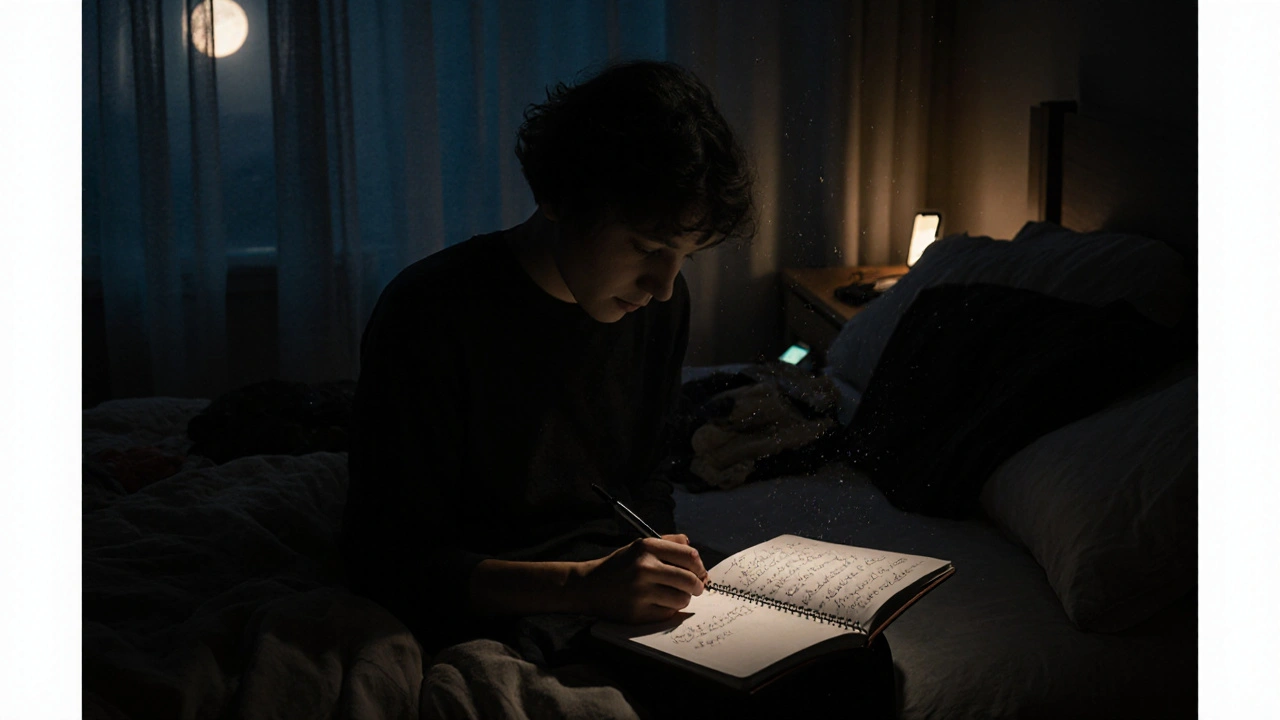
Achieving Mental Clarity: How Journaling Boosts Mental Health and Reduces Stress
Oct 27 2025 / Mental HealthJournaling reduces stress, improves emotional clarity, and lowers cortisol levels. Just five minutes a few times a week can help you process emotions, sleep better, and think more clearly. No experience needed.
VIEW MORE