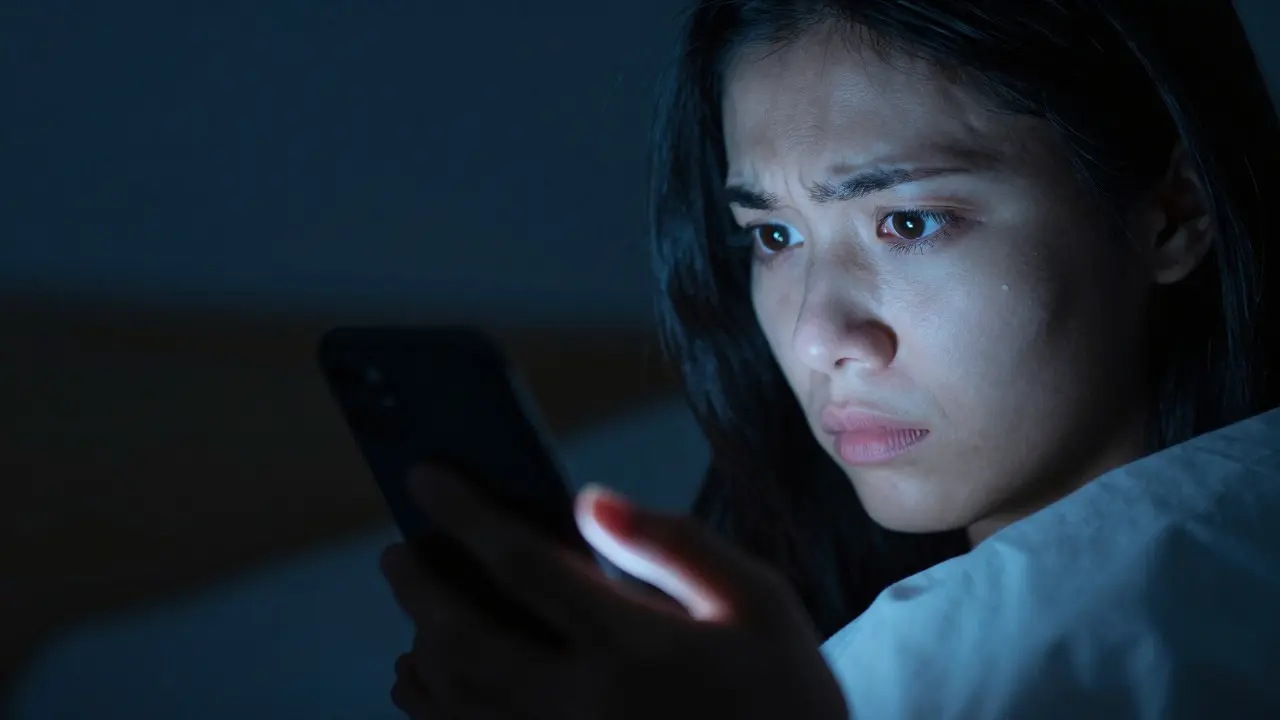
Have you ever checked a mole only to convince yourself it’s cancer? Or felt a slight headache and immediately searched for brain tumors online? If this sounds familiar, you might be dealing with health anxiety, also known as hypochondria. It is a mental health condition where individuals have an excessive fear of having a serious illness, despite medical reassurance.
This isn’t just about being cautious. For someone with health anxiety, the mind turns every minor twinge or normal bodily function into a potential catastrophe. The result? A daily life that feels like walking through a minefield of physical sensations. You aren’t imagining the stress, but the threat itself is often misinterpreted by your brain.
How Health Anxiety Hijacks Your Brain
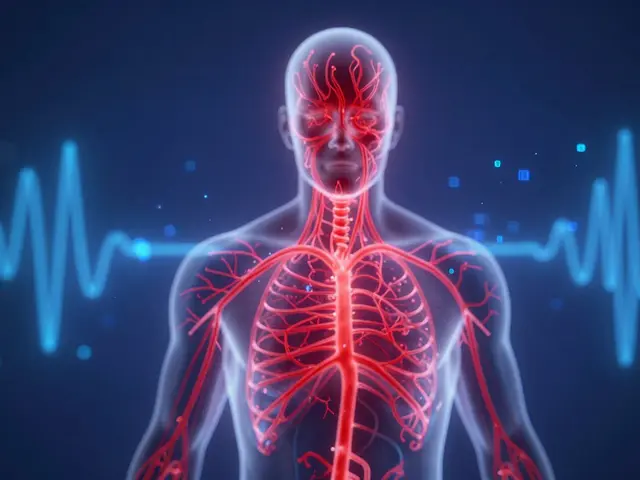
To understand why this happens, we need to look at how your brain processes information. Normally, your body sends signals-like a stomach gurgle or a skipped heartbeat-and your brain filters them out as noise. But in health anxiety, this filter breaks down.
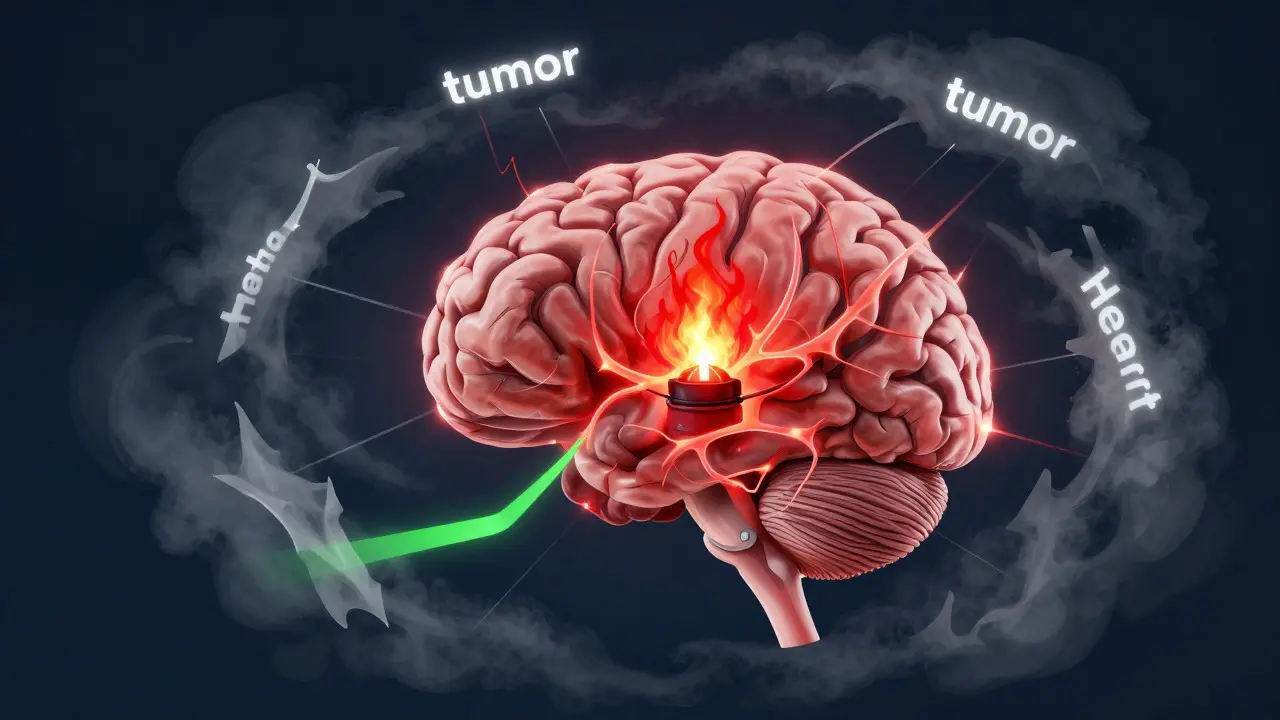
Your brain enters a state of hyper-vigilance. This means it scans your body constantly for danger. When it finds something ambiguous, like muscle tension after a long day, it doesn’t label it as "tiredness." Instead, it labels it as "heart attack" or "nerve damage." This triggers the amygdala, the part of the brain responsible for fear responses. Suddenly, you’re flooded with adrenaline. Your heart races, your palms sweat, and you feel panic. Ironically, these physical symptoms of anxiety then confirm your worst fears, creating a vicious cycle.
This process is deeply connected to catastrophizing, a cognitive distortion where you predict the worst possible outcome without evidence. It’s not a logical error; it’s an emotional reflex. Recognizing this mechanism is the first step toward breaking free from it.
The Ripple Effect on Daily Routine
You might think health anxiety stays in your head, but its impact spills over into every corner of your daily life. Here is how it typically manifests:
- Work Performance: Constant checking of symptoms leads to distraction. You might spend hours researching diseases instead of focusing on tasks. Some people even call in sick frequently because they feel too unwell to work, despite having no diagnosed condition.
- Social Isolation: Conversations become difficult. If a friend mentions feeling tired, you might worry they are spreading a virus. Or, you might withdraw entirely because explaining your health fears feels exhausting. Over time, relationships suffer as others struggle to understand why reassurance never seems enough.
- Financial Strain: Frequent doctor visits, unnecessary tests, and online subscriptions to health forums add up. Many people with health anxiety spend thousands of dollars trying to find a diagnosis that doesn’t exist.
- Sleep Disruption: Lying in bed becomes a time for body scanning. Every sound or sensation is analyzed. This leads to insomnia, which further worsens anxiety and physical sensitivity, making the next day harder.
The goal of living with health anxiety often shifts from "living well" to "surviving safely." This narrow focus drains energy that could be used for hobbies, career growth, or joy.
Distinguishing Health Anxiety from Normal Concerns
It is natural to worry when you feel sick. The difference lies in intensity, duration, and impact. Normal health concern fades once a doctor says you are fine. Health anxiety persists despite clear medical evidence to the contrary.
| Feature | Normal Health Concern | Health Anxiety |
|---|---|---|
| Response to Doctor Reassurance | Relief and acceptance | Doubt or temporary relief followed by new fears |
| Frequency of Body Checking | Only when symptomatic | Multiple times daily, even when feeling fine |
| Impact on Daily Activities | Minimal disruption | Significant interference with work, social life, or sleep |
| Research Behavior | Occasional lookup for specific symptoms | Compulsive searching (Cyberchondria) leading to increased fear |
If you recognize the second column, you are likely dealing with more than just worry. Acknowledging this distinction is crucial for seeking the right help.
Common Triggers and Risk Factors
Health anxiety rarely appears out of nowhere. Several factors can contribute to its development:
- Past Trauma: Having had a serious illness in childhood or watching a loved one suffer can make the body feel vulnerable. The brain learns to associate physical sensations with danger.
- Personality Traits: People who are perfectionists or have high levels of conscientiousness may apply those same standards to their health, demanding absolute certainty that they are safe.
- Information Overload: In the digital age, access to medical information is unlimited. However, cyberchondria-the habit of searching symptoms online-often leads to worst-case scenarios because search algorithms prioritize serious conditions to avoid missing diagnoses.
- Stress Levels: High general stress lowers your threshold for interpreting bodily signals. When you are already anxious about work or finances, a minor ache feels much more threatening.
Understanding your triggers helps you anticipate flare-ups. For example, if you know that reading news stories about diseases spikes your anxiety, you might limit your exposure during stressful periods.
Effective Strategies for Management
Living with health anxiety is challenging, but it is treatable. The most effective approach combines therapy with lifestyle adjustments. Medication can help in severe cases, but behavioral changes offer long-term relief.
Cognitive Behavioral Therapy (CBT)
Cognitive Behavioral Therapy (CBT) is the gold standard for treating health anxiety. It works by identifying and challenging distorted thoughts. A therapist will help you examine the evidence for your fears. For instance, if you believe a headache means a tumor, CBT helps you look at the probability: headaches are common, tumors are rare, and your previous headaches were benign.
Over time, you learn to tolerate uncertainty. Instead of needing 100% certainty that you are healthy, you accept that some level of risk is normal in life. This shift reduces the urge to seek constant reassurance.
Exposure and Response Prevention (ERP)
Part of CBT involves Exposure and Response Prevention. This means gradually exposing yourself to feared situations while resisting the compulsion to check or seek reassurance. For example, you might agree to go one day without checking your pulse. At first, this causes high anxiety, but eventually, the anxiety subsides on its own. This teaches your brain that the sensation is not dangerous.
Mindfulness and Acceptance
Mindfulness meditation helps you observe bodily sensations without judgment. Instead of fighting a strange feeling, you acknowledge it: "I notice a tightness in my chest." Then, you let it be there without attaching a story to it. This practice reduces the secondary anxiety-the fear of the fear itself.

Lifestyle Adjustments for Long-Term Relief
Beyond therapy, small daily changes can significantly reduce the grip of health anxiety:
- Limit Internet Searches: Set strict boundaries on health-related browsing. Use website blockers if necessary. Trust your doctor, not Google.
- Regular Exercise: Physical activity releases endorphins, which naturally reduce anxiety. It also improves sleep and overall physical health, giving you genuine reasons to feel good about your body.
- Reduce Stimulants: Caffeine and nicotine can mimic anxiety symptoms like rapid heartbeat and jitteriness. Cutting back can help your body stay calmer.
- Establish a Medical Care Plan: Work with your primary care physician to set a schedule for check-ups. Agree that between visits, minor symptoms will be monitored rather than investigated immediately. This prevents "doctor shopping" and unnecessary tests.
Remember, recovery is not linear. There will be days when old fears return. The key is to respond with compassion and strategy, not panic.
When to Seek Professional Help
If health anxiety is interfering with your ability to work, maintain relationships, or enjoy life, it is time to reach out. Look for a psychologist or psychiatrist who specializes in anxiety disorders or obsessive-compulsive spectrum conditions. In Australia, services like Beyond Blue or local community health centers can provide referrals. Early intervention leads to better outcomes, so don’t wait until you feel completely overwhelmed.
Is health anxiety the same as OCD?
They are closely related. Health anxiety was previously classified under Obsessive-Compulsive Disorder (OCD) in some diagnostic manuals. Both involve intrusive thoughts (obsessions) and behaviors to reduce anxiety (compulsions). However, health anxiety focuses specifically on illness fears, whereas OCD can cover many topics like cleanliness or symmetry. Treatment approaches, like CBT, are similar for both.
Can health anxiety cause real physical symptoms?
Yes. Chronic anxiety activates the nervous system, leading to real physical effects such as muscle tension, headaches, digestive issues, and fatigue. These are called somatic symptoms. They are genuine and uncomfortable, but they are caused by stress hormones rather than a disease like cancer or heart disease.
How long does it take to recover from health anxiety?
Recovery varies by individual. With consistent Cognitive Behavioral Therapy (CBT), many people see significant improvement within 12 to 16 weeks. However, managing health anxiety is often a long-term process. Relapses can happen during stressful times, but skills learned in therapy help you bounce back faster.
Should I stop seeing my doctor if I have health anxiety?
No. Regular check-ups are important for preventive care. The goal is to change *how* you interact with your doctor. Instead of frequent emergency visits for minor symptoms, establish a routine schedule. Communicate openly with your doctor about your anxiety so they can support your treatment plan effectively.
Does medication help with health anxiety?
In some cases, yes. Selective Serotonin Reuptake Inhibitors (SSRIs) are commonly prescribed to reduce overall anxiety levels. Medication can make therapy more effective by lowering the intensity of symptoms. However, medication alone is rarely a cure; it works best when combined with psychological therapies like CBT.