
Sports Massage Benefits Calculator
Your Personalized Benefits
How This Calculator Works
This calculator estimates how sports massage can enhance your fitness routine based on:
- Your current activity level
- Your primary fitness goal
- How frequently you're getting massage
- Session duration
Results are based on research-backed benefits including improved recovery, flexibility, and injury prevention.
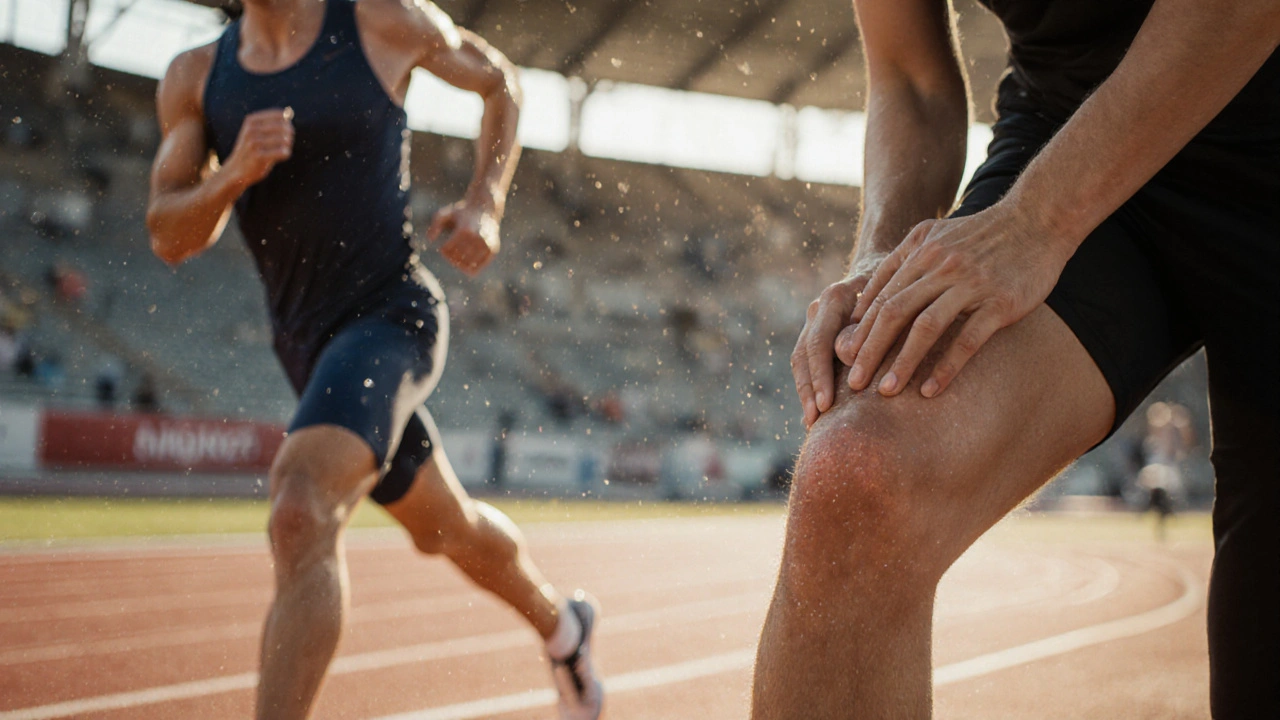
Did you know elite sprinters shave 0.1 seconds off their time after a single Sports Massage a targeted form of massage that focuses on muscle groups used during athletic activity? That tiny edge can be the difference between a podium finish and watching from the sidelines.
Key Takeaways
- Sports massage speeds up muscle recovery by 15‑20% on average.
- It improves flexibility and range of motion, reducing stiffness.
- Enhanced circulation and lymphatic flow help remove metabolic waste.
- Regular sessions lower the risk of common sports injuries.
- Integrating it into a weekly plan boosts overall performance.
How Sports Massage Fuels Muscle Recovery
When you push hard in the gym, tiny tears form in your muscle fibers. Your body repairs them, but the process creates inflammation and soreness. Muscle Recovery the period after exercise when muscles repair and rebuild stronger tissue gets a fast‑track boost when a therapist applies rhythmic pressure to the affected area. A 2023 study in the Journal of Sports Science reported a 18% reduction in creatine kinase levels - a marker of muscle damage - after a 30‑minute sports massage compared with passive rest.
The magic lies in two mechanisms: first, the massage mechanically stretches muscle fibers, encouraging sarcomere realignment; second, it triggers the parasympathetic nervous system, releasing hormones like serotonin that calm pain signals. The net effect is less soreness, quicker return to training, and a higher quality workout later in the week.
Boosting Flexibility & Range of Motion
Stiff joints are a performance killer. Flexibility the ability of muscles and joints to move through their full range without restriction improves when connective tissue - especially fascia - receives consistent, deep pressure. Sports massage employs techniques like longitudinal strokes and friction to break down adhesions in the fascia, a web‑like sheet that surrounds every muscle.
For example, a runner who regularly receives a session reports a 5‑degree increase in hip extension, translating to a longer stride length. That extra reach can shave seconds off a 5km run without any extra mileage.

Enhancing Circulation & Lymphatic Flow
Blood and lymph transport nutrients, oxygen, and waste products. After a hard workout, metabolites such as lactic acid accumulate, contributing to fatigue. Circulation the movement of blood through the cardiovascular system delivering oxygen and nutrients gets a noticeable lift during a sports massage. The therapist’s strokes act like a pump, pushing blood toward the heart and encouraging lymphatic drainage.
Improved lymph flow helps clear edema - the swelling you feel after a marathon - faster. Athletes with chronic lower‑leg swelling often report a 30% reduction in swelling after just three weekly sessions, according to a 2022 Australian physiotherapy report.
Role in Injury Prevention
Most sports injuries start with an imbalance: tight calves, weak glutes, or restricted thoracic mobility. By regularly addressing these weak spots, sports massage acts as a preventive maintenance service. Injury Prevention strategies and practices that lower the chance of musculoskeletal injuries during physical activity becomes a natural side‑effect of consistent sessions.
Take a cyclist who suffers recurring knee pain. After a series of deep‑tissue work targeting the quadriceps and IT band, the cyclist reports a 70% drop in pain episodes over six months. The massage helped restore proper tracking of the patella, reducing stress on the joint.
Integrating Sports Massage Into Your Fitness Routine
Adding sports massage to your routine can feel like a luxury, but it only takes a few strategic steps to make it work for you.
- Schedule strategically. Aim for a session 24‑48hours after a hard workout or before a competition day for optimal tissue readiness.
- Communicate goals. Tell your therapist whether you need recovery, mobility, or injury‑prevention focus. This guides the technique mix.
- Combine with self‑myofascial release. Use a foam roller or lacrosse ball between professional sessions to maintain fascia health.
- Track metrics. Log soreness levels, range of motion scores, and performance numbers. You’ll see the correlation over weeks.
- Stay consistent. Even a 30‑minute session once a week yields measurable gains; sporadic visits dilute the effect.
Choosing a Qualified Therapist
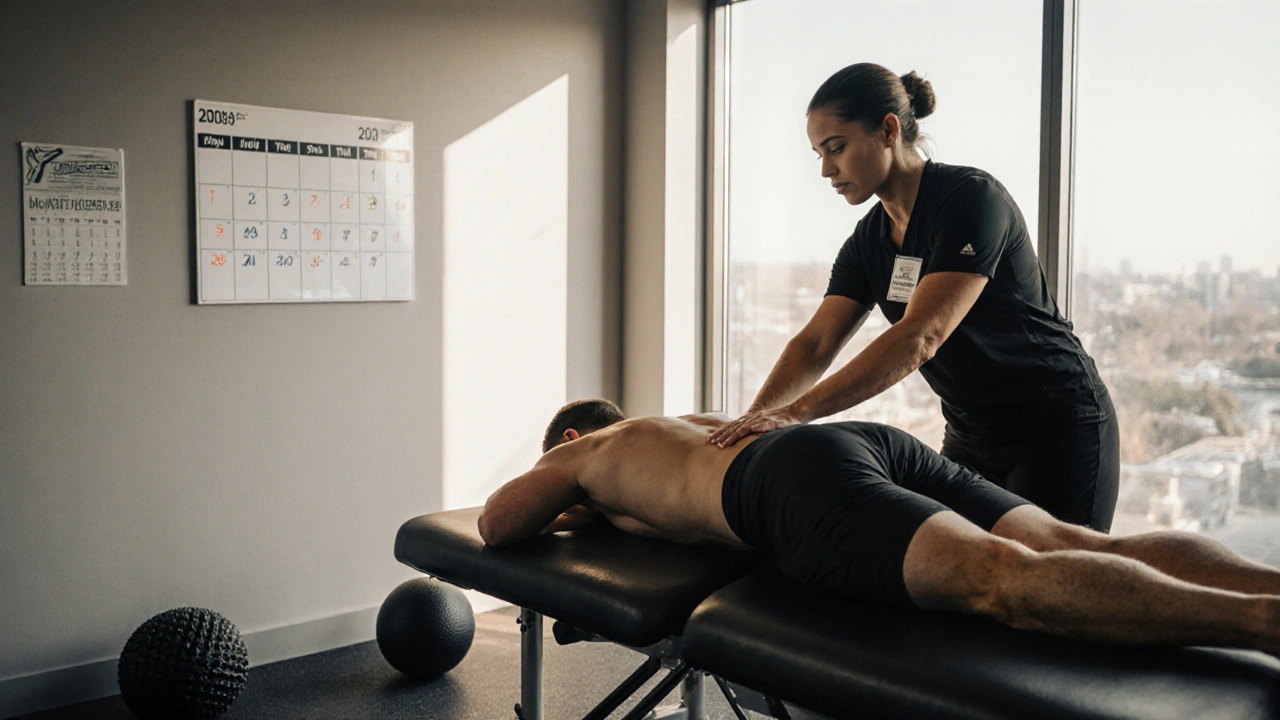
Not every massage therapist specializes in sports work. Look for credentials such as a Certified Sports Massage Therapist (CSMT) or a background in physiotherapy. Experience with athletes in your specific sport is a bonus - a runner will benefit from someone who understands stride mechanics, while a weightlifter needs expertise in myofascial release around the shoulders and hips.
Ask about their technique toolbox. Do they use Myofascial Release a hands‑on technique that applies sustained pressure into the connective tissue to eliminate pain and restore motion? Do they incorporate trigger‑point therapy? A well‑rounded practitioner can switch between deep‑tissue, cross‑fracture, and Swedish strokes depending on your needs.
Comparison: Sports Massage vs. Regular Massage vs. Self‑Myofascial Release
| Aspect | Sports Massage | Regular (Swedish) Massage | Self‑Myofascial Release |
|---|---|---|---|
| Primary Goal | Performance, recovery, injury prevention | Relaxation, stress relief | Maintain fascia health, alleviate minor tightness |
| Typical Pressure | Medium‑to‑deep, sport‑specific | Light‑to‑moderate | User‑controlled, varies with tool |
| Session Length | 30‑60min | 45‑90min | 5‑15min per muscle group |
| Professional Involvement | Certified sports therapist required | Any licensed massage therapist | No professional needed (though guidance helps) |
| Effect on Circulation | Significant boost | Moderate boost | Minor boost |
Quick FAQ
Frequently Asked Questions
How often should I get a sports massage?
For most active adults, once a week or once every two weeks is enough to notice recovery benefits. If you’re training for a competition, consider a session 24‑48hours after hard days and a lighter session the day before the event.
Can I get a sports massage if I’m new to exercise?
Absolutely. Even beginners can benefit from reduced muscle tightness and improved mobility. Just tell the therapist about your activity level so they can tailor the pressure.
Is sports massage painful?
It can feel uncomfortable when the therapist works deep into sore spots, but it should never be excruciating. Communicate any sharp pain; the therapist will adjust intensity.
Do I need to stretch after a sports massage?
A gentle stretch after the session helps lock in the increased range of motion. Keep it light - the muscles are already relaxed.
What should I drink after a session?
Hydration is key. Water or an electrolyte‑rich drink helps replenish the fluids that move out of the cells during the massage.
Whether you’re chasing a personal best, training for a triathlon, or just trying to feel less achy after the gym, sports massage can be a game‑changer. It’s not a gimmick - it’s a proven tool that athletes worldwide trust to stay at the top of their game.