Over 77% of adults report physical symptoms from stress each month, according to the American Institute of Stress. That's more than three out of four people. But stress doesn't have to control your life. The good news? Effective stress reduction doesn't require expensive therapy or hours of meditation. Simple, science-backed techniques can help you feel calmer in minutes. Here are 10 proven methods you can start using today.
Deep Breathing Techniques
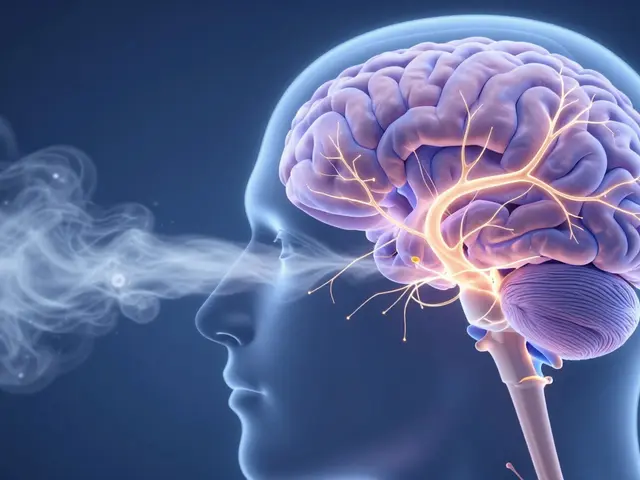
When stress hits, your body goes into fight-or-flight mode. Deep breathing signals your nervous system to relax. The 4-7-8 breathing technique is a simple method where you inhale for 4 seconds, hold for 7, and exhale for 8. This activates the parasympathetic nervous system, which lowers heart rate and blood pressure. Try this:
- Inhale through your nose for 4 seconds.
- Hold your breath for 7 seconds.
- Exhale slowly through your mouth for 8 seconds.
Repeat four times. A 2022 study in the Journal of Clinical Psychology found this technique reduces cortisol levels by up to 20% in just 10 minutes. Perfect for quick relief during a work meeting or before bed.
Progressive Muscle Relaxation
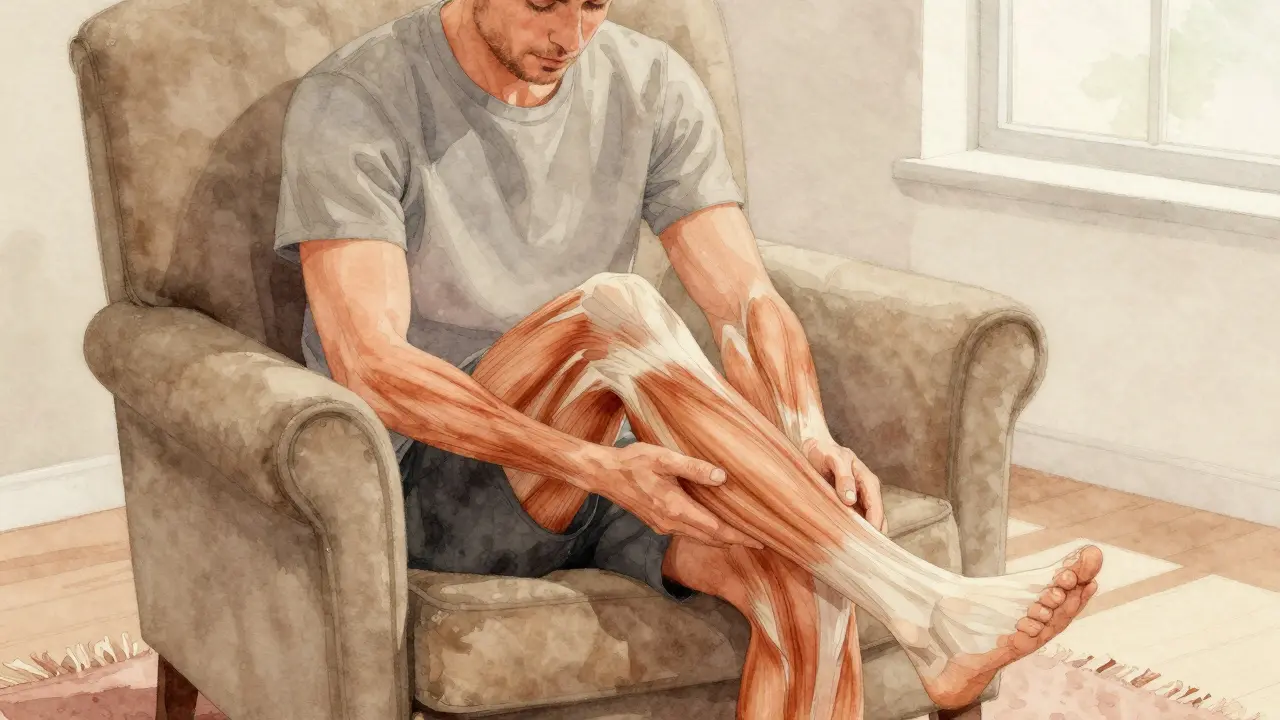
Tense and release each muscle group to relieve physical tension. Start with your toes, move up to your head. Hold each tension for 5 seconds, then release. This method is proven to reduce muscle tension linked to stress. The Mayo Clinic recommends this technique for chronic stress. A 2021 study in the Journal of Behavioral Medicine showed participants who practiced this daily for two weeks reported 30% less physical stress symptoms.
Mindfulness Meditation
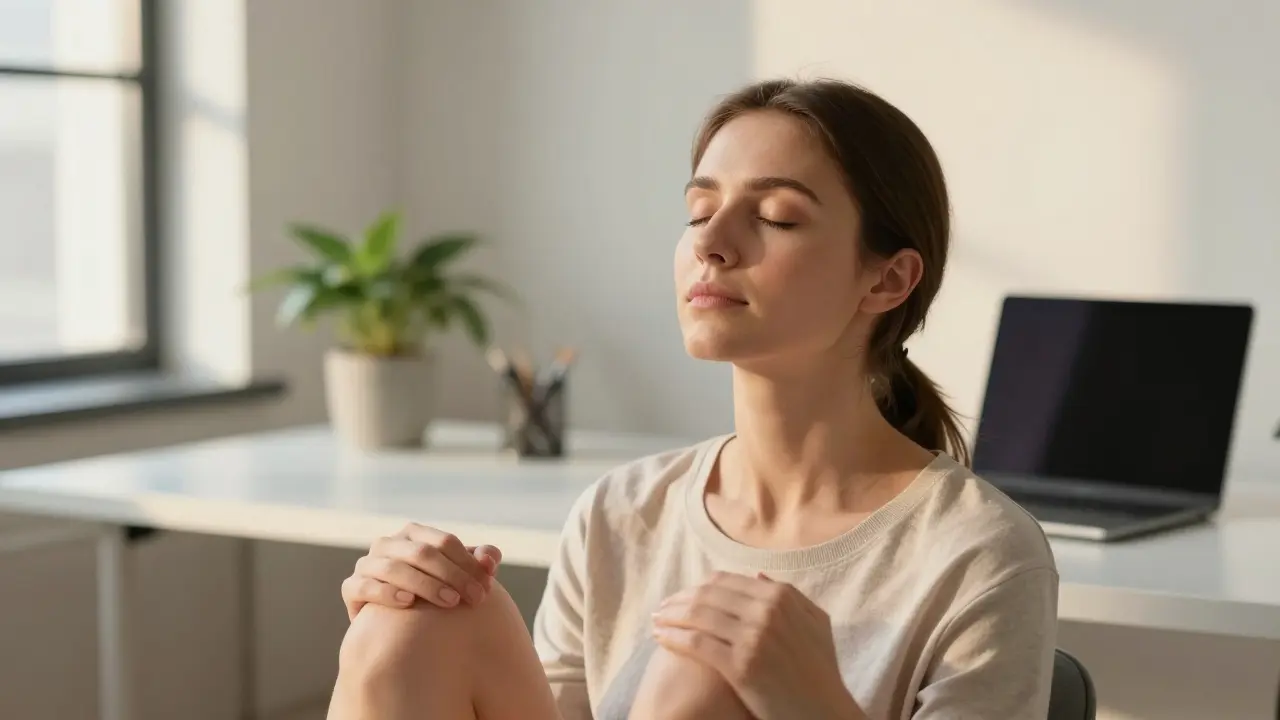
Focus on the present moment without judgment. Sit quietly, pay attention to your breath, and gently return focus when your mind wanders. Even 5 minutes a day helps. A 2023 study published in the Journal of Behavioral Medicine showed that 20 minutes of daily mindfulness meditation reduced anxiety symptoms by 35% in participants. You don't need a special app-just find a quiet spot and breathe.
Physical Activity
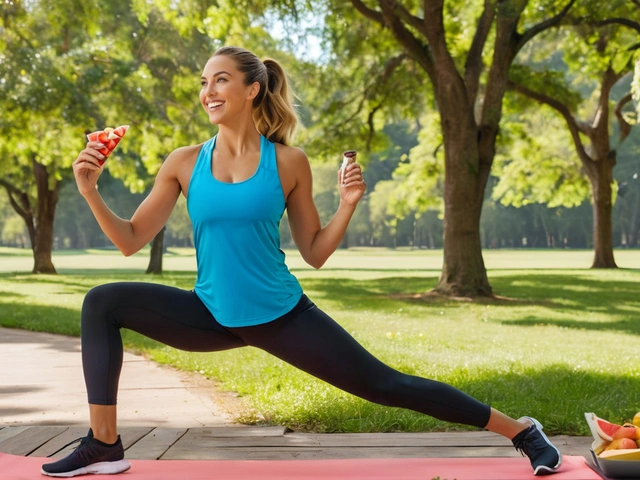
Exercise releases endorphins, your body's natural mood boosters. The CDC recommends 150 minutes of moderate activity weekly. A study in the Journal of Psychiatric Research found regular exercise reduced stress levels by 30% in 8 weeks. You don't need a gym-take a brisk walk, dance to your favorite songs, or do bodyweight exercises at home. Even 20 minutes a day helps.
Time Management Strategies
Overwhelm often comes from poor time management. Break tasks into smaller steps. Use the 'two-minute rule'-if a task takes less than two minutes, do it immediately. Prioritize tasks using the Eisenhower Matrix: urgent vs. important. A Harvard Business Review study found that people who prioritize tasks this way report 40% less stress. Try starting your day by listing three key tasks.
Social Support
Talking to someone you trust lowers stress hormones. Even a 10-minute chat can help. Research from the University of California shows social connection is as effective as therapy for some stressors. Don't wait for a crisis-reach out to friends regularly. A 2020 study in the Journal of Social and Personal Relationships found that people who maintained weekly social connections had 25% lower stress levels overall.
Journaling for Emotional Release
Write down your thoughts for 10 minutes. Expressive writing helps process emotions. A 2021 study in the Journal of Health Psychology found journaling reduced stress-related symptoms by 25% in just two weeks. Try this: 'What's stressing me right now? What can I do about it?' Keep it simple-no need for perfect sentences.
Sleep Hygiene Practices
Quality sleep is crucial for stress management. Set a consistent bedtime. Avoid screens an hour before bed. Your body needs 7-9 hours of sleep. Poor sleep increases cortisol levels by 50%, according to the National Sleep Foundation. Create a wind-down routine: read a book, take a warm shower, or listen to calming music.
Reducing Caffeine Intake
Caffeine spikes anxiety and disrupts sleep. Cut back on coffee-switch to herbal tea or water. The American Psychological Association notes that reducing caffeine by 50% can lower stress symptoms significantly. Try replacing your morning coffee with decaf or matcha. A 2022 study in the Journal of Psychopharmacology found participants who reduced caffeine reported 30% fewer anxiety symptoms within a week.
Hobbies and Creative Outlets
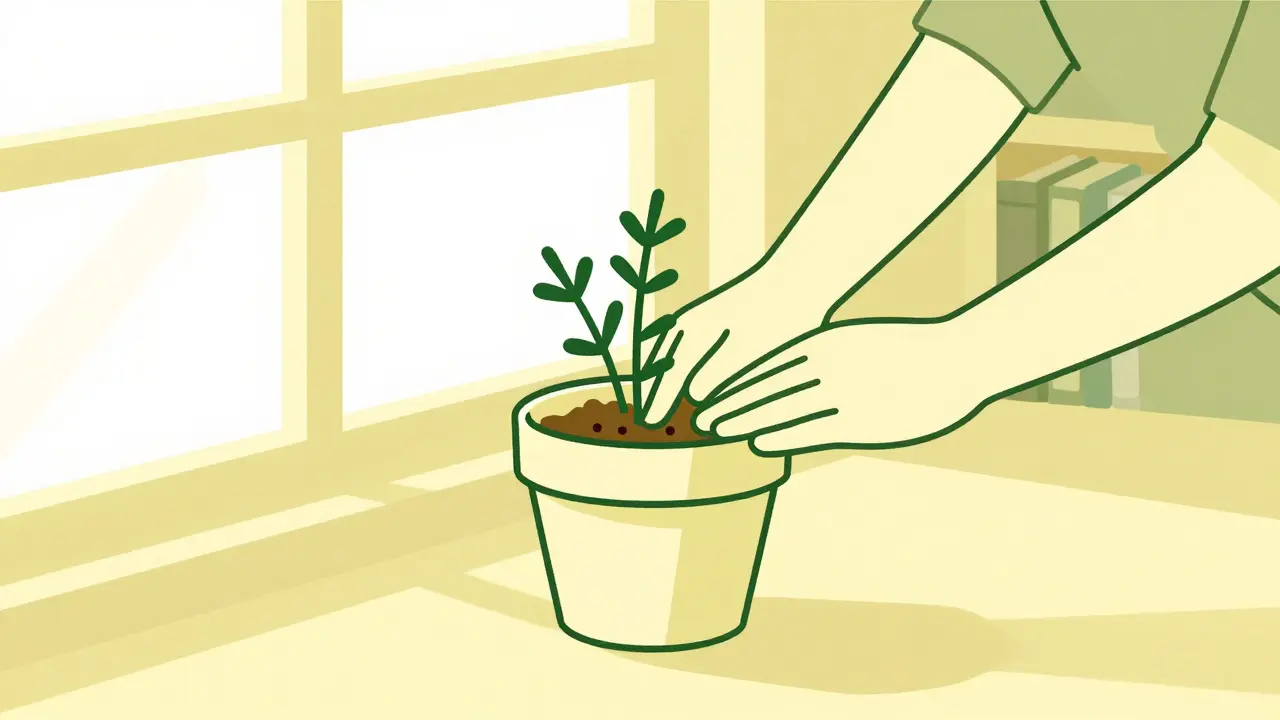
Engaging in creative activities shifts focus away from stress. Gardening, painting, playing music-anything you enjoy. A 2020 study in the Journal of Positive Psychology showed hobbies reduced stress by 30% within a week. You don't need to be an expert. Just 15 minutes a day can make a difference. Try sketching while listening to music or planting herbs on your windowsill.
How soon can I see results from these techniques?
Many people feel calmer after just one session of deep breathing or mindfulness. For lasting effects, consistency matters. Studies show regular practice over 2-4 weeks significantly lowers stress markers. For example, daily journaling for two weeks reduced stress symptoms by 25% in a 2021 study.
Can I combine multiple techniques?
Absolutely. Techniques like deep breathing before meditation or combining exercise with journaling often work better together. A 2023 study in the Journal of Behavioral Medicine found that combining two stress reduction methods increased effectiveness by 40% compared to single techniques.
What if I don't have time for all of them?
Start with just one. Deep breathing takes less than a minute and works anywhere. The American Psychological Association recommends beginning with 2-3 minutes of breathing exercises daily. Once that becomes a habit, add another technique. Small steps add up.
Are there any techniques to avoid?
Avoid techniques that increase stress, like intense exercise right before bed or caffeine to 'boost energy' when already stressed. Also, don't force mindfulness if it makes you anxious-some people find it counterproductive. Always listen to your body and adjust accordingly.
How do I know which technique works best for me?
Try each technique for 3-5 days and track how you feel. Use a simple journal: rate your stress on a scale of 1-10 before and after. A 2022 study in the Journal of Health Psychology found personalized stress management plans improved outcomes by 35% compared to generic advice.