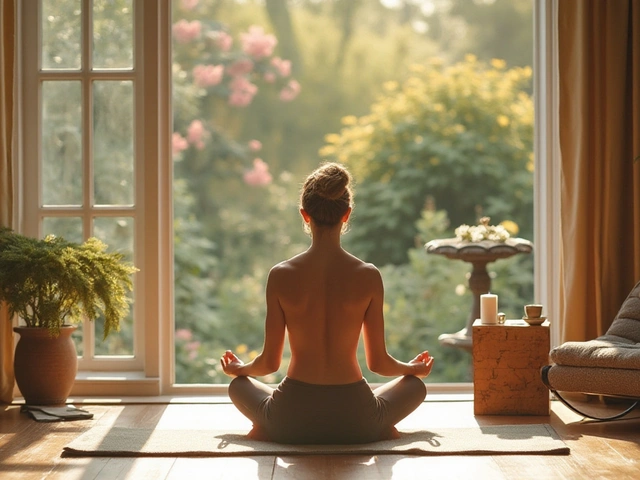

Feeling overwhelmed isn’t just a bad day-it’s your body screaming for a reset. If you’ve ever lain awake at 2 a.m. with your mind racing, or felt your shoulders tense up before a meeting, you’re not broken. You’re human. And the good news? Inner peace isn’t something you find on a mountaintop or in a five-day retreat. It’s built, one calm breath at a time, using simple, science-backed relaxation techniques you can start today.
Why Your Nervous System Needs a Break
Your body doesn’t know the difference between a lion chasing you and a boss’s last-minute email. Both trigger the same fight-or-flight response. In modern life, that system stays stuck on high alert. Heart rate up. Muscles tight. Breathing shallow. Over weeks or months, this wears you down-leading to irritability, fatigue, and even digestive issues. The solution isn’t to eliminate stress. That’s impossible. It’s to teach your body how to switch off. That’s where relaxation techniques come in. They don’t just make you feel better for a few minutes. They rewire your nervous system over time. A 2023 study from the University of Queensland found that people who practiced daily relaxation techniques for eight weeks lowered their resting cortisol levels by 27%-without medication.Deep Breathing: Your Instant Calm Button
The fastest way to calm your nervous system? Breathe. Not just any breathing-slow, controlled, belly-driven breathing. Try this: Sit or lie down. Place one hand on your chest, the other on your belly. Inhale through your nose for four counts. Feel your belly rise, not your chest. Hold for two counts. Exhale through your mouth for six counts. Feel your belly fall. Repeat for five cycles. That’s it. This isn’t meditation. It’s physiology. Long exhales activate your vagus nerve-the main nerve connecting your brain to your heart and gut. When it fires, your heart slows, blood pressure drops, and your body shifts from stress mode to rest mode. Do this for two minutes before a tough conversation, after scrolling news, or when you feel panic rising. It works.Progressive Muscle Relaxation: Release Tension You Didn’t Know You Carried
Most people carry tension like luggage they forgot they were holding. Shoulders? Jaw? Hands? You don’t even notice until you try to relax and can’t. Progressive muscle relaxation (PMR) teaches you to recognize and release that hidden strain. Start at your toes. Tighten them as hard as you can for five seconds. Then let go completely. Notice the difference between tension and relaxation. Move up: feet, calves, thighs, abdomen, chest, arms, hands, neck, face. Squeeze each group, then release. Do this once a day, especially before bed. A 2024 meta-analysis in the Journal of Clinical Psychology showed PMR reduced symptoms of anxiety and insomnia more effectively than passive rest. You’ll wake up feeling lighter-not just mentally, but physically. Your body remembers what relaxation feels like.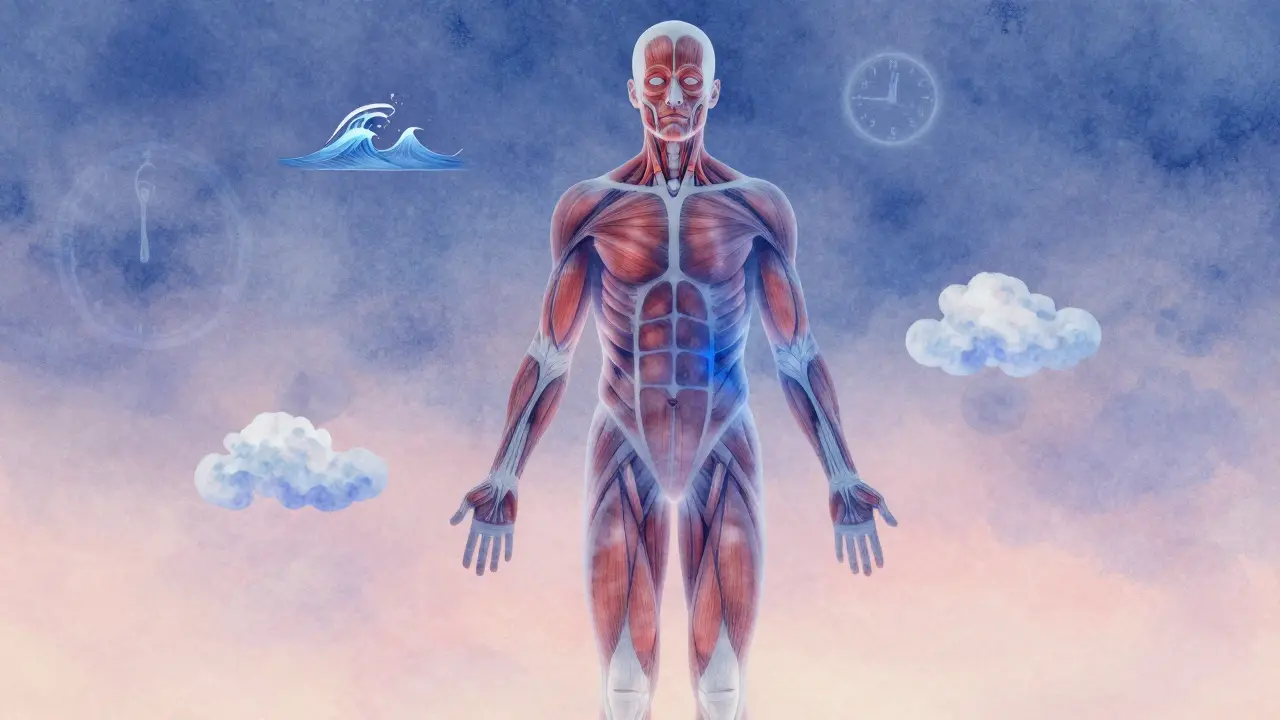
Guided Imagery: Escape Without Leaving Your Chair
Your mind can’t tell the difference between a real experience and a vividly imagined one. That’s why guided imagery works. You don’t need a beach or a forest. Just close your eyes and picture one. Start by imagining a place where you feel safe and calm. Maybe it’s a quiet lake at dawn, a cozy reading nook, or the kitchen of your childhood home. Add details: the smell of pine needles, the sound of water lapping, the warmth of a blanket. Engage all five senses. Do this for 10 minutes. Use a free app like Insight Timer or just record yourself reading a script. The key is consistency. People who use guided imagery daily report fewer panic attacks, better sleep, and lower blood pressure within three weeks.Box Breathing: The Navy SEAL Trick for High-Stress Moments
You don’t need to be a soldier to use this. Box breathing is used by firefighters, surgeons, and pilots to stay calm under pressure. It’s simple:- Inhale for 4 counts
- Hold for 4 counts
- Exhale for 4 counts
- Hold for 4 counts
Why These Techniques Work Better Than You Think
Most people try relaxation techniques once, feel nothing, and give up. That’s because they expect instant enlightenment. But these aren’t magic spells. They’re training tools. Think of your nervous system like a muscle. If you’ve spent years in fight-or-flight mode, it’s overworked and stiff. These techniques are like stretching and strengthening. The first time you do deep breathing, you might feel silly. The tenth time, you’ll notice your heart doesn’t race as fast after a stressful call. The fiftieth time, you’ll catch yourself breathing deeply before you even realize you were stressed. The real change happens in the gaps-between moments of chaos. It’s the quiet 90 seconds you spend breathing before checking your phone. It’s the five minutes you spend relaxing your jaw while waiting in line. Those micro-moments add up.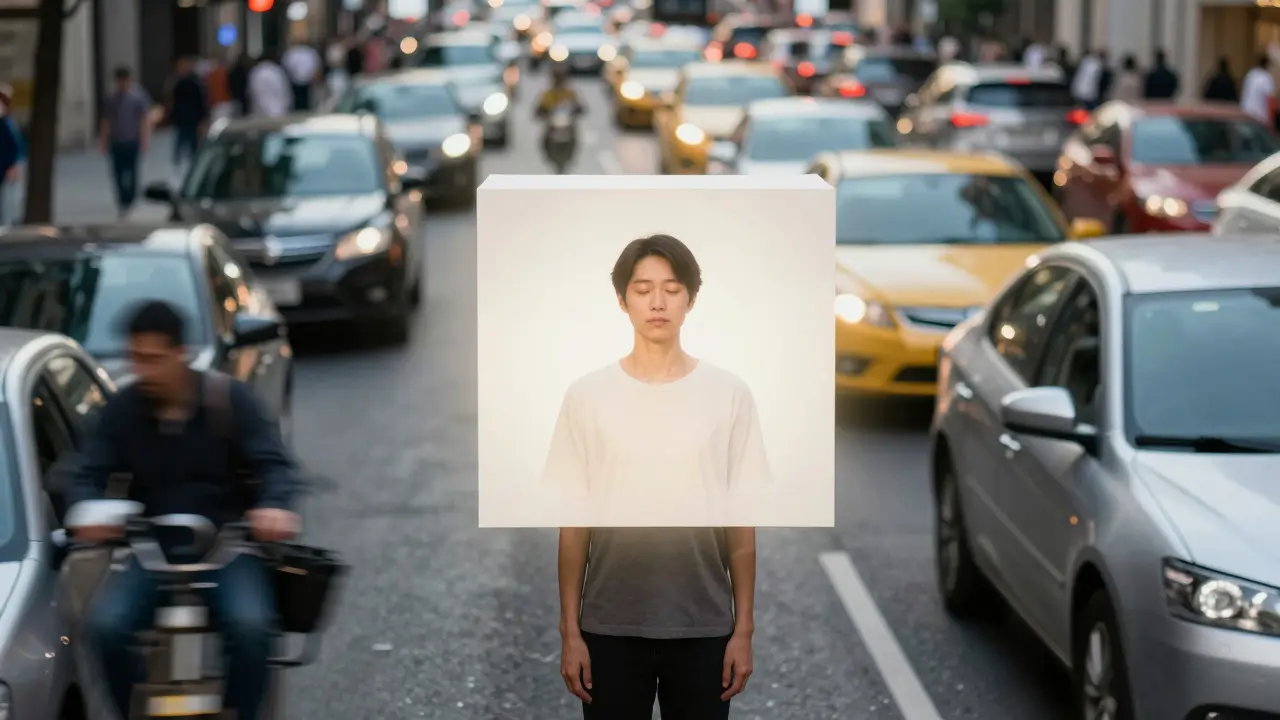
What Doesn’t Work (And Why You Should Skip It)
Not all relaxation advice is equal. Here’s what to avoid:- Just listening to ocean sounds-if you’re still scrolling or thinking about your to-do list, you’re not relaxing. Sound alone doesn’t calm you. Engagement does.
- Waiting for the ‘right time’-there’s no perfect moment. Do it when you’re annoyed. Do it when you’re tired. That’s when you need it most.
- Comparing yourself to others-some people meditate for an hour. You don’t need to. Two minutes of deep breathing every morning beats an hour of guilt.
Build Your Personal Relaxation Routine
Start small. Pick one technique that feels easiest. Try it for five minutes every morning for seven days. No exceptions. Set a phone reminder if you have to. After a week, add a second technique. Maybe deep breathing in the morning and PMR before bed. Or box breathing before meetings and imagery on your lunch break. Track how you feel-not with a journal full of entries, but with one simple question each night: Did I feel calmer today than yesterday? If the answer is yes, keep going. If not, tweak it. Swap techniques. Change the time. Keep experimenting until it sticks. Inner peace isn’t a destination. It’s a daily practice. And the best part? You don’t need special gear, a quiet room, or a subscription. Just your breath, your body, and five minutes to yourself.How long does it take to see results from relaxation techniques?
Most people notice subtle changes-like falling asleep faster or feeling less reactive-within 3 to 7 days of daily practice. Significant shifts in stress levels, sleep quality, or anxiety symptoms typically show up after 2 to 4 weeks. The key is consistency, not duration. Five minutes a day, done regularly, works better than an hour once a week.
Can relaxation techniques replace therapy or medication?
No. Relaxation techniques are powerful tools for managing stress and improving well-being, but they’re not substitutes for professional mental health care. If you’re dealing with clinical anxiety, depression, or trauma, therapy and medication can be essential. Use relaxation as a complement-not a replacement. Many therapists incorporate breathing and PMR into treatment plans because they work well alongside other interventions.
I can’t seem to quiet my mind during relaxation. Am I doing it wrong?
No. Trying to stop your thoughts is like trying to stop the tide. The goal isn’t to empty your mind-it’s to notice when your attention drifts and gently bring it back. If you’re doing deep breathing and your mind wanders to your grocery list, that’s normal. Just notice it, and return to your breath. Every time you do that, you’re strengthening your focus. That’s the exercise.
Which technique is best for nighttime anxiety?
Progressive muscle relaxation (PMR) is often the most effective for nighttime anxiety. It physically releases tension that keeps you awake, and the slow, methodical process signals to your brain that it’s safe to rest. Pair it with dim lighting and no screens. Do it in bed, lying down. Most people fall asleep before finishing all the muscle groups.
Do I need to sit still to practice relaxation techniques?
Not at all. You can practice deep breathing while walking, box breathing while stuck in traffic, or guided imagery while waiting for your coffee. Movement doesn’t ruin relaxation-it can enhance it. The key is reducing external stimulation. Put your phone away, turn off the TV, and focus on your body. Even five seconds of intentional breathing counts.