
Sports Massage Benefits Calculator
Your Personalized Benefits
Fill in your details and click "Calculate My Benefits" to see personalized recommendations.
Key Benefits of Sports Massage
Improved Blood Flow
Manual pressure increases local circulation by 15-20%, speeding up waste product removal.
Reduced Muscle Soreness
Breaks down micro-tears and encourages lymphatic drainage, reducing DOMS by up to 30%.
Hormonal Balance
Lowers cortisol and raises endorphins for better mood and pain tolerance.
Enhanced Flexibility
Combination of pressure and stretch increases joint range by 5-10% after one session.
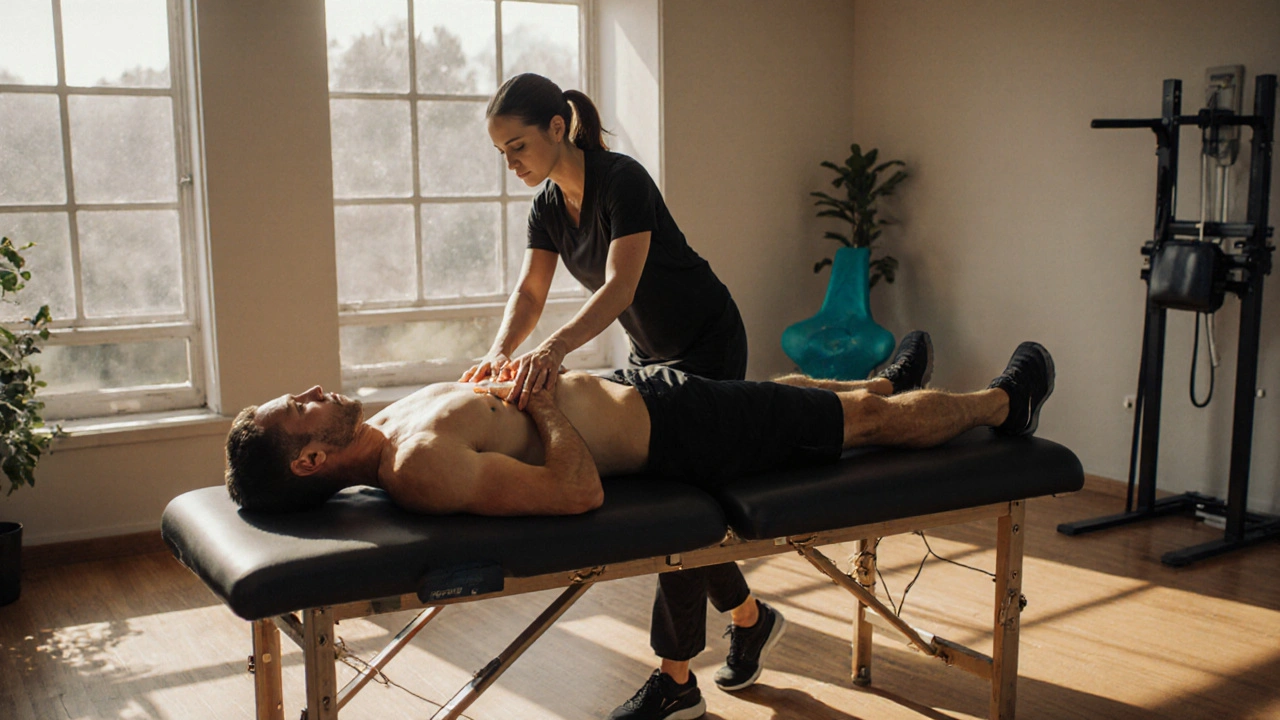
When you hear sports massage, you might picture a pampering session at a spa. But it’s far more than a treat-it’s a proven tool for athletes, weekend warriors, and anyone who moves their body regularly. Sports Massage is a specialized form of manual therapy that blends deep‑tissue techniques, myofascial work, and targeted stretching to improve performance, speed up recovery, and lower injury risk. It’s designed for people who train hard, compete, or simply want to stay mobile.
Key Takeaways
- Sports massage boosts circulation, reduces muscle tension, and helps the nervous system stay balanced.
- Regular sessions can improve flexibility, speed up post‑workout recovery, and lower the chance of strains.
- Ideal timing: 24‑48hours after intense activity, or 30‑60minutes before a competition for warm‑up benefits.
- Look for therapists with certifications in athletic or sports massage, and who understand your sport’s specific demands.
- Compared with Swedish or deep‑tissue massage, sports massage focuses on functional outcomes rather than just relaxation.
What Sets Sports Massage Apart?
Most people know the gentle, flowing strokes of a Swedish massage-great for relaxation, but not always optimal for high‑intensity training needs. Deep Tissue Massage uses firmer pressure to target the deeper layers of muscle, yet it can be too intense for a warm‑up and may leave you sore afterward. Sports massage blends the best of both worlds: exacting pressure where it matters, combined with dynamic stretches that mimic the motions you’ll perform in your sport.
Another technique often woven into a sports massage session is Myofascial Release, a method that loosens the connective tissue (fascia) surrounding muscles. Tight fascia can limit range of motion and create trigger points that refer pain to other parts of the body. By releasing these restrictions, athletes regain smoother movement patterns.
Core Benefits Backed by Science
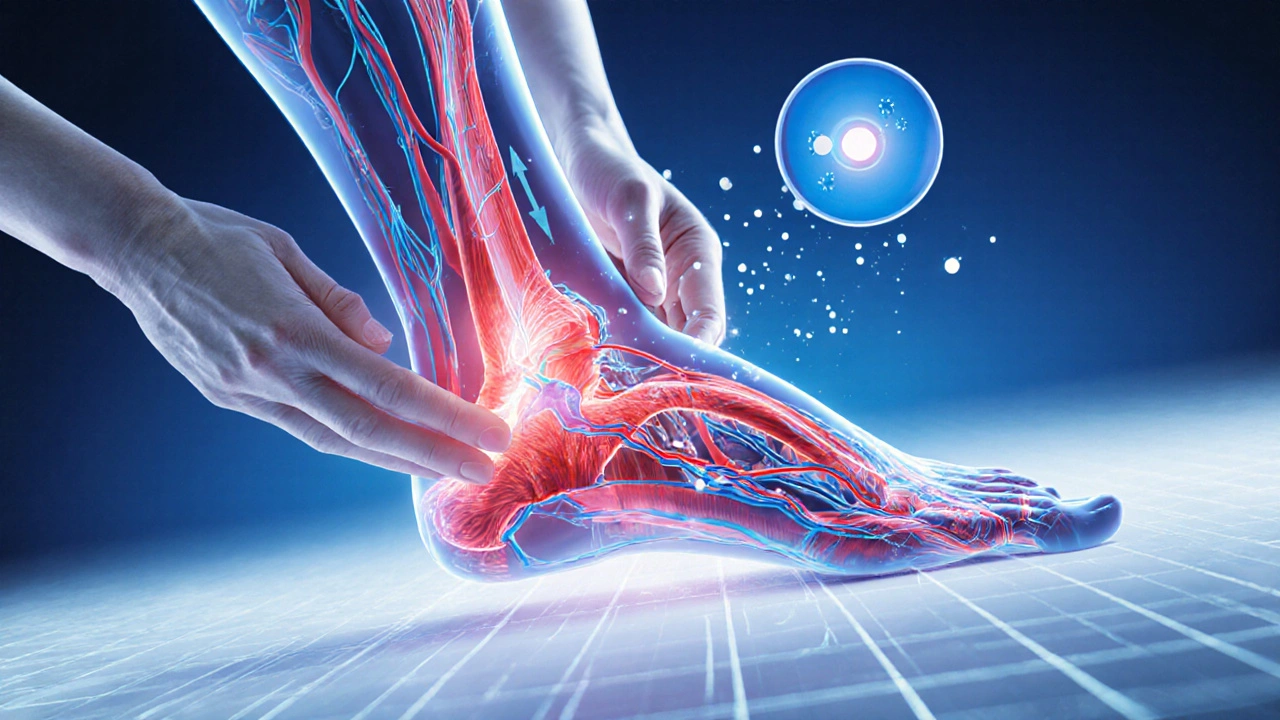
1. Improved Blood Flow - Manual pressure compresses veins and then releases them, pumping fresh, oxygen‑rich blood into fatigued muscles. Studies show a 15‑20% increase in local circulation after a 30‑minute session, which speeds up waste‑product removal.
2. Reduced Muscle Soreness - By breaking down micro‑tears and encouraging lymphatic drainage, sports massage can cut perceived DOMS (delayed‑onset muscle soreness) by up to 30%.
3. Hormonal Balance - Physical manipulation lowers cortisol (the stress hormone) and raises endorphin levels, giving you a natural mood lift and a better pain threshold. Cortisol is a catabolic hormone that, when elevated, can impair muscle repair. Endorphins act as natural analgesics and mood enhancers, helping athletes feel more motivated.
4. Enhanced Flexibility and Range of Motion - The combination of pressure and stretch targets both muscle fibers and fascia, often producing a 5‑10% increase in joint range after a single session.
5. Injury Prevention - Regularly addressing tight spots, imbalances, and scar tissue reduces the likelihood of strains, sprains, and overuse injuries. For example, a 2023 cohort of collegiate runners who received weekly sports massage saw a 22% drop in ankle sprains.
When to Schedule a Session
Pre‑event (Warm‑up) Sessions: 30‑60minutes 1‑2hours before a competition or intense training block. The therapist will use lighter pressure and dynamic stretching to activate muscles, improve proprioception, and prime the nervous system.
Post‑event (Recovery) Sessions: Within 24‑48hours after heavy exertion. Deeper pressure helps flush metabolic waste, while gentle myofascial work eases lingering tension.
Maintenance Sessions: Every 2‑4weeks for athletes in season, and once a month during off‑season. Consistency keeps tissue health optimal and catches problems before they flare.
Choosing the Right Therapist
Not every massage therapist is trained for athletic demands. Look for these credentials:
- Certification from the National Certification Board for Therapeutic Massage & Bodywork (NCBTMB) with a specialization in sports or athletic massage.
- Experience working with your specific sport-runners need different focus than cyclists or weightlifters.
- Ability to explain the purpose behind each technique, so you know what you’re getting.
- Willingness to collaborate with other health professionals (physiotherapists, trainers) for a holistic plan.
Ask potential therapists about their approach to Recovery-do they incorporate percussion tools, cold‑therapy, or active stretching? Those who blend modalities often deliver faster results.
Sports Massage vs. Other Massage Types
| Feature | Sports Massage | Swedish Massage | Deep Tissue Massage |
|---|---|---|---|
| Primary Goal | Performance, injury prevention, recovery | Relaxation, stress relief | Release chronic tension, address deep muscle knots |
| Typical Pressure | Medium to firm, sport‑specific | Light to medium, flowing strokes | Firm to very firm, slow strokes |
| Session Length | 30‑60minutes | 60‑90minutes | 45‑90minutes |
| Best For | Athletes, active hobbyists, rehab patients | General public seeking relaxation | Individuals with chronic musculoskeletal pain |
In short, if you need a massage that translates directly into better movement, faster healing, and fewer injuries, sports massage is the clear choice.
Self‑Care Between Sessions
Even the best therapist can’t be on call 24/7. Here are practical steps you can take to keep the benefits rolling:
- Foam‑roll major muscle groups for 1‑2minutes each after workouts. This mimics the pressure of a therapist and helps maintain fascia elasticity.
- Stay hydrated. Water carries nutrients to repairing tissue and flushes out metabolites.
- Apply gentle compression. Elastic sleeves or kinesiology tape can reduce swelling and support muscles during intense training phases.
- Dynamic stretching before activity and static stretching after. This maintains the range gained during massage.
- Prioritize sleep. Growth hormone spikes during deep sleep, which aids tissue repair.
When you combine these habits with regular sports massage, you turn a periodic luxury into a daily performance advantage.
Common Misconceptions Debunked
Myth 1: It’s only for elite athletes. Anyone who moves-whether you jog, lift weights, or play weekend soccer-can benefit. The intensity and focus simply scale to your activity level.
Myth 2: It’s painful. While pressure can be firm, a skilled therapist adjusts based on your feedback. The goal is to create functional release, not inflict unnecessary pain.
Myth 3: One session fixes everything. Think of massage as a maintenance tool. Regular sessions prevent problems, while isolated visits may only provide temporary relief.
Future Trends in Sports Massage
Technology is nudging the field forward. Portable percussion devices, AI‑driven assessment tools, and hybrid tele‑massage consultations are emerging. However, the core-human hands understanding biomechanics-remains irreplaceable.
In Calgary, many sports clinics now combine traditional sports massage with movement‑screening software that flags asymmetries before they become injuries. If you’re in the area, look for providers that offer this integrated approach.
Frequently Asked Questions
How often should I get a sports massage?
During the competitive season, most athletes benefit from a session every 2‑4weeks. For heavy training blocks, add an extra post‑event session within 24‑48hours. Off‑season, a monthly visit keeps tissue health optimal.
Will a sports massage make me feel sore?
A little mild soreness can happen, especially after a deep release, but it should subside within 24hours. Communicating pressure preferences reduces this risk.
Can I combine sports massage with other recovery methods?
Absolutely. Pair massage with active recovery, compression, proper nutrition, and adequate sleep for the best results. Many clinics integrate cryotherapy or infrared saunas alongside massage.
Do I need a doctor’s referral?
No referral is required for preventive or performance‑oriented massage. However, if you have a specific injury, a medical professional’s note can guide the therapist’s approach.
What should I wear to a sports massage session?
Wear comfortable, breathable athletic wear that allows easy access to the muscles being treated. Many clinics provide draping sheets for privacy and warmth.
Sports massage isn’t a fancy add‑on-it’s a practical, evidence‑based practice that helps you move better, recover faster, and stay injury‑free. By understanding its benefits, timing, and how to pick the right therapist, you can turn a once‑in‑a‑while indulgence into a regular part of your health routine.