You walk into a room and the sharp, clean scent of eucalyptus hits you. Instantly, your shoulders drop, your breathing deepens, and that tight knot in your chest loosens. That is not magic; it is Aromatherapy, a holistic healing practice that uses natural plant extracts to improve mental and physical well-being. For many people, this ancient technique feels like a secret weapon against modern stress. But if you are new to it, walking into a store filled with hundreds of bottles can feel overwhelming. Which oil do you buy? How do you use it safely? Do you need expensive diffusers?
The good news is that getting started does not require a chemistry degree or a massive budget. You just need to understand the basics of how plants talk to your brain and body. This guide will help you move from confusion to confidence, giving you the tools to build a simple, effective routine that fits your life.
Understanding the Core Concept
At its heart, aromatherapy is about using volatile aromatic compounds found in plants. These compounds are known as Essential Oils, highly concentrated hydrophobic liquids containing volatile aroma compounds from plants. Unlike regular plant extracts, these oils capture the "essence" or scent of a flower, bark, seed, or leaf. When you inhale these scents, they travel through your olfactory system directly to the limbic system-the part of your brain that controls emotions, memory, and hormone balance.
This direct line to the brain is why smells trigger such strong memories or immediate emotional shifts. Lavender might remind you of a calm summer night, while citrus can make you feel alert and energetic. By choosing specific oils, you can influence your mood and physiology without ingesting anything. It is a non-invasive way to support your health.
Choosing Your First Oils
You do not need to buy twenty different bottles to start. In fact, sticking to a small rotation of versatile oils is smarter and more cost-effective. Here are three foundational oils that cover most beginner needs:
- Lavender, a calming essential oil known for promoting relaxation and sleep. This is the Swiss Army knife of aromatherapy. It helps with anxiety, minor burns, and insomnia. Look for Lavandula angustifolia on the label for the true therapeutic variety.
- Peppermint, an invigorating essential oil rich in menthol that boosts energy and aids digestion. If you hit a mid-afternoon slump or have a headache, peppermint is your go-to. The cooling sensation helps clear sinuses and sharpen focus.
- Tea Tree, a powerful antimicrobial essential oil commonly used for skin health and immune support. While less fragrant to some, it is excellent for cleaning surfaces or treating minor skin blemishes. Always dilute this one before putting it on your skin.
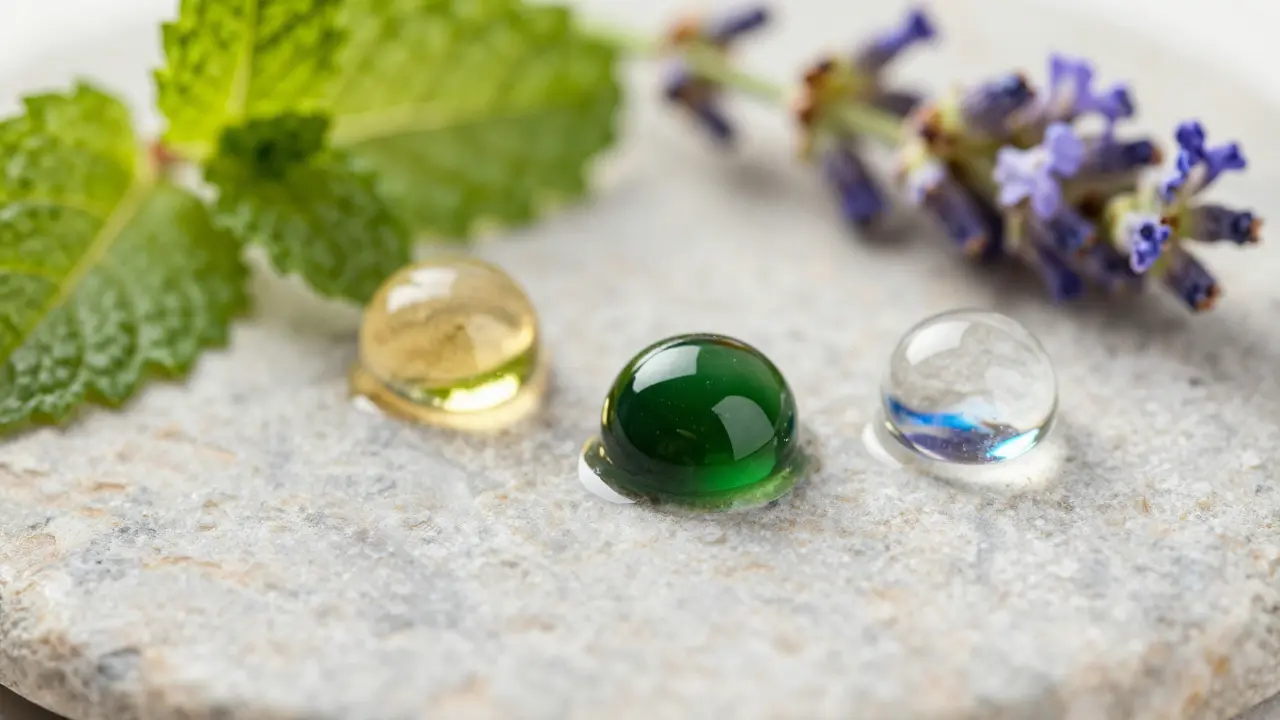
When buying, look for bottles labeled "100% Pure" or "Therapeutic Grade." Avoid terms like "fragrance oil" or "perfume oil," which often contain synthetic chemicals that lack the healing properties of real plants. Dark glass bottles (amber or cobalt blue) protect the oils from sunlight, which can degrade their potency.
Safety First: Dilution and Patch Testing
One of the biggest mistakes beginners make is applying undiluted essential oils directly to their skin. Because these oils are so concentrated, they can cause irritation, redness, or even chemical burns. You must always dilute them in a carrier oil before topical application.
A Carrier Oil, a mild vegetable oil used to dilute essential oils before applying them to the skin acts as a buffer. Good options include Jojoba Oil, a stable liquid wax ester extracted from the seeds of the jojoba shrub, sweet almond oil, or fractionated coconut oil. A safe general rule for adults is a 2% dilution rate. That means adding about 12 drops of essential oil to one tablespoon (15 ml) of carrier oil.
Before trying a new oil, perform a patch test. Apply a small amount of your diluted mixture to the inside of your wrist and wait 24 hours. If there is no redness or itching, you are likely safe to proceed. Also, keep in mind that some oils, like wintergreen or oregano, are extremely potent and should be used at much lower concentrations or avoided by certain groups entirely.
Methods of Use: Inhalation vs. Topical
There are two main ways to use essential oils: inhalation and topical application. Inhalation is often the fastest way to experience benefits because the molecules reach the brain almost instantly. Topical application allows the oils to absorb through the skin and enter the bloodstream, providing longer-lasting effects.
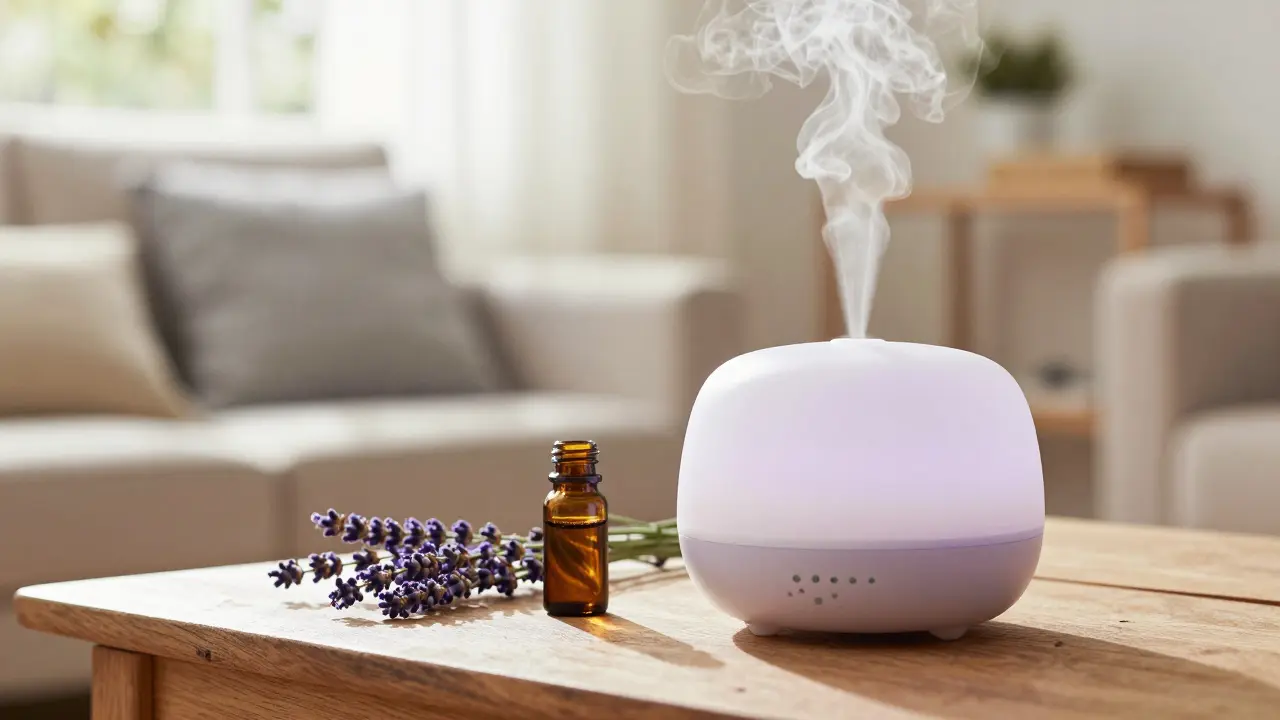
For inhalation, you can simply put a drop on your palm, cup your hands over your nose, and take deep breaths. Alternatively, add 3-5 drops to a Diffuser, a device that disperses essential oils into the air as a fine mist. Diffusers come in various types, but ultrasonic models are popular because they use water and sound waves to create a cool mist, preserving the integrity of the oil. Run the diffuser for 30-60 minutes at a time, then give your body a break.
For topical use, massage the diluted oil into your temples for headaches, your feet for grounding, or your chest for respiratory support. Never apply oils near your eyes, ears, or sensitive areas. And remember, ingestion of essential oils should only be done under the guidance of a qualified healthcare professional, as many oils are toxic if swallowed.
Building a Simple Routine
Consistency matters more than complexity. Instead of trying to use every oil you own every day, create simple rituals tied to existing habits. Here is a sample routine for a beginner:
- Morning Alertness: Add two drops of Peppermint and one drop of Lemon to a spray bottle filled with water. Mist your pillow or face to wake up.
- Work Focus: Put three drops of Rosemary or Frankincense in your desk diffuser during deep work sessions. These scents are linked to improved cognitive performance.
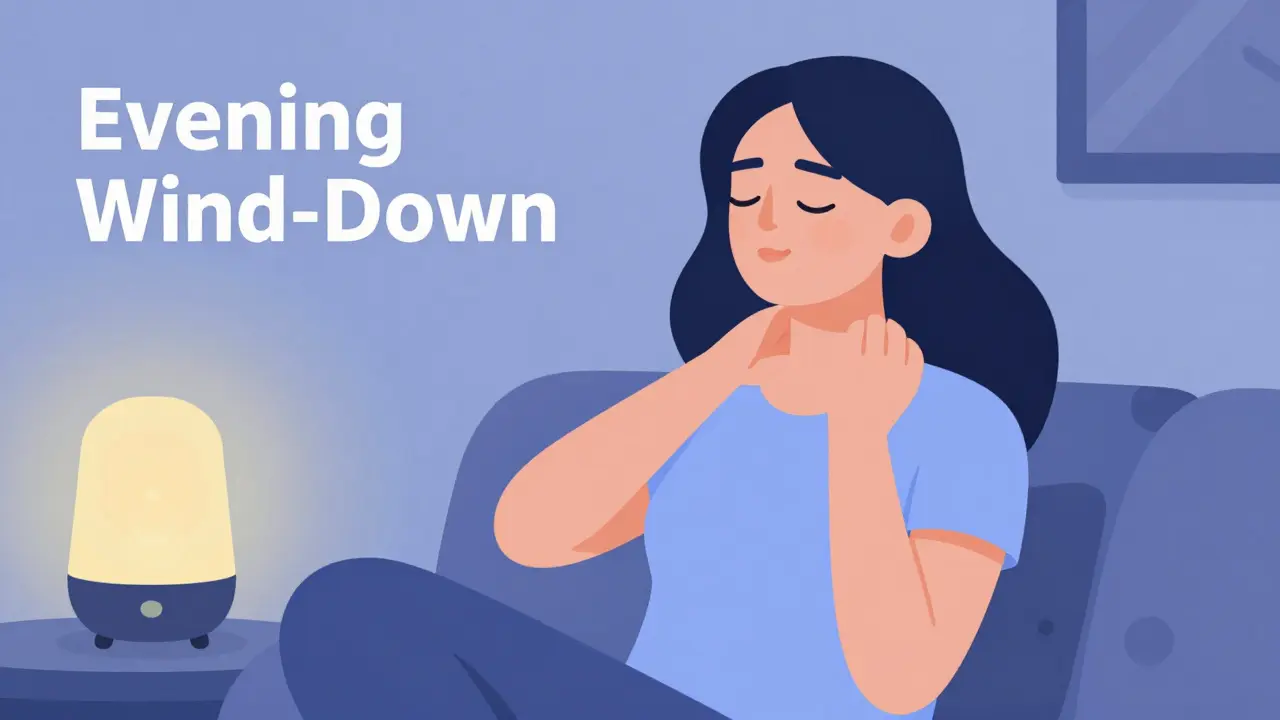
- Evening Wind-Down: Mix two drops of Lavender with a teaspoon of Jojoba Oil and massage it into your neck and shoulders before bed. This signals to your body that it is time to relax.
Notice how each step ties into a specific goal. You are not just smelling nice things; you are curating your environment to support your desired state of mind.
| Oil Name | Primary Benefit | Best Method | Safety Note |
|---|---|---|---|
| Lavender | Relaxation, Sleep | Inhalation, Topical | Generally safe for all ages |
| Peppermint | Energy, Digestion | Inhalation, Topical | Avoid around eyes; may irritate sensitive skin |
| Tea Tree | Antimicrobial, Skin | Topical (Diluted) | Never ingest; can be toxic if swallowed |
| Eucalyptus | Respiratory Support | Inhalation | Use caution with young children |
| Lemon | Mood Uplift, Cleaning | Inhalation, Topical | Phototoxic; avoid sun exposure after topical use |
Pitfalls to Avoid
As you explore, watch out for common traps. One major issue is expecting instant cures for serious medical conditions. Aromatherapy is a complementary therapy, not a replacement for medicine. If you have asthma, high blood pressure, or are pregnant, consult your doctor before starting any new regimen. Some oils can interact with medications or affect hormone levels.
Another pitfall is buying low-quality oils. If a bottle claims to contain "Orange Blossom" oil for $5, it is likely synthetic. Real orange blossom absolute is rare and expensive. Stick to reputable brands that provide GC/MS (Gas Chromatography/Mass Spectrometry) testing results, which verify the purity and composition of the oil.
Finally, do not overuse them. More is not better. Your sense of smell adapts quickly, so using too much oil can lead to olfactory fatigue, where you stop noticing the scent entirely. Less is often more powerful.
Can I use essential oils if I am pregnant?
Pregnancy changes how your body processes chemicals. Many essential oils are safe, but others can stimulate uterine contractions or affect hormones. Always consult your obstetrician before using any essential oil during pregnancy. Generally, first-trimester use is discouraged due to higher sensitivity.
How long do essential oils last?
Most essential oils have a shelf life of 1-2 years if stored properly in dark, cool places away from heat and light. Citrus oils tend to oxidize faster and may last only 6-12 months. Herbaceous oils like basil or rosemary also have shorter lifespans compared to woody oils like sandalwood, which can last decades.
Is it safe to use essential oils around pets?
Pets metabolize essential oils differently than humans. Cats, in particular, lack the liver enzymes to break down certain compounds found in tea tree, peppermint, and citrus oils, which can be toxic to them. Dogs are slightly more resilient but still sensitive. Always diffuse in well-ventilated areas and ensure pets can leave the room. Research specific oils for your pet species before use.
What is the difference between essential oil and fragrance oil?
Essential oils are extracted directly from plants through distillation or cold pressing and contain therapeutic properties. Fragrance oils are synthetic lab-created scents designed to mimic natural smells. They do not offer health benefits and may contain phthalates or other chemicals that can irritate the skin or respiratory system.
Do I need a special diffuser to get started?
No, you do not need an expensive device. You can start by placing a drop of oil on a cotton ball in your room, adding drops to a bowl of hot water for steam inhalation, or using a personal pendant diffuser. However, an ultrasonic diffuser provides the most consistent and gentle dispersion of oil particles into the air.