
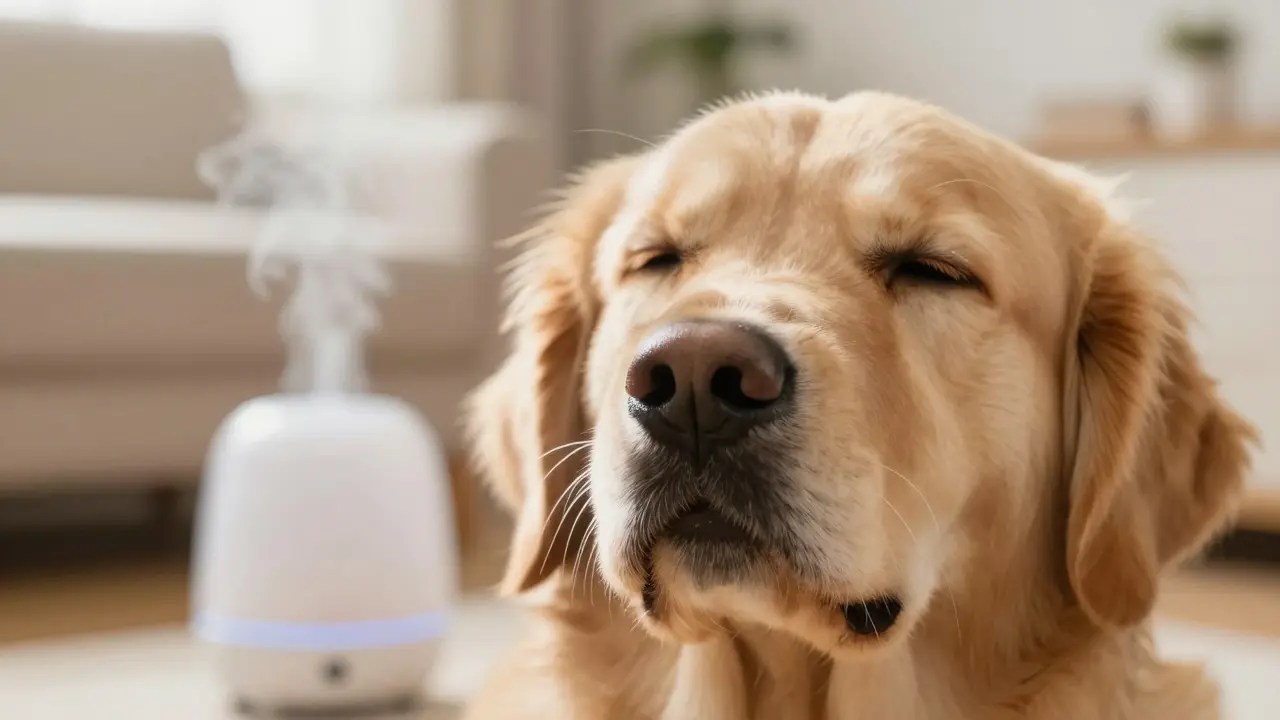
Most people assume that if an essential oil smells nice to us, it must be safe for their dog or cat. This is a dangerous assumption. While Aromatherapy is a complementary therapy using plant-derived essential oils to support physical and emotional well-being has become mainstream for humans, the application to animals requires a different approach. Your pet’s liver processes these compounds differently than yours, and what calms you might trigger toxicity in them.
You don’t need to avoid all scents to help your furry friend relax. You just need to know which ones are actually safe and how to use them without overwhelming their sensitive senses. This guide breaks down the specific oils that vets generally approve, the strict rules of dilution, and the red flags that mean you should stop immediately.
The Science Behind Pet Sensitivity
To understand why pet aromatherapy is tricky, you have to look at biology. Cats and dogs lack certain enzymes in their livers that humans have. Specifically, many cats are deficient in glucuronidation, a process needed to break down phenols found in some oils. If you use tea tree oil on a cat, for example, they may struggle to metabolize it, leading to potential toxicity even from small amounts.
Dogs are generally more tolerant than cats but still have a much higher sense of smell. Their olfactory bulbs are larger relative to their brain size compared to humans. A scent that feels subtle to you can feel like a foghorn to a dog. This means that "less is more" isn't just a suggestion; it's a safety requirement. When applying any treatment, you are working with a species that perceives chemical signals far more intensely than you do.
Safe Essential Oils for Dogs and Cats
Not every bottle on the shelf is appropriate. Some oils are considered low-risk when properly diluted, while others should be avoided entirely. Here are the most commonly recommended options by veterinary integrative medicine practitioners:
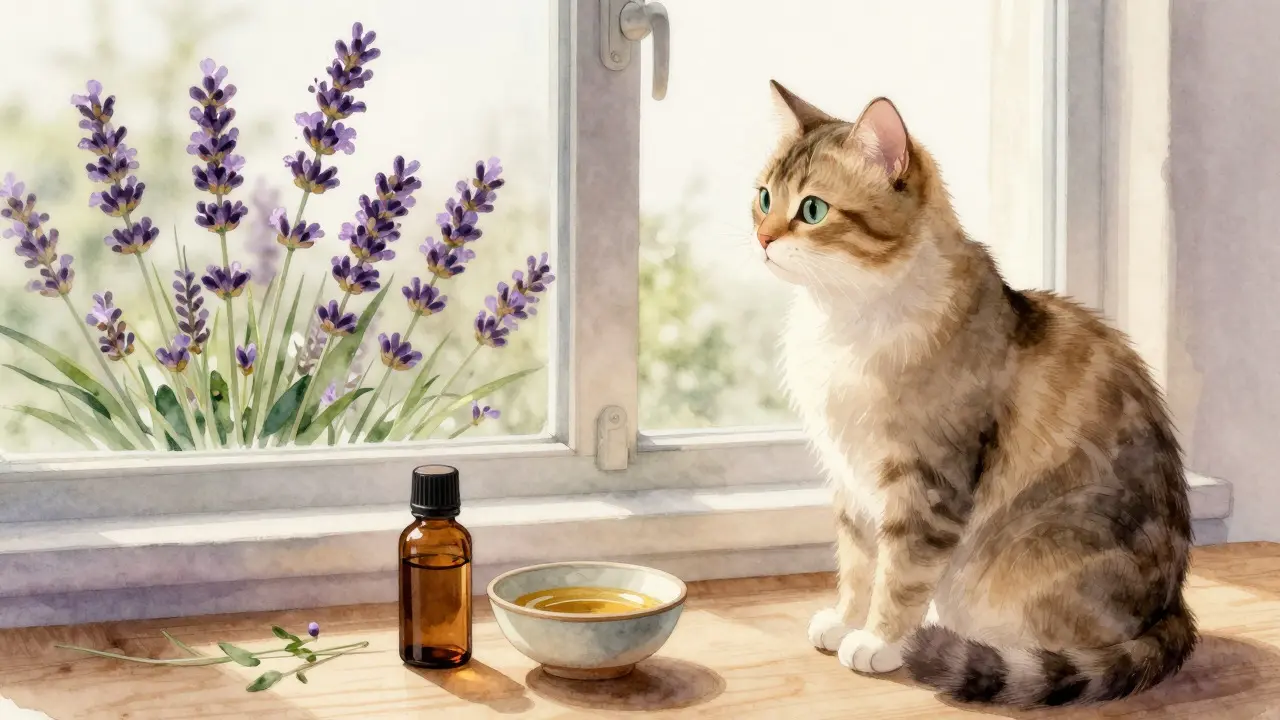
- Lavender Oil is a versatile oil known for its calming properties and mild antiseptic qualities: Often used for anxiety or minor skin irritations. It is one of the few oils considered relatively safe for both dogs and cats when diluted heavily.
- Chamomile Oil is a gentle flower extract used to soothe inflammation and calm nervous behavior: Good for pets with separation anxiety or those recovering from surgery who need comfort.
- Cedarwood Oil is a woody-scented oil that supports respiratory health and has grounding effects: Useful for pets with mild congestion or those who need to settle down during storms.
- Ginger Oil is a warming root extract that aids digestion and reduces nausea: Can help with motion sickness in cars, though it should be used with extreme caution due to its potency.
On the other hand, avoid eucalyptus, peppermint, tea tree (for cats), and citrus oils unless you have explicit clearance from a vet familiar with integrative care. These contain compounds that can be irritating or toxic depending on the dose.
How to Apply Essential Oils Safely
Never apply undiluted essential oil directly to your pet’s skin or fur. The concentration is too high and will cause burns or systemic absorption issues. Instead, you have three main methods of administration:
- Diffusion: This is the safest method for most pets. Use a cool-mist diffuser in a well-ventilated room. Keep the door open so the pet can leave if they find the scent overwhelming. Run the diffuser for only 15-30 minutes at a time.
- Topical Application: Mix the oil with a carrier oil like coconut or jojoba oil. For dogs, a standard dilution is 1% (about 6 drops of essential oil per ounce of carrier oil). For cats, go lower-0.25% to 0.5% is often safer. Apply only to non-groomable areas, like the pads of their feet, since they will lick everything else.
- Massage: Combining topical application with gentle massage can increase blood flow and relaxation. This is particularly effective for older pets with joint stiffness. Use lavender or chamomile here.
Always introduce new scents slowly. Start with a tiny amount and watch your pet’s reaction. If they sneeze excessively, rub their face, or try to hide, turn off the diffuser or wipe off the topical application.
Signs of Toxicity and When to Stop
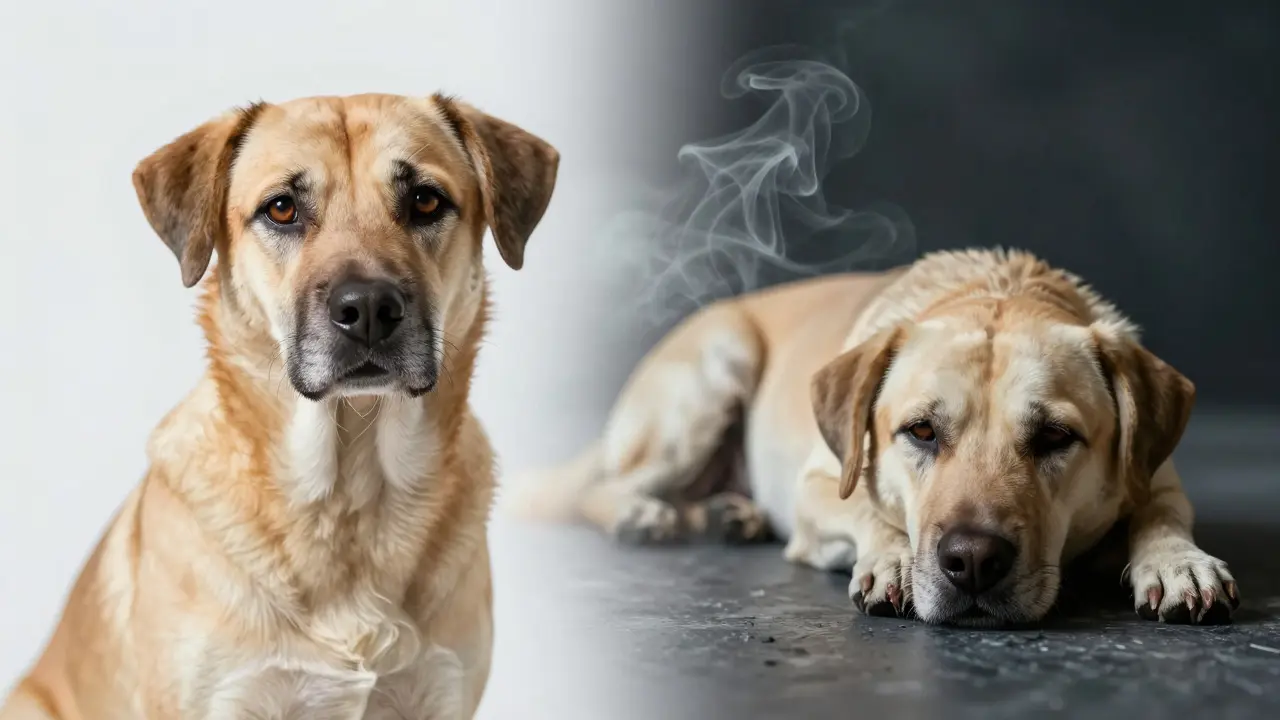
Even with safe oils, reactions happen. You need to know the difference between normal adjustment and adverse reaction. Watch for these symptoms after introducing a new oil:
- Excessive drooling or salivation
- Vomiting or diarrhea
- Tremors or muscle twitching
- Lethargy or unusual sleepiness
- Difficulty breathing or wheezing
- Redness or rash at the application site
If you see any of these signs, stop the exposure immediately. Wipe the area with plain water if you used a topical mix. If symptoms persist for more than an hour or worsen, call your veterinarian. Keep the bottle label handy so you can tell them exactly which oil was used and how much.
Comparing Safety Profiles: Dogs vs. Cats
Your choice of method depends heavily on whether you have a canine or feline companion. Cats are obligate carnivores with specific metabolic limitations, while dogs are omnivores with more flexible processing capabilities. Here is a quick comparison to help you decide your approach:
| Method | Dog Recommendation | Cat Recommendation | Key Risk Factor |
|---|---|---|---|
| Diffusion | Safe with ventilation | Use sparingly, short duration | Respiratory sensitivity in cats |
| Topical (Diluted) | 1% dilution standard | 0.25% - 0.5% max | Licking/Grooming ingestion |
| Ingestion (Oral) | Avoid unless prescribed | Generally Avoid | Direct liver stress |
| Bath Additive | Low risk if rinsed well | High risk (hard to rinse) | Residue ingestion during grooming |
Notice that oral ingestion is rarely recommended for either species. The liver has to work hard to process these concentrated plant compounds. Unless a veterinary naturopath specifically prescribes an oral tincture, stick to external or environmental exposure.
Common Mistakes to Avoid
Even well-meaning owners make errors that can backfire. Here are the most common pitfalls I see in pet wellness circles:
- Using Human Products: Human lotions and balms often contain synthetic fragrances, alcohols, or preservatives that are harsh on pet skin. Always buy pure, therapeutic-grade essential oils meant for direct use, not just fragrance blending.
- Over-Diluting Less: People think "natural" means "safe in any amount." It doesn’t. Tea tree oil, for instance, is safe for dogs in tiny doses but toxic in larger ones. Precision matters.
- Ignoring Individual History: A pet with asthma is not a good candidate for strong woody oils. A pregnant pet needs extra caution. Always consider your pet’s specific health history before starting any new therapy.
- Leaving the Room Closed: Diffusing in a sealed bedroom can create a high-concentration pocket of vapor. Ensure air circulation so the scent disperses evenly and thinly.
Start slow. Introduce one oil at a time. Give your pet a week to adjust before trying another. This helps you isolate what works and what doesn’t without creating confusion or compounding side effects.
Frequently Asked Questions
Can I put essential oil in my dog's food?
Generally, no. Oral ingestion bypasses the skin barrier and goes straight to the liver. Unless prescribed by a vet, stick to diffusion or topical application. If you must try it, use a single drop of a very mild oil like lavender on a treat, but monitor closely for digestive upset.
Are cats really that sensitive to essential oils?
Yes. Cats lack the hepatic glucuronidation pathway that helps humans and dogs process phenolic compounds. This makes them more susceptible to toxicity from oils like tea tree, eucalyptus, and pine. Stick to very low concentrations and prefer diffusion over topical use for felines.
What carrier oil is best for pets?
Fractionated coconut oil or jojoba oil are excellent choices. They are stable, non-greasy, and less likely to clog pores or cause irritation. Avoid olive oil for topical use as it can oxidize quickly and become rancid, potentially irritating sensitive pet skin.
How long should I diffuse essential oils for my pet?
Limit sessions to 15-30 minutes. After that, turn off the diffuser and let the room air out. Continuous exposure can lead to olfactory fatigue or respiratory irritation. Consistency matters more than duration; short, regular sessions are better than long, intense ones.
Is aromatherapy safe for puppies and kittens?
Proceed with extra caution. Young animals have developing livers and immune systems. Use half the standard adult dilution rate. Avoid strong scents entirely for newborns. For older puppies and kittens, start with the mildest oils like chamomile and monitor their reaction closely.