Quick Wins for Stress Relief
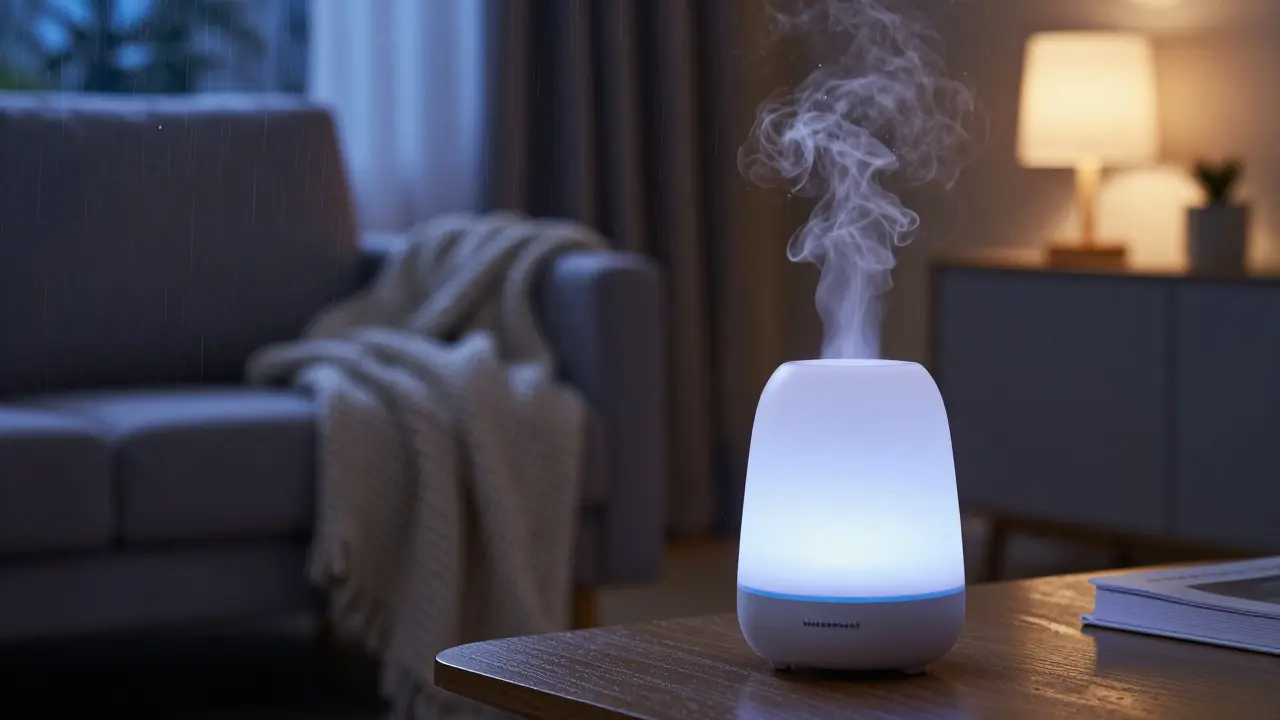
- Instant Calm: Use Lavender or Bergamot in a diffuser for 30 minutes during high-stress windows.
- Energy Boost: Dab a drop of Peppermint or Lemon on a tissue and inhale deeply to clear mental fog.
- Better Sleep: Apply diluted Roman Chamomile to your wrists before bed to shut off a racing mind.
- Grounding: Use Cedarwood or Sandalwood when you feel overwhelmed by a chaotic environment.
How Smells Actually Stop Stress
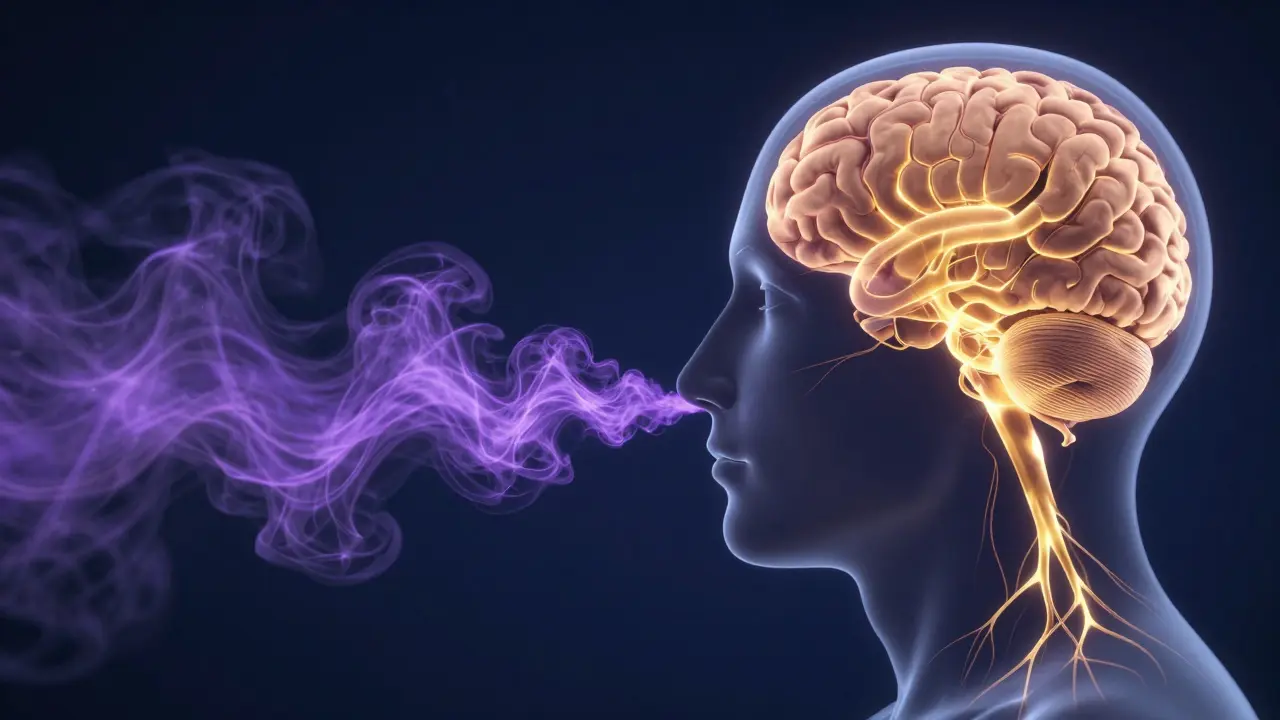
You might wonder why a scent can change your mood so quickly. When you inhale a scent, the molecules travel through your nasal cavity and hit the olfactory bulb. This area is directly linked to the Limbic System, which is the region of the brain that controls emotions, behaviors, and long-term memory . Unlike other senses that have to pass through a "relay station" called the thalamus, smell goes straight to the emotional center. This is why the scent of a specific perfume can instantly remind you of a childhood vacation or why certain smells can trigger a fight-or-flight response.
When you use aromatherapy for stress relief, you're essentially sending a signal to your amygdala-the brain's alarm system-that it's safe to relax. For example, Linalool, a compound found in lavender, interacts with neurotransmitters to reduce the excitability of neurons. This results in a physical drop in heart rate and a decrease in cortisol levels, the hormone responsible for that "wired" feeling of stress.
The Heavy Hitters: Best Essential Oils for Anxiety
Not all oils do the same thing. If you're trying to sleep, a citrus scent might actually wake you up. You need to match the oil to the specific type of stress you're feeling. Here are the most effective options based on their chemical properties.
| Essential Oil | Best For... | Key Effect | Vibe |
|---|---|---|---|
| Lavender | Insomnia & Panic | Sedative / Relaxant | Quiet & Dreamy |
| Bergamot | Low Mood & Anxiety | Mood Lifting | Bright & Uplifting |
| Ylang Ylang | Anger & Frustration | Blood Pressure Lowering | Sweet & Exotic |
| Frankincense | Overthinking / Chaos | Deep Breathing / Grounding | Earthy & Ancient |
| Clary Sage | Hormonal Stress | Emotional Balance | Herbal & Warm |
Ways to Use Aromatherapy Without Breaking the Bank
You don't need an expensive spa setup to make this work. There are several ways to integrate these scents into your day, depending on whether you're at home or at a desk in a busy office.
Diffusion and Inhalation
An Ultrasonic Diffuser is a device that uses water and electronic frequencies to create a fine mist of essential oils into the air . This is the best way to change the mood of an entire room. If you're in a public space, a "personal inhaler" or even just a drop of oil on a cotton ball works wonders. Try the 4-7-8 breathing technique: inhale the scent for 4 seconds, hold for 7, and exhale slowly for 8. This combines the chemistry of the oil with the physiology of deep breathing.
Topical Application
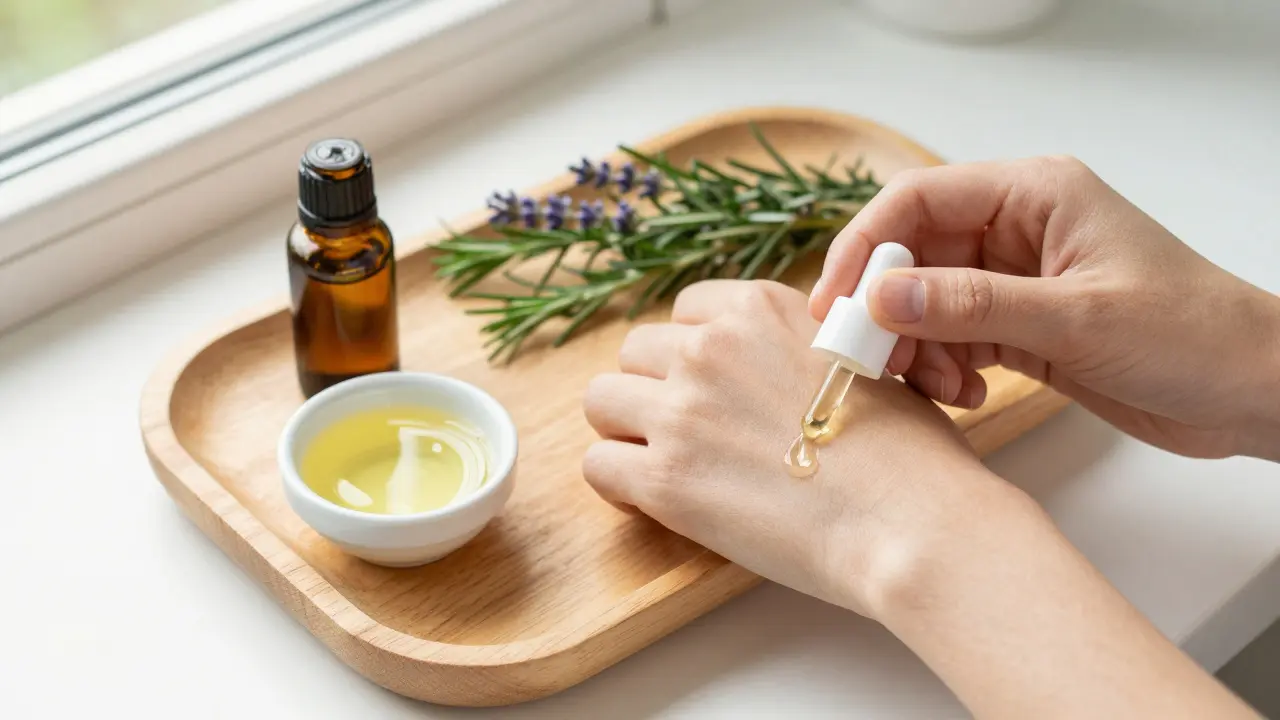
Applying oils to the skin allows for slower absorption and a more lasting effect. However, you can't just pour pure essential oil on your arm-that's a recipe for a chemical burn. You must use a Carrier Oil, which is a diluted base oil like jojoba, coconut, or almond oil used to safely carry essential oils into the skin . A good rule of thumb for adults is a 2% dilution, which means about 10-12 drops of essential oil per ounce of carrier oil.
The best pulse points for stress relief are the wrists, temples, and the back of the neck. Why? Because the skin is thinner there, and the blood vessels are closer to the surface, which helps the oils enter your system more efficiently.
Common Mistakes and Safety Warnings
Aromatherapy is natural, but "natural" doesn't always mean "safe." For instance, Photosensitivity is a skin reaction where the skin becomes hypersensitive to UV light after applying certain citrus oils . If you put Bergamot or Lemon oil on your skin and then go out into the midday sun, you could end up with a severe sunburn or dark spots. Always apply citrus oils to areas that won't be exposed to direct sunlight.
Another pitfall is the "more is better" mentality. Overloading a diffuser can actually cause headaches or nausea, which is the exact opposite of stress relief. If you start feeling a migraine coming on, turn off the diffuser and open a window. Also, be incredibly careful with pets. Cats and dogs have different liver enzymes than humans; oils like Tea Tree or Wintergreen can be toxic to them if diffused in a small, unventilated room.
Building Your Stress-Relief Toolkit
If you're just starting, don't buy a 50-pack of random oils. Start with a "Stress Kit" tailored to your specific triggers. For someone who struggles with work-related anxiety, a mix of Peppermint (for focus) and Lavender (for calm) is a great duo. For someone dealing with grief or deep emotional exhaustion, Frankincense and Vetiver provide a sense of stability and "holding."
Try creating a "scent anchor." This is a psychological trick where you use a specific oil only when you are in a state of complete relaxation-like during a warm bath or after a meditation session. After a few weeks, your brain associates that specific smell with being calm. Then, when you're in a high-stress meeting, just a quick sniff of that oil can "trick" your brain into returning to that relaxed state.
Can aromatherapy actually cure anxiety?
Aromatherapy is not a cure or a replacement for medical treatment for clinical anxiety disorders. However, it is a powerful complementary tool. It helps manage the physical symptoms of stress-like a racing heart or shallow breathing-making it easier to use other coping mechanisms like therapy or mindfulness.
What is the difference between essential oils and fragrance oils?
This is a huge distinction. Essential oils are extracted directly from plants and contain the actual chemical compounds of the plant. Fragrance oils are synthetic, man-made scents created in a lab. Fragrance oils might smell like a "rainforest," but they have zero therapeutic benefit and won't affect your limbic system to reduce stress.
How long does the effect of a scent last?
The immediate emotional shift happens in seconds. The physiological effect (like lower blood pressure) usually lasts as long as you are inhaling the scent or until the oil is absorbed into the skin, typically 20 to 60 minutes. This is why intermittent diffusion is more effective than running a machine for 10 hours straight.
Are there any oils that can actually increase stress?
Yes. Highly stimulating oils like Cinnamon or Clove can be too intense for some people, potentially causing irritability or a "jittery" feeling if used in excess. If you're already feeling panicky, avoid heavy stimulants and stick to calming floral or woody notes.
Can I put essential oils in my humidifier?
Be careful here. Many humidifiers are made of plastics that can be eroded by the concentrated chemicals in essential oils. Check your manual. If the tank isn't specifically labeled for oils, you risk breaking the machine or releasing plastic fumes into your air.
Next Steps for Your Wellness Journey
If you've tried aromatherapy and found it helpful, you might want to look into other sensory-based stress management techniques. Combining scents with Mindfulness practices, such as mindful walking or body scanning, can amplify the relaxation response. You can also explore weighted blankets or sound therapy (like binaural beats) to create a full-sensory "calm zone" in your home.
For those who find that aromatherapy isn't enough to handle their stress levels, consulting a certified aromatherapist or a mental health professional is the best next move. They can help you create a customized blend based on your specific health history and emotional needs, ensuring you get the most out of these botanical powerhouses.