
There is nothing quite like the moment you check your blood pressure monitor after a stressful morning and see those red numbers staring back at you. You take a deep breath, trying to relax, but the reading stays stubbornly high. This cycle of worry often pushes readings up even further. It creates a feedback loop where stress fuels high blood pressure, which causes more stress about health. That is why exploring Meditation as a natural intervention makes so much sense.
Many people think managing blood pressure requires only pills and strict diets. While medications are vital for many, lifestyle shifts play a massive role in long-term control. One of the most effective tools we have for calming the body without side effects involves sitting quietly. Recent data suggests that consistent practice can help lower systolic and diastolic pressure readings over time.
The Connection Between Your Mind and Your Blood Pressure
To understand why this works, you need to look at your autonomic nervous system. Think of this system as having two main branches. The first is the sympathetic nervous system. This is your fight-or-flight response. When you feel threatened or stressed, this branch ramps up. Your heart beats faster, your vessels constrict, and your blood pressure rises.
High Blood Pressure, medically known as Hypertension, is a condition where the force of blood against artery walls is too high. Often called the silent killer, it damages organs over time. Reducing systemic stress signals can directly impact these levels.
When you sit down to meditate, you activate the opposite branch. We call this the parasympathetic nervous system. This is your rest-and-digest mode. As you slow your breathing and quiet your thoughts, your body receives a safety signal. Your heart rate slows, your muscles relax, and importantly, your blood vessels widen slightly. This vasodilation allows blood to flow more easily, reducing the pressure inside your arteries.
Effective Techniques for Lowering Pressure
Not all meditation styles impact physical metrics the same way. Some focus heavily on spiritual growth, while others target physiological relaxation. For blood pressure specifically, techniques that involve focused breathing and body awareness tend to yield quicker results.
| Technique | Focus Point | Time Required | Best Outcome |
|---|---|---|---|
| Deep Breathing | Inhalation/Exhalation | 5-10 Minutes | Immediate Calm |
| Mindfulness | Present Moment | 15-20 Minutes | Long-Term Stress Reduction |
| Progressive Muscle Relaxation | Tension Release | 10-15 Minutes | Physical Tension Relief |
| Guided Imagery | Mental Scenery | 20 Minutes | Emotional Regulation |
One simple method you can try right now is box breathing. Inhale for four seconds, hold for four, exhale for four, and hold empty for four. This pattern forces your brain to engage with counting rather than worrying. Doing this just three times a day can interrupt the chronic stress cycle that keeps your numbers elevated.
Another powerful approach is Transcendental Meditation. This involves using a mantra to gently disengage from surface thoughts. Research has shown participants practicing this regularly saw significant reductions in their blood pressure compared to those who just listened to music or rested silently.
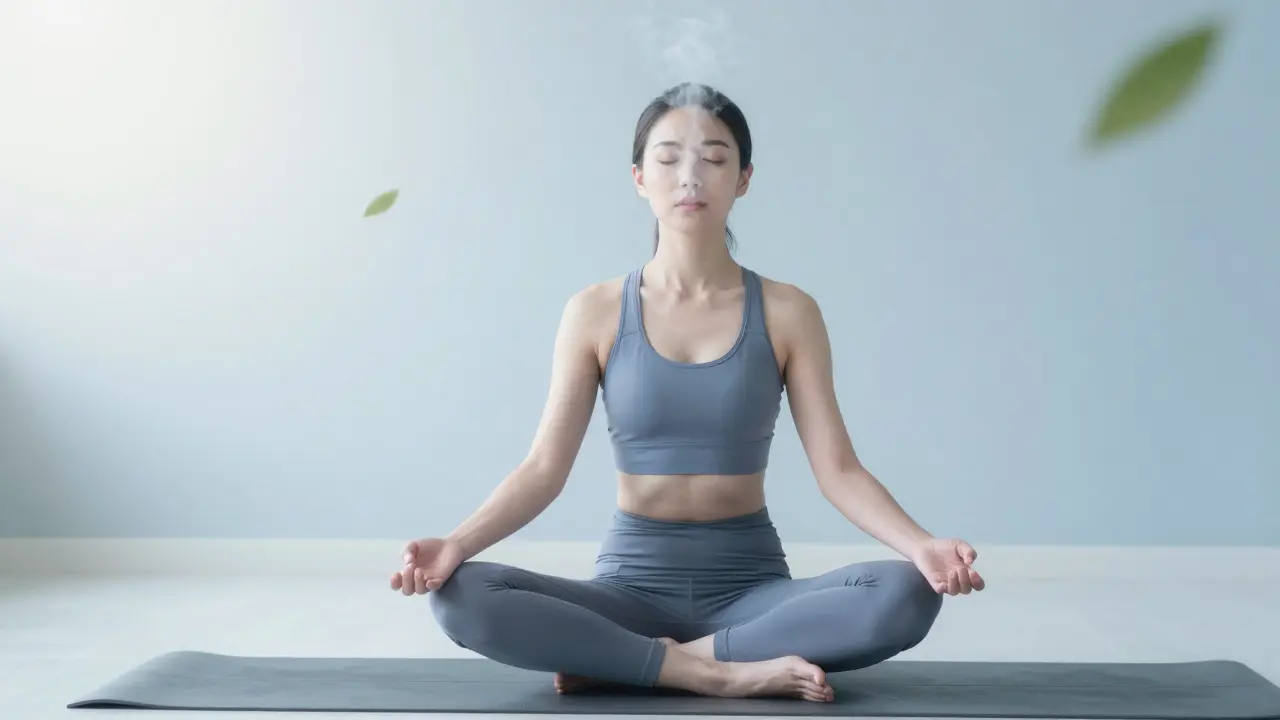
Building a Consistent Daily Routine
The biggest hurdle isn't finding the technique; it is sticking with it. Consistency matters more than intensity. Sitting for twenty minutes once a week won't shift your baseline blood pressure permanently. You need regular exposure to trigger the biological adaptation.
- Set a specific time: Morning works best for many. It sets a calm tone for the day before external demands begin.
- Create a dedicated space: Even a corner of a room helps signal your brain that it is time to shut down noise.
- Track your progress: Keep a log of your blood pressure readings alongside your practice duration.
- Start small: Five minutes is better than zero. Build up to fifteen or twenty gradually.
You might wonder if you can skip days when you feel busy. Missing practice occasionally happens, but try not to break the chain for more than two days in a row. The goal is to train your body to return to a relaxed state automatically, even when things get chaotic.
Setting Realistic Expectations
Mindfulness-Based Stress Reduction is a program developed to help people manage pain and illness through non-judgmental attention to the present. It combines meditation with yoga principles to foster physical health.
While the results can be profound, they are rarely overnight miracles. You won't drop ten points on your cuff after a single session. Most clinical studies suggest it takes several weeks of consistent daily practice to see measurable changes in resting blood pressure.
A realistic target is seeing a drop of five to ten points in systolic pressure. This might not seem like much, but in cardiology, every point counts toward reduced stroke risk. If you are currently taking medication, never stop based on meditation alone. Discuss any changes with your healthcare provider. Meditation acts as a supportive therapy that complements other treatments, not always a replacement.
Safety Considerations and Contraindications
Generally, sitting quietly is safe for almost everyone. However, if you have experienced trauma or severe anxiety, certain types of silence can feel overwhelming. In these cases, guided audio tracks are safer than eyes-closed silence. Having a voice to anchor you can prevent dissociation or spiraling thoughts.
Also, consider your posture. Slumping in a chair restricts your diaphragm, which limits deep breathing. Sit upright with feet flat on the floor. Good posture supports optimal oxygen exchange, which aids the relaxation response.
If you experience dizziness during practice, ease off slowly. Some deep relaxation techniques lower blood pressure significantly enough that standing up too fast might cause lightheadedness. Always check in with how you feel physically after the session.
Frequently Asked Questions
Can meditation replace blood pressure medication?
No, you should never stop prescribed medication without consulting your doctor. Meditation works best as a complementary therapy that may allow for dosage adjustments under supervision.
How long does it take to see results?
Most people notice improvements in stress levels within a few days, but actual blood pressure changes typically appear after four to eight weeks of daily practice.
Is there a specific type of meditation for hypertension?
Techniques focusing on deep breathing and the relaxation response are most cited for lowering pressure. Transcendental Meditation and mindfulness are popular choices.
Does it help with temporary blood pressure spikes?
Yes, acute stress management techniques like box breathing can help lower a spike in real-time, bringing your immediate reading back to baseline.
What if I cannot sit still?
Walking meditation is a great alternative. Focusing on the sensation of your feet touching the ground provides the same grounding effect as seated practice.