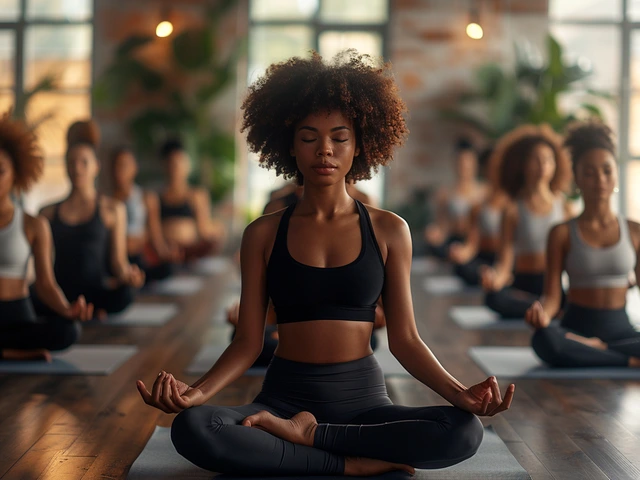
Life doesn’t pause just because you’re overwhelmed. Bills pile up, kids need help, work never ends, and sleep? That’s a luxury. If you’ve ever felt like your nervous system is stuck on high alert, you’re not broken-you’re human. The good news? You don’t need a spa weekend or a month off to reduce stress. Real relief starts with small, doable habits built into your everyday routine.
Stop Trying to "Fix" Stress-Start Managing It
Most people think stress reduction means eliminating stress entirely. That’s a trap. Stress isn’t the enemy. It’s your body’s way of preparing you to respond to a challenge-whether it’s a deadline, a tough conversation, or a car that won’t start. The problem isn’t stress itself. It’s when your body stays in fight-or-flight mode for days, weeks, or months. That’s when your cortisol spikes, your sleep gets wrecked, and your mood tanks. The goal isn’t to remove stress. It’s to build buffers. Small, consistent actions that reset your nervous system before it spirals. Think of it like charging your phone. You don’t wait until it hits 1% before plugging it in. You do it before it gets desperate.1. Breathe Like Your Life Depends on It (Because It Does)
Your breath is the only part of your autonomic nervous system you can control. That’s your secret weapon. Try this: Inhale slowly through your nose for 4 counts. Hold for 2. Exhale through your mouth for 6. Pause for 2. Repeat five times. That’s it. No apps. No candles. No fancy mat. Just you and your breath. Why it works: This pattern activates your parasympathetic nervous system-the one that says "calm down, we’re safe." Studies from the American Psychological Association show that just two minutes of controlled breathing can lower heart rate and reduce cortisol levels by up to 25%. Do this before checking your phone in the morning. Do it in the car after a bad commute. Do it while waiting for your coffee to brew.2. Move Your Body-Even If You Hate Exercise
You don’t need to run a marathon. You don’t even need to go to the gym. Walk. Just walk. Ten minutes after lunch. Around the block. No headphones. No podcast. Just your feet on the ground. Why it works: Movement shifts your focus from your thoughts to your body. It releases endorphins, the brain’s natural mood lifters. A 2023 study in the Journal of Clinical Psychology found that people who took two 10-minute walks a day reported 30% less anxiety over six weeks compared to those who didn’t move. If walking feels too easy, try something else: stretch while watching TV. Dance to one song. Do five squats while brushing your teeth. The point isn’t fitness-it’s breaking the cycle of sitting and worrying.3. Create a "No Stress" Zone in Your Home
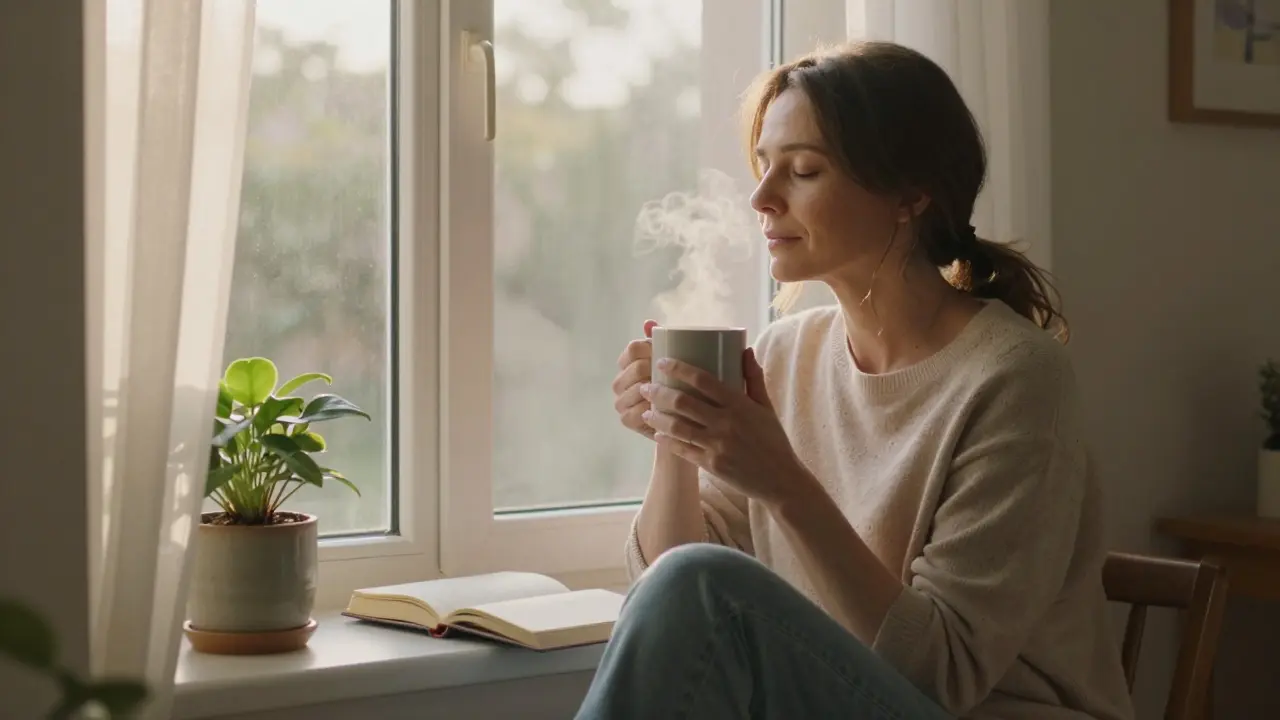
Your environment is a silent stressor. That cluttered desk. The phone buzzing on the nightstand. The TV always on in the background. Pick one corner of your home. Maybe it’s a chair. Maybe it’s a windowsill. Make it a place where stress doesn’t get invited. No phone. No work. No screens. Just a plant. A cup of tea. A journal. Maybe nothing at all. Why it works: Your brain learns associations. If every time you sit in your favorite chair, you scroll through emails or argue with your partner, your body starts to tense up as soon as you sit down. Break that link. Train your nervous system: this space = calm.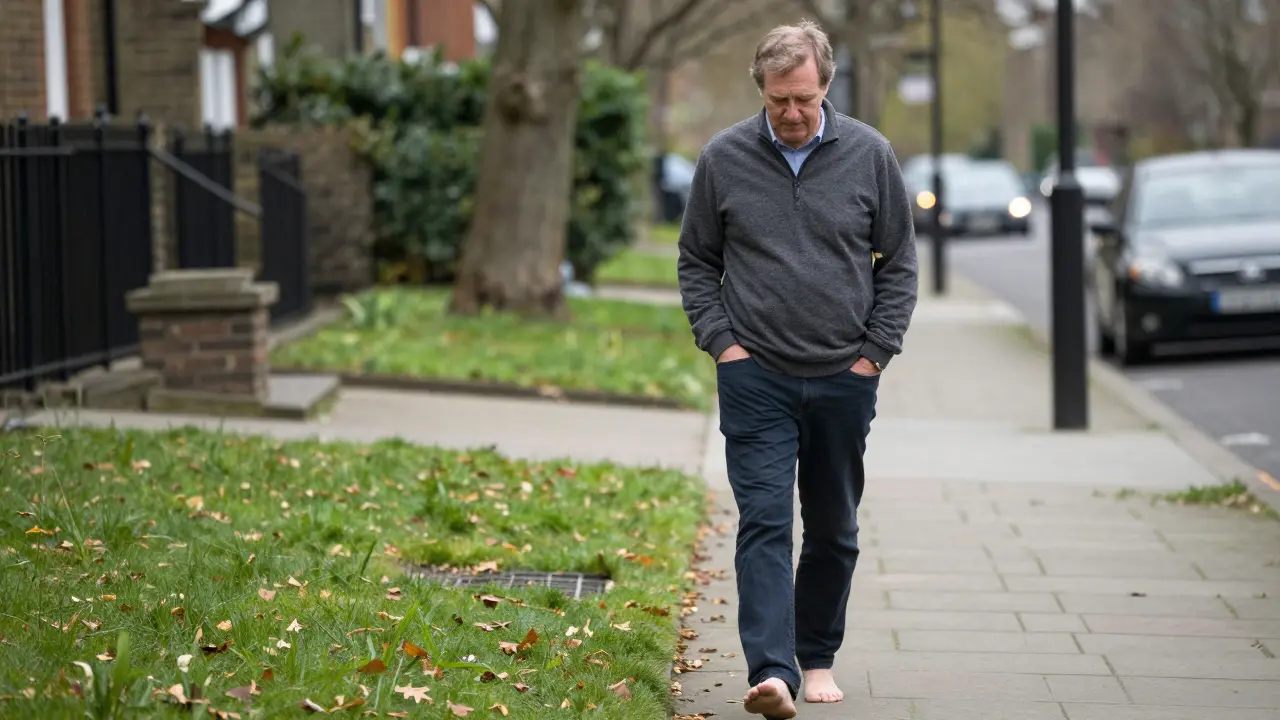
4. Say No-Without Guilt
You can’t reduce stress if you keep saying yes to everything. Not because you’re lazy. Because you’re trying to please everyone and forgetting yourself. Start small. Next time someone asks for a favor you don’t want to do, try: "I can’t this time, but I appreciate you thinking of me." That’s it. No explanation. No apology. Why it works: People who regularly set boundaries report 40% less burnout, according to research from the University of California, Berkeley. Saying no isn’t selfish. It’s self-preservation. Every "yes" you give to someone else is a "no" to your own peace.5. Write It Out-Before You Go to Bed
Your mind races at night because it’s trying to solve everything at once. The conversation you had. The email you forgot. The bills you haven’t paid. Grab a notebook. Five minutes before bed. Write down everything swirling in your head. Don’t edit. Don’t judge. Just dump it. Then, write one thing you’re grateful for. Even if it’s "the coffee was hot." Why it works: Journaling clears mental clutter. A 2024 study from Harvard Medical School showed that people who wrote down their worries before bed fell asleep 20% faster and had fewer nighttime awakenings. Gratitude doesn’t fix your problems. But it reminds your brain there’s still good in the world-even when things feel heavy.6. Touch Something Real
We live in a world of screens. Notifications. Digital noise. But your body remembers touch. Hold a warm mug. Run your fingers over a stone. Hug someone. Pet a dog. Sit barefoot on the grass. Why it works: Physical sensation grounds you in the present. It pulls you out of your thoughts and into your body. This is called interoception-the awareness of internal bodily states. People with strong interoceptive awareness have lower stress levels and better emotional regulation. You don’t need a therapist to build this. Just pause. Feel.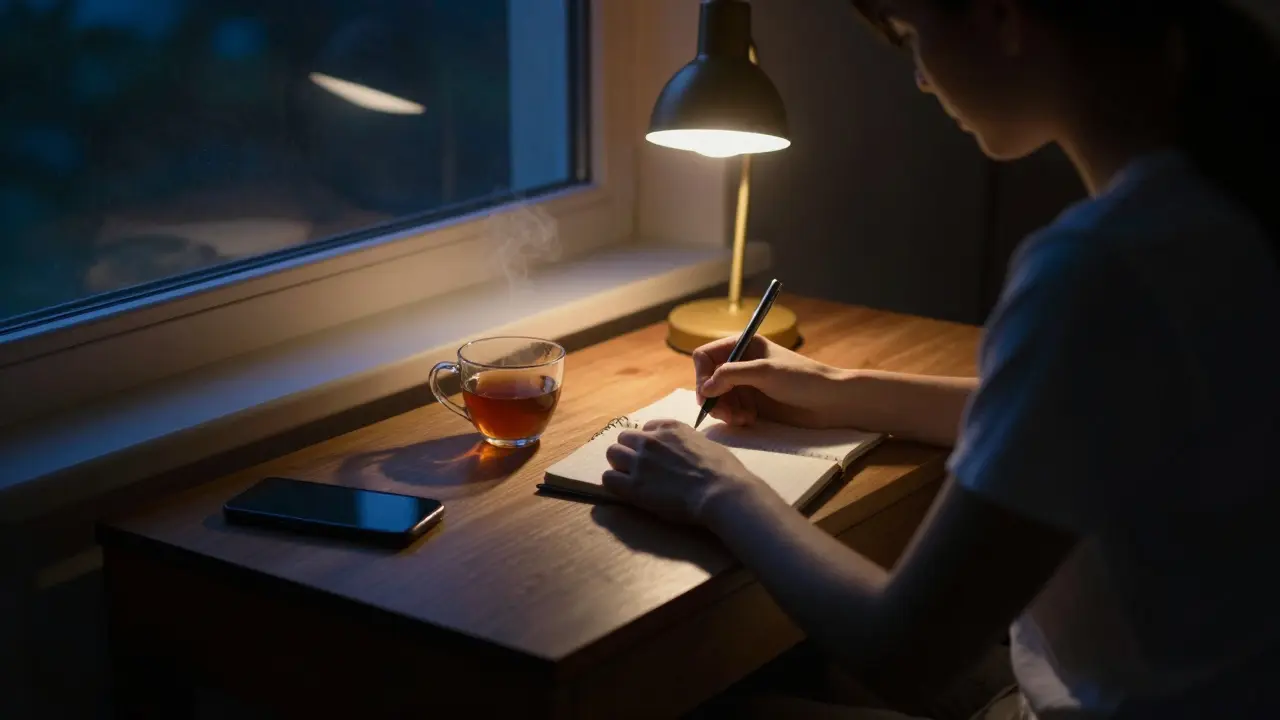
7. Sleep Like You Mean It
You can do all the breathing, walking, and journaling in the world. If you’re sleeping five hours a night, you’re still running on empty. Here’s the fix: Set a wind-down ritual. One hour before bed, turn off screens. Dim the lights. Read a physical book. Listen to quiet music. No work emails. No TikTok. Why it works: Your body needs darkness to produce melatonin-the hormone that tells you it’s time to sleep. Blue light from phones blocks it. A 2025 sleep study in Australia found that people who turned off screens one hour before bed improved their sleep quality by 45% in just two weeks.What Doesn’t Work (And Why)
You’ve probably tried some of these:- Waiting for "the right time" - There’s no perfect moment. Stress won’t wait. Start now.
- Only using apps - A meditation app won’t help if you’re not changing your habits. Tools are helpers, not fixes.
- Trying to meditate for 30 minutes - If you’re new, start with two minutes. Consistency beats duration.
- Waiting for someone else to fix it - No one else can regulate your nervous system. You can.
Real People. Real Results.
Maria, 42, a single mom in Darwin, started doing the 4-2-6 breath before her kids woke up. Within a week, she stopped snapping at them. She started walking after dinner. Now, she doesn’t feel like she’s constantly drowning. James, 58, used to work 70-hour weeks. He started writing his worries in a notebook before bed. He cut his screen time by an hour. His blood pressure dropped. He says he feels like he’s breathing again. You don’t need to overhaul your life. You just need to add one small thing that helps.Start Today. Not Tomorrow.
Pick one thing from above. Just one. Do it tomorrow. Then the next day. And the next. Stress reduction isn’t about perfection. It’s about presence. It’s about noticing when you’re tensing up-and giving yourself permission to soften. You’ve survived everything so far. You don’t need to be strong. You just need to be kind-to yourself.How long does it take to see results from stress reduction techniques?
Most people notice a difference in 3 to 7 days if they do one technique consistently. Breathing, walking, and journaling often show quick shifts in mood and sleep. Deeper changes-like lower cortisol levels or better emotional control-take 3 to 6 weeks. The key is daily practice, not intensity.
Can stress reduction replace therapy or medication?
No. These techniques are powerful tools for managing everyday stress, but they’re not substitutes for professional care. If you’re dealing with chronic anxiety, depression, trauma, or panic attacks, therapy and medication are essential. Stress reduction helps build resilience, but it doesn’t treat clinical conditions. Think of it like exercise: it keeps you healthy, but it won’t cure a broken bone.
What if I don’t have time for any of this?
You don’t need time-you need two minutes. Breathe while waiting for your coffee. Walk to the mailbox. Write one sentence in a notebook before bed. Stress doesn’t care how busy you are. But your nervous system responds to tiny moments of safety. Even 60 seconds of calm can reset your day.
Why does breathing help so much?
Your breath is directly connected to your autonomic nervous system. Fast, shallow breathing tells your brain: "Danger!" Slow, deep breathing says: "We’re okay." When you change your breath, you send a direct signal to your body to calm down. It’s the fastest, most reliable way to interrupt a stress response-no equipment needed.
Is there a best time of day to practice stress reduction?
The best time is the one you’ll actually do. Morning routines help set a calm tone for the day. Evening routines help you unwind. But even a 30-second breath break during a stressful moment counts. Don’t wait for the perfect time. Use the moments you already have.