Beetroot Nitrate Calculator
Estimate Your Nitrate Intake
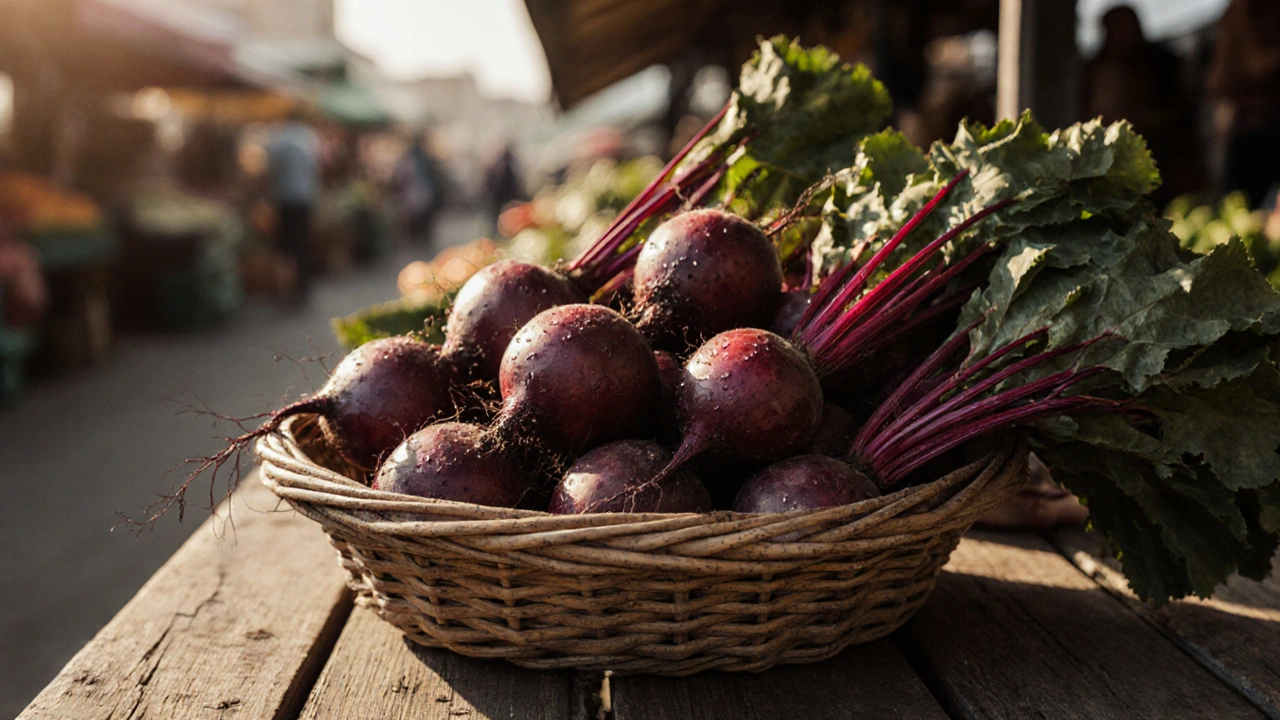
When you spot those deep‑red bulbs at the farmer’s market, you might think they’re just a splash of color. In reality, Beetroot is a nutrient‑dense root vegetable that can transform your well‑being. From supporting a healthy heart to improving workout endurance, the beetroot health benefits are backed by science and easy to add to everyday meals.
What Makes Beetroot a Superfood?
Beetroot isn’t a single‑ingredient wonder; it packs a blend of compounds that work together:
- Nitrates naturally occurring compounds that convert to nitric oxide, expanding blood vessels and improving circulation
- Betalains bright pigments (red‑violet and yellow) that act as powerful antioxidants and anti‑inflammatory agents
- Fiber both soluble and insoluble fiber that feeds gut bacteria, stabilizes blood sugar, and promotes satiety
- Vitamin C an essential vitamin that boosts immunity and supports collagen formation
- Iron a mineral crucial for oxygen transport and energy production
These five core components give beetroot its reputation as a vibrant superfood.
Heart Health: Lowering Blood Pressure Naturally
High blood pressure is a silent risk factor for heart disease. Studies from 2023‑2024 show that the nitrate content in beetroot can lower systolic pressure by up to 10mmHg after just two weeks of daily consumption. The mechanism is simple: nitrates convert to nitric oxide, which relaxes the smooth muscle in blood vessels, allowing blood to flow more freely.
For most people, a half‑cup of beetroot juice (about 120ml) provides roughly 300mg of nitrates-enough to see measurable effects without prescription medication. Pair the juice with a balanced diet, and you’ll often notice steadier energy and fewer “head‑pound” moments during the day.
Boosting Exercise Performance
Athletes have turned to beetroot juice for a performance edge. In a 2022 double‑blind trial, endurance cyclists who drank juice containing 6mmol of nitrates improved their time‑to‑exhaustion by 15% compared with a placebo. The boost comes from two factors:
- Enhanced oxygen delivery to working muscles thanks to nitric oxide.
- Reduced oxygen cost of low‑intensity exercise, meaning you burn fewer calories for the same effort.
If you’re training for a marathon or just want to crush a weekend hike, try a small glass (about 200ml) of beetroot juice 2-3hours before activity. The effect peaks roughly 2hours after consumption and lasts for about 6hours.
Gut Health: Feeding the Microbiome
The fiber in beetroot is a prebiotic powerhouse. Soluble fiber forms a gel‑like substance that slows glucose absorption, while insoluble fiber adds bulk, supporting regular bowel movements. Moreover, certain fibers act as food for beneficial gut bacteria such as Bifidobacterium and Lactobacillus.
Research from the University of Leeds (2024) linked a diet rich in beetroot fiber to a 20% increase in short‑chain fatty acids (SCFAs) like butyrate. SCFAs lower inflammation, improve gut barrier function, and even influence mood through the gut‑brain axis.

Antioxidant Power: Fighting Oxidative Stress
Betalains give beetroot its deep color, but they also act as antioxidants that neutralize free radicals. Compared with carrots, beetroots contain 2‑3 times more total antioxidant capacity (measured by ORAC values). This can help protect cells from oxidative damage linked to aging, cancer, and chronic inflammation.
Including beetroot in a colorful plate-a salad, steamed side, or smoothie-provides a burst of antioxidants without extra calories.
Supporting Blood Health with Iron and Vitamin C
Iron is essential for hemoglobin formation, but plant‑based iron (non‑heme) is less readily absorbed. Beetroot’s vitaminC content boosts iron absorption by up to 4‑fold, making it a clever combo for vegetarians and anyone looking to avoid anemia.
A typical 100‑gram serving of raw beetroot delivers about 0.8mg of iron and 4mg of vitaminC-small on its own but meaningful when paired with other iron‑rich foods like lentils or tofu.
How to Add Beetroot to Your Daily Routine
Here are practical ways to reap the benefits without feeling like you’re eating the same thing every day:
- Morning juice: Blend 1cup of raw beetroot with an apple, a carrot, and a splash of lemon. Drink within 30minutes of waking for a burst of energy.
- Roasted cubes: Toss peeled beetroot cubes with olive oil, rosemary, and a pinch of sea salt. Roast at 200°C for 25minutes-great as a snack or salad topping.
- Beetroot hummus: Add cooked beetroot to a classic chickpea hummus recipe for a pink dip that’s rich in fiber and protein.
- Soup: Simmer beetroot with onions, garlic, and vegetable broth. Puree for a silky borscht that can be served warm or chilled.
- Powder: Use beetroot powder in smoothies or oatmeal for a convenient, shelf‑stable option.
Remember to start with small portions if you’re new to beetroot; the high nitrate load can cause a harmless pink tint in urine-called beeturia.

Beetroot vs. Other Root Vegetables: A Quick Comparison
| Vegetable | Nitrate (mg) | Betalain/Carotenoid (µg) | VitaminC (mg) | Fiber (g) |
|---|---|---|---|---|
| Beetroot | 250 | 440(β‑carotene) | 4 | 2.8 |
| Carrot | 30 | 828(β‑carotene) | 7 | 2.8 |
| Spinach | 150 | 0 (no betalains) | 28 | 2.2 |
Beetroot shines in nitrate content, making it the go‑to choice for blood‑pressure control and athletic enhancement. Carrots bring higher carotenoids for eye health, while spinach offers a vitamin‑C powerhouse for immune support.
Potential Pitfalls and How to Avoid Them
Even a superfood can have downsides if misused:
- Oxalate load: Beetroot contains oxalates, which can contribute to kidney stone formation in susceptible individuals. If you have a history of stones, limit intake to ½ cup per day.
- Blood‑sugar spikes: While the fiber tempers glucose rise, juicing removes most of it. Stick to whole‑root preparations if you’re monitoring blood sugar.
- Beeturia: The harmless pink urine can be surprising, but it’s simply excess pigments being expelled.
Balanced consumption-around 100-150g of raw beetroot or an equivalent juice serving-delivers benefits without triggering these issues.
Bottom Line: A Colorful, Easy Way to Boost Health
From heart‑healthy nitrates to gut‑loving fiber, beetroot checks many boxes on the modern wellness checklist. Its versatility lets you sip, roast, blend, or sprinkle-so you’ll never get bored. Add it to your plate, and you’ll feel the difference in energy, digestion, and overall vitality.
Frequently Asked Questions
How much beetroot should I eat daily for blood‑pressure benefits?
Research suggests 100-150g of raw beetroot or about 200ml of beetroot juice per day can lower systolic pressure by 5‑10mmHg. Consistency is key; the effect builds over a couple of weeks.
Can beetroot juice replace my pre‑workout supplement?
For endurance activities, beetroot juice offers a natural nitrate boost that rivals many pre‑workout formulas. A 200‑ml serving 2-3hours before training is the sweet spot. However, it lacks caffeine, so if you need a stimulant, combine it with a small coffee.
Is it safe to combine beetroot with blood‑thinning medication?
Because nitrates can affect blood flow, consult your doctor if you’re on anticoagulants or antihypertensive drugs. In most cases, moderate beetroot intake is fine, but medical guidance is advisable.
Why does my urine turn pink after eating beetroot?
The pink hue, called beeturia, is simply excess betalain pigments being excreted. It’s harmless and varies by individual gut bacteria and stomach acidity.
Can I store beetroot juice for later use?
Yes-keep it in an airtight glass container in the fridge for up to 48hours. Add a squeeze of lemon to preserve the bright color and vitaminC.