
Mental health and aging isn't about a slow slide into confusion. It's about navigating new life transitions with the right support. Let's set the record straight on what's actually happening in the aging brain and heart, and stop treating mental health struggles as an inevitable part of a birthday cake.
The Big Lie: "Depression Is a Normal Part of Growing Old"
Maybe the most harmful myth is the idea that feeling sad or hopeless is just what happens when you hit 70. Let's be clear: Depression is a clinical mood disorder characterized by persistent feelings of sadness and loss of interest . It is not a requirement for aging. While life transitions-like retiring from a career you loved or losing a spouse-can trigger grief, that's different from clinical depression.
When we tell a senior that their lack of energy or appetite is "just old age," we ignore treatable conditions. In reality, depression in older adults often looks different than it does in a 20-year-old. Instead of sobbing or talking about sadness, a senior might complain about physical pain, fatigue, or "brain fog." Because these symptoms mimic physical ailments, many doctors miss the diagnosis entirely. Treating this isn't about "fixing" the person; it's about removing a heavy cloud that prevents them from enjoying their grandkids or their hobbies.
Memory Loss vs. Cognitive Decline
Forgetfulness is annoying, but it isn't always a sign of a failing brain. There is a massive difference between forgetting where you put your keys and forgetting what a key is for. We often lump all memory slips into the same bucket, but the human brain handles aging in a complex way.
Consider Dementia, which is an umbrella term for a variety of cognitive impairments that interfere with daily functioning . While Alzheimer's Disease-the most common type of dementia-is a biological disease involving plaques and tangles in the brain, it is not an inevitable destiny. Many people live to 100 with their wit and memory fully intact.
The "senior moment" is usually just a result of a slower processing speed or distraction. If you've ever walked into a room and forgotten why you're there, you're not necessarily descending into a cognitive crisis; you're just experiencing a momentary lapse in working memory. The real danger is when we assume cognitive decline is guaranteed, which leads to "learned helplessness," where seniors stop trying new things because they think their brain "can't handle it" anymore.
| Scenario | Normal Aging | Potential Red Flag |
|---|---|---|
| Memory | Forgetting a name but remembering it later | Forgetting a close family member's name |
| Mood | Feeling sad after a loss (Grief) | Constant emptiness or worthlessness |
| Cognition | Taking longer to learn a new app | Unable to follow a simple recipe they've used for years |
| Social | Preferring a smaller, quieter group | Complete withdrawal from all social interaction |
The "Grumpy Old Person" Trope
Pop culture loves the image of the curmudgeonly grandfather who yells at kids to get off his lawn. This stereotype suggests that personality deteriorates with age, leading to irritability and rigidity. But usually, what we call "grumpiness" is actually a reaction to unmet needs or chronic pain.
Imagine living with chronic arthritis in your hips and a hearing aid that whistles. It's hard to be "sunny" when every movement hurts and you can't follow a conversation at a noisy dinner table. When we label a senior as "difficult," we stop looking for the root cause. Is it a side effect of a medication? Is it the frustration of losing independence? Often, a few adjustments to their environment or a change in healthcare can bring back the patient, curious person they've always been.
The Power of Plasticity: Can You Actually Get Smarter?
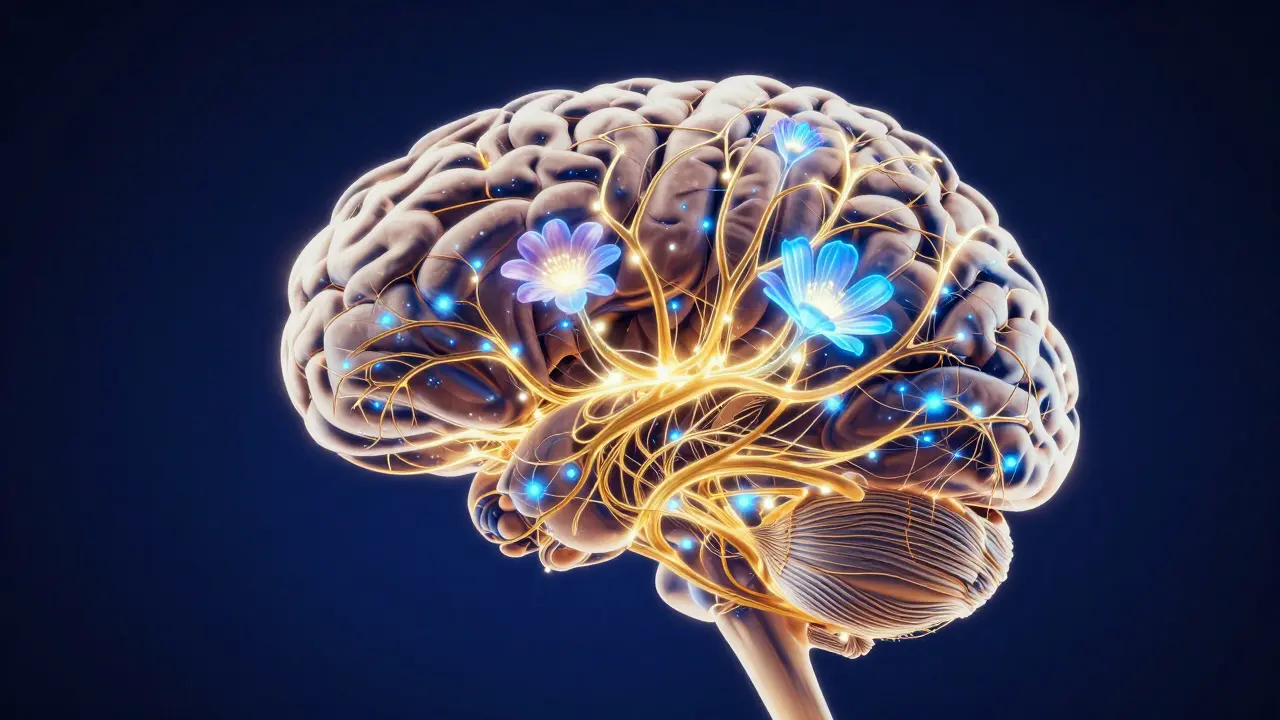
For decades, the science world believed the brain was "hardwired" after childhood. They thought you were born with a set number of neurons, and once they started dying, that was it. We now know this is completely false thanks to Neuroplasticity, which is the brain's ability to reorganize itself by forming new neural connections throughout life .
Your brain can actually grow and adapt well into your 80s and 90s. When a senior learns a new language, takes up painting, or starts using a tablet, they are literally forging new paths in their gray matter. This isn't just a "feel-good" activity; it's a survival strategy. Building a "cognitive reserve"-a surplus of neural connections-can actually delay the onset of symptoms of dementia. The idea that you're "too old to learn" is a myth that keeps people from the very activities that keep their minds sharp.
Combatting Loneliness and Social Isolation
Loneliness isn't just a sad feeling; it's a physiological stressor. We often think that as long as a senior has a nursing home or a few visits from family, they are "socialized." But there's a big difference between being around people and feeling connected to people.
Social isolation can be as damaging to health as smoking 15 cigarettes a day, according to research on social determinants of health. When seniors lose their professional identity (retirement) and their social circle (peers passing away), they may fall into a spiral of isolation. This isn't a natural part of aging; it's a failure of our social structures to value older adults. Encouraging intergenerational connections-like a teenager teaching a senior how to use TikTok or a senior mentoring a young professional-creates a sense of purpose that is the best antidote to mental decline.

Practical Steps for Supporting Mental Wellness
If you're caring for an older adult or are navigating your own aging process, don't just accept the status quo. Mental health requires a proactive approach. Here are some concrete ways to maintain emotional and cognitive health:
- Audit Medications: Many drugs used for blood pressure or sleep can cause "pseudodementia" or depressive symptoms. Have a pharmacist or doctor review all prescriptions.
- Prioritize Movement: Physical activity increases blood flow to the hippocampus, the brain's memory center. Even a daily 20-minute walk makes a difference.
- Challenge the Brain: Don't just do crosswords you're already good at. Try something that makes you feel slightly incompetent at first-that's where the growth happens.
- Schedule Regular Screenings: Mental health checks should be as routine as blood pressure checks. Use tools like the Geriatric Depression Scale (GDS) to catch issues early.
Is it normal to be more forgetful as you get older?
Yes, it's normal for the brain to process information more slowly and for short-term memory to slip occasionally. However, it is not normal to forget how to perform basic daily tasks, get lost in familiar places, or experience drastic personality changes. If forgetfulness interferes with independence, it warrants a medical evaluation.
Can depression be cured in seniors?
Absolutely. Depression in older adults is highly treatable. A combination of psychotherapy (like Cognitive Behavioral Therapy), social engagement, and sometimes medication can significantly improve quality of life. It is never "too late" to feel better.
What is the best way to keep the mind sharp?
The best approach is a "triad" of activity: cognitive challenge (learning new skills), social connection (meaningful relationships), and physical exercise. The combination of these three factors builds the strongest defense against cognitive decline.
How do I tell the difference between grief and depression?
Grief usually comes in waves and is tied to a specific loss; you still have moments of joy or humor. Depression is more like a constant, heavy blanket that covers everything, including a loss of self-esteem and a general feeling that the world is bleak, regardless of the circumstances.
Does retirement always lead to a decline in mental health?
Not at all. While some struggle with a loss of identity, many people report higher levels of life satisfaction after retirement. The key is having a "bridge plan"-hobbies, volunteering, or part-time work that provides a sense of purpose and a reason to wake up in the morning.
Next Steps for Different Situations
If you're a caregiver, start by observing patterns rather than isolated incidents. Keep a simple log of mood changes or memory slips. This data is gold for a doctor and prevents the "everything is fine" dismissal that often happens in brief clinic visits.
If you're an older adult feeling a dip in your mood or focus, don't wait for your next annual check-up. Mention it to your provider specifically as a mental health concern. Use the phrase "this is affecting my quality of life"-that's a trigger phrase that usually gets healthcare providers to take the issue more seriously.
For family members, the best thing you can do is stop the "senior" labels. Instead of saying "you're just getting old," try asking "I've noticed you've been more tired lately, how are you actually feeling?" Validation is the first step toward recovery.