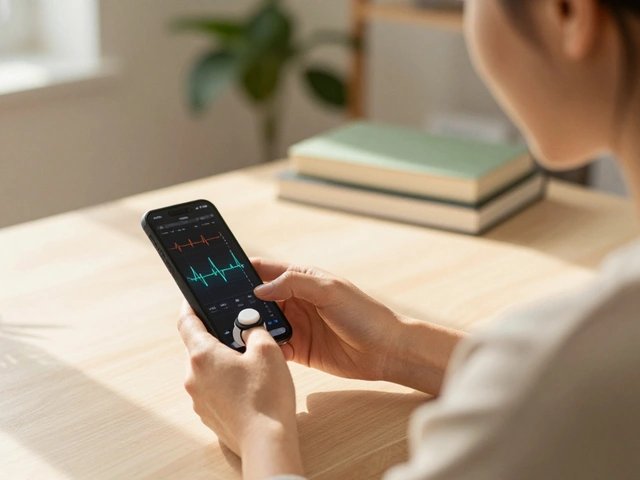

What if you could learn to calm your nervous system just by watching your own heartbeat? Or reduce chronic headaches by noticing when your muscles tighten? This isn’t science fiction. It’s biofeedback - a simple, evidence-backed tool that lets you see your body’s hidden signals in real time and use them to heal yourself.
What Biofeedback Actually Does
Biofeedback is the practice of using sensors to measure physical processes you normally can’t feel - like your heart rate, muscle tension, skin temperature, or brainwaves - and turning those signals into visual or sound cues you can understand. You’re not being controlled by a machine. You’re learning how to control your own body by seeing what it’s doing.
Think of it like a mirror for your nervous system. If you’re stressed, your heart races. Your shoulders hunch. Your hands get cold. Most people don’t notice these changes until they feel awful. Biofeedback makes them visible. Once you see it, you can change it.
It’s not magic. It’s neuroscience. Studies from the American Psychological Association show biofeedback works for migraines, high blood pressure, anxiety, and even urinary incontinence. The U.S. Department of Veterans Affairs uses it to treat PTSD. Hospitals in Sydney and Melbourne now offer it as part of pain management programs.
How It Works in Real Life
Let’s say you suffer from tension headaches. You’ve tried painkillers, but they just mask the problem. With biofeedback, you’d wear a small sensor on your forehead that measures muscle activity. On a screen, you’d see a line that goes up when you clench your brow - even slightly - and drops when you relax.
At first, you might not even realize you’re tensing your face. But when you see the line spike every time you check your email or sit at your desk, something clicks. You start noticing the habit. You breathe deeper. You soften your jaw. The line dips. Over time, your brain learns: relaxation = lower line = less pain.
Another example: someone with anxiety uses a heart rate variability (HRV) monitor. HRV measures how your heart rate changes with your breath. Low HRV means stress. High HRV means calm. The device beeps faster when you’re tense, slower when you’re relaxed. You learn to slow your breathing just enough to make the beeps steady. Within weeks, panic attacks become rarer.
The Science Behind the Signal
Biofeedback works because your body is always talking - you just never learned to listen. Your autonomic nervous system controls things like digestion, heart rate, and sweating without you thinking about them. But when you’re stressed, it gets stuck in fight-or-flight mode.
Biofeedback retrains that system. By giving you immediate feedback, you activate the prefrontal cortex - the part of your brain that makes decisions and controls impulses. That’s why it’s so effective: you’re not fighting your body. You’re teaching it a new language.
Research from the University of California, San Francisco found that after 8 weekly biofeedback sessions, 76% of participants with chronic headaches reduced their medication use. Another study in the Journal of Clinical Psychology showed biofeedback was as effective as cognitive behavioral therapy for generalized anxiety - without drugs.
Types of Biofeedback You Can Try
Not all biofeedback is the same. Different sensors track different signals. Here are the most common types:
- Electromyography (EMG): Measures muscle tension. Used for headaches, back pain, and TMJ.
- Thermal biofeedback: Tracks skin temperature. Cold hands = stress. Warming them = calm. Helps with Raynaud’s and anxiety.
- Heart rate variability (HRV): Shows how well your heart responds to breathing. Great for stress, sleep, and emotional regulation.
- Neurofeedback (EEG): Monitors brainwaves. Used for ADHD, insomnia, and PTSD. Requires professional equipment.
- Galvanic skin response (GSR): Measures sweat on your skin. Indicates emotional arousal. Useful for phobias and public speaking anxiety.
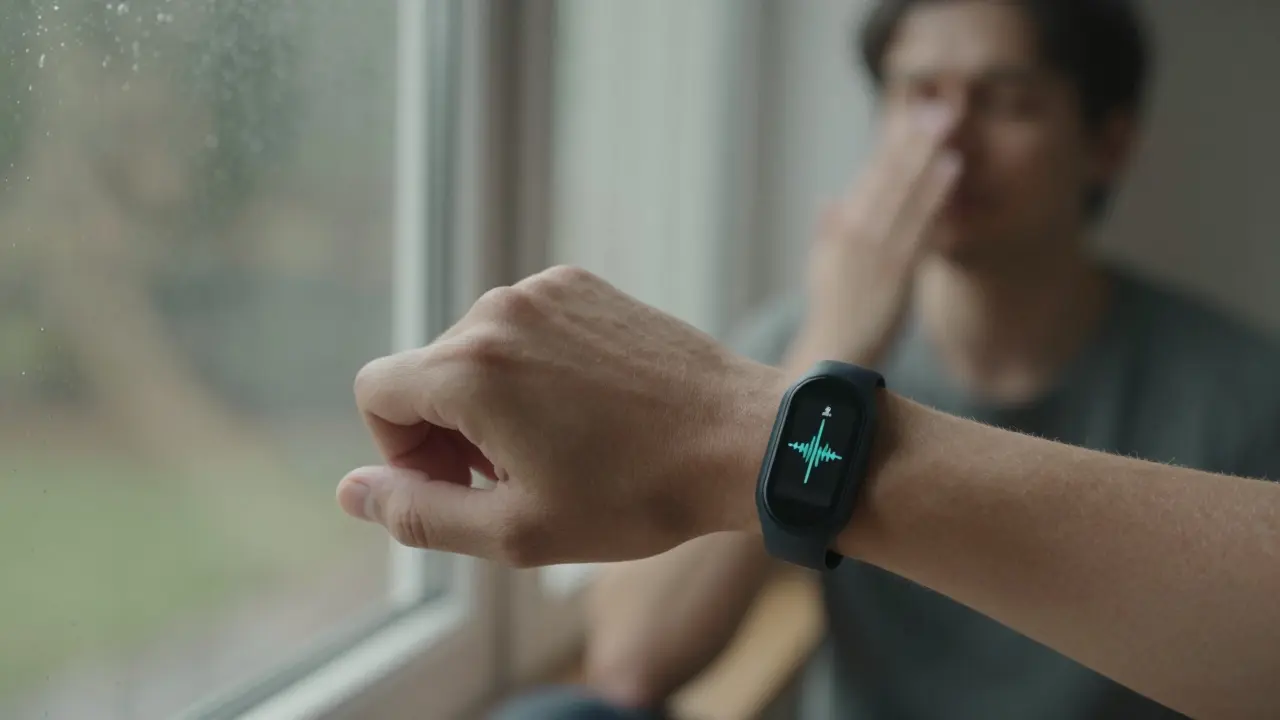
You don’t need a clinic to start. Affordable home devices like the HeartMath Inner Balance or the Spire Stone use your phone’s camera or a small wearable to track HRV and breathing. They’re not as precise as clinical gear, but they’re enough to begin learning.
Who Benefits Most?
Biofeedback isn’t a cure-all, but it’s powerful for people who:
- Have chronic pain that doesn’t respond to meds
- Feel anxious but don’t want to take antidepressants
- Struggle with insomnia and can’t quiet their mind
- Get migraines triggered by stress
- Want to reduce reliance on medication
It’s also popular among athletes, musicians, and performers who need to stay calm under pressure. A 2023 study of Australian Olympic swimmers found those using HRV biofeedback improved recovery times by 22% and reported lower perceived stress levels.
It’s less effective for people with severe mental illness like schizophrenia or bipolar disorder - but even then, it can help manage symptoms when used alongside therapy.

How to Get Started
You don’t need a PhD to use biofeedback. Here’s how to begin:
- Identify your goal: Is it stress? Pain? Sleep? Pick one.
- Choose a simple device: Start with an HRV app like HeartMath or a basic EMG sensor.
- Set aside 10 minutes a day: Practice when you’re calm, not when you’re in crisis.
- Observe, don’t judge: Notice what happens when you breathe slowly. What does your body do?
- Track progress: After 2 weeks, ask: Do I notice tension earlier? Do I recover faster?
Many community health centers in Sydney offer free or low-cost biofeedback sessions. Look for integrative medicine clinics or physiotherapists trained in biofeedback. You can also ask your GP for a referral.
What to Avoid
Biofeedback is safe - but not all tools are created equal. Avoid these pitfalls:
- Don’t buy expensive gear just because it has a fancy name. Basic devices work fine.
- Don’t expect instant results. It’s like learning to play piano. Progress takes weeks.
- Don’t use it as a replacement for medical care. If you have high blood pressure, keep taking your meds - use biofeedback to support them.
- Don’t get frustrated if you can’t ‘control’ your heart rate right away. The goal isn’t to force change. It’s to notice and gently guide.
One common mistake: people think they’re failing because the graph doesn’t move fast enough. But real change happens when you start catching tension before it spikes. That’s the win.
Why It’s More Than Just Relaxation
Biofeedback isn’t just another relaxation technique. It’s self-awareness with feedback. You’re not just breathing deeply - you’re seeing how that breath changes your physiology. That awareness becomes a habit. You start noticing stress in your shoulders before it turns into a headache. You catch your jaw clenching before it ruins your sleep.
That’s the real power: you stop being a victim of your body’s reactions. You become the observer. And once you’re observing, you’re in control.
It’s not about fixing yourself. It’s about listening better. And once you start listening, healing follows.
Can biofeedback replace medication?
Biofeedback doesn’t replace medication for serious conditions like hypertension or epilepsy. But it can reduce how much you need. Many people using biofeedback for anxiety or migraines cut their pill intake by 30-50% over time - always under a doctor’s supervision.
Is biofeedback covered by insurance?
In Australia, some private health funds cover biofeedback if it’s provided by a registered physiotherapist or psychologist. Medicare doesn’t pay for it directly, but you may claim it under an allied health plan if you have a GP referral for chronic pain or stress-related conditions.
How long until I see results?
Most people notice small changes - like better sleep or fewer tension headaches - after 4-6 sessions. For lasting results, aim for 8-12 sessions over 2-3 months. Like exercise, consistency matters more than intensity.
Can kids use biofeedback?
Yes. Children as young as 6 use biofeedback for ADHD, anxiety, and bedwetting. Games and animations make it engaging - like making a character swim faster when they breathe calmly. Studies show kids often respond faster than adults because they’re less skeptical.
Do I need a therapist to use biofeedback?
You don’t need one to start with a basic home device. But working with a trained therapist - especially for chronic pain or trauma - helps you interpret the data correctly and avoid frustration. Think of it like having a coach when you’re learning to run.
If you’ve tried meditation and still feel wired, or if pain keeps coming back no matter how much you rest - biofeedback might be the missing piece. It doesn’t ask you to believe in anything. Just pay attention. And let your body show you the way.