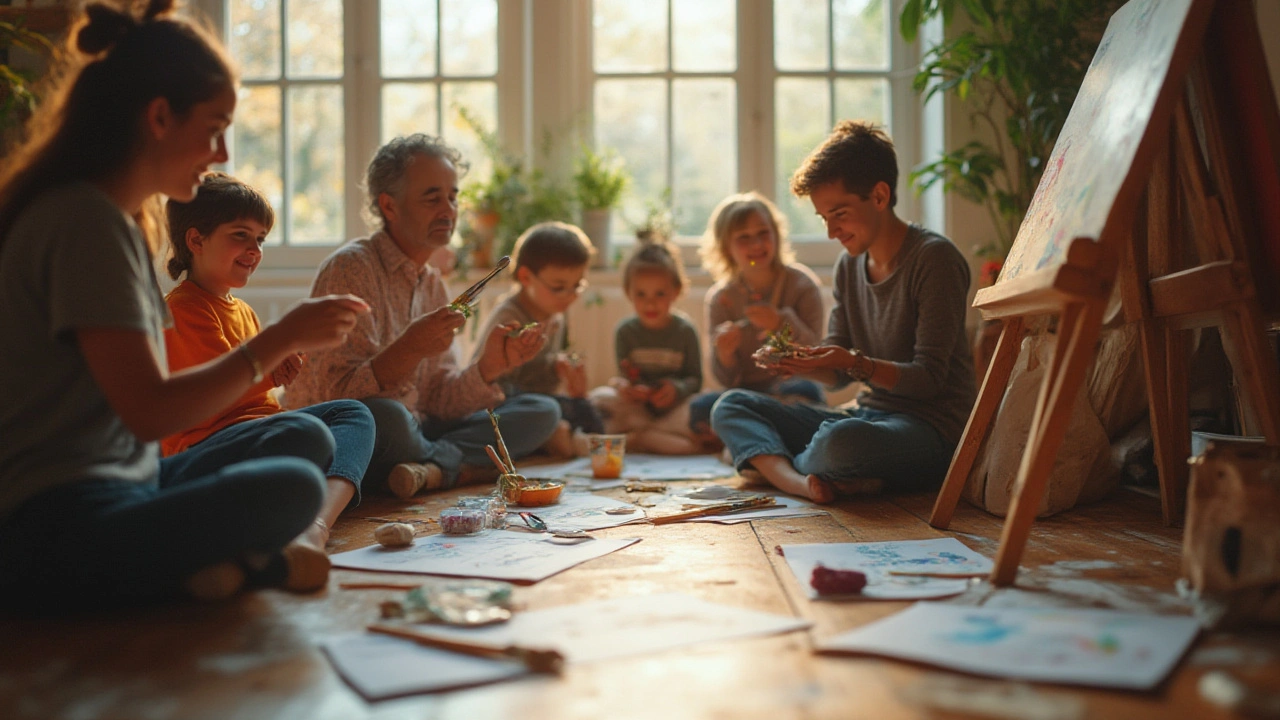
Paintbrushes instead of pills. Stories instead of silence. Right now, creative arts therapies are stepping into the spotlight for building emotional resilience—not just for kids with crayons but for teens fighting stress, adults weathering burnout, and even retirees reinventing purpose. Most people never consider how a song, a sketch, or a roll across the dance floor could actually rewire their brain's stress response, yet it happens. The creative arts tap into something ancient and universal in us—an urge to express, play, and make meaning. And now, therapists and neuroscientists agree: these expressive forms are far more than hobbies. They're life tools with proven effects.
How Creative Arts Therapies Rewire Emotional Strength
It's wild how making art can literally reshape the emotional wiring in your brain. Picture what happens when you scribble furiously on paper, lose yourself in a guitar riff, or perform a spontaneous movement in class. Scientists at Drexel University found that just 45 minutes of art-making lowers cortisol—the hormone responsible for stress spikes—in over 75% of participants. No tiny pilot study; we're talking hundreds of adults of all ages. When people create, their brains light up in places connected with reward, social bonding, and memory.
Even the act of choosing colors or beats lets people 'talk' about heavy feelings without needing the right words. In art therapy, for example, patients struggling with trauma or grief often make collages or sculptures that express what can't be said aloud. Brain scans show reduced activation in threat centers (like the amygdala) after creative sessions. What's going on here? Neuroscientist Jessica Phillips-Silver suggests that arts therapies help 'regulate emotional responses' by triggering calming neural networks—essentially letting us process tough stuff with less overwhelm.
Music therapy takes it further. When people sing together or tap along to rhythms, oxytocin—the so-called 'bonding hormone'—surges. Drumming circles have lowered anxiety levels in veterans with PTSD. For those who can't talk about their experiences, belting out feelings or expressing anger through movement gives the body a much-needed release. The best part? You don't have to be a Van Gogh or Yo-Yo Ma for this to work. No fancy skills required, only an open mind and a willingness to start.
Resilience is more than bouncing back from setbacks. According to the American Psychological Association, real resilience means adapting positively in the face of challenges, finding meaning, and growing from difficulties. Creative arts therapies support all of this by helping us play, reflect, and develop self-compassion. Kids who take part in expressive arts programs are more likely to cope with bullying and family upheaval, while adults in group art sessions find they can handle work stress better and experience fewer depressive symptoms. Art makes it safe to reshape old stories and envision new outcomes.
One overlooked aspect is how arts therapies build 'emotional vocabulary.' Doodling, writing poetry, or dancing each give the unconscious mind a voice. Clients often discover buried feelings, needs, or dreams simply by allowing their hand or body to move freely. This increases self-understanding, which is key for *strong* emotional resilience. If you want a brain that copes well under pressure, start sketching out your feelings—literally.
Breakdown of Different Creative Arts Therapies and Their Magic
So what are the big players in creative arts therapies? The main branches are: art therapy, music therapy, dance/movement therapy, drama therapy, and even poetry or writing therapy. Each has its own vibe and evidence base.
- Art Therapy: Professional art therapists guide people to express themselves through painting, sculpture, collage, and more. It's popular in hospitals, schools, and trauma recovery programs. Research backs up art therapy for reducing symptoms in anxiety, depression, eating disorders, and even chronic pain. Making a visual representation of a problem can help externalize it, making it less scary.
- Music Therapy: Board-certified music therapists use singing, listening, composing, and even improvising on instruments to foster healing. This approach helps stroke survivors regain lost speech, boosts mood in dementia patients, and supports teens facing addiction or suicidal feelings. Music therapy is one of the most well-studied: hospitals in the UK and US partner with music therapists for everything from pre-surgery anxiety to palliative care.
- Dance/Movement Therapy (DMT): This isn't about perfect choreography—it's about tuning into your body's signals and letting movement tell your story. Practitioners use movement to help clients reconnect with their physical and emotional selves, sometimes after trauma that left them feeling numb or disconnected. Studies from the American Dance Therapy Association show solid benefits for stress reduction, and for helping survivors of abuse or chronic illness regain confidence and body awareness.
- Drama Therapy: Fans of improv will love this one. Drama therapists use role-play, theater games, and storytelling to help people act out and resolve real-life scenarios. It’s powerful for boosting self-esteem, especially in kids and adolescents. Many addiction recovery programs and social skills groups use drama therapy to let participants rehearse new ways of handling tough situations—think "practice for life."
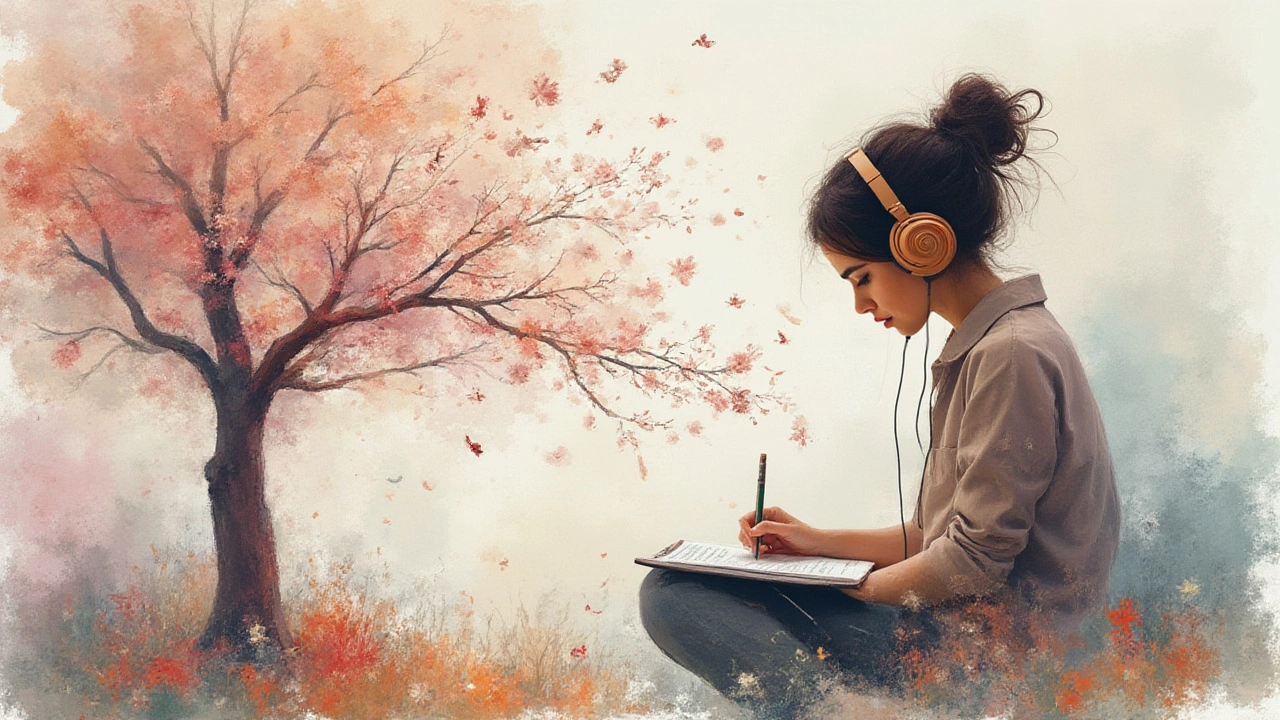
- Poetry/Writing Therapy: Writing down fears, hopes, or memories has measurable effects on well-being. Expressive writing can reduce symptoms in people with autoimmune illnesses, and regular journaling helps those struggling with anxiety regain a sense of control. The cool thing? Writing therapy is cheap, private, and always available.
Which one should you try? That depends on your comfort zone. If you hate drawing, maybe try a drumming circle or freewriting. If you’re self-conscious about movement, maybe collage feels safer. Many therapists weave in more than one form. For example, someone might draw their feelings first, then write a poem about the image, turning the experience into something layered and powerful.
Kids tend to jump into play-based creative therapies more easily, since pretending, painting, and moving are still natural to them. Adults, especially those who’ve been "told" they’re not creative, might need encouragement. That’s totally normal. Remember that creative arts therapy is about PROCESS, not PRODUCT. You don’t need an Instagram-worthy canvas. The magic is in the doing—the permission to make mess, make noise, and connect with your real self and others along the way.
And yes, there's room here for cultural practices as well. Indigenous communities have used group painting, drumming, and storytelling for generations to heal from collective trauma, pass down wisdom, and build resilience. Today, creative arts therapists are increasingly blending traditional and clinical approaches to honor these roots and offer richer, more relevant experiences for people from all backgrounds.

Starting Your Own More Resilient Journey with Creative Arts
Bored with self-help books and meditating apps? Creative arts therapy might just be your unexpected answer. You don’t even need a certified therapist to begin. Many folks start at home, then seek out groups or professionals for deeper work. Here’s how to get your toes wet:
- Set up a creative space. This doesn’t require a fancy studio. Just gather a few supplies: paper, pens, music, or even kitchen drums. The point is to have permission to "make" without pressure.
- Pick a prompt. Stuck for ideas? Try drawing your mood as colors. Write a letter to your future self. Move your body as an animal might move through your morning. Play with it.
- Focus on the feeling. Notice what emotions or sensations come up as you create. Don’t worry about looking silly or being "bad" at it. Nobody’s grading you.
- Try a group or class. Community centers, online events, and campus mental health offices often offer free introductory sessions led by creative arts therapists. Group activities add social support—which is a huge boost for building resilience.
- Track your shifts. People who keep journals of their creative sessions often notice patterns: less anxiety, faster emotional recovery after setbacks, more creativity in daily problem-solving. You might be surprised what changes after a few weeks.
If you want to take it further, look for therapists certified by the American Art Therapy Association, the Board-Certified Music Therapists network, or the Dance/Movement Therapy Association. Many work online now, so location isn’t a barrier. For specific challenges—like recovering from trauma, chronic illness, or major life transitions—professional guidance can make a world of difference.
If your mental health struggles feel overwhelming, creative arts therapies are never a substitute for medical care. But as a boost—whether you’re navigating grief, burnout, anxious thinking, or just modern-day stress—they can open new pathways toward healing. Who knew that coloring outside the lines or singing your feelings off-key might be exactly what your brain and heart need right now?