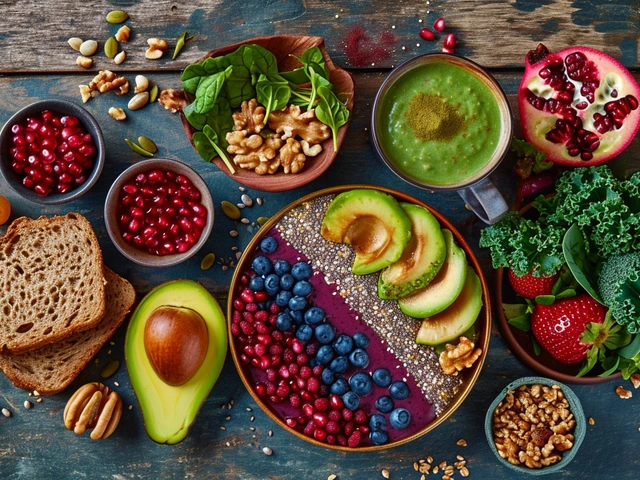
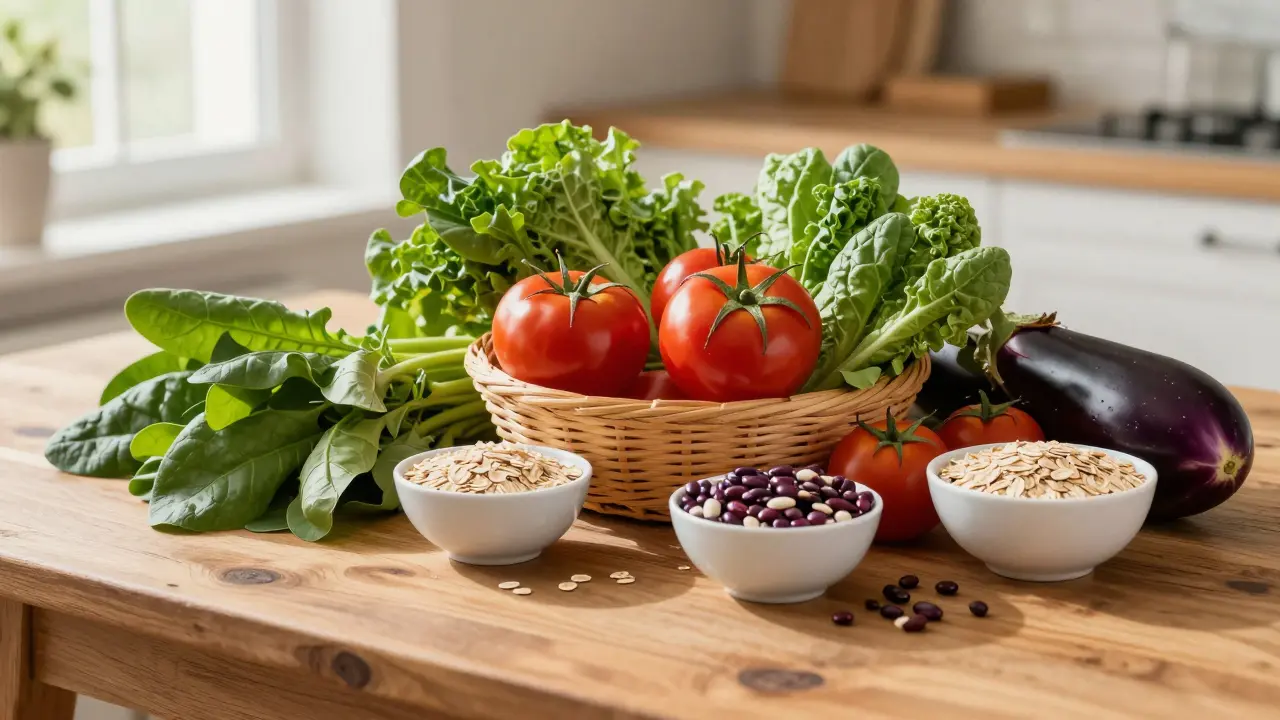
You have probably seen headlines claiming plant-only eating cures everything while others warn of serious nutrient gaps. It feels like shouting matches online where nobody agrees on the truth. If you are thinking about switching your plate, you need clarity, not marketing hype.
Veganism is a lifestyle and diet choice that excludes all animal products, including meat, dairy, eggs, and honey, focusing primarily on plants. Also known as a strict plant-based diet, it differs from vegetarianism by removing all animal-derived ingredients entirely.
The Link Between Plants and Your Heart
When we talk about long-term health, cardiovascular safety is usually the top concern. Research consistently shows that people following a veganism pattern often see significant improvements in heart markers compared to those who eat animal products. It is not magic; it comes down to what you remove from your body.
Animal foods are dense sources of saturated fat and dietary cholesterol. When these compounds enter your bloodstream, they can contribute to plaque buildup in your arteries. A diet centered on whole grains, legumes, fruits, and vegetables lacks this specific risk factor naturally. Studies indicate that LDL cholesterol levels-the bad kind-drop markedly within weeks of adopting this eating style.
Blood pressure follows a similar trend. High systolic pressure is a major risk factor for stroke and heart failure. By cutting out processed meats and dairy, sodium intake often decreases, and potassium intake from leafy greens increases. This balance helps relax blood vessels and lowers strain on your heart pump.
| Metric | Typical Western Diet | Whole Food Vegan Diet |
|---|---|---|
| LDL Cholesterol | Higher average levels | Often 20-25% lower |
| Blood Pressure | Often elevated | Tends to normalize |
| Saturated Fat Intake | Frequent high consumption | Naturally very low |
Managing Blood Sugar and Diabetes
Type 2 diabetes is another area where diet plays a massive role. You might wonder how sugar works differently when eaten with different macronutrients. In a typical omnivore diet, carbs are often eaten alongside proteins and fats that slow digestion. However, a whole-food vegan diet tends to be much higher in fibre.
Fibre acts like a sponge in your digestive tract. It slows down how quickly glucose enters your bloodstream. This prevents the sharp spikes that damage pancreatic cells over time. Insulin sensitivity improves because your body doesn't have to work overtime to clear excess sugar.
Clinical trials have shown that strict adherence to a low-fat, whole-food plant diet can help reverse pre-diabetes conditions in some patients. While genetics still matter, removing the constant load of inflammatory foods gives your metabolism a fighting chance to stabilize.
Weight Control Without Calorie Obsession
Many people turn to dietary changes hoping to manage their weight. Plant-based eating makes it easier to maintain a healthy Body Mass Index (BMI) simply due to calorie density. Think about an avocado versus a burger. Both take up space in your stomach, but the burger packs nearly double the energy with less volume.
Vegetables, fruits, beans, and nuts require more chewing and take longer to digest. This signals fullness to your brain before you have consumed excessive calories. Obesity rates tend to be lower in populations that rely heavily on staple crops rather than livestock products. It is a mechanical advantage rather than a mystical fix.
Nutritional Risks and Essential Supplements
Every coin has two sides, and nutrition is no exception. While the benefits for heart and metabolic health are well-documented, there are nutrients found naturally in meat and dairy that are hard to get from soil alone. Ignoring these gaps can lead to deficiencies that undo the health gains.
The most critical nutrient is Vitamin B12 essential for nerve function and red blood cell formation. Found almost exclusively in animal tissues, deficiency causes irreversible nerve damage. It is non-negotiable for anyone avoiding animal products to take a supplement or consume fortified foods regularly.
Iron is another point of discussion. Plant-based iron (non-haem) absorbs less efficiently than meat-based iron (haem). However, pairing iron-rich foods like spinach or lentils with Vitamin C sources like citrus fruit boosts absorption significantly. Calcium is also vital for bone strength. Dairy-free alternatives are often fortified, but getting enough from almonds, tahini, and dark leafy greens requires planning.
Your Gut Microbiome Gets an Upgrade
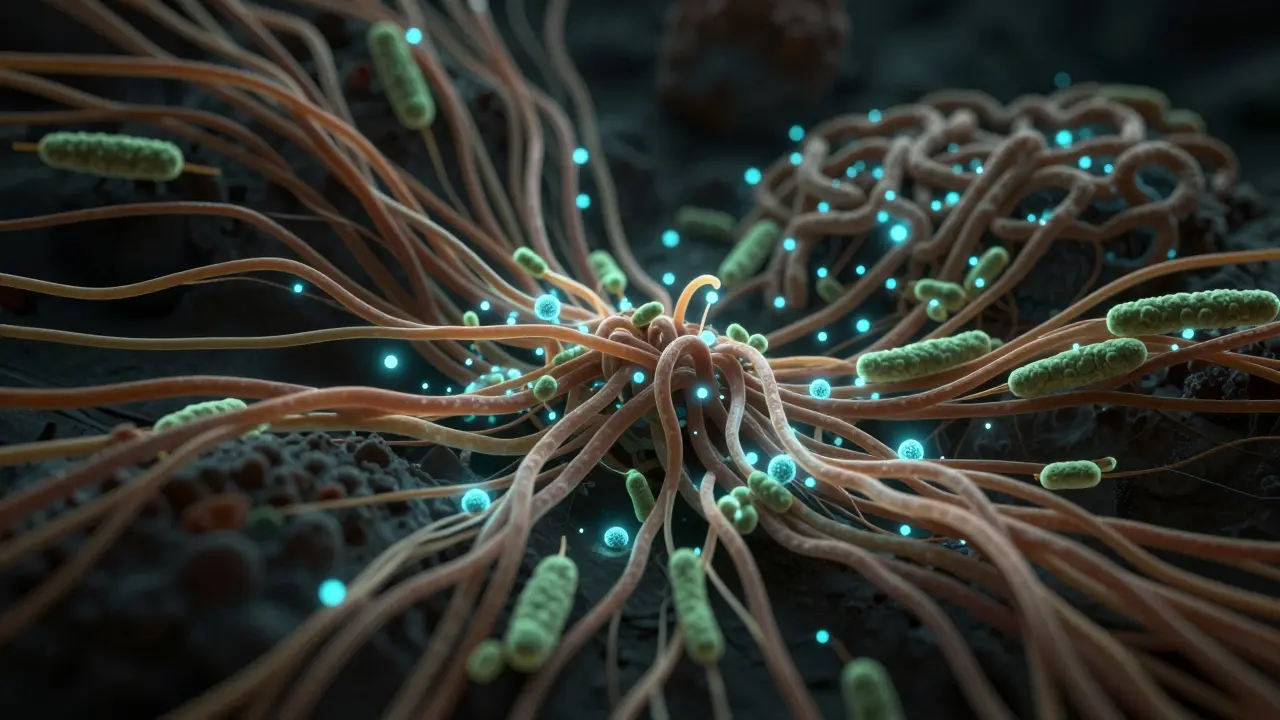
We spend our lives feeding bacteria in our guts. What you eat determines which microbes thrive. A diverse diet rich in resistant starch and fibres feeds beneficial species like Prevotella and Bifidobacteria. These bacteria ferment fibre into short-chain fatty acids, specifically butyrate, which repairs the gut lining.
Western diets high in processed meats often correlate with reduced microbial diversity. Lower diversity links to poor immune regulation and higher inflammation levels. By increasing your variety of plant foods, you create a buffet for good bacteria, which indirectly supports mental health via the gut-brain axis.

Addressing Protein Concerns
A common myth is that you cannot get enough protein without chicken or beef. The reality is different. Most people eat far more protein than they need physically. Legumes like chickpeas and kidney beans provide ample amino acids. Combining grains with beans throughout the day ensures you get a complete protein profile.
Wheat gluten, tofu, tempeh, and quinoa offer robust amounts per serving. Unless you are an elite endurance athlete requiring high intakes, standard portion sizes of these foods cover your daily requirements easily. Focus on the quality of your protein sources rather than just the quantity.
Is veganism safe for children?
Yes, it can be safe, but careful planning is required. Children need adequate calories, calcium, iron, zinc, and B12. Breast milk is often supplemented with formula designed for infants, and older kids need fortified foods or supplements to grow properly without deficiency.
Can I build muscle on a plant-based diet?
Absolutely. Many professional athletes perform exceptionally on this diet. The key is hitting total protein targets through foods like tofu, seitan, and peas, while ensuring enough overall energy to support recovery and training intensity.
Do I need to avoid junk food to see results?
Ideally yes. Focusing only on "vegan" labels for cakes and fries still leaves you with empty calories and high sodium. Whole-food plant-based eating yields better health metrics than processed vegan fast food.
What about Omega-3 fatty acids?
Fish are the best source of EPA and DHA, but you can get ALA from flaxseeds, chia seeds, and walnuts. Some bodies convert this well, others do not. An algae-based oil supplement provides direct EPA/DHA for those concerned about conversion rates.
Will I feel cold frequently?
Some report feeling colder due to reduced caloric density initially. Ensuring you eat enough healthy fats from nuts and avocados, along with maintaining muscle mass, helps regulate body temperature effectively.
Putting It All Together
If you are considering this shift, listen to your body closely. Transition slowly to allow your digestion to adapt to the increased fibre. Drink plenty of water, as higher fibre demands more hydration to move smoothly through the system. Monitor your energy levels and sleep patterns during the first few months.
Science supports the idea that a well-planned approach offers substantial protection against modern diseases. However, "well-planned" is the operative phrase. Simply swapping meat for processed meat substitutes misses the core benefit. Prioritize whole foods, respect the nutrient gaps, and stay curious about how your body responds to these changes.