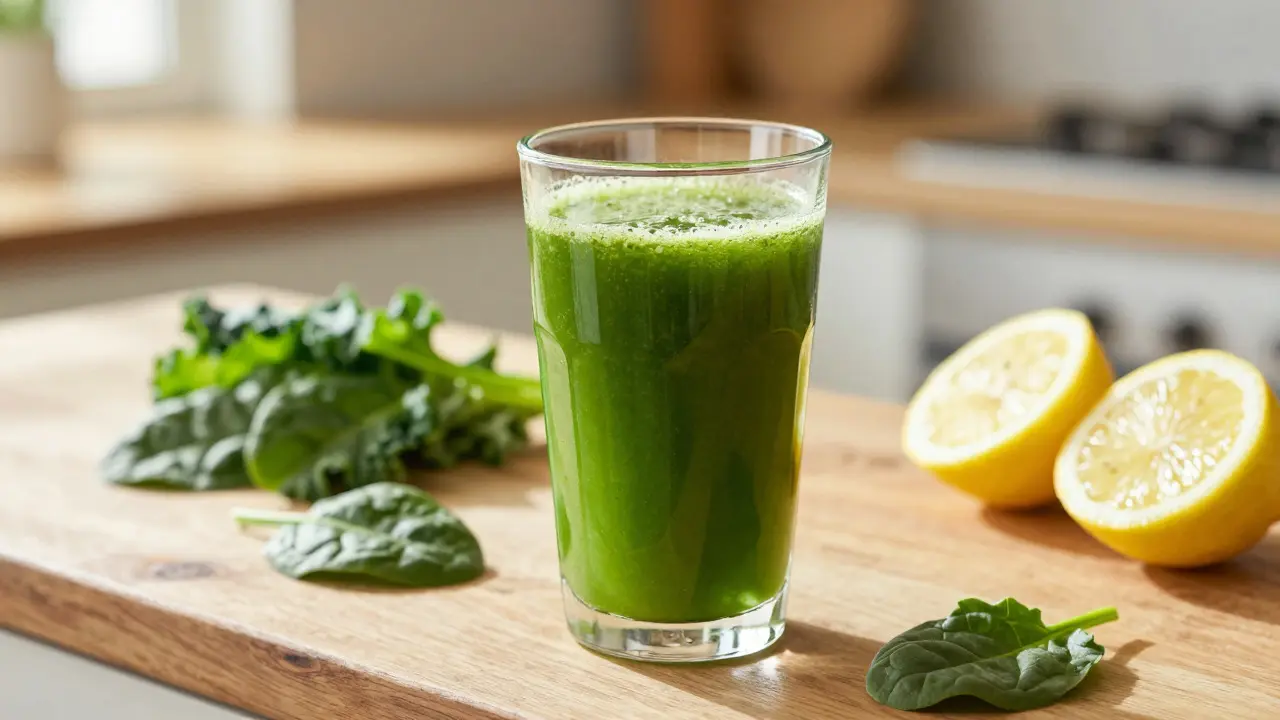
Most people think adding fruit to their morning routine is the ultimate health hack. But here’s the catch: if you’re just blending random ingredients without a plan, you might be drinking sugar water with extra vitamins. Health juice is a concentrated liquid form of fruits and vegetables designed to maximize nutrient intake while minimizing digestive load. It’s not about replacing meals; it’s about bridging the gap between what you eat and what your body actually needs to function at peak performance.
You don’t need a $500 juicer or a degree in nutrition science to get this right. You need to understand how different ingredients interact and when to drink them for maximum absorption. Whether you’re trying to boost your energy levels, support your gut health, or simply cut down on processed snacks, the right blend can make a tangible difference in how you feel by mid-afternoon.
Why Liquid Nutrition Works Differently
Eating a whole apple takes time. Your stomach has to break down the fiber, and digestion slows down. When you juice that apple (and pair it with something else), you strip away much of the insoluble fiber, leaving behind a potent mix of vitamins, minerals, and antioxidants. This allows your body to absorb nutrients faster, often within 15 to 30 minutes of consumption. For someone dealing with low iron or fatigue, this speed matters.
However, this rapid absorption comes with a trade-off. Without fiber to slow down glucose release, blood sugar spikes can happen quickly. That’s why the composition of your health juice is critical. It’s not just about throwing in whatever looks fresh at the store. It’s about balancing sweet, sour, and bitter flavors to create a stable energy source rather than a crash-and-burn cycle.
The Core Ingredients: What Actually Matters
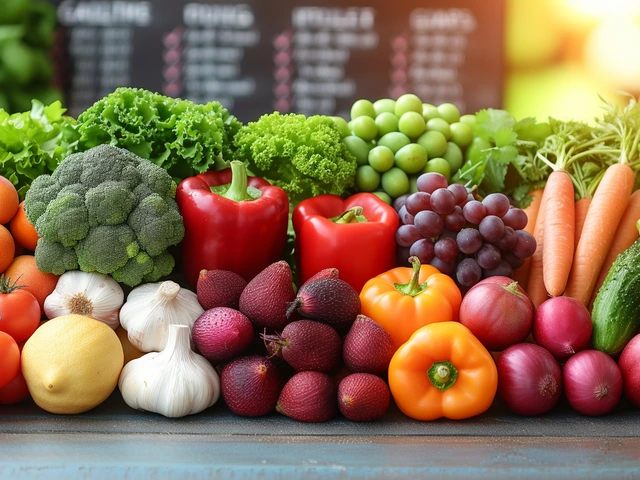
Not all produce creates equal value in a blender. Some ingredients are nutrient-dense powerhouses, while others are mostly water and sugar. Here’s a breakdown of the heavy hitters you should keep in your fridge:
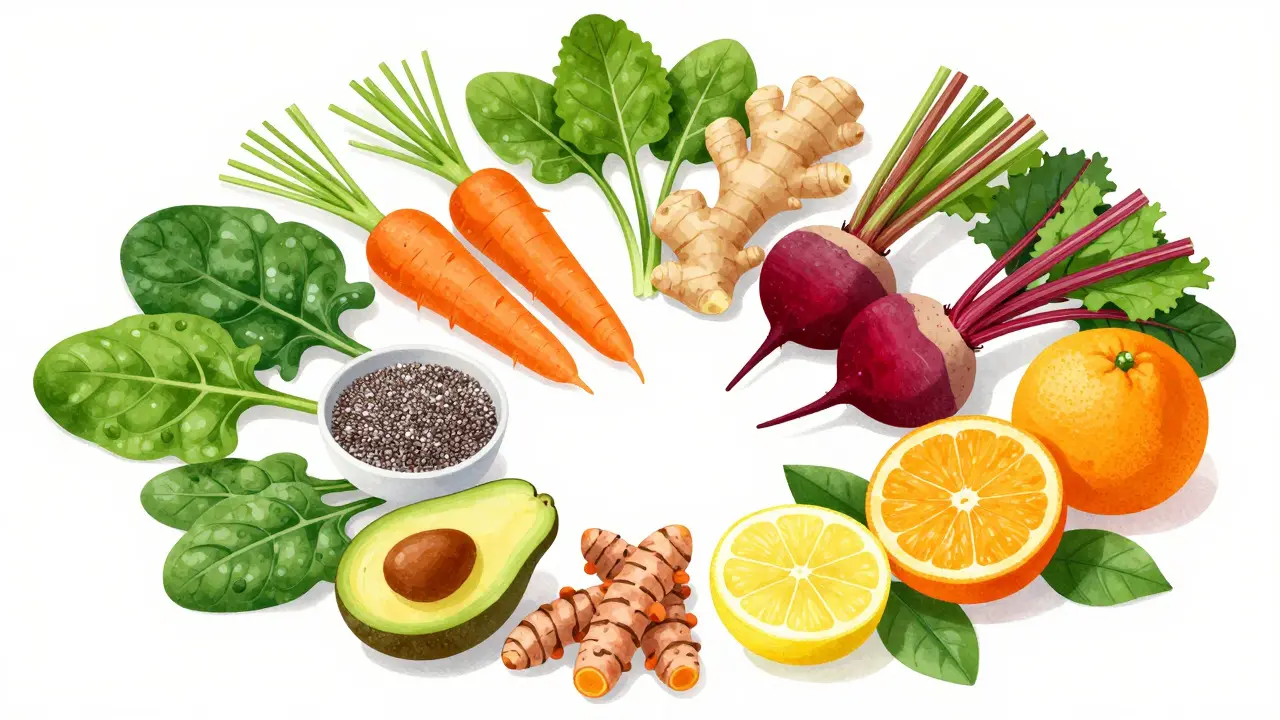
- Leafy Greens: Spinach and kale are the foundation. They provide folate, magnesium, and iron without adding significant calories. Unlike lettuce, which is 95% water, these greens pack a punch per ounce.
- Citrus Fruits: Lemons and oranges add vitamin C, which helps your body absorb non-heme iron from the greens. A squeeze of lemon isn’t just for taste; it’s a functional addition.
- Root Vegetables: Carrots and beets offer beta-carotene and nitrates. Nitrates help improve blood flow and lower blood pressure, making them excellent for cardiovascular health.
- Ginger and Turmeric: These aren’t just flavor enhancers. Ginger aids digestion and reduces nausea, while turmeric contains curcumin, a powerful anti-inflammatory compound. Adding black pepper to turmeric increases its bioavailability by up to 2000%.
Building Your First Three Blends
If you’re starting out, don’t overcomplicate it. Start with three base recipes that cover different nutritional goals. You can tweak these based on seasonality or personal preference.
- The Morning Reset (Energy & Focus): One cup spinach, half an avocado, one banana, and a splash of coconut water. The healthy fats from the avocado slow down sugar absorption, keeping you full until lunch.
- The Immunity Boost (Defense): Two oranges, one inch of ginger, half a lemon, and a handful of mixed berries. This high-vitamin C combo supports white blood cell production during cold seasons.
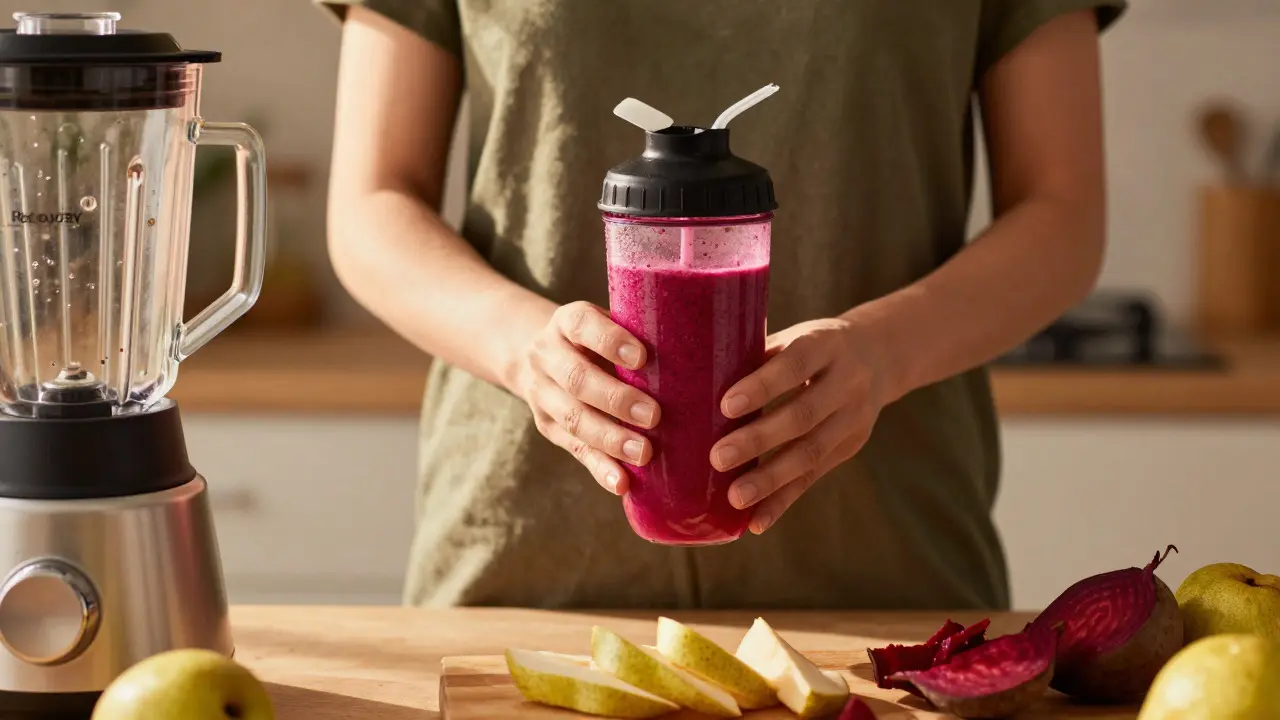
- The Recovery Blend (Post-Workout): One cup beet puree, one pear, and a tablespoon of chia seeds. Beets boost oxygen efficiency, while chia seeds provide omega-3 fatty acids and protein to repair muscle tissue.
Timing and Absorption: When to Drink
Drinking your health juice at the wrong time can negate its benefits. Here’s the general rule of thumb:
- Morning (Before Breakfast): Best for detox-focused juices with lots of greens and citrus. Your digestive system is most active upon waking, so it handles the quick-absorbing nutrients well. Wait 20 minutes before eating solid food to ensure full absorption.
- Mid-Morning Snack Replacement: Ideal for energy blends containing fruits and healthy fats. This prevents the 10 AM slump caused by skipping breakfast or relying on caffeine alone.
- Pre-Workout (1 Hour Before): Use beet-based or citrus-heavy juices. Avoid high-fiber blends right before exercise, as they can cause bloating.
Avoid drinking large volumes of juice immediately after a heavy meal. Your stomach is already busy breaking down complex proteins and fats, and introducing a high-sugar liquid can lead to fermentation and gas in the gut.
Common Mistakes to Avoid
Even experienced users make these errors. Watch out for them:
- Over-reliance on Fruit: If your juice is more than 50% fruit, you’re essentially drinking soda with vitamins. Aim for a 70/30 ratio of vegetables to fruit for most daily blends.
- Ignoring Oxidation: Once exposed to air, vitamins like C degrade rapidly. Drink your juice within 15 minutes of blending. If you must store it, use a vacuum-sealed bottle and refrigerate immediately.
- Forgetting Hydration Balance: Juicing removes water content from some veggies. Ensure you’re still drinking enough plain water throughout the day to stay hydrated, especially if you’re sweating heavily.
Comparison: Juicing vs. Blending vs. Eating Whole
Which method is best? It depends on your goal. Here’s a direct comparison to help you decide:
| Method | Fiber Content | Absorption Speed | Best For | Calorie Density |
|---|---|---|---|---|
| Juicing | Low (Pulp removed) | Fast (15-30 mins) | Rapid nutrient delivery, detox | Medium |
| Blending (Smoothies) | High (Whole fruit/veg) | Moderate (30-60 mins) | Satiety, meal replacement | High |
| Eating Whole | Very High | Slow (1-3 hours) | Blood sugar stability, chewing benefits | Varies |
If you’re trying to lose weight, blending might be better because the fiber keeps you fuller longer. If you’re feeling sluggish and need a quick nutrient hit, juicing wins. Ideally, a balanced diet includes all three methods at different times.
FAQ
Do I need a special juicer to make health juice?
No. A high-speed blender works fine for most purposes. If you want to separate the pulp for a smoother texture, a centrifugal juicer is helpful, but a masticating juicer is better for preserving heat-sensitive enzymes. However, for beginners, a standard blender is sufficient and cheaper.
Is health juice good for diabetics?
It can be, but caution is needed. Because juicing removes fiber, blood sugar can spike faster than when eating whole fruit. Diabetics should focus on vegetable-heavy juices (like celery, cucumber, and spinach) and limit fruit content to less than 20% of the volume. Always monitor blood sugar response.
How long does health juice last in the fridge?
For optimal nutrient retention, drink within 15 minutes. If stored in an airtight container in the refrigerator, it lasts up to 24 hours, but vitamin C levels drop significantly after the first few hours. Add a squeeze of lemon to extend shelf life slightly due to its acidity.
Can I replace a meal with health juice?
Occasionally, yes, but not regularly. Most juices lack sufficient protein and fat to sustain energy for several hours. If replacing a meal, add protein sources like hemp seeds, nut butter, or Greek yogurt to turn it into a complete smoothie bowl. Relying solely on juice for major meals can lead to muscle loss and hunger pangs.
What is the best time to drink green juice?
Early morning on an empty stomach is generally recommended. This allows the alkalizing properties of greens to balance the acidic state of the body after sleep. It also ensures that the nutrients are absorbed before other foods compete for digestive resources.