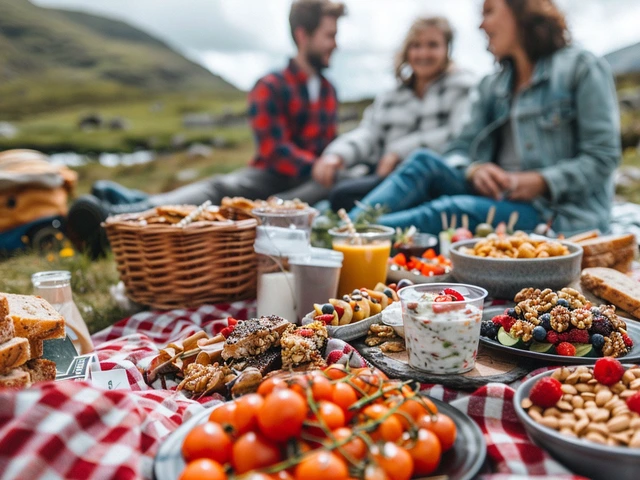
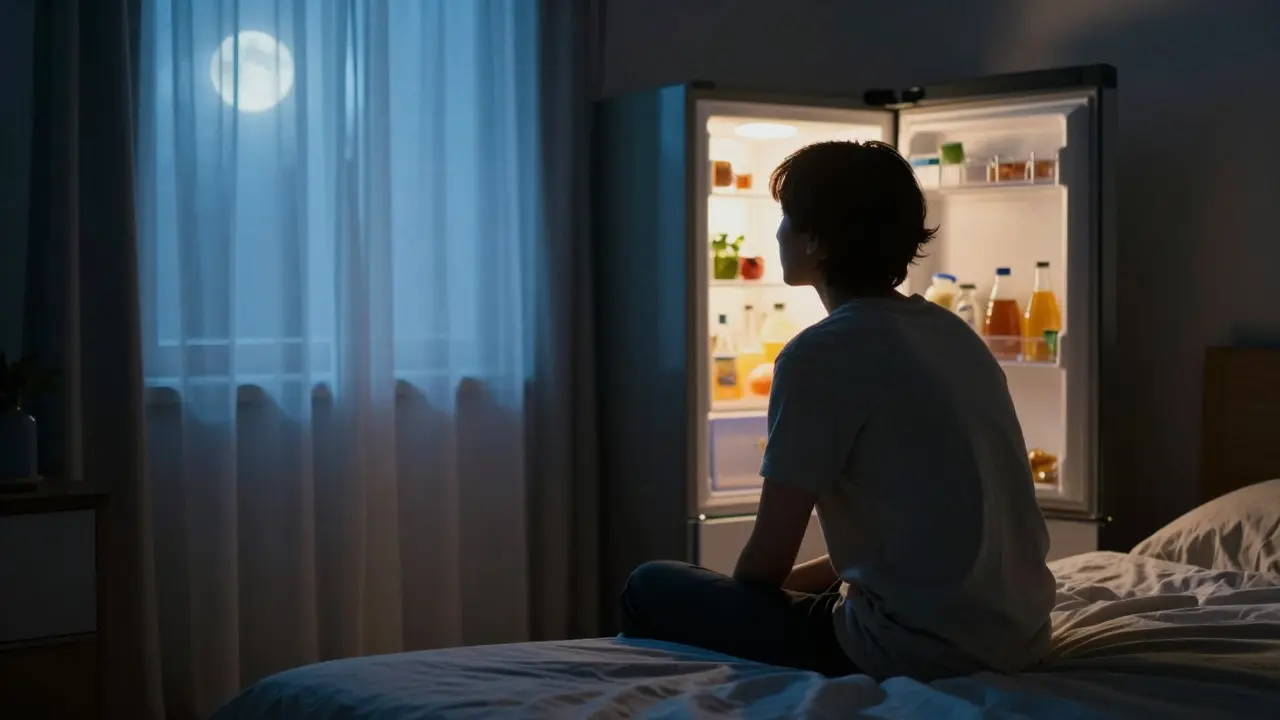
You know the feeling. It’s 11:45 PM. You’re in bed, or maybe just sitting on the couch with a book, when that sudden wave of hunger hits. Your stomach growls loud enough to wake the neighbors. The fridge is right there, glowing like a beacon of temptation. Do you grab a bag of chips? A slice of leftover pizza? Or do you find something that actually helps you sleep instead of keeping you awake?
Midnight snacking isn’t inherently bad. In fact, if you are genuinely hungry, skipping food can lead to poor sleep quality and irritability the next day. The problem usually lies in *what* we choose to eat. Heavy, sugary, or highly processed foods spike your blood sugar and keep your digestive system working overtime, which disrupts your circadian rhythm. The goal isn't to starve yourself into submission; it's to fuel your body with nutrients that promote relaxation and repair while you rest.
Why does hunger hit so hard at night?
Nighttime hunger often stems from an imbalance in daily macronutrients, particularly insufficient protein or fiber during dinner. When your blood sugar drops later in the evening, your body signals distress. Additionally, stress hormones like cortisol can trigger cravings for quick-energy foods like sugar and carbs, even if your body doesn't strictly need calories.
The Science Behind Late-Night Hunger
To fix the problem, we first need to understand why it happens. Most people experience nighttime cravings not because they are under-eating all day, but because their dinner lacked staying power. If your evening meal was heavy on refined carbohydrates-like white rice, pasta, or bread-but light on protein and healthy fats, your blood sugar will spike and then crash within two hours. That crash is what sends you rummaging through the pantry.
There is also the psychological component. After a long day of work, parenting, or studying, the kitchen becomes a place of comfort. We associate food with reward. However, eating large portions before bed forces your body to divert energy toward digestion rather than cellular repair and growth, which primarily happens during deep sleep. This can lead to acid reflux, bloating, and fragmented sleep cycles.
The solution is strategic. You want snacks that are low in glycemic impact, rich in tryptophan (an amino acid that converts to serotonin and melatonin), and easy to digest. Think of these snacks as tools for better sleep, not just calorie fillers.
Top Healthy Snacks for Better Sleep
Not all late-night bites are created equal. Here are specific options that satisfy hunger without sabotaging your rest. These choices focus on stabilizing blood sugar and promoting relaxation.
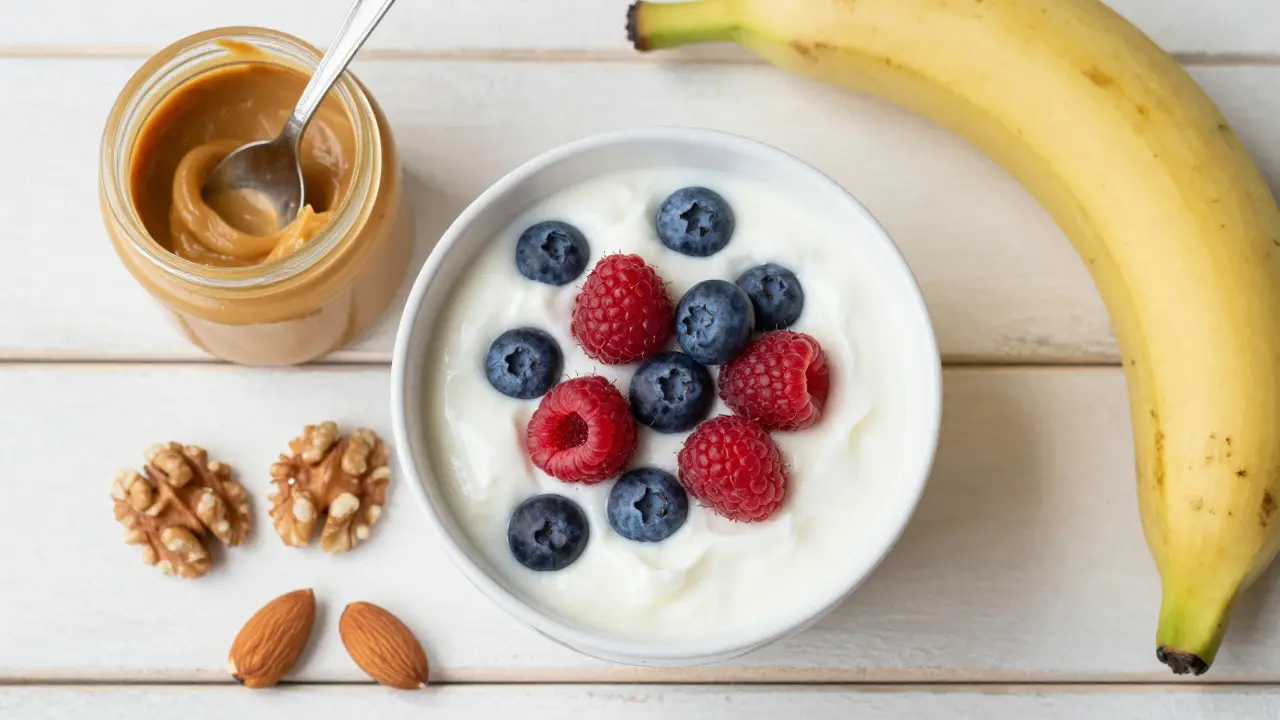
Greek Yogurt with Berries: Greek yogurt is packed with casein protein, which digests slowly, providing a steady release of amino acids throughout the night. This prevents muscle breakdown and keeps hunger at bay. Adding berries provides antioxidants and a small amount of natural sweetness without the sugar crash associated with candy. Look for plain, unsweetened varieties to avoid hidden sugars.
Almonds or Walnuts: Nuts are excellent sources of magnesium and healthy fats. Magnesium acts as a natural relaxant for muscles and nerves. Walnuts, in particular, contain omega-3 fatty acids and small amounts of melatonin. A small handful (about 10-15 almonds) is sufficient. Too many nuts can be heavy due to their fat content, so portion control is key.
Banana with Almond Butter: Bananas are rich in potassium and magnesium, both of which help relax muscles. Pairing them with almond butter adds protein and fat, slowing down the absorption of the banana's natural sugars. This combination creates a balanced snack that satisfies sweet cravings while supporting muscle recovery.
Chamomile Tea with a Few Dark Chocolate Squares: Sometimes the craving is mental rather than physical. Chamomile tea has mild sedative effects due to apigenin, an antioxidant that binds to certain receptors in your brain that may decrease anxiety and initiate sleep. A square or two of dark chocolate (70% cocoa or higher) provides a satisfying bitter-sweet finish without overloading you with sugar.
| Snack Option | Key Nutrient | Sleep Benefit | Preparation Time |
|---|---|---|---|
| Greek Yogurt & Berries | Casein Protein | Stabilizes blood sugar overnight | 1 minute |
| Handful of Walnuts | Magnesium & Melatonin | Relaxes muscles and nerves | Instant |
| Banana & Almond Butter | Potassium & Fat | Prevents cramps and sustains energy | 2 minutes |
| Chamomile Tea & Dark Chocolate | Apigenin & Flavonoids | Reduces anxiety and promotes calm | 5 minutes |
Foods to Avoid Before Bed
Knowing what to eat is half the battle; knowing what to skip is the other half. Certain foods act as stimulants or cause digestive distress, making them terrible choices for late-night consumption.
Spicy Foods: Chili peppers and hot sauces raise your core body temperature. To fall asleep, your body needs to cool down slightly. Spicy snacks can trigger heartburn and acid reflux, especially if you lie down shortly after eating. The discomfort can keep you tossing and turning for hours.
Sugary Desserts: Ice cream, cookies, and cakes cause rapid spikes in blood glucose followed by sharp drops. This rollercoaster can trigger the release of adrenaline and cortisol, stress hormones that alert your brain and make it harder to drift off. Plus, the high sugar content feeds yeast in the gut, potentially leading to bloating.
Caffeinated Treats: Green tea, black tea, coffee-flavored desserts, and even some herbal blends contain caffeine. Caffeine blocks adenosine, the chemical that makes you feel sleepy. Its half-life is about five to six hours, meaning half the caffeine you consume at 10 PM is still in your system at 3 AM.

Strategies to Curb Midnight Cravings
If you find yourself heading to the kitchen every night, changing your snacking habits might require more than just swapping chips for carrots. Here are practical strategies to retrain your body and mind.
Optimize Your Dinner: Ensure your last main meal of the day includes adequate protein and fiber. A dinner rich in lean meats, fish, legumes, and vegetables will keep you satiated longer. If you consistently wake up hungry, you might simply need to adjust your dinner portion sizes or timing.
Hydrate First: Often, thirst masquerades as hunger. Keep a glass of water by your bedside. If the craving strikes, drink a full glass and wait ten minutes. If the hunger persists, then reach for a small, healthy snack. Water also aids digestion and prevents dehydration, which can sometimes cause headaches and disrupt sleep.
Create a Barrier: Make unhealthy snacks less accessible. Don't keep bags of chips or boxes of cookies on the counter. Store them in opaque containers in high cabinets, or better yet, don't buy them. Conversely, pre-portion your healthy snacks. Having a small container of almonds ready in the fridge removes the friction of preparation and limits portion size automatically.
Address Stress: Emotional eating is a common driver of midnight snacking. If you are stressed, anxious, or bored, food might be a coping mechanism. Try replacing the kitchen trip with a non-food activity. Read a few pages of a book, practice deep breathing exercises, or listen to calming music. Identifying the root cause of the craving can help you address it directly rather than masking it with calories.
Listening to Your Body
Finally, remember that everyone’s metabolism and lifestyle are different. Shift workers, athletes, and pregnant individuals may have legitimate physiological needs for extra calories at night. If you are engaging in intense evening workouts, a post-workout snack is necessary for recovery. The key is to choose nutrient-dense foods that support your specific goals.
Don't guilt-trip yourself for eating at night. Guilt causes stress, and stress ruins sleep. Instead, view your midnight snack as a deliberate choice to nourish your body. By selecting foods that aid digestion and promote relaxation, you turn a potential sleep disruptor into a tool for better rest. Start small, experiment with different options, and pay attention to how you feel the next morning. Consistency and mindfulness will eventually rewire those late-night habits.
Is it okay to eat right before bed?
Ideally, you should finish eating 2-3 hours before bedtime to allow for digestion. However, if you are genuinely hungry, a small, light snack is better than going to bed starving. The key is to choose easily digestible foods like yogurt or fruit, avoiding heavy, fatty, or spicy meals that can cause reflux.
Will eating at night make me gain weight?
Weight gain is determined by total caloric intake versus expenditure over time, not just the timing of meals. However, late-night snacking often involves high-calorie, low-nutrient foods, which can contribute to a calorie surplus. Choosing healthy, portion-controlled snacks minimizes this risk.
What is the best protein source for a bedtime snack?
Casein protein, found in dairy products like cottage cheese and Greek yogurt, is ideal for bedtime. It digests slowly, providing a sustained release of amino acids that supports muscle repair during sleep without causing a rapid spike in blood sugar.
Can drinking water help stop hunger?
Yes, dehydration is frequently mistaken for hunger. Drinking a glass of water can temporarily suppress appetite and satisfy the sensation of emptiness. Wait 10-15 minutes after drinking to see if the craving subsides before reaching for food.
Are bananas good for sleeping?
Bananas are excellent for sleep due to their high content of potassium and magnesium, which help relax muscles. They also contain tryptophan, which the body converts into serotonin and melatonin, hormones that regulate sleep-wake cycles.