When you’re stuck in your own head, words often fail. You can’t explain the weight you carry, the silence that follows a bad day, or the emotions that won’t name themselves. That’s where creative arts therapies step in-not as a luxury, but as a quiet, powerful tool for real change. Unlike talk therapy, where you struggle to find the right sentence, creative arts therapies let your hands, voice, or body speak for you. Painting, drumming, dancing, writing poetry, or even molding clay can unlock parts of yourself you didn’t know were there.
What Exactly Are Creative Arts Therapies?
Creative arts therapies are structured, evidence-based practices that use artistic expression as a form of healing. They’re not art classes. There’s no grading, no perfect outcome. Instead, they’re guided by trained therapists who understand how movement, sound, color, and rhythm connect to emotional processing. The main types include art therapy, music therapy, dance/movement therapy, drama therapy, and expressive writing. Each one uses a different medium, but they all share the same goal: helping people access feelings they can’t say out loud.
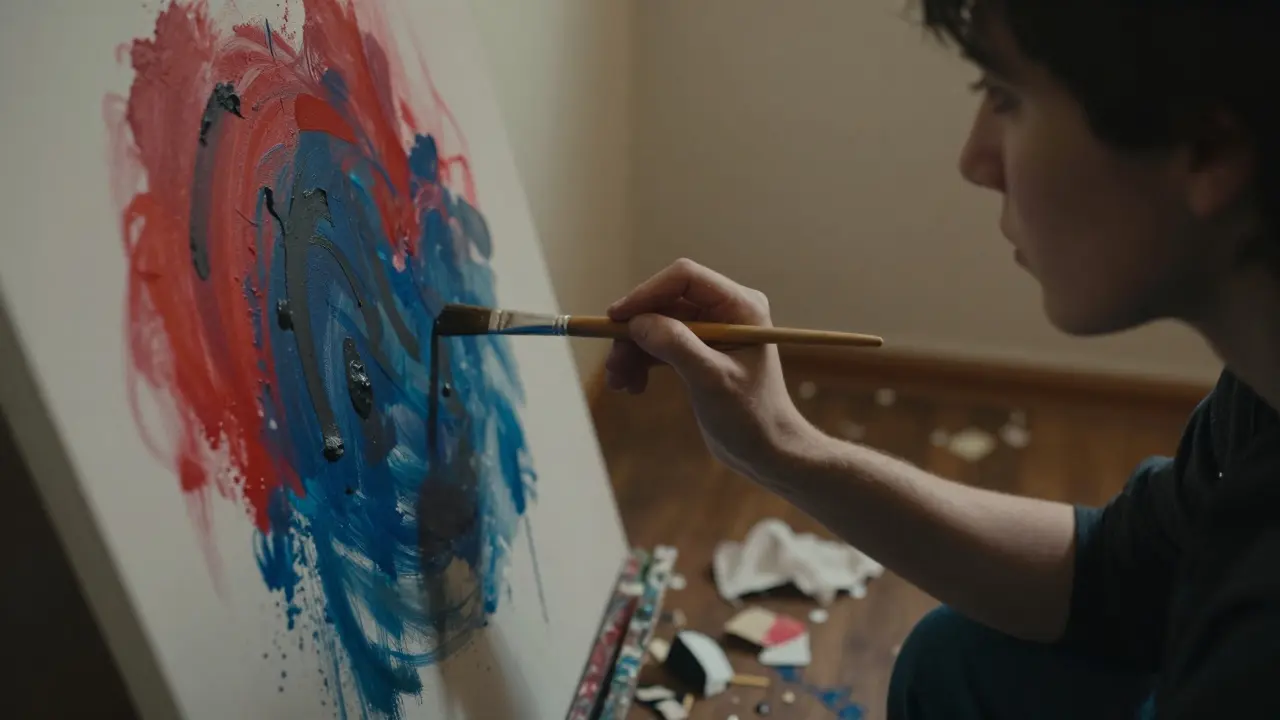
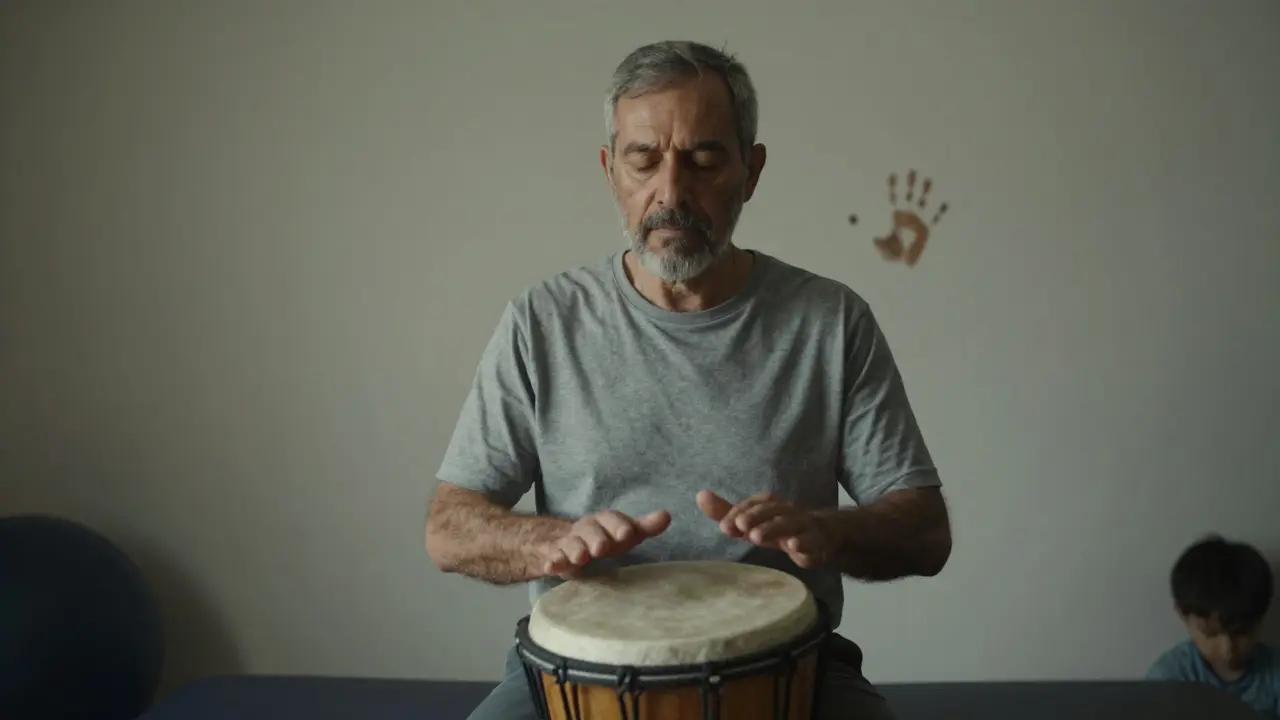
For example, someone dealing with trauma might not be ready to say what happened. But when they pick up a brush and start painting chaotic red swirls, the therapist notices patterns. Over time, those patterns become a language. In music therapy, a person who’s withdrawn might begin tapping a rhythm on a drum-first slow, then steady, then strong. That rhythm becomes a bridge to connection.
How It Changes You From the Inside Out
Personal growth isn’t always about setting goals or reading self-help books. Sometimes, it’s about unlearning old ways of holding pain. Creative arts therapies help by giving you a safe space to experiment with emotions. You can smash clay to release anger. You can write a letter you’ll never send. You can move your body in ways that feel awkward at first, then liberating.
A 2024 study from the Journal of Expressive Therapies followed 120 adults in a 12-week art therapy program. Participants reported a 42% increase in self-awareness and a 38% drop in emotional suppression. One woman, who had spent years saying she was "fine," started painting scenes from her childhood. After six sessions, she told her therapist, "I finally know why I’ve been so angry all this time." That’s not magic. That’s the brain reconnecting with buried experiences through sensory expression.
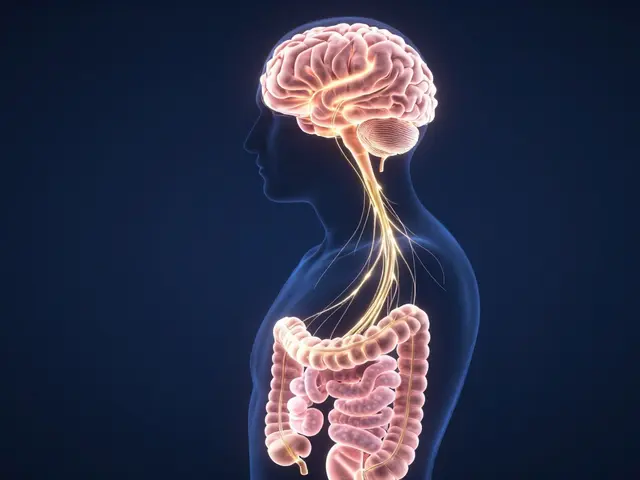
These therapies work because they bypass the logical part of the brain. When you’re overwhelmed, your prefrontal cortex shuts down. Talking becomes hard. But painting? Drumming? Dancing? Those activate the limbic system-the emotional center. You don’t need to think your way through pain. You just need to feel it, and let it move through you.
Real People, Real Shifts
Take Marcus, a 34-year-old veteran who struggled with PTSD. He couldn’t sleep. He avoided crowds. He stopped talking to his kids. His therapist suggested drama therapy. At first, Marcus refused. But after a few sessions of role-playing-pretending to be someone else, speaking lines he didn’t write-he began to cry. Not because he was acting. Because for the first time in years, he felt safe enough to be vulnerable. By the end of the program, he was reading bedtime stories to his children again. Not because he "fixed" his trauma. But because he finally let himself feel it.
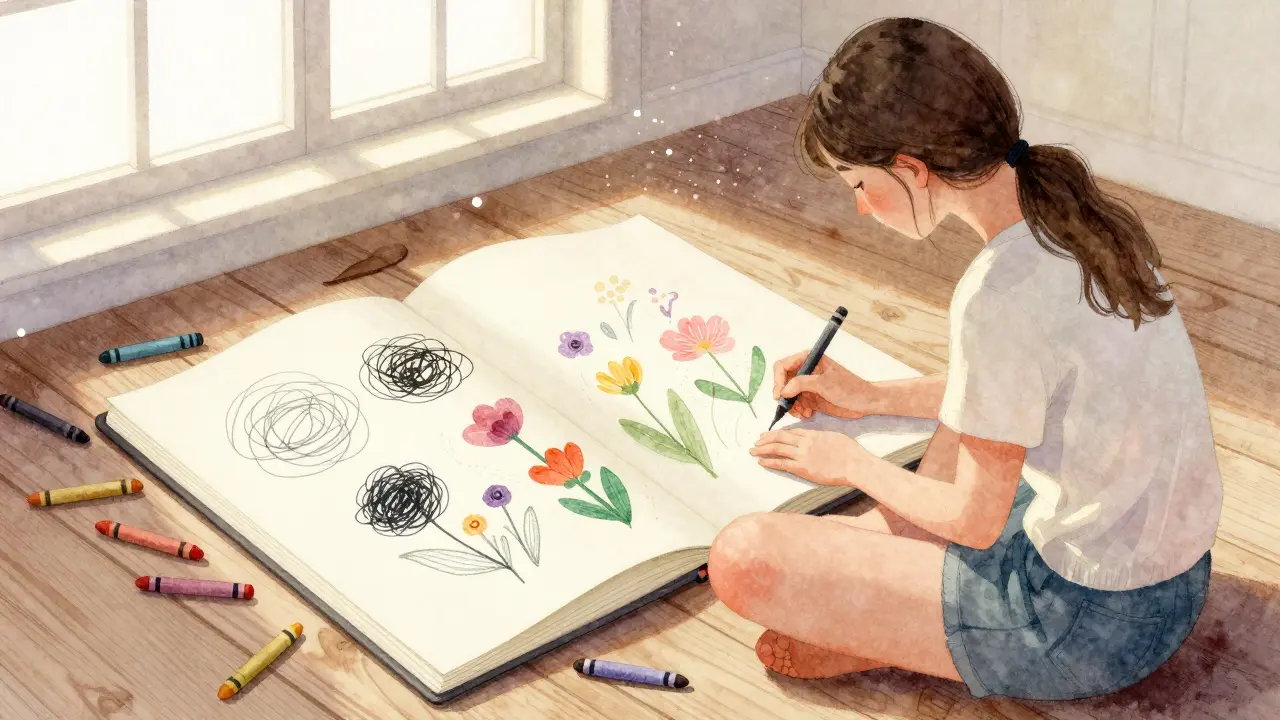
Or Maria, a college student with severe anxiety. She’d sit in class with her hands clenched, terrified of speaking up. Her art therapist gave her a journal and told her to draw how she felt every day. At first, it was just black scribbles. Then came jagged lines. Then faces. Then flowers. After eight weeks, she started raising her hand in class. She didn’t become outgoing. But she stopped hiding. The drawings became her diary, her proof that she was more than her fear.
Why It Works Better Than You Think
One myth is that you need to be "artistic" to benefit. You don’t. You don’t need to know how to play piano or draw well. In fact, the less you think about being "good," the more effective it becomes. The goal isn’t to create a masterpiece. It’s to create a moment of honesty.
Neuroscience backs this up. fMRI scans show that when people engage in creative expression-like improvising music or free drawing-the brain’s default mode network lights up. That’s the same network active during self-reflection and memory recall. Creative arts therapies don’t just help you feel better. They help you understand yourself.
Another benefit? It’s non-verbal. That’s huge for people who’ve been told their feelings are "too much," "not logical," or "not valid." Art doesn’t argue. It doesn’t judge. It just holds space. And that’s exactly what growing into yourself requires.
Where to Start-No Experience Needed
You don’t need a therapist to begin. Start small. Try this: Set aside 15 minutes a day for five days. No goals. Just materials. A notebook. Crayons. A drum. Your voice. Whatever’s handy.
- Day 1: Draw how your body feels right now. Don’t think. Just move.
- Day 2: Play one song that matches your mood. Close your eyes. Let it move you.
- Day 3: Write a poem using only five words. Then erase three. What’s left?
- Day 4: Dance like no one’s watching-even if you’re alone in your kitchen.
- Day 5: Look back. What surprised you? What did you notice about yourself?
This isn’t therapy. It’s self-exploration. But it’s the kind that leads to real insight. Many people who start this way end up seeking a certified therapist later. Not because they failed. But because they felt something worth deepening.
When It’s Not Enough
Creative arts therapies are powerful, but they’re not a cure-all. If you’re in crisis-having suicidal thoughts, experiencing severe dissociation, or dealing with active addiction-these practices should complement, not replace, professional care. They work best alongside counseling, medication, or other treatments.
Also, not every form works for everyone. If painting feels frustrating, try drumming. If dancing feels too exposed, try writing. The key is finding the medium that lets you feel safe enough to be real. It might take a few tries. That’s normal.
The Quiet Revolution
Creative arts therapies aren’t flashy. They don’t have apps or viral TikTok trends. But they’re changing lives quietly, one brushstroke, one note, one step at a time. They remind us that healing doesn’t always come from talking. Sometimes, it comes from making something-something only you can make.
Personal growth isn’t about becoming someone new. It’s about remembering who you were before you learned to hide. Creative arts therapies help you find that person again-not by telling you who you are, but by giving you the tools to show yourself.
Can creative arts therapies help with anxiety?
Yes. Studies show that expressive activities like painting, music, and movement reduce cortisol levels and lower heart rate. People with anxiety often feel trapped in their thoughts. Creative arts therapies give them a way to release tension without words. One 2023 trial found that participants in weekly art therapy sessions reported a 51% reduction in anxiety symptoms after 10 weeks.
Do you need to be good at art to benefit?
No. In fact, focusing on being "good" can block the process. Creative arts therapies are about expression, not skill. A therapist doesn’t care if your drawing looks like a house. They care if it shows your anger, fear, or sadness. The value is in the act, not the outcome.
Is music therapy only for musicians?
Absolutely not. Music therapy uses sound as a tool-not performance. You might hum, tap a rhythm, or just listen. Therapists use instruments like drums, xylophones, or even voice recordings to help people express emotions. You don’t need to know a single note. You just need to be willing to make a sound.
How long does it take to see results?
Some people feel a shift after one session. Others need weeks. It depends on the person and the issue. Most programs run for 8 to 16 weeks. The goal isn’t quick fixes. It’s lasting change-like learning to recognize your emotions before they overwhelm you. Progress is often subtle: you sleep better, you speak up more, you feel less alone.
Can children benefit from creative arts therapies?
Yes, and often more easily than adults. Kids don’t overthink expression. A child who won’t talk about a divorce might draw a house with no windows. A teenager who’s depressed might write lyrics no one else hears. Therapists use these clues to understand what’s going on inside. Art becomes their voice.
Are creative arts therapies covered by insurance?
It varies. In the U.S., some insurance plans cover art, music, or dance therapy if provided by a licensed therapist and deemed medically necessary. Check with your provider. Many community centers and nonprofits offer sliding-scale or free programs. You don’t need insurance to start exploring-it just helps if you want long-term support.
If you’ve ever felt like your emotions were too messy for words, know this: you’re not broken. You just haven’t found the right way to speak. Creative arts therapies offer that way-not with pressure, not with judgment, but with color, sound, and movement. And sometimes, that’s all it takes to begin again.