
You’ve just finished a grueling training session. Your legs feel like lead, your shoulders are tight knots, and every movement feels stiff. You know you need to stretch, but the thought of holding a pose for thirty seconds while your muscles scream makes you want to skip it entirely. This is where sports massage steps in-not just as a luxury treat, but as a functional tool to unlock your body’s potential.
Flexibility isn’t just about touching your toes; it’s about moving freely, preventing injury, and recovering faster. While static stretching has its place, many athletes and active individuals find that their range of motion plateaus no matter how much they stretch. The missing link often lies in the state of your soft tissues. Sports massage addresses this directly by manipulating the fascia and muscle fibers to restore length and elasticity.
The Science Behind Muscle Stiffness and Range of Motion
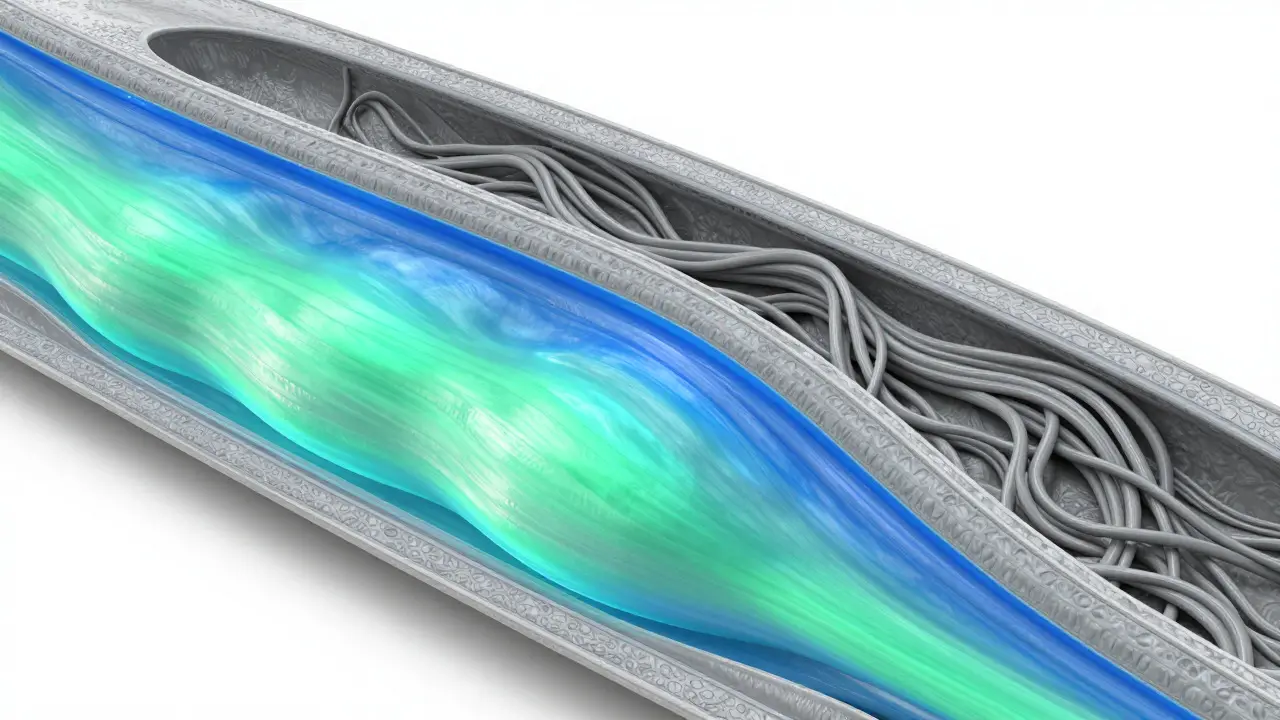
To understand why sports massage works, we first need to look at what causes stiffness. When you exercise, microscopic tears occur in your muscle fibers. As these heal, scar tissue can form if not properly managed. More importantly, your fascia-the connective tissue that wraps around your muscles-can become adhered or "stuck." Imagine a rubber band that has been stretched out and then glued to itself in spots. It loses its snap and ability to return to its original shape.
Fascia is a continuous web of connective tissue that surrounds muscles, bones, nerves, and organs throughout the body. When this tissue becomes dehydrated or inflamed due to repetitive strain, it restricts movement. This restriction is often mistaken for "tight muscles," but the issue is frequently structural rather than muscular. Sports massage therapists use specific techniques to break down these adhesions, allowing the fascia to glide smoothly again.
Research in sports medicine suggests that manual therapy can significantly improve joint angle measurements. For example, studies on hamstring flexibility have shown that deep tissue work combined with stretching yields greater improvements in range of motion compared to stretching alone. This isn't magic; it's biomechanics. By reducing the viscosity of the synovial fluid in joints and loosening the surrounding soft tissue, you create more space for movement.
Key Techniques Used to Enhance Flexibility
Not all massage is created equal. A relaxation massage might leave you feeling calm, but it won't necessarily increase your squat depth. Sports massage employs targeted techniques designed to alter tissue structure and function. Here are the primary methods used to boost flexibility:
- Deep Tissue Massage: This technique uses slow, firm pressure to reach deeper layers of muscle and fascia. It targets chronic patterns of tension, such as those found in the lower back or hips. The goal is to release trigger points-hyperirritable spots in skeletal muscle that cause pain and restricted movement.
- Myofascial Release: Unlike deep tissue massage, which focuses on muscle fibers, myofascial release applies gentle, sustained pressure into the restrictive pattern of the fascia. It allows the tissue to "unwind" and lengthen over time. This is particularly effective for improving overall mobility and posture.
- Active Release Technique (ART): ART involves the therapist applying tension to a muscle while you actively move the joint through its range of motion. This combination breaks up scar tissue and restores normal texture to the soft tissue. It’s highly specific and often provides immediate improvements in flexibility.
- Trigger Point Therapy: This focuses on identifying and releasing specific knots in the muscle. When a trigger point is released, the referred pain disappears, and the muscle can relax fully, contributing to better flexibility.
Each of these techniques serves a different purpose. If you’re dealing with acute stiffness after a run, deep tissue might be too aggressive. Myofascial release could be a gentler alternative. Understanding which technique suits your current physical state is key to maximizing benefits.
Timing Matters: Pre-Event vs. Post-Event Massage
When you get a sports massage matters just as much as how it’s performed. Many people assume that getting a deep tissue massage right before a competition will help them perform better. In reality, this can sometimes do the opposite by causing temporary inflammation or soreness.
| Feature | Pre-Event Massage | Post-Event Massage |
|---|---|---|
| Purpose | Warm-up, activation, mental focus | Recovery, reduction of DOMS, restoration of length |
| Technique Intensity | Light to moderate, effleurage and petrissage | Moderate to deep, targeting specific tight areas |
| Duration | 10-15 minutes | 30-60 minutes |
| Impact on Flexibility | Temporary increase in blood flow and warmth | Long-term improvement in tissue elasticity and range of motion |
| Best For | Competitions, intense workouts | Training days, recovery periods |
For long-term flexibility gains, post-event or maintenance massage is far more effective. This is when your body is primed to accept changes. The heat from exercise increases blood flow, making tissues more pliable. A therapist can work deeper into the muscle without causing excessive discomfort. Over time, consistent post-workout massage helps maintain the length of the muscle fibers, preventing them from shortening and tightening.
Synergy Between Massage and Stretching
One of the biggest misconceptions is that sports massage replaces stretching. It doesn’t. Instead, it enhances it. Think of massage as preparing the soil and stretching as planting the seeds. If the soil is hard and compacted (tight fascia), the seeds won’t grow well. But if you loosen the soil first, the seeds take root more easily.
After a sports massage session, your muscles are in a relaxed state, and your nervous system is less likely to guard against movement. This is the perfect window to incorporate dynamic or static stretching. You’ll likely notice that you can go deeper into stretches with less effort and less pain. This synergy accelerates progress. For instance, if you’re working on hip flexibility for yoga or running, a massage focused on the glutes and hamstrings followed by pigeon pose or forward folds can yield significant results in just a few sessions.
However, timing is crucial. Don’t stretch aggressively immediately after a deep tissue massage if you’re feeling sore. Give your body 24 hours to integrate the changes. Light movement, such as walking or gentle cycling, is ideal during this period. It promotes circulation without stressing the newly released tissues.

Addressing Specific Areas for Improved Mobility
Different activities demand flexibility from different parts of the body. A runner needs open hips and loose calves, while a weightlifter might struggle with thoracic spine mobility and shoulder tightness. Sports massage is highly customizable, allowing therapists to focus on the areas that limit your performance.
Hip flexors are a common culprit for poor flexibility, especially for those who sit at desks all day. Tight hip flexors pull on the pelvis, leading to lower back pain and reduced stride length. A therapist can use cross-fiber friction to break up adhesions in the iliopsoas muscle, followed by guided stretches to restore full extension. Similarly, for swimmers or tennis players, shoulder mobility is critical. Work on the rotator cuff and pec minor can prevent impingement and allow for a fuller range of motion in overhead movements.
If you have a history of injuries, scar tissue may be limiting your flexibility. Scar tissue lacks the elasticity of normal muscle tissue. Specialized techniques like scar tissue mobilization can help align collagen fibers along the lines of stress, improving both strength and flexibility in the healed area. This is particularly relevant for runners who have experienced shin splints or cyclists with knee issues.
Practical Tips for Maximizing Flexibility Gains
To get the most out of sports massage for flexibility, consider these practical strategies:
- Communicate Clearly: Tell your therapist exactly what movements feel restricted. Do you struggle with squats? Can’t touch your toes? Specific feedback allows them to tailor the session to your needs.
- Stay Hydrated: Massage releases metabolic waste products from the muscles. Drinking water before and after your session helps flush these toxins out and keeps tissues hydrated, which is essential for elasticity.
- Consistency is Key: One massage won’t transform your flexibility. Aim for regular sessions, whether monthly or bi-weekly, depending on your activity level. Maintenance massages prevent tightness from building up in the first place.
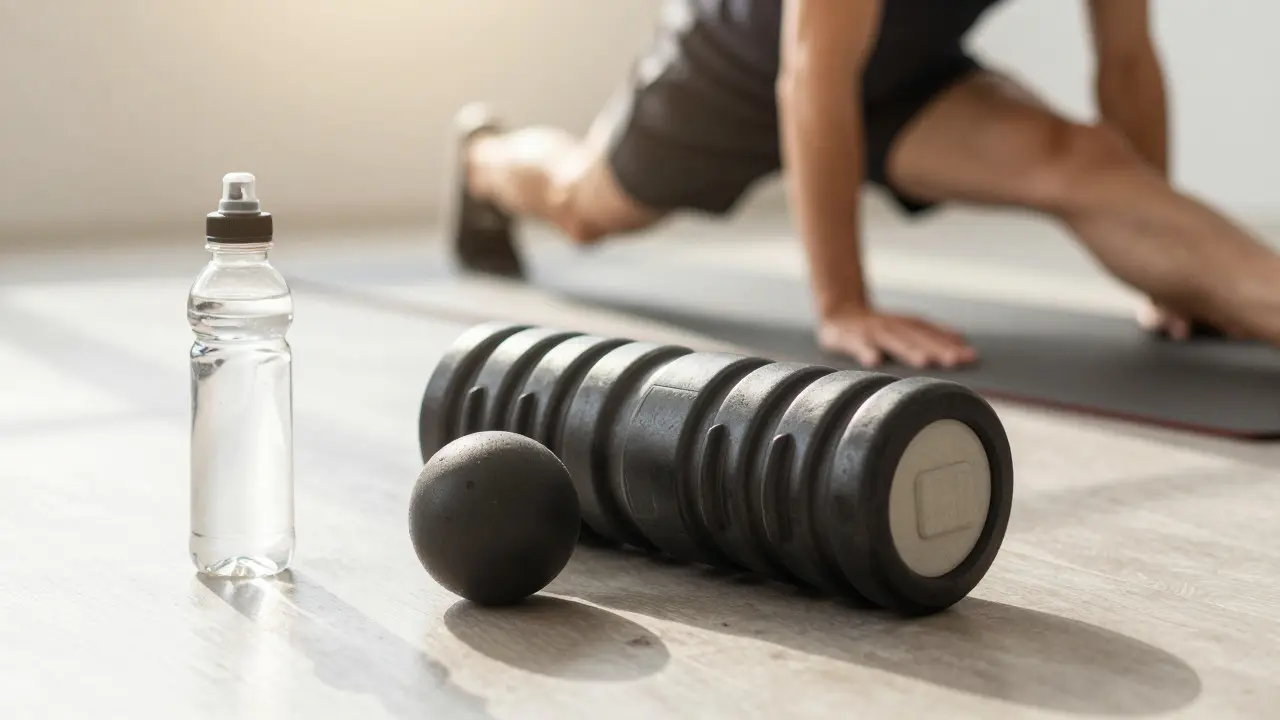
- Combine with Self-Care: Use foam rollers or lacrosse balls between sessions to maintain progress. These tools can help manage daily tension and keep fascial lines open.
- Listen to Your Body: Some soreness after a deep tissue massage is normal, but sharp pain is not. If an area remains painfully tight, inform your therapist. They may need to adjust their approach or refer you to a physical therapist for further assessment.
Remember, flexibility is a journey, not a destination. Your body adapts to the demands you place on it. By integrating sports massage into your routine, you’re investing in long-term mobility and resilience. Whether you’re an elite athlete or someone who simply wants to move without pain, the power of hands-on therapy cannot be underestimated.
How quickly can I expect to see improvements in flexibility after sports massage?
Many people experience immediate improvements in range of motion after a single session, especially if the restriction was due to acute tension or trigger points. However, lasting changes in flexibility typically require multiple sessions over several weeks. Consistent treatment, combined with regular stretching, yields the best long-term results. For chronic issues involving scar tissue or severe adhesions, it may take 4-6 weeks of regular massage to see significant, permanent changes.
Is sports massage painful?
Sports massage can be intense, particularly when working on deep tissue or trigger points, but it shouldn’t be unbearable. Pain is subjective, so communication with your therapist is vital. A good therapist will work within your comfort zone, using pressure that is firm but not agonizing. Some discomfort is normal as tight tissues are released, but sharp or shooting pain should be reported immediately so the therapist can adjust their technique.
Can sports massage help with old injuries?
Yes, sports massage can be very effective for managing old injuries. Over time, injured tissues often develop scar tissue, which is less elastic than healthy muscle. Techniques like scar tissue mobilization and myofascial release can help break down these adhesions and improve flexibility in the affected area. However, if the injury involves joint instability or nerve damage, it’s important to consult with a healthcare provider before starting massage therapy.
How often should I get a sports massage for flexibility?
The frequency depends on your activity level and goals. For athletes in peak training, weekly or bi-weekly sessions may be beneficial. For general fitness enthusiasts aiming to improve flexibility, once a month is a good starting point. If you’re dealing with a specific tightness or injury, more frequent sessions (e.g., twice a week) for a short period can accelerate recovery. Listen to your body and adjust based on how you feel and perform.
What should I wear to a sports massage appointment?
Wear comfortable, loose-fitting clothing that allows easy access to the areas being treated. Most therapists provide draping sheets to ensure modesty, exposing only the part of the body being worked on. If you’re having a pre-event massage, you might choose to stay partially clothed or wear athletic gear. Communicate any preferences or sensitivities with your therapist beforehand to ensure a comfortable experience.