
Key Takeaways for Quick Relief
- Physiological Sigh: Two quick inhales followed by one long exhale to instantly lower heart rate.
- Cortisol Management: Avoid caffeine and high-sugar snacks during peak stress to prevent glucose spikes.
- The 20-Minute Rule: A short walk in nature can significantly drop salivary cortisol.
- Digital Detox: Turning off notifications for just two hours a day reduces cognitive load.
The Biology of the Burnout Cycle
To fix stress, you have to understand the machinery behind it. When you perceive a threat-whether it's a looming deadline or a passive-aggressive email-your hypothalamus triggers the release of Cortisol, a steroid hormone produced by the adrenal glands that increases blood sugar and suppresses non-essential functions. In short bursts, this is great. It makes you sharp and fast. But when cortisol stays high for weeks, it starts eating away at your prefrontal cortex, making it harder to focus and easier to panic.
This is where Burnout comes in. It isn't just "being tired." It's a state of emotional, physical, and mental exhaustion caused by excessive and prolonged stress. If you find yourself staring at a screen for three hours without typing a word, or feeling cynical about a job you used to love, your nervous system is effectively locked in a high-alert mode. You can't "will" yourself out of this; you have to signal to your brain that the danger has passed through physical action.
Hacking the Vagus Nerve for Instant Calm
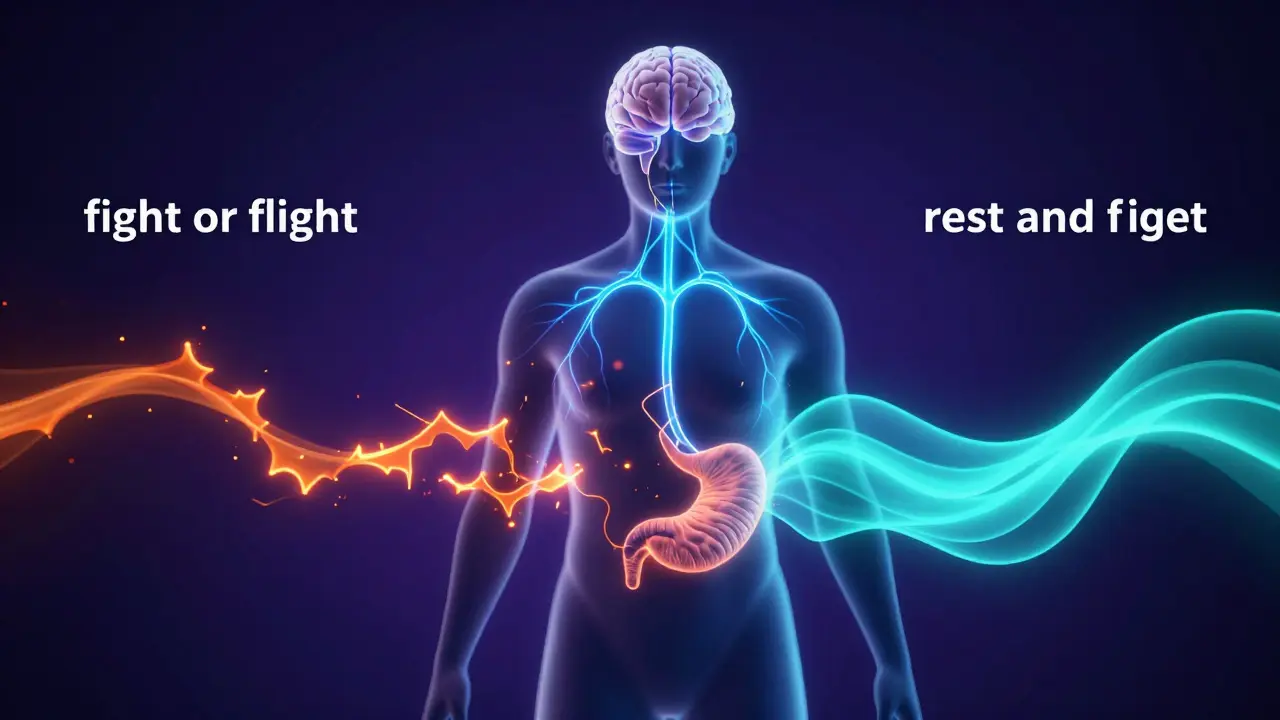
If you want to flip the switch from panic to peace, you need to target the Vagus Nerve, which is the longest cranial nerve in the body, acting as the primary component of the parasympathetic nervous system. This nerve runs from your brainstem all the way down to your abdomen, touching your heart and lungs along the way. When you stimulate it, you're essentially sending a "safe" signal to your brain.
One of the most effective ways to do this is through diaphragmatic breathing. Instead of chest breathing-which actually signals more stress to the brain-try breathing deep into your belly. When your diaphragm pushes down on the vagus nerve, it slows your heart rate almost immediately. Another trick is cold water exposure. Splashing ice-cold water on your face or taking a 30-second cold shower triggers the "diving reflex," which forces your heart rate to drop and resets your emotional baseline.
| Technique | Target System | Time to Effect | Best Use Case |
|---|---|---|---|
| Physiological Sigh | Autonomic Nervous System | 30 Seconds | Immediate panic or acute anxiety |
| Mindfulness Meditation | Prefrontal Cortex | 10-20 Minutes | General daily anxiety |
| Vigorous Exercise | Endocrine System | 30-60 Minutes | Chronic tension/angry stress |
| Sleep Hygiene | Glymphatic System | Overnight | Long-term burnout recovery |
Mindfulness: More Than Just Sitting Still
You've probably heard of Mindfulness, but it's often sold as a mystical experience. In reality, it's a cognitive exercise in attention. It is the practice of observing your thoughts without judging them. When you're stressed, your mind is usually in the future (worrying about what might happen) or the past (ruminating on a mistake). Mindfulness pulls you back into the present.
Try a "sensory anchor" when you feel overwhelmed. Find five things you can see, four things you can touch, three things you can hear, two things you can smell, and one thing you can taste. This forces your brain to switch from the amygdala (the fear center) back to the sensory cortex. It breaks the loop of catastrophic thinking and gives you a moment of clarity to decide how to actually handle the problem.
The Role of Nutrition and Gut Health
You can't meditate your way out of a bad diet. There is a direct line of communication between your gut and your brain known as the gut-brain axis. A huge portion of your Serotonin-the neurotransmitter responsible for mood stability-is produced in the gut. If your diet is heavy on processed sugars and seed oils, you're essentially fueling inflammation, which makes your brain more reactive to stress.
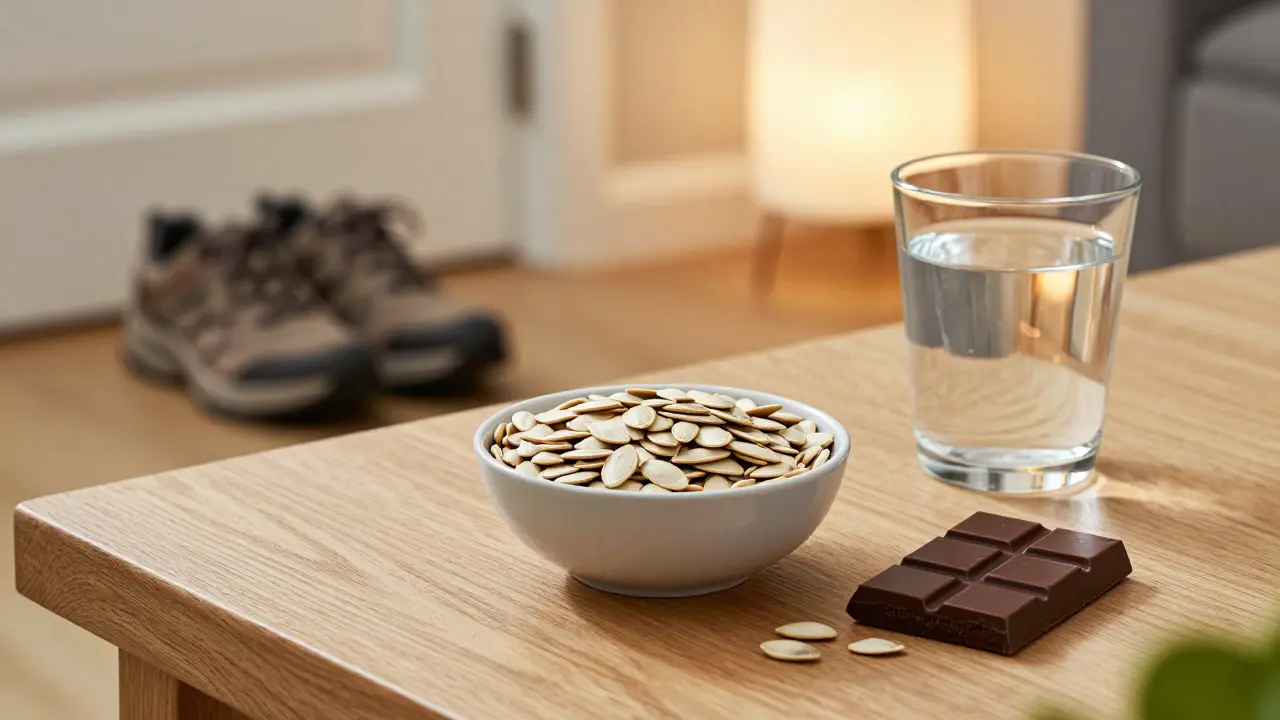
Focus on magnesium-rich foods like spinach, pumpkin seeds, and dark chocolate. Magnesium is often called the "relaxation mineral" because it helps muscles relax and regulates the nervous system. Additionally, incorporating fermented foods like kimchi or kefir supports a healthy microbiome, which helps modulate the stress response. When your gut is inflamed, your brain perceives it as a systemic threat, which keeps your stress levels baseline high even when nothing is actually going wrong.
Building a Sustainable Stress Buffer
The goal isn't to have zero stress, but to increase your "window of tolerance." Think of it like a battery. If your battery is at 10%, a small inconvenience feels like a disaster. If it's at 90%, you can handle a major crisis without spiraling. Building this buffer requires consistent, low-effort habits rather than occasional "wellness retreats."
Start with a strict boundary between work and home. If you work from home, create a physical transition-like a 10-minute walk around the block-that signals to your brain that the "performance" part of the day is over. This prevents a state of chronic hyper-vigilance. Also, prioritize sleep. During deep sleep, your brain's glymphatic system flushes out metabolic waste. Without this cleanup, your emotional regulation becomes brittle, and things that wouldn't usually bother you suddenly feel unbearable.
What is the fastest way to stop a panic attack?
The quickest biological method is the Physiological Sigh: inhale deeply through the nose, take a second shorter inhale on top of that to fully inflate the lung sacs (alveoli), and then let out a very slow exhale through the mouth. This maximizes the offloading of carbon dioxide and signals the heart to slow down via the vagus nerve.
Can stress actually cause physical illness?
Yes. Chronic stress keeps cortisol levels high, which suppresses the immune system by reducing the production of lymphocytes (white blood cells). This makes you more susceptible to infections and can lead to long-term issues like hypertension and Type 2 diabetes due to constant blood glucose elevation.
Is exercise always good for stress?
Usually, but it depends on the type. If you are in deep burnout (stage 3), high-intensity interval training (HIIT) can actually spike your cortisol further and leave you feeling more exhausted. In those cases, low-intensity steady-state (LISS) exercise like walking or swimming is better for recovery.
How do I tell the difference between normal stress and burnout?
Normal stress is characterized by over-engagement and urgency; you feel like if you just get through this week, you'll be fine. Burnout is characterized by disengagement, emotional numbness, and a sense of hopelessness. Stress feels like "too much," while burnout feels like "not enough" capacity to care.
Do supplements help with stress reduction?
Some can. Magnesium Glycinate is widely used for muscle relaxation and sleep. Adaptogens like Ashwagandha may help modulate the cortisol response, but they should be used cautiously and ideally under a doctor's guidance as they can affect hormone levels.
Next Steps for Different Lifestyles
If you're a high-performance professional, don't try to add a 60-minute meditation session to your day. Instead, implement "micro-breaks." Every 90 minutes, step away from your screens for 2 minutes of diaphragmatic breathing. This prevents the cortisol buildup from peaking.
For parents or caregivers, the focus should be on "sensory resets." When the noise and chaos become too much, a quick splash of cold water on the face or five minutes of silence in a different room can stop a stress-induced meltdown before it starts.
If you're struggling with chronic burnout, stop focusing on "productivity hacks." Your primary goal is nervous system regulation. Prioritize a consistent sleep-wake cycle and eliminate stimulants like caffeine after 12 PM to allow your adrenals to recover.