
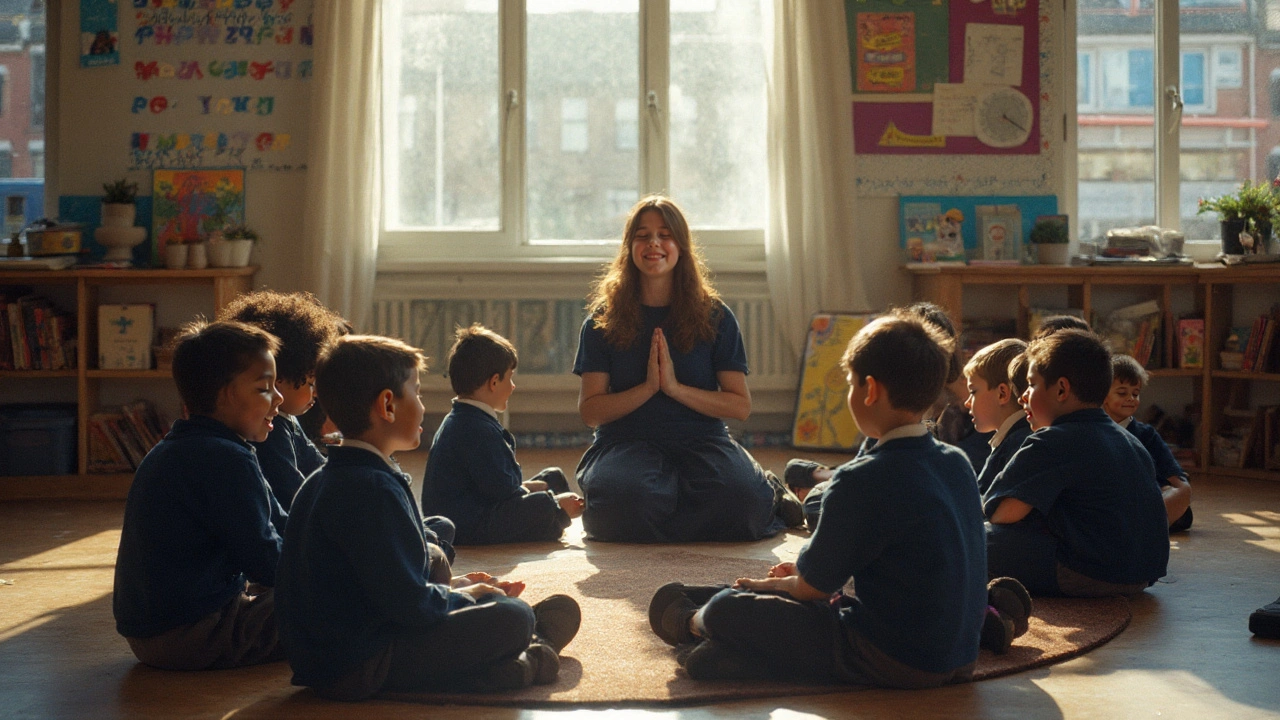
Schools are juggling record distraction, rising anxiety, and tired teachers. Mindfulness sounds like a quick fix, but it can also flop when it’s rushed or sold as magic. Here’s what it really does, what it doesn’t, and a practical way to trial it without wasting time or credibility.
- TL;DR: Mindfulness helps attention and emotion skills a little, when taught well and used often. It’s not a cure for every problem.
- Evidence is mixed at scale: strong in small, well-run programs; weaker when rolled out fast by under-trained staff.
- Best bet: 2-10 minutes daily, teacher-led, trauma-aware, woven into routines-not a bolt-on.
- Start with teacher practice, pick simple scripts, measure one or two outcomes for 8-10 weeks, and adjust.
- If your goal is behavior control, pick something else; if your goal is self-regulation and focus, this can help.
Why schools are exploring mindfulness now (and what the research actually says)
Classrooms are louder. Phones buzz. Teens sleep less. Teachers carry heavier loads. Mindfulness entered schools to steady attention and dial down stress when everything else speeds up. The pitch is simple: brief, repeatable practices that train noticing, pausing, and choosing-so kids can respond instead of react.
What does the research say? Three clear signals:
- Small but real gains, especially for attention and emotion regulation. A 2019 meta-analysis in the Journal of Child Psychology and Psychiatry (Dunning et al.) found small-to-moderate effects on cognition and mental health in youth, with better results when programs were well taught and targeted.
- Scale matters. The large MYRIAD trial in the UK (Kuyken et al., JAMA, 2022) tested a universal, teacher-delivered curriculum after brief training. It didn’t beat regular classes on primary mental health outcomes. The takeaway wasn’t “it doesn’t work,” but “quality and dose matter.” Teacher skill and fit were the hinges.
- Older kids often benefit more. Reviews (e.g., Zenner et al., 2014; more recent narrative updates through 2023) suggest adolescents show clearer attention and stress benefits than very young children, who struggle with stillness and abstract cues.
Mechanisms matter too. When students practice paying attention to breath, body, or sound without fighting the moment, two things train up: steadier focus and a bigger gap between trigger and action. Neuroscience frames it as better coordination between prefrontal control and limbic reactivity. In plain English: more pause, less snap.
Now for the guardrails:
- It’s not therapy. If a student needs clinical care for trauma, depression, or panic, refer on. Mindfulness can complement care, but it’s not a standalone treatment.
- It’s not discipline. Using it as punishment (“Close your eyes until you calm down”) backfires. Students smell control a mile away.
- Training counts. Quick scripts read by stressed teachers with little practice feel hollow. Students copy your nervous system, not your words.
- Language and safety matter. Eyes-open options and movement beats stillness for some kids. Trauma-aware practice is a must.
So, is mindfulness in education worth exploring? Yes-if you want small, cumulative gains in focus and self-regulation, and if you’re willing to invest in basics: teacher comfort, consistent routines, and simple measurement. No-if you’re after a silver bullet for behavior, grades, or attendance. Different tool, different aim.
I’m based in Melbourne, and I’ve seen local schools fold short mindfulness moments into homeroom, PE, and exam prep. The ones that get traction keep it brief, predictable, and non-preachy. The students will tell you when it helps: “That thing before the test? Do that again.”

How to roll it out well in real classrooms
Here’s a lean plan that fits busy timetables and skeptical staff.
- Pick one clear outcome. Examples: less pre-test jitters in Year 9; fewer transition blow-ups after lunch; steadier focus at the start of double periods. One target beats ten vague hopes.
- Start with teachers. Two weeks of daily 3-5 minute personal practice changes the tone. Simple prompt: two minutes of box breathing at the start of each staff meeting, then a quick debrief: What felt useful? What didn’t?
- Choose short, predictable scripts. Avoid long meditations. Aim for 60-180 seconds. Use eyes-open, posture-neutral options. No incense. No mystique. Just skills training.
- Set a slot and stick to it. Habit beats hype. Start-of-class, post-lunch reset, or pre-assessment moments work well. 2-10 minutes daily is the sweet spot.
- Teach skills, not silence. Give a why, a how, and a not-icing moment: “This helps your brain switch from autopilot to choice.” Name the skill: “Notice,” “Anchor,” “Reset.”
- Offer choices. Eyes open or closed. Breath, sound, or touch. Stillness or micro-movement. Students learn faster when they feel safe.
- Make it inclusive. Use secular language: breath, body, sound, attention. Invite opt-ins: “Join in, or sit quietly and breathe how you like.”
- Measure one thing for 8-10 weeks. Keep it low-lift: a 0-3 calm/focus quick rating before and after, a tally of on-task behavior in the first 5 minutes, or teacher stress ratings weekly. Review and adjust.
Need scripts? Use these exactly or in your own words.
- 60-second Box Breath: “Feet on the floor. If you like, soften your gaze. Breathe in for 4… hold for 4… out for 4… hold for 4. Two rounds. If your mind wanders, that’s normal. Just come back.”
- 90-second 5-4-3-2-1 Senses: “Notice 5 things you can see. 4 things you can feel against the skin. 3 sounds around you. 2 things with a scent. 1 slow breath you can follow.”
- 2-minute Moving Reset: “Stand, shake hands out, roll shoulders, stretch sides, then still for three slow breaths. Eyes open. Notice feet on the floor.”
- 1-minute Name and Tame: “Name what you feel in one word-nervous, flat, amped. Rate it 0-10. Take three slow breaths. Rate again. If it dropped even a little, that’s your nervous system shifting.”
Week 1-2 rollout (kept simple):
- Day 1: Explain the why. “This helps your brain switch gears faster.” Try 60 seconds of box breathing. Quick thumbs up/side/down.
- Day 2: Repeat box breathing. Add 5-4-3-2-1 senses. Students pick one for tomorrow.
- Day 3: Student-led choice. Keep it to 2 minutes total.
- Day 4: Moving reset before sitting work. Note energy change.
- Day 5: Quiz or test prep. Two minutes of the class’s favorite practice. Compare on-task behavior with last week.
- Next week: Stick with the winner, add a new option, and keep measuring one thing.
Teacher practice makes the difference. Two quick habits for staff:
- Micro-Stop: Before a tricky transition, pause for one breath, relax shoulders, then speak. Your voice will carry calm.
- 3B Reset (Breathe, Body, Back): One slow exhale, feel feet and chair, then back to the plan. Repeat when things spike.
Safety and inclusion tips:
- Trauma-aware: Offer eyes-open options, movement alternatives, and the choice to sit at the back or stand. Never force stillness.
- Language: Avoid spiritual terms. Use everyday words: breath, attention, noticing, choice.
- Consent: Normalize opting out. “You can sit quietly if you prefer. No one is judging.”
- Cultural fit: Check with families if you’re unsure. Frame it as attention training and stress skills, like sports warm-ups for the mind.
What about programs and apps?
- Curricula vary from 8-12 lesson sequences to drop-in scripts. Look for teacher training time built in, clear trauma-aware guidance, and short practices.
- Apps can help older students with bedtime routines or exam stress, but check data privacy, ad-free access, and offline use. Many schools avoid phones in class, so treat apps as optional homework supports, not core delivery.
How to know it’s working:
- Behaviorally: Fewer callouts in the first 5 minutes, smoother transitions after lunch, more students starting tasks within 60 seconds.
- Subjective: Student ratings of test nerves drop from, say, 7 to 5 with a pre-test reset. Teacher stress after last period shifts down a notch.
- Academic: You might see steadier work completion or fewer careless errors, but don’t sell grades as the first win.
Common mistakes to dodge:
- Going too long. Three minutes done daily beats 15 minutes once a week.
- Reading scripts fast in a tense voice. Slow your pace; your tone teaches.
- Using it only when kids misbehave. Practice in calm moments so it’s available in stormy ones.
- Promising the moon. Keep claims tight: attention, reset, small stress relief.
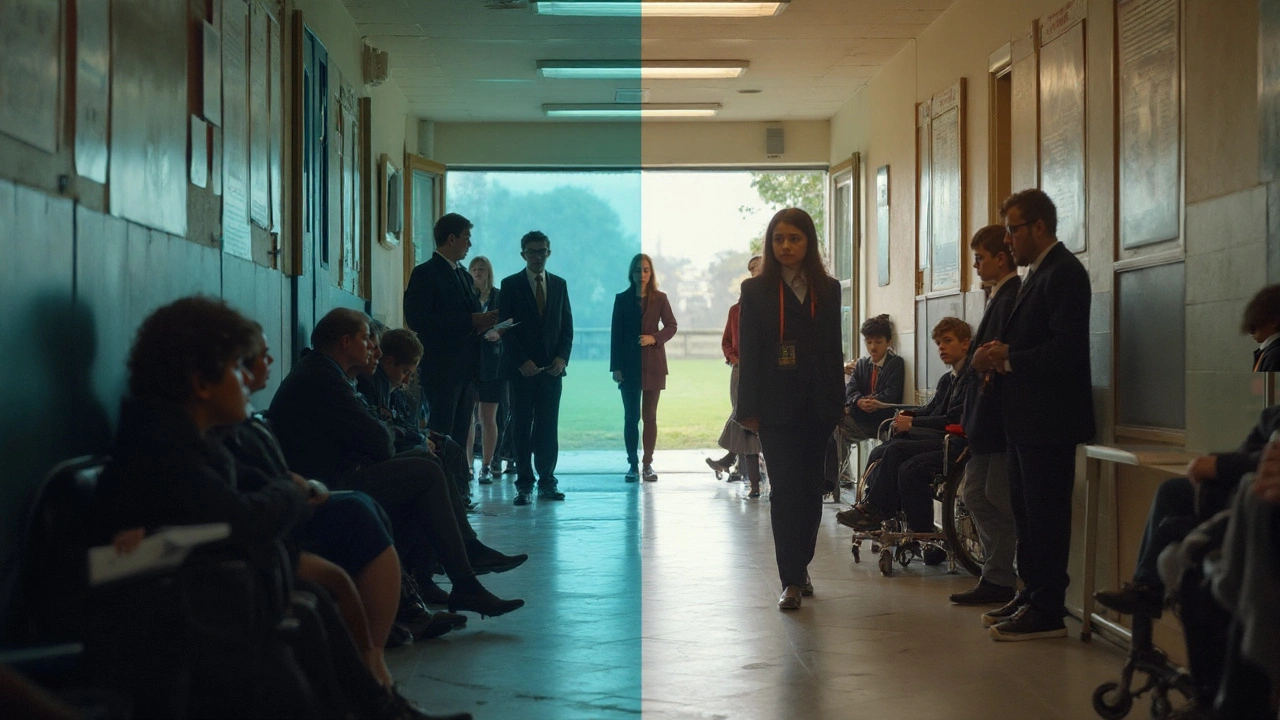
Tools, checklists, comparisons, FAQs, and next steps
Quick readiness checklist:
- Purpose: One clear goal for the term.
- Training: Teachers have tried the practices themselves for at least two weeks.
- Scripts: 2-3 short, secular scripts printed or on cards.
- Schedule: Fixed daily slot (2-10 minutes) and who leads.
- Safety: Eyes-open options, movement alternatives, opt-out norms.
- Measurement: One simple metric tracked weekly.
- Families: A one-page note framing it as attention and stress skills. Invite questions.
Heuristics you can trust:
- Depth follows safety. Students relax when they feel choice and inclusion.
- Less talk, more practice. One minute of doing beats five minutes of explaining.
- Slow is smooth, smooth is fast. Build comfort before complexity.
- Teacher first, then students. Your nervous system sets the ceiling.
When to pick mindfulness versus other options:
- Choose mindfulness if the goal is self-regulation, test nerves, switching tasks, or steady focus.
- Choose movement or sport if the group is restless, low on sleep, or flat. A lap around the oval can do more than stillness.
- Choose skills-based SEL or brief CBT tools when students need specific thinking strategies for worry or perfectionism.
- Choose biofeedback or breathing trainers when you want visible, gamified feedback for older students.
Pros and cons compared to nearby tools:
- Versus SEL programs: Mindfulness is more body-and-breath training; SEL is broader (emotions, relationships, decisions). They complement each other.
- Versus yoga: Mindfulness can be done at desks with no mats. Yoga adds strength and flexibility but needs space and consent for movement-based practice.
- Versus CBT worksheets: CBT targets thoughts and beliefs; mindfulness targets attention and acceptance. For many students, a mix works best.
- Versus breathwork-only: Breathwork is fast but narrow; mindfulness includes noticing thoughts, urges, and body, widening the skillset.
What does the evidence say, in plain terms?
- Short-term, small benefits are the norm; big wins happen with great teaching and consistent use.
- Students 11-16 years often show clearer gains in attention and stress handling. Younger kids need movement-focused versions.
- Programs led by trained, confident teachers beat those delivered by staff reading scripts cold.
- Implementation quality can erase or reveal effects. The MYRIAD trial made that crystal clear.
Mini‑FAQ:
- Is it religious? No. In schools, it’s taught as attention and stress skills with secular language. You don’t need beliefs to follow your breath.
- Do we need an app? No. You need two or three short scripts and a consistent slot. Apps can help older students at home if privacy is covered.
- How long until we see change? Often 2-4 weeks for smoother starts and calmer test moments. Bigger cultural shifts take a term or two.
- Can it backfire? A small number of students may feel uneasy with eyes-closed stillness. Offer eyes-open, movement, or sensory focus. Never force participation.
- What about teachers who don’t buy it? Invite them to try a 60-second reset before a tough class for a week. Let their experience decide.
- Will grades improve? Not directly and not quickly. Target attention and calm; academic gains, if they come, are downstream.
Real-world scenarios and fixes:
- Noisy class won’t settle: Use a moving reset first. Stand, stretch, three breaths, then sit.
- High-anxiety group: Start with senses (what you see and hear) instead of breath. Breath can feel tight when anxious.
- Students get silly: Keep your tone warm and steady. Shorten the practice. Consistency beats scolding.
- Parent objects: Share the one-page explainer. Offer opt-out. Invite them to observe a session.
- Exam week chaos: Double down on 60-second resets, not long sessions. Pre-test routines matter more than one-off long practices.
- Teacher burnout: Start with staff rooms-one-minute pauses before and after yard duty. Protect that minute like a meeting.
If you want a simple decision flow:
- Goal = attention or pre-test calm? Use 60-120 second breath or senses practice daily for 4 weeks. Measure on-task starts.
- Goal = de-escalation after lunch? Use a moving reset plus one minute of box breathing. Log transition incidents.
- Goal = teacher stress? Start with staff 3B resets before tough classes for two weeks. Track stress on a 0-10 scale.
- Goal = social skills or conflict? Pair mindfulness with explicit SEL lessons and role plays.
Measurement cheat sheet (pick one):
- Student quick check: Before and after the practice, students show fingers for 0-3 calmness. Record the class average once a day.
- On-task start: Count how many students begin work within 60 seconds. Aim for an upward trend across weeks.
- Teacher stress: Rate 0-10 at the end of your trickiest period. Watch for small drops.
Credible sources you can name in staff meetings:
- Dunning et al., 2019, Journal of Child Psychology and Psychiatry: Meta-analysis of youth mindfulness programs-small-to-moderate effects with variability.
- Kuyken et al., 2022, JAMA: Large UK trial-no advantage over teaching-as-usual when scaled quickly via brief teacher training; highlights importance of implementation.
- Zenner et al., 2014, Mindfulness: Early school-based review-positive trends on attention and resilience; note older studies and heterogeneity.
- OECD reports on student well-being (2017-2023): Attention and stress are key barriers to learning; schools need low-cost regulation tools.
Next steps you can take this month:
- Week 1: Staff trial of two scripts at meetings. Pick a daily slot. Print cue cards.
- Week 2: Pilot with two classes, 2 minutes a day. Start measuring one metric.
- Week 3: Gather student feedback with three questions: What helped? What didn’t? What should we keep?
- Week 4: Decide: scale, adjust, or stop. Share a one-page report with data and student quotes.
You don’t need to be a guru. You need a timer, two short scripts, and a plan. Keep it human, keep it brief, and listen to your students. If the room feels a touch steadier after two weeks, you’re on the right track.