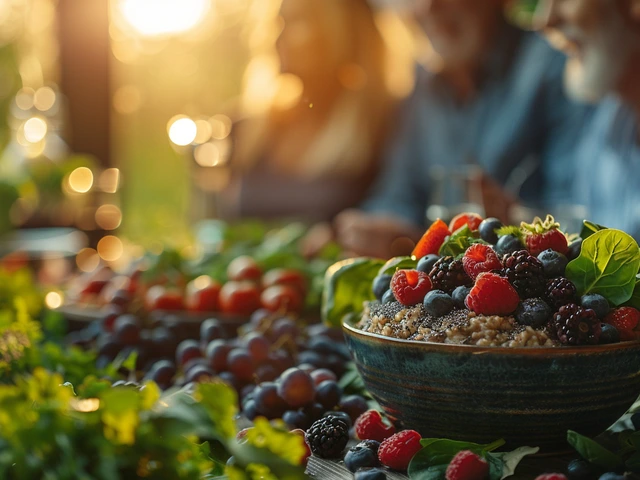
Most of us treat breakfast like an afterthought. We grab a croissant on the way to work, skip it entirely because we’re running late, or settle for sugary cereal that leaves us crashing by 10 AM. But what if your morning meal could actually fuel your day instead of draining it? A truly healthy breakfast isn’t about perfection; it’s about balance. It’s about giving your body the right mix of nutrients to stabilize blood sugar, boost brainpower, and keep you full until lunch.
In Brisbane, where the heat hits early and life moves fast, finding time for a proper meal can feel impossible. Yet, skipping this window often leads to poor choices later. You get hangry, you overeat at lunch, and your energy dips. The good news? You don’t need to spend hours in the kitchen. With a few smart swaps and simple combinations, you can create meals that are both delicious and deeply nourishing.
The Blueprint for a Balanced Morning Plate
Before jumping into specific recipes, let’s look at what makes a breakfast "healthy." It’s not just about low calories. It’s about macronutrient balance. Think of your plate as having three main pillars: protein, fiber, and healthy fats.
- Protein is essential for muscle repair and keeping you feeling full. Aim for sources like eggs, Greek yogurt, tofu, or legumes. Protein slows down digestion, which prevents those mid-morning hunger pangs.
- Fiber is found in whole grains, fruits, and vegetables. It supports gut health and helps regulate blood sugar levels. Oats, chia seeds, and berries are excellent options.
- Healthy Fats are crucial for brain function and hormone production. Avocados, nuts, seeds, and olive oil provide these vital fats without the inflammation caused by processed oils.
When you combine these elements, you create a sustained energy release. Instead of a spike and crash from refined carbs, you get a steady burn. This is the difference between feeling sluggish at your desk and powering through your morning meetings with clarity.
Quick and High-Protein Options for Busy Mornings
If you’re rushing out the door, you need something that takes five minutes or less. Here are three go-to ideas that pack a punch.
1. The Greek Yogurt Power Bowl
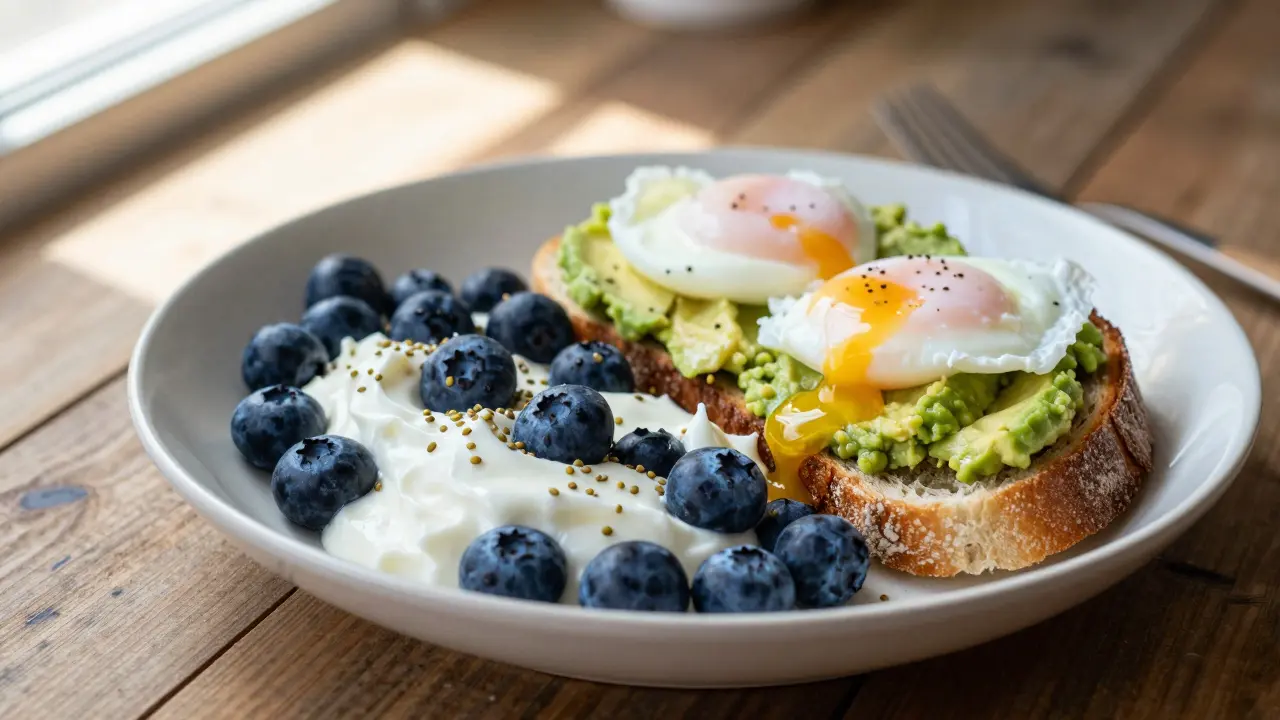
Start with a cup of plain, full-fat Greek yogurt. Why full-fat? Because fat aids in the absorption of vitamins and keeps you satiated longer than skim versions. Top it with a handful of blueberries, which are rich in antioxidants, and a sprinkle of hemp seeds or almonds. For extra protein, stir in a scoop of unflavored whey or pea protein powder. It sounds simple, but this combination provides over 20 grams of protein and a burst of natural sweetness without added sugar.
2. Scrambled Eggs with Spinach and Feta
Eggs are nature’s multivitamin. They contain choline, which is vital for brain health. Whisk two eggs with a pinch of salt and pepper. Sauté a handful of fresh spinach until wilted, then pour in the eggs. Cook gently until set. Crumble some feta cheese on top for a salty kick. Serve with a slice of sourdough toast. Sourdough has a lower glycemic index than white bread, meaning it won’t spike your blood sugar as sharply.
3. Tofu Scramble
For a plant-based option, crumble firm tofu and sauté it with turmeric (for color), nutritional yeast (for a cheesy flavor), and diced bell peppers. Add some kale or Swiss chard for greens. This dish is incredibly versatile and mimics the texture of scrambled eggs while providing complete plant protein.
Overnight Prep: Smoothies and Oats
Sometimes, even five minutes feels like too much. That’s where overnight preparation comes in. These methods require zero effort in the morning-just open the fridge and eat.
4. Classic Overnight Oats
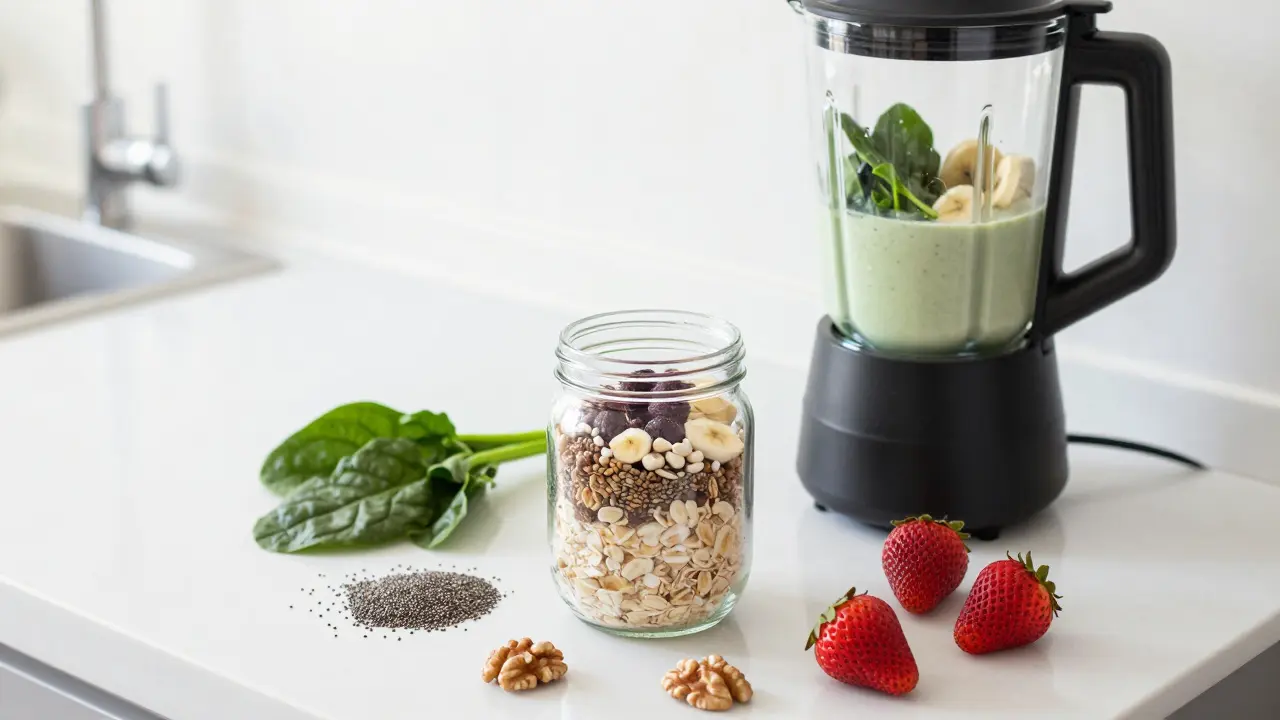
Oats are a whole grain rich in beta-glucan fiber, which helps lower cholesterol. In a jar, mix half a cup of rolled oats with half a cup of milk (dairy or plant-based). Add one tablespoon of chia seeds, which swell up to create a pudding-like texture. Sweeten with a dash of maple syrup or mashed banana. Let it sit in the fridge overnight. In the morning, top with sliced strawberries or walnuts. The result is creamy, comforting, and packed with slow-release energy.
5. Green Protein Smoothie
Smoothies are great, but they can be tricky. If you only put fruit, you’re drinking liquid sugar. To make it a true meal, balance the macros. Blend one cup of unsweetened almond milk, a handful of spinach (you won’t taste it, promise), half a frozen banana, one tablespoon of peanut butter, and a scoop of vanilla protein powder. The spinach adds iron and vitamins, the banana provides potassium and creaminess, and the peanut butter delivers healthy fats. Drink it immediately for the best texture.
Warm and Comforting Choices
Even in warm climates, there are days when a hot breakfast feels right. These options are hearty and satisfying.
6. Savory Quinoa Porridge
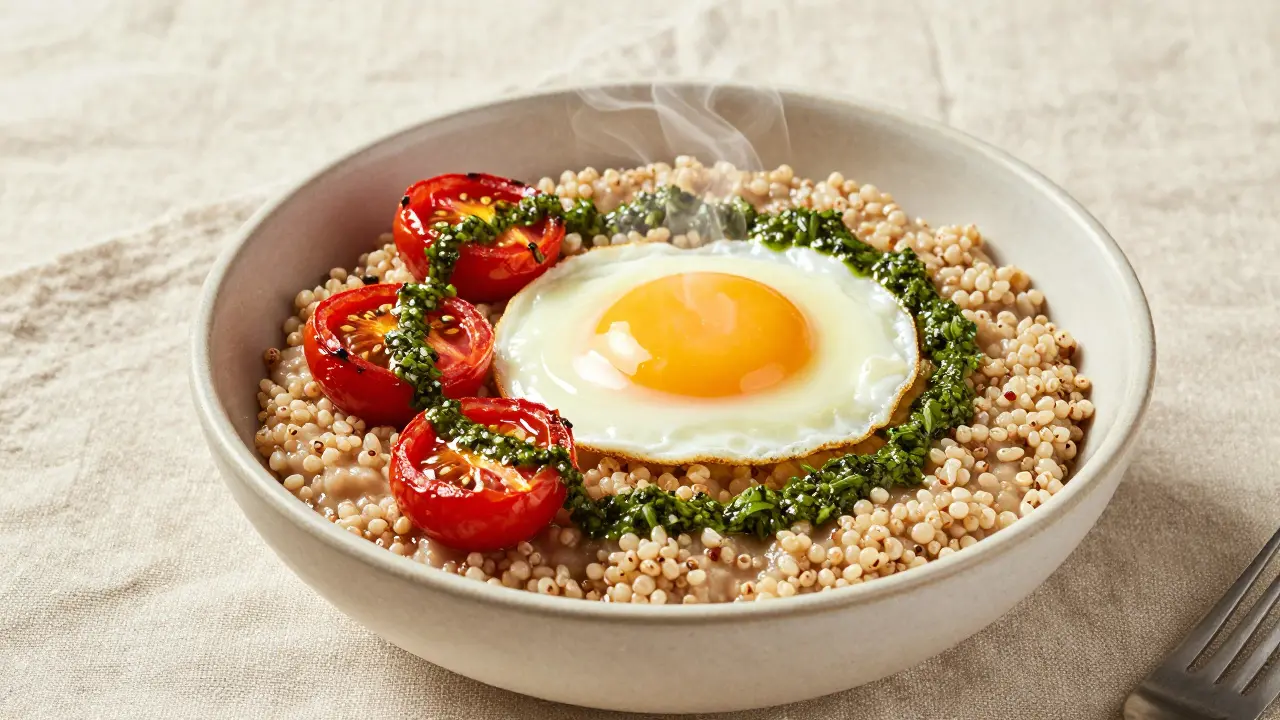
Who says porridge has to be sweet? Cook quinoa in vegetable broth instead of water. Once fluffy, stir in a fried egg, roasted cherry tomatoes, and a drizzle of pesto. Quinoa is a complete protein, containing all nine essential amino acids. It’s gluten-free and digests easily, making it a gentle start to the day.
7. Avocado Toast with Poached Egg
This classic never goes out of style for a reason. Use dense, whole-grain bread. Mash half an avocado with lemon juice and sea salt. Top with a perfectly poached egg. The yolk acts as a sauce, adding richness. Sprinkle with red pepper flakes for a bit of heat. This meal combines complex carbs, monounsaturated fats, and high-quality protein in every bite.
| Breakfast Idea | Primary Protein Source | Fiber Content | Key Benefit |
|---|---|---|---|
| Greek Yogurt Bowl | Greek Yogurt | Moderate (from berries/seeds) | Gut health & probiotics |
| Scrambled Eggs | Eggs | Low (add veggies) | Brain function (choline) |
| Overnight Oats | Chia Seeds/Oats | High | Blood sugar stability |
| Green Smoothie | Protein Powder | Moderate (spinach/banana) | Hydration & vitamins |
| Avocado Toast | Egg | Moderate (whole grain bread) | Heart-healthy fats |
Common Mistakes to Avoid
Even with good intentions, it’s easy to fall into traps that undermine your efforts. Here’s what to watch out for.
Avoid Sugary Cereals: Many boxed cereals are marketed as "healthy" but are loaded with refined sugars and stripped of fiber. Check the label. If sugar is one of the first three ingredients, leave it on the shelf. Opt for plain oats or whole-grain alternatives instead.
Don’t Skip Protein: A bagel with jam might fill your stomach, but it lacks protein. Without protein, your blood sugar spikes and then plummets, leaving you tired and craving more carbs within an hour. Always pair carbs with a protein source.
Limit Liquid Calories: Fruit juices sound healthy, but they remove the fiber, leaving behind concentrated sugar. Eat the whole fruit instead. The fiber slows down sugar absorption, protecting your metabolic health.
Tailoring Breakfast to Your Lifestyle
Your ideal breakfast depends on your routine. If you’re active in the morning, prioritize carbohydrates for immediate energy. If you’re sedentary during the day, focus on protein and fats to keep you full. Listen to your body. Some people thrive on intermittent fasting and skip breakfast entirely, while others feel anxious without food. There is no one-size-fits-all rule, only what works for your unique biology and schedule.
Experiment with these ideas. Swap ingredients based on what’s in season. In Brisbane, local tropical fruits like mangoes and passionfruit can add vibrant flavors to yogurt bowls or smoothies. The goal is consistency, not perfection. By nourishing your body from the start of the day, you set a positive tone for everything that follows.
Is eating breakfast really necessary for weight loss?
Research shows mixed results. For some, skipping breakfast leads to overeating later, hindering weight loss. For others, calorie restriction via intermittent fasting works better. The key is total daily intake and nutrient quality, not just timing. Focus on making your first meal satisfying so you don't binge later.
What is the healthiest breakfast for high blood pressure?
Focus on potassium-rich foods like bananas, spinach, and avocados, which help counteract sodium. Choose whole grains like oats and quinoa, and avoid processed meats like bacon or sausage, which are high in sodium and saturated fats. A bowl of oatmeal with berries and nuts is an excellent choice.
Can I drink coffee with my healthy breakfast?
Yes, coffee is fine for most people. However, avoid loading it with sugar and flavored syrups. Black coffee or coffee with a splash of milk and a dash of cinnamon is ideal. Wait 30-60 minutes after waking before drinking coffee to allow your cortisol levels to naturally peak and drop, which can improve energy stability.
How much protein should I have at breakfast?
Aim for at least 20-30 grams of protein. This amount is sufficient to stimulate muscle protein synthesis and promote satiety. Examples include three eggs (18g), a cup of Greek yogurt (20g), or a scoop of protein powder in a smoothie (25g).
Are granola bars a good breakfast option?
Most commercial granola bars are high in sugar and low in protein, making them more like candy bars. If you choose one, look for brands with less than 5g of added sugar and at least 5g of protein. Homemade granola bars with oats, nuts, seeds, and honey are a much healthier alternative.
What should I do if I’m not hungry in the morning?
If you’re practicing intermittent fasting, skipping breakfast may be intentional. However, if you usually eat but lack appetite, try a small, liquid-based meal like a smoothie or bone broth. Sometimes, simply starting with a few bites triggers hunger signals. Don’t force large meals if your body isn’t ready.
Is oatmeal good for everyone?
Oatmeal is generally healthy due to its beta-glucan content. However, people with celiac disease must ensure they buy certified gluten-free oats, as cross-contamination is common. Those with sensitive blood sugar should pair oats with protein and fat to blunt the glycemic response.
How can I make breakfast faster on weekdays?
Prep ahead. Make overnight oats on Sunday for the week, hard-boil a batch of eggs, or portion out smoothie ingredients in freezer bags. Keep pantry staples like nuts, seeds, and canned beans accessible for quick assembly. Speed comes from planning, not rushing.