
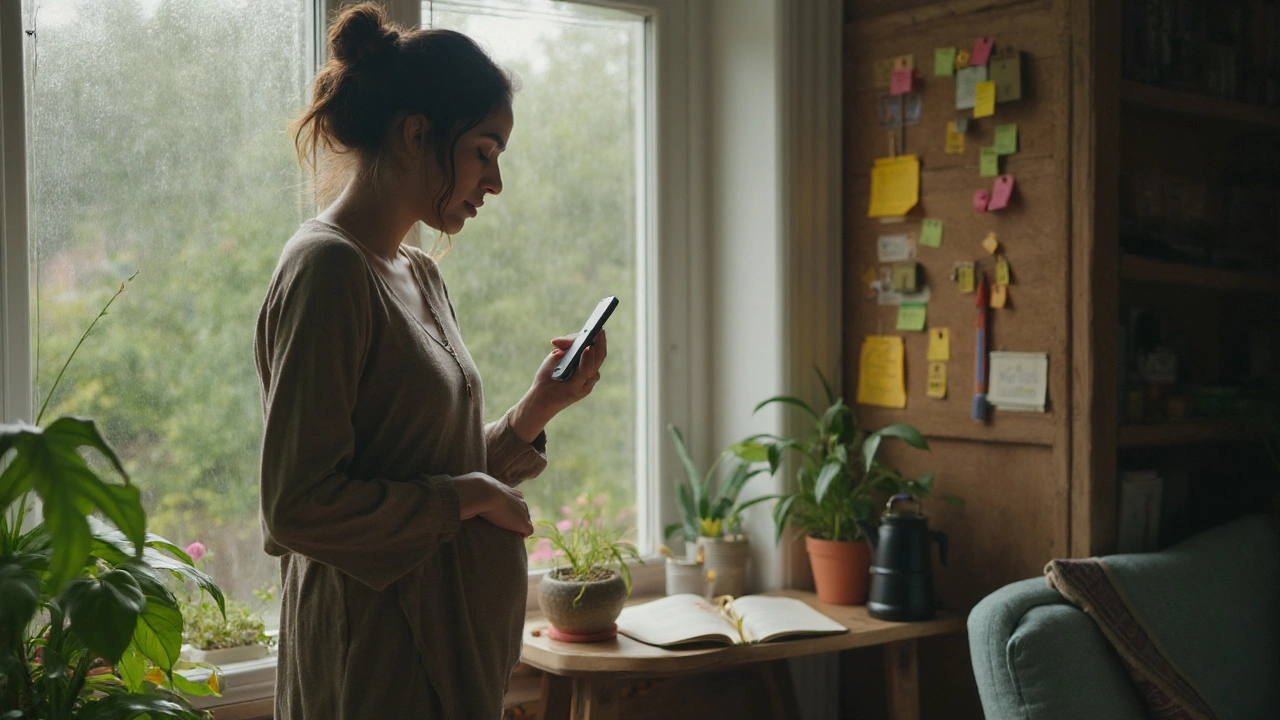
Chasing a calmer mind while life keeps tossing you curveballs? You don’t need more platitudes-you need a system that actually fits your day. The new approach here is simple: regulate your state first, then think and act. You won’t erase stress, but you’ll build a steady baseline so you bounce back faster, sleep better, and stop spiraling when things pile up.
TL;DR: The New Approach to Emotional Wellness
Here’s the short version you can act on today.
- Regulate your nervous system first. State before story. You think better after you calm your body.
- Use short, repeatable tools that fit into minutes, not hours: slow breathing, light movement, and micro-breaks.
- Measure progress weekly with simple signals: sleep quality, resting heart rate, and the PSS-10 stress score.
- Build a 4-week stress reset: one core practice in the morning, one micro-reset midday, one wind-down at night.
- When in doubt, follow this rule: if you’re wired, downshift (exhale-focused). If you’re flat, upshift (brisk movement + sunlight).
What you likely want to get done after clicking this:
- Understand a practical model of stress that explains why you feel the way you do.
- Pick a short daily routine that lowers your stress baseline without wrecking your schedule.
- Choose tools that match your current state (anxious vs. drained) and your environment (home, work, commute).
- Track what’s working so you don’t quit after a week.
- Handle setbacks-bad sleep, a heavy week, or a flare-up-without losing momentum.
The New Model: Regulate Your State, Then Think
We’ve been sold the idea that stress is a mindset problem. It’s not. It’s a body problem first. Your nervous system sets your “gear,” and your thoughts follow. When your heart’s racing, your brain is hunting for threats-even if there are none. That’s why mental re-framing works far better after you restore a calmer baseline.
Use this simple three-zone check:
- Green zone (steady): clear head, even breath, steady energy.
- Amber zone (amped): tight chest, shallow breathing, scattered focus.
- Red zone (overload): meltdown, shutdown, or snap reactions.
Your job isn’t to camp in green forever. Life won’t allow it. Your job is to move back to green faster and stay there longer. Think of “stress load” and “recovery capacity” as a seesaw. If load goes up, recovery has to rise with it, or the seesaw slams down.
Practical rule of thumb:
- Daily: 15-20 minutes total of regulation (can be split into 3-4 chunks).
- Weekly: 90-120 minutes of deeper recovery (long walk, ocean swim, yoga, nature time).
- Monthly: one day with low demand-no alarms, no heavy screens, simple food, lots of sun and water.
What the research says (without the jargon): slow breathing improves heart-rate variability (a sign your system can adapt), exercise reduces anxiety and lifts mood, and mindfulness helps you respond instead of react. For example, a 2022 randomized trial in JAMA Psychiatry found mindfulness-based stress reduction worked as well as a first-line anti-anxiety medication for adults with anxiety disorders. The American Heart Association notes that paced breathing and meditation can support cardiovascular health by lowering sympathetic arousal. The Australian Bureau of Statistics has reported that a significant share of adults experience high psychological distress in a given year, which tracks with what many of us feel at work and at home.
“Stress is a normal response. Chronic stress, left unaddressed, can disrupt sleep, immunity, and mood. Self-regulation skills are learnable and effective.” - American Psychological Association, 2023
If you like names for things, yes, this lines up with popular “nervous system regulation” frameworks. But you don’t need a theory to feel the change. You need a few tools you actually use.

Do It: A 4‑Week Stress Reset You Can Stick To
I live in Perth, where the sun is no joke by midday and the sea breeze can flip your afternoon mood. I’ve tested this plan between school runs, busy deadlines, and heatwaves. It’s built for real life.
Before you start, grab three simple measures (no fancy gear required):
- Resting heart rate (RHR): check each morning after waking, still in bed.
- Sleep score: use your wearable or rate sleep 1-5.
- PSS-10 (Perceived Stress Scale): free questionnaire; track weekly total.
Optional but handy: a notes app to log what works.
stress reduction techniques that scale with your day are the core here. You’ll layer them, not stack more pressure.
Hidden subheading to keep structure minimal
Week 1: Set the baseline
- Morning: 5 minutes of exhale-focused breathing (inhale 4, exhale 6-8). Sit or lie down. Aim for 6-8 breaths per minute.
- Light: get morning daylight for 5-10 minutes. In Perth, step outside earlier to beat harsh UV. Shade is fine; just lose the sunglasses for a few minutes.
- Movement: 10-20 minutes of easy walking after lunch or late afternoon. If heat’s up, indoor malls or shaded paths work.
- Evening: 3 minutes of box breathing (4-4-4-4) before bed. Dim screens after 8 p.m.
Goal: calm erratic stress spikes and improve sleep onset. Many people feel the first shift here.
Week 2: Add somatic skills
- Physiological sigh: two short inhales, one long exhale. Do 3-5 rounds when you feel tightness.
- Progressive muscle relaxation: tense and release major muscle groups for 5 minutes.
- Grounding: 60 seconds-name five things you see, four you feel, three you hear, two you smell, one you taste. Brings your brain back to now.
- Micro-break cadence: every 60-90 minutes, insert 60 seconds of any technique above. Set a silent timer.
Goal: give your body fast ways to switch gears during the day.
Week 3: Train your stress window
- Upshift when flat: 2-3 minutes of brisk stairs, a cold face rinse, or a short sun exposure break. Think “turn on the lights.”
- Downshift when wired: extend exhale breathing or a slow walk with nasal breathing only.
- Boundaries: set two “no-go” rules for your nervous system-e.g., no news before 9 a.m., no email after 8 p.m.
- Mini heat/cold contrast: warm shower for 2 minutes, 15-30 seconds of cool water to the face/neck. Avoid extremes if you have cardiovascular conditions.
Goal: expand your capacity to handle more without tipping into amber or red.
Week 4: Lock it in
- Design your personal protocol: Morning 5-10 min, Midday 1-3 min, Evening 5 min. Write it down.
- Stress mapping: list top three stressors and a default tool for each. Example: “Back-to-back Zooms → 60-second sigh.”
- Score and adjust: compare your PSS-10 and RHR to Week 0. Keep what worked, drop what didn’t.
- Nature anchor: one long recovery block this week-Kings Park walk, beach at Cottesloe, or a quiet river path at Matilda Bay.
Goal: a routine you actually repeat because it’s short, flexible, and effective.
Here’s a quick decision guide you can use in the moment:
- If your mind is racing, your neck is tight, and your breath is shallow: downshift. Try 3 minutes extend-exhale breathing + a 5-minute easy walk.
- If you feel blank and slow, with heavy eyes: upshift. Do 2 minutes brisk stairs, bright light exposure, and a sip of cold water.
- If you’re angry and reactive: step away for 60-90 seconds, eyes on a distant point, breathe 4 in / 8 out. Respond later.
- If you’re stuck looping a thought: grounding (5-4-3-2-1), then a short task you can finish in 2 minutes to reset your sense of control.
Common pitfalls to avoid:
- Going too hard too fast. Start with minutes, not hours.
- Chasing perfection. Miss a session? Take one minute now; don’t wait for “tomorrow.”
- Adding tools without removing triggers. One boundary beats three new apps.
Safety notes:
- If you have cardiovascular, respiratory, or psychiatric conditions, talk to your clinician before breathwork, cold/heat exposure, or major routine changes.
- Stop any practice that makes you dizzy, numb, or panicky. Regress to gentler breathing (longer exhale, smaller inhale) or a slow walk.
Tools, Checklists, and FAQs
Use these to make it automatic in your week.
Morning reset (5-10 minutes)
- Light: step outside or by a bright window for 5 minutes.
- Breathing: 4 in / 6-8 out for 3-5 minutes.
- Move: 10 squats or a short walk while the kettle boils.
Workday micro-breaks (60-120 seconds)
- Physiological sigh: 3-5 cycles before big calls.
- Eye break: look at a far object for 30 seconds to relax eye strain and mental load.
- Cue habit: every time you send a big email, stand, roll shoulders, slow-breathe for 30 seconds.
Evening wind-down (5-15 minutes)
- Lights down 60 minutes before bed.
- Box breathing or body scan for 5 minutes.
- Phone outside the bedroom or in airplane mode.
Weekly reset (60-120 minutes, once)
- Nature time: beach, park, or river walk; low phone use.
- Gentle cardio: 30-45 minutes easy pace, nasal breathing.
- Social connection: one unhurried chat with someone who’s good for you.
Quick evidence notes you can trust:
- Slow breathing: meta-analyses show improvements in anxiety and HRV (American Heart Association, 2021 statement).
- Mindfulness: randomized trials show reduced anxiety; MBSR matched escitalopram for anxiety in a 2022 JAMA Psychiatry trial.
- Exercise: umbrella reviews (2022-2023) report moderate benefits for depression and anxiety symptoms.
- HRV biofeedback: systematic reviews support reductions in anxiety and improved self-regulation across settings.
| Tool | Time Needed | Cost | Best For | Evidence Support |
|---|---|---|---|---|
| Exhale-focused breathing (4/6-8) | 3-5 min | Free | High arousal, racing thoughts | Strong for anxiety and HRV |
| Physiological sigh | 30-60 sec | Free | Immediate tension relief | Emerging but promising |
| Mindfulness body scan | 5-10 min | Free/app | Rumination, sleep onset | Strong |
| Brisk stair repeats | 2-3 min | Free | Low energy, brain fog | Strong (exercise) |
| Progressive muscle relaxation | 5 min | Free | Somatic tension, headaches | Moderate to strong |
| Nature walk | 20-45 min | Free | Reset mood, reduce rumination | Moderate |
| HRV biofeedback | 10-15 min | Device/app | Skill-building, tracking | Moderate to strong |
Examples that fit real life:
- School run chaos: sit in the car for 90 seconds before driving off-physiological sigh + one minute of 4/8 breathing.
- Office crunch: after a heavy meeting, take stairs for 2 minutes to clear brain fog, then 30 seconds eyes on the horizon.
- Late-night buzzing brain: lights down, box breathing for 5 minutes, then a simple paper to-do for tomorrow to stop looping.
- Hot Perth afternoon: shaded walk after 6 p.m., or indoor easy cycling while listening to calm audio.
Mini‑FAQ
- How soon should I feel a difference? Many feel calmer within minutes of exhale-focused breathing. Sleep and mood usually improve within 7-14 days of consistent practice.
- How do I know it’s working? Resting heart rate drops 2-5 bpm, sleep ratings rise by 1 point, and PSS-10 scores fall by 5-8 points after a month for many people.
- What if I can’t sit still to meditate? Skip sitting. Do walking meditation, slow nasal breathing on a stroll, or progressive muscle relaxation in bed.
- Can I stack coffee with this? Yes, but hold coffee 60-90 minutes after waking to avoid a mid-morning crash. If you’re jittery, use 2-3 minutes of exhale-focused breathing before caffeine.
- Is cold exposure necessary? No. A cool face rinse or short cool shower segment can be enough. If you dislike it or have health issues, skip it.
- What about supplements? Food first. If you consider magnesium glycinate or L-theanine, talk to your GP or pharmacist, especially if you take meds.
Heuristics you can memorize:
- Wired? Longer exhale.
- Flat? Short, brisk movement + light.
- Stuck in your head? Name five things you can see.
- Afternoon crash? Water, protein snack, 2 minutes stairs.
- Hard week? Add recovery, reduce input. Not the other way around.
Checklist to keep by your desk:
- Timer set for a 90-minute cycle.
- One minute of breathing every cycle.
- Eye break to distance every hour.
- Two short walks (5-10 minutes) in daylight if possible.
- One boundary: no doom scrolling during meals.
What to do if things go sideways:
- Bad sleep last night: keep movement light, double your micro-breaks, and nap 15-20 minutes if you can-not longer.
- Anxiety spike at work: 90 seconds of physiological sigh + 30 seconds eyes on the horizon. Stand up to change state.
- Heavy week: drop optional tools, keep the minimum viable routine (morning 5 min, midday 1 min, evening 5 min).
When to get extra help:
- If panic, depression, or insomnia are frequent or severe, talk to your GP or a registered psychologist. Combination care works.
- If you’ve got trauma history, somatic and trauma‑informed therapy can help you build safety while you learn regulation.
Why this works in plain language: you’re teaching your body new default settings. Just like strength training, repetition builds capacity. Short, frequent reps beat rare, long sessions. Keep it light, keep it daily, and let the results stack.
Next steps for you right now:
- Pick one morning tool (exhale‑focused breathing), one midday micro‑break (physiological sigh), and one night tool (box breathing).
- Write them on a sticky note. Stick it where you’ll see it.
- Start tomorrow. Track RHR and sleep for two weeks. If your week is chaos, cut the time in half-not the habit.
You don’t need a perfect plan. You need a small plan you actually follow. That’s how stress shifts from something that runs you to something you can steer, even on a busy day in the Perth sun.