
Athletic Recovery: What Works, What Doesn’t, and How to Do It Right
When you push your body hard—whether you’re a weekend warrior, a competitive runner, or someone who just loves lifting weights—athletic recovery, the process of repairing muscle tissue, reducing inflammation, and restoring energy after intense physical activity. Also known as post-exercise recovery, it’s not optional. Skip it, and you’re not just sore—you’re at risk of burnout, overuse injuries, or worse. Recovery isn’t about lying on the couch until you feel better. It’s about giving your body the right tools at the right time.
One of the most powerful tools in athletic recovery is sports massage, a targeted form of manual therapy designed to reduce muscle tightness, break down scar tissue, and improve blood flow to tired muscles. Also known as recovery massage, it’s not a luxury for pros—it’s a daily habit for anyone serious about performance. Studies show it cuts down on DOMS relief, delayed onset muscle soreness that hits 24 to 72 hours after a hard workout by up to 30%, and helps you train again sooner. But you don’t need a therapist every day. Simple self-massage techniques, using foam rollers, lacrosse balls, or even your hands to apply pressure to tight spots can make a huge difference. Do them right after a workout, or even before bed, and you’ll notice less stiffness by morning.
Recovery also means more than just touching your muscles. It’s about sleep, hydration, and what you eat after you sweat. Eating protein-rich meals within an hour of training helps rebuild muscle. Drinking enough water keeps your joints lubricated and your cells functioning. And skipping sleep? That’s like trying to fix a car with the engine still running. Your body repairs itself mostly at night. If you’re not sleeping well, nothing else you do will fully work.
And let’s be real—recovery isn’t just physical. Mental fatigue hits athletes just as hard as sore quads. Stress from work, life, or even training pressure can slow down healing. That’s why some of the best recovery habits include breathing exercises, journaling, or even just 10 minutes of quiet before bed. You’re not weak for needing rest. You’re smart.
What you’ll find below isn’t a list of quick fixes. It’s a collection of real, tested strategies—from sports massage routines you can do at home, to how to stop ignoring your body’s warning signs, to what actually helps with muscle soreness after a tough session. No fluff. No gimmicks. Just what works.
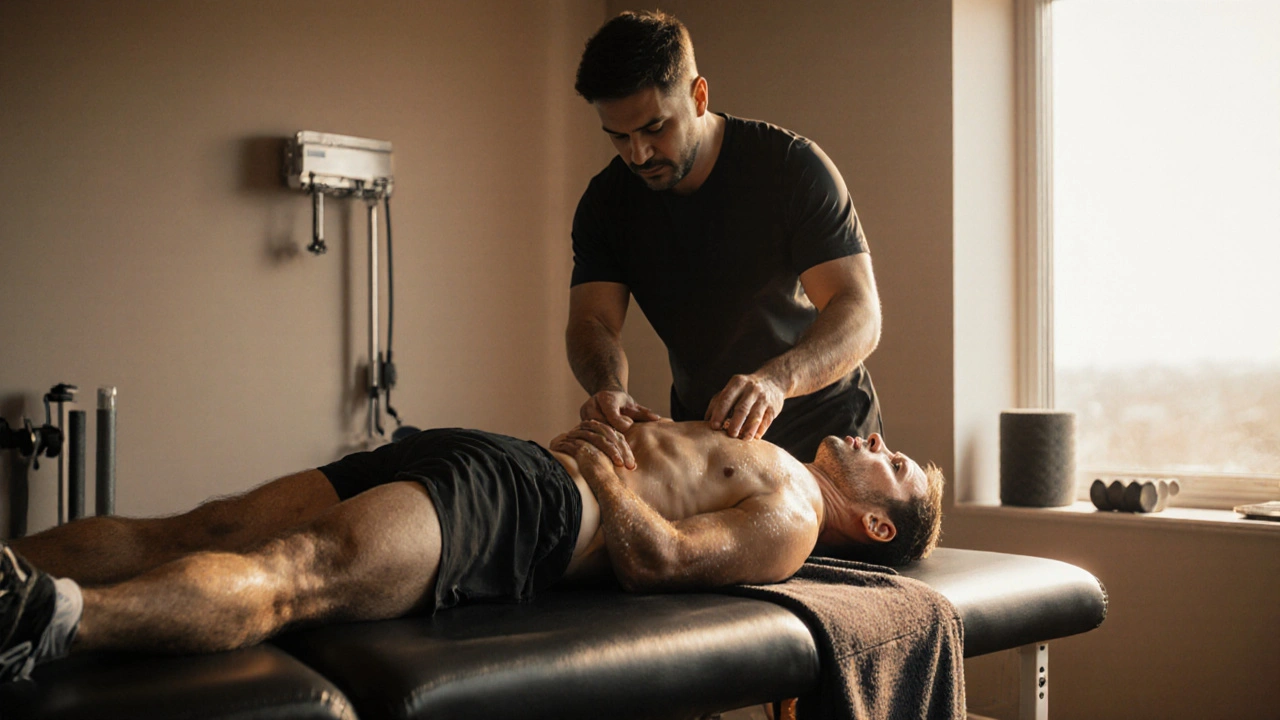
Exploring the Therapeutic Effects of Sports Massage
Nov 18 2025 / Wellness TherapiesSports massage isn't just for athletes-it's a science-backed way to speed up recovery, prevent injuries, and keep your body moving pain-free. Learn how targeted massage helps muscles recover, reduces soreness, and improves movement.
VIEW MORE