
Benefits of Sports Massage
When working with Sports Massage, a manual therapy that applies pressure and movement to help athletes recover faster, also known as therapeutic sports massage, it supports muscle recovery, the repair of muscle fibers and reduction of soreness after intense work, aids injury prevention, identifying tight spots before they turn into strains or tears, and enhances athletic performance, strength, flexibility and speed during training and competition. In short, sports massage encompasses recovery, prevention, and performance, making it a core tool for anyone serious about fitness.
The process isn’t just about big bucks and fancy clinics. You can integrate it at home with simple tools, and you don’t need a PhD to feel the difference. Sports massage applied before a workout warms up muscles, while post‑session work flushes out metabolic waste. For runners, a quick foam‑roller routine can cut delayed‑onset muscle soreness by up to 30 %. Cyclists report smoother pedal strokes after a targeted deep‑tissue session. The key is consistency: a 10‑minute self‑massage after each training block builds a habit that steadies recovery and reduces the odds of overuse injuries.
Choosing the Right Practitioner and Techniques
If you decide to see a professional, look for a certified sports therapist who understands the specific demands of your sport. A good therapist tailors techniques—like trigger‑point release, myofascial stretch, or cross‑friction massage—to the muscles you use most. For weightlifters, focusing on the quadriceps, glutes, and lower back can keep lifts steady and prevent joint stress. Swimmers benefit from shoulder‑focused work that restores shoulder capsule mobility. The therapist’s expertise acts as a bridge between the science of biomechanics and the art of tactile feedback, ensuring each session targets the right tissue at the right intensity.
Even if you’re not an elite athlete, the benefits translate to everyday life. Office workers who sit long hours experience neck and upper‑back tension that mirrors a sprinter’s hamstring tightness after a sprint. Applying sports‑massage principles—such as gradual pressure increase and focusing on the whole kinetic chain—helps release chronic knots and restores natural movement patterns. The underlying idea is that the same mechanisms that help a marathoner recover also keep you moving comfortably through daily tasks.
Another angle many overlook is the mental boost. The rhythmic pressure of a skilled massage triggers the parasympathetic nervous system, lowering cortisol and raising endorphins. This hormonal shift not only speeds physical repair but also sharpens focus and reduces anxiety before a big game or presentation. In practice, athletes who schedule a massage the night before a competition report clearer mental imagery and steadier nerves during performance.
To sum up, the tag collection below dives deep into each of these angles—how sports massage accelerates muscle recovery, the science behind injury prevention, ways to do effective self‑massage at home, and tips for picking the right therapist. Whether you’re a seasoned pro or just getting started, the articles will give you actionable steps to make sports massage a regular part of your routine and reap the full spectrum of benefits.
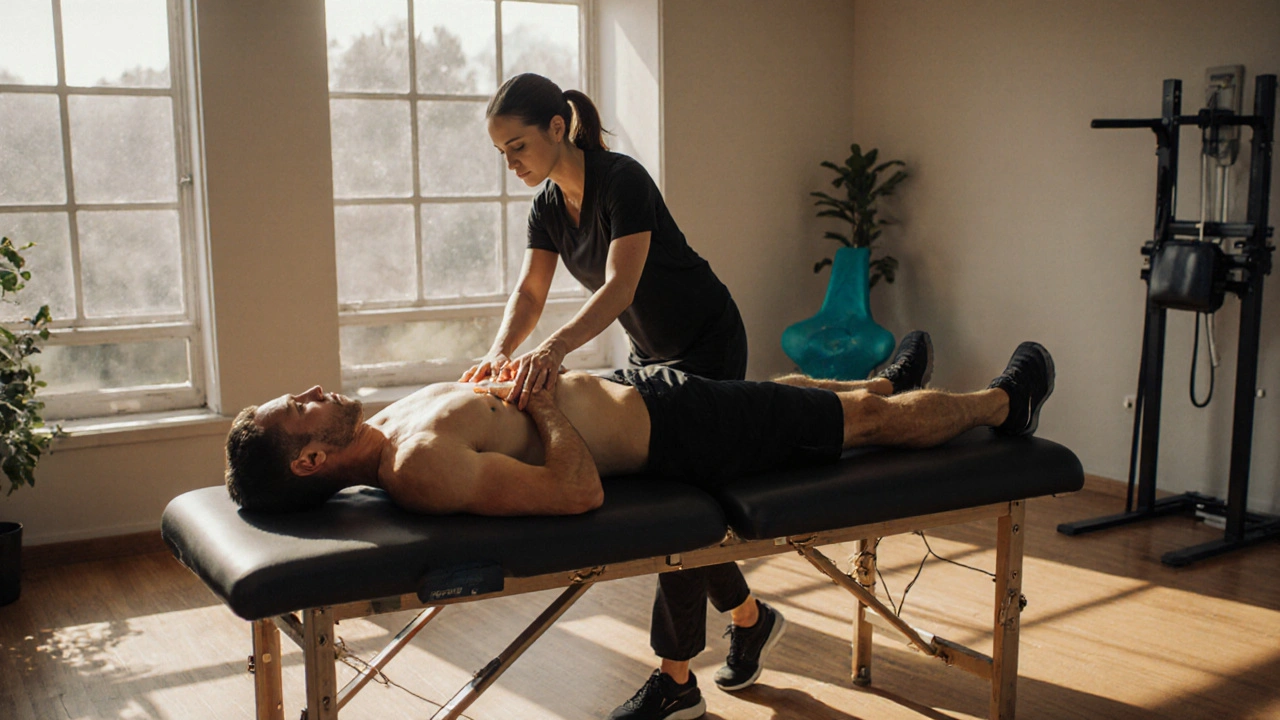
Sports Massage Benefits: Beyond Luxury
Oct 9 2025 / Health and WellnessDiscover why sports massage is a performance tool, not a luxury, with benefits, timing tips, therapist guidance, and comparisons.
VIEW MORE