
Classroom Strategies to Boost Health and Learning
Teachers get asked all the time how to keep kids focused and feeling good. The answer isn’t a magic trick – it’s a set of everyday habits you can weave into any lesson. Below are real‑world ideas you can try tomorrow, no extra budget required.
Quick Wins for Daily Classroom Calm
Start each day with a two‑minute breathing break. Have the class sit comfortably, close eyes, and count to four as they inhale, then count to six as they exhale. This simple rhythm lowers nervous system tension and helps kids settle before the first lesson.
Another fast fix is a “movement burst.” After 30–45 minutes of seated work, stand up and do three shoulder rolls, two arm circles, and a quick march in place. The short burst gets blood flowing, clears mental fog, and reduces the urge to fidget.
Integrate a brief gratitude moment. Ask each student to share one thing they’re thankful for that day. This practice builds a positive mindset and improves peer connections without taking up much time.
Building Long‑Term Wellness Habits
Creative arts therapies aren’t just for specialists. Set up a “feel‑good corner” with crayons, paper, and simple percussion instruments. Let students draw or make a rhythm whenever they feel stressed. The act of creating releases tension and strengthens emotional resilience.
Teach simple nutrition basics through snack swaps. Replace sugary crackers with high‑protein options like cheese sticks, nuts, or a fruit‑yogurt parfait. You can even run a quick taste‑test challenge to show how these foods keep energy steady throughout the afternoon.
Make mindfulness a regular subject. Use short guided meditations that focus on the senses – listening for three different sounds, feeling the texture of a pencil, or noticing the taste of water. These sensory checkpoints train students to stay present and manage anxiety.
Finally, involve parents by sending home a one‑page ‘wellness toolkit.’ Include a few breathing exercises, a list of quick healthy snack ideas, and a reminder to keep a consistent bedtime. When kids see the same habits at home and school, the benefits compound.
Putting these strategies into practice doesn’t mean overhauling your schedule. Pick one or two ideas, try them for a week, and watch how classroom energy shifts. Small, consistent steps create a healthier, happier learning space for everyone.
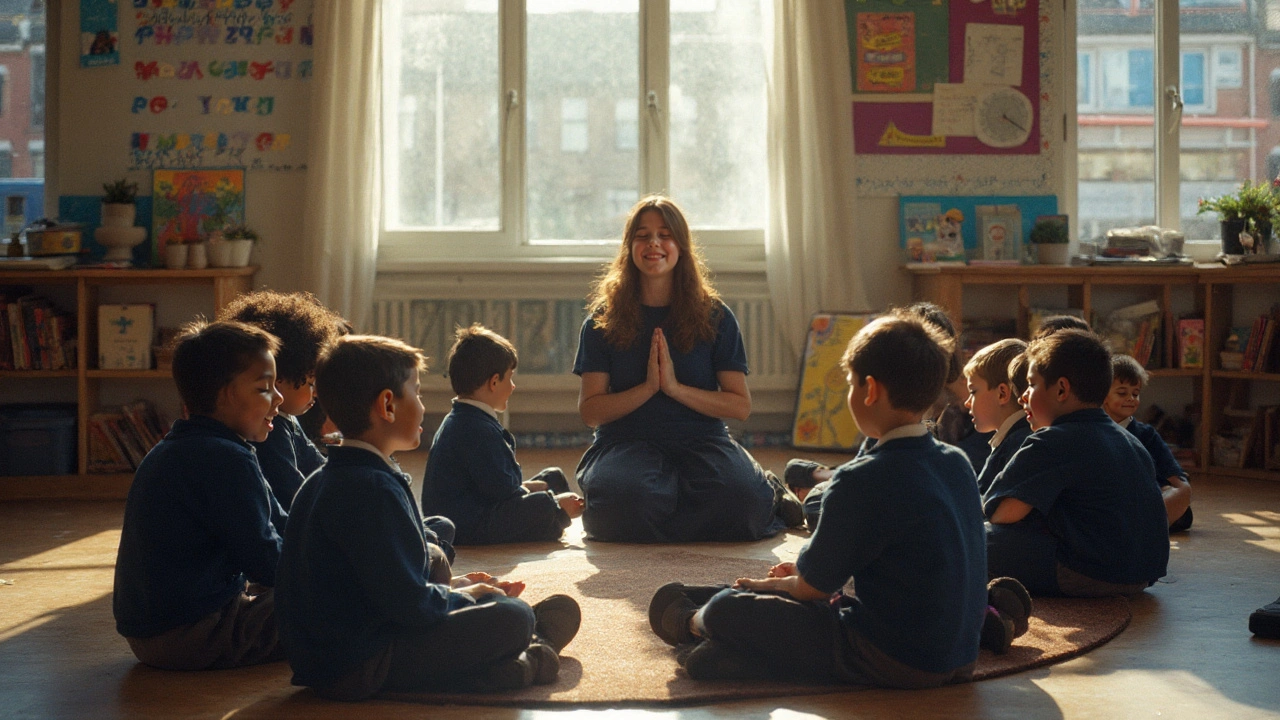
Mindfulness in Education: Benefits, Research, and How to Implement in Schools
Sep 15 2025 / MindfulnessIs mindfulness in schools a fad or a fix? Clear evidence, practical steps, and pitfalls to avoid-so teachers and parents can decide what works in real classrooms.
VIEW MORE