
Dance Movement Therapy: What It Is and Why It Works
Ever notice how a song can lift your spirits or calm you down? That’s the power of movement, and dance movement therapy (DMT) taps right into it. It’s a guided form of dance that blends rhythm, expression, and body awareness to help you feel better mentally and physically. No fancy technique needed – just the willingness to move and explore.
Key Benefits You Can Feel Fast
First off, DMT is a mood‑booster. Moving to music releases endorphins, the brain’s natural feel‑good chemicals. You’ll also notice a drop in stress because the body’s nervous system resets when you flow. On top of that, regular sessions improve balance, coordination, and posture – all without a gym membership.
Beyond the physical perks, DMT helps you process emotions. When you let your body express feelings that are hard to name, you create a safe outlet for stress, anxiety, or sadness. Many people report clearer thinking and better focus after a session, which is a handy side‑effect for work or study.
How to Start Your Own DMT Practice
1. Pick a space you like. It could be a living‑room corner, a backyard, or a quiet studio. The area should feel safe and have room to move a few steps in any direction.
2. Choose music that resonates. Pick tracks that match the mood you want – upbeat for energy, slow for relaxation. You don’t need a playlist; a single song can work.
3. Warm‑up gently. Start with simple shoulder rolls, neck stretches, and a few gentle hops. This gets blood flowing and signals your body that movement is coming.
4. Follow guided prompts. Many DMT videos or apps offer cues like “let your arms follow the beat” or “imagine shaking off stress”. If you’re alone, you can set a timer and give yourself a prompt each minute.
5. Reflect afterward. Jot down how you felt in a quick note. Did a particular movement release tension? Did a song spark a memory? This reflection helps you track progress and stay motivated.
If you prefer a group setting, look for local community centers or online classes that focus on creative arts therapies. Being with others adds a social boost and lets you see different ways people move.
Remember, DMT isn’t about perfect dance moves. It’s about letting your body speak. If you stumble or feel awkward, that’s part of the process. Your brain learns to let go of judgment, which is a huge win for mental health.
Integrating DMT with other wellness habits amplifies results. Pair a short session with a breathing exercise, a light stretch, or a mindfulness check‑in, and you’ll notice a deeper sense of calm. Even a 10‑minute movement break during a busy workday can reset your focus.
One practical tip: set a weekly “movement date”. Mark it on your calendar like any other appointment. Consistency beats intensity – a regular 15‑minute practice beats a one‑off hour‑long session when it comes to building habit.
Finally, listen to your body. If a movement feels painful, modify or skip it. DMT should feel freeing, not forced. Over time, you’ll discover new ways your body likes to move, and those discoveries often spill over into everyday confidence.
So, whether you’re chasing a mood lift, want to reduce anxiety, or simply crave a fun way to stay active, give dance movement therapy a try. Turn on a favorite track, move your way through the prompts, and notice how quickly your mind and body thank you.
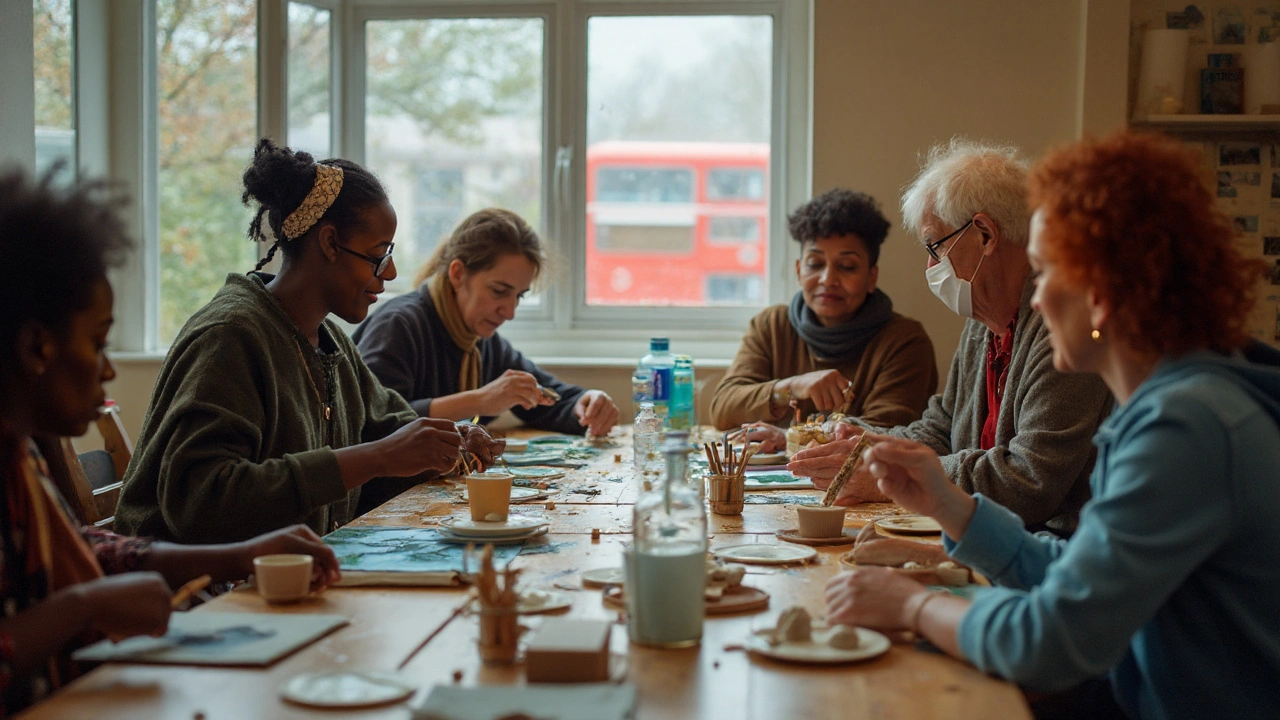
Creative Arts Therapies for Wellness: Benefits, Modalities, and How to Start
Sep 11 2025 / Wellness TherapiesA clear, practical guide to creative arts therapies-what they are, who they help, evidence-backed benefits, and how to get started with simple steps and safety tips.
VIEW MORE