
Exercise for Stress Relief: Simple Moves to Calm Your Mind
Feeling tense after a long day? You don’t need a fancy gym or hours of meditation to unwind. A few minutes of targeted movement can drop cortisol, lift your mood, and give your brain a breather. Below you’ll find straight‑forward exercises you can slip into any schedule, no equipment required.
Why Moving Beats Sitting Still
When you exercise, your body releases endorphins – natural chemicals that act like a mood‑boosting drug. Those same endorphins also blunt the stress response, making you feel less on edge. In addition, physical activity raises heart‑rate variability, a sign that your nervous system is shifting from “fight‑or‑flight” to a calmer state. Research shows even ten minutes of moderate cardio can reduce anxiety scores faster than a cup of coffee.
Easy Routines You Can Do Anywhere
1. Power Walk or Light Jog (5‑10 minutes) – Step outside or march in place. Keep a brisk pace that makes you breathe a bit deeper but still lets you talk. The rhythm of your steps helps reset your breathing pattern, which calms the mind.
2. Jumping‑Jack Burst (30 seconds) – Do a quick set of jumping jacks, then pause and notice how your heart feels. The short burst spikes circulation, delivering oxygen to the brain and breaking the stress loop.
3. Body‑Weight Circuit (3 rounds) – 10 squats, 10 push‑ups, 10 lunges each side, and 20‑second plank. Move from one exercise to the next with minimal rest. This full‑body routine lifts blood flow and distracts you from racing thoughts.
4. Stretch‑and‑Breathe (2‑3 minutes) – Finish with a gentle stretch: reach arms overhead, hinge forward for hamstring stretch, and roll shoulders back. Pair each stretch with a slow inhale through the nose and a relaxed exhale through the mouth. The combined stretch and breath cue signals your nervous system to relax.
Pick any of these options when you notice tension building. Consistency matters more than intensity; a quick habit done three times a day can beat a marathon session once a week. If you’re at a desk, try a seated leg raise or desk‑side march – the goal is to keep the body moving and the mind occupied.
Beyond the immediate calm, regular exercise builds resilience. Over weeks, you’ll notice you bounce back from stressful events faster, sleep better, and feel more energetic. Pairing movement with a short mindfulness pause (count to five on each breath) amplifies the benefit, creating a simple stress‑management toolkit you can rely on anytime.
So next time stress knocks, lace up your shoes, stand up, and give your body the movement it craves. The calm that follows is proof that exercise isn’t just for fitness – it’s a powerful stress‑relief strategy anyone can use.
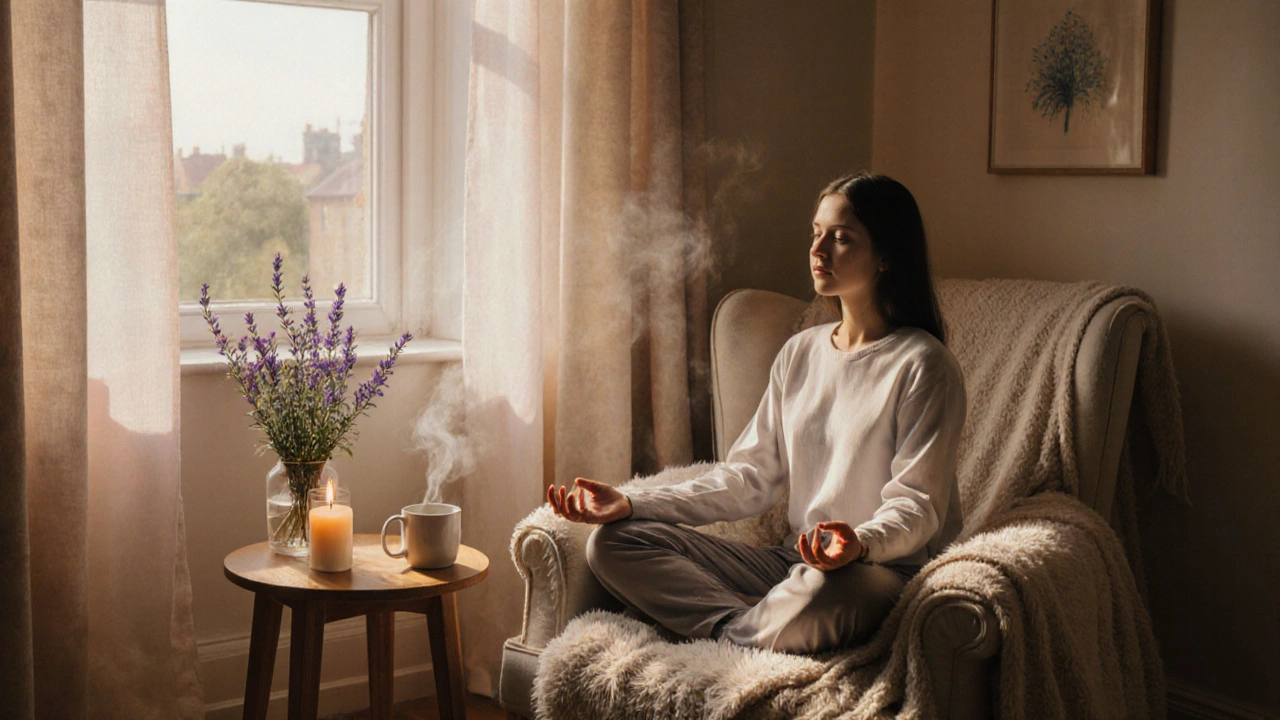
Stress Reduction: The Secret Weapon Against Burnout
Sep 29 2025 / Stress ManagementLearn how stress reduction can prevent burnout with practical mindfulness, exercise, sleep, nutrition, aromatherapy, and biofeedback techniques, plus a daily routine guide.
VIEW MORE