
Daily Stress Reduction Routine Planner
Select the stress-reduction techniques you want to include in your daily routine:
Feeling like you’re constantly running on empty? That heavy, gnawing tension isn’t just annoying-it’s the fuel that turns a busy day into full‑blown burnout. The good news? A focused plan for stress reduction can flip the script, keep your energy up, and protect your mental health before the warning signs become a crisis.
Quick Takeaways
- Stress spikes cortisol, which erodes motivation and recovery.
- Mindfulness, regular movement, quality sleep, balanced nutrition, aromatherapy, and biofeedback are the six most evidence‑backed tools.
- Build a 15‑minute daily routine that strings these tools together for maximum impact.
- Watch for red flags like chronic fatigue, irritability, and declining performance-these may signal burnout.
- If self‑help isn’t enough, professional support (CBT, counseling, or medical evaluation) is a smart next step.
Stress Reduction refers to deliberate practices that lower physiological and psychological tension, helping the body return to a balanced state isn’t a buzzword-it’s a measurable set of actions that change hormone levels, improve heart‑rate variability, and boost mood. To see why it matters, let’s first unpack how chronic stress morphs into burnout.
How Stress Fuels Burnout
When a stressor hits, the brain’s amygdala sends a signal to the hypothalamus, kick‑starting the Cortisol the primary stress hormone that prepares the body for ‘fight‑or‑flight’ cascade. Short‑term spikes are useful-think of the extra focus you need to meet a deadline. But stay‑on‑high for weeks or months, and cortisol begins to sabotage sleep, immune function, and memory.
Enter Burnout a state of emotional, mental, and physical exhaustion caused by prolonged stress. Burnout isn’t just feeling tired; it’s a loss of enthusiasm, an inability to concentrate, and a dip in performance that can spill over into personal life. Research from the American Psychological Association shows that workers with high chronic stress are 2.5 times more likely to report burnout symptoms.
Core Stress‑Reduction Strategies
Below are the six tactics that have the strongest research backing and are easy to slot into a busy schedule.
1. Mindfulness
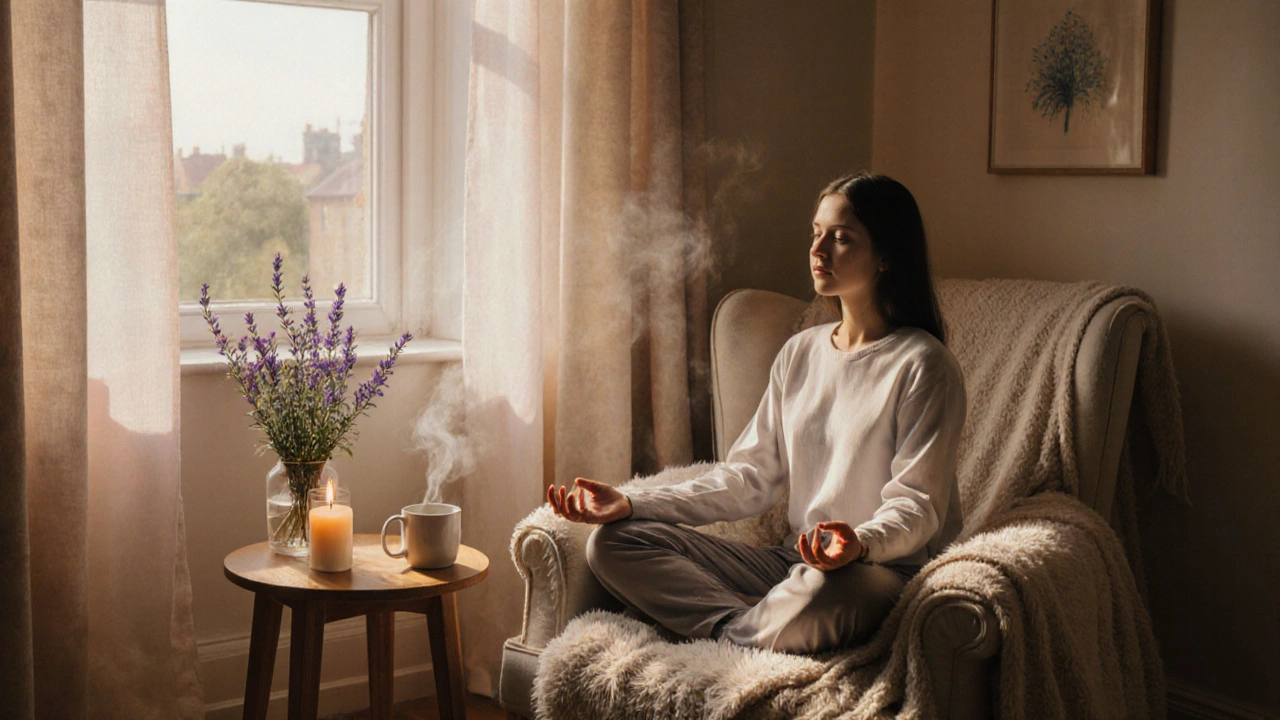
Mindfulness the practice of deliberately paying attention to the present moment without judgment rewires the brain’s stress pathways. A daily 10‑minute breath‑focus session can lower cortisol by up to 30% (Harvard Health, 2023). Start by sitting comfortably, closing your eyes, and simply counting each inhale and exhale. When your mind wanders, note the distraction and gently return to the breath.
2. Physical Activity
Exercise any bodily movement that raises heart rate and improves muscular strength and endurance releases endorphins, the body’s natural mood elevators. Even a brisk 20‑minute walk triggers the release of dopamine and serotonin, which counteract stress hormones. If you’re short on time, try a quick circuit of jumping jacks, squats, and push‑ups-three rounds, 30 seconds each, with a 15‑second rest.
3. Sleep Hygiene
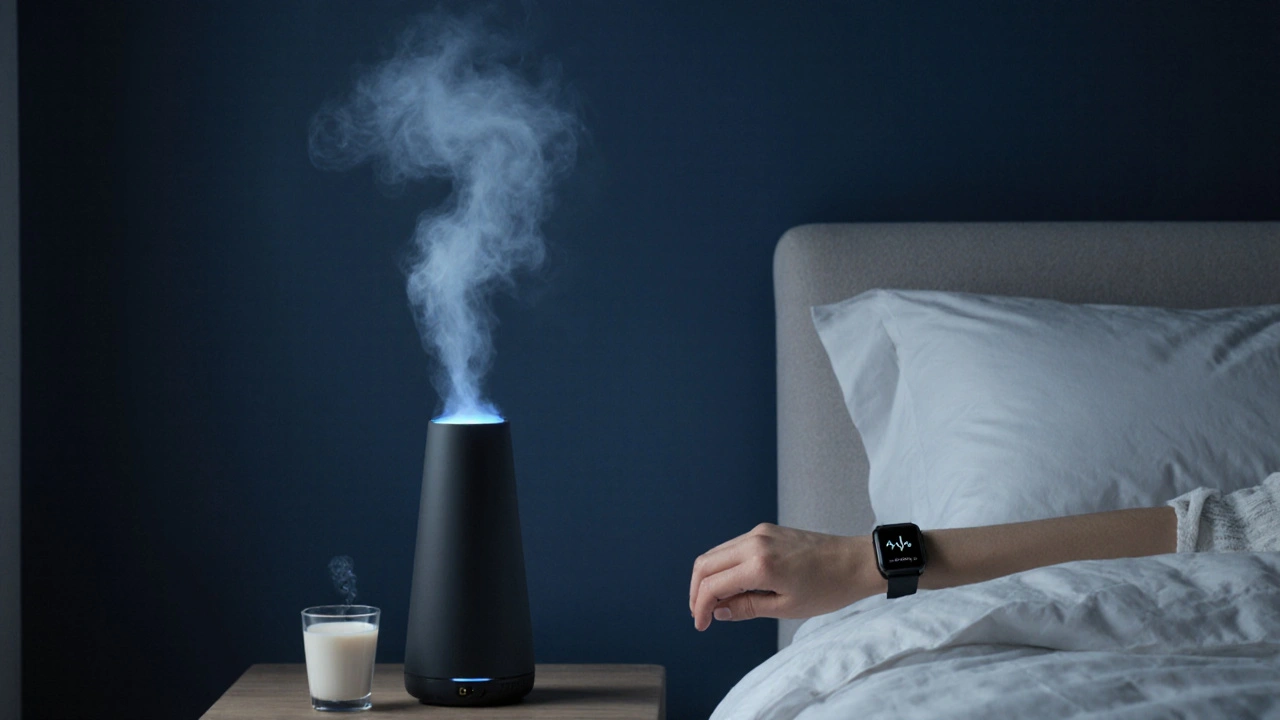
Sleep the restorative state that allows the brain and body to repair and consolidate memories is the ultimate reset button. Aim for 7‑9 hours of uninterrupted rest. Keep the bedroom cool (around 65°F), dim the lights an hour before bed, and ban screens to let melatonin rise naturally. A study in Sleep Medicine (2024) found that consistent sleep reduced perceived stress by 22%.
4. Nutrition
What you eat directly influences stress pathways. Foods rich in omega‑3 fatty acids (salmon, walnuts) and magnesium (leafy greens, pumpkin seeds) support neurotransmitter balance. Reduce caffeine and sugar spikes, which can trigger jittery anxiety. A balanced plate-protein, complex carbs, healthy fats-stabilizes blood sugar and, in turn, steadies mood.
5. Aromatherapy
Aromatherapy the therapeutic use of plant‑derived essential oils to influence mood and physiology can be a quick, low‑effort stress‑buster. Lavender or bergamot diffused for 15 minutes before a meeting can lower heart rate and improve focus. Keep a small rollerball of diluted essential oil on your desk for instant relief during high‑pressure moments.
6. Biofeedback
Biofeedback a technique that uses real‑time monitoring of physiological signals (like heart‑rate variability) to teach self‑regulation is gaining traction in corporate wellness programs. Wearables that display HRV give you a visual cue of stress levels; breathing in sync with the device’s rhythm can raise HRV within minutes, signaling a calmer state.
| Technique | Key Benefit | Time Required | Best For |
|---|---|---|---|
| Mindfulness | Reduces cortisol, improves focus | 5-10min daily | Office workers, students |
| Exercise | Boosts endorphins, enhances fitness | 20min moderate | Anyone needing energy lift |
| Sleep Hygiene | Restores brain function, lowers stress | 7-9h nightly | Night‑shifters, chronic worriers |
| Nutrition | Stabilizes blood sugar, supports neurotransmitters | Meal planning 30min | Those with diet‑related mood swings |
| Aromatherapy | Quick calming effect | 2‑5min setup | High‑pressure environments |
| Biofeedback | Teaches self‑regulation | 5‑10min with device | Tech‑savvy professionals |

Building a Daily Stress‑Reduction Routine
- Morning (5min): Start with a mindfulness breath count. Sit upright, close your eyes, and count each inhale‑exhale pair up to 10, then repeat.
- Mid‑morning (2min): Diffuse a drop of lavender oil or apply a rollerball to your wrists.
- Lunch break (20min): Go for a brisk walk or do a body‑weight circuit. Aim for a light sweat to trigger endorphins.
- Afternoon (5min): Check your HRV app. If the reading is low, practice a 4‑7‑8 breathing pattern (inhale 4s, hold 7s, exhale 8s).
- Evening (15min): Prepare a balanced dinner-include salmon, quinoa, and roasted vegetables. After eating, dim lights and spend 10minutes reading or journaling before sleep.
- Bedtime (10min): Perform a short body‑scan meditation, noting any tension and releasing it with each exhale.
Stick to this template for two weeks, then tweak the timing or activities to fit your personal rhythm. Consistency is the secret sauce that turns occasional relief into lasting resilience.
Common Pitfalls and How to Avoid Them
- Thinking “one‑size‑fits‑all.” Not every technique works for everyone. If aromatherapy irritates your sinuses, skip it and double‑down on exercise.
- Skipping consistency. A single weekend of yoga won’t offset a month of sleepless nights. Schedule your practices like any important meeting.
- Over‑optimizing. Trying to do all six strategies at once can feel overwhelming. Start with two, master them, then add more.
- Neglecting the basics. No amount of meditation can compensate for chronic sleep deprivation. Prioritize foundational habits first.
When to Seek Professional Help
If you notice any of the following, consider reaching out to a mental‑health professional:
- Persistent feelings of hopelessness or worthlessness
- Physical symptoms like chronic headaches, stomach issues, or unexplained weight changes
- Significant decline in work performance or relationships
- Thoughts of self‑harm
Therapies such as Cognitive‑Behavioral Therapy (CBT) have proven effective for managing stress and preventing burnout. A qualified therapist can help you reframe stressors, set realistic goals, and develop coping skills tailored to your situation.
TL;DR
- Stress sparks cortisol spikes that, over time, lead to burnout.
- Six evidence‑based tools-mindfulness, exercise, sleep, nutrition, aromatherapy, biofeedback-cover the spectrum of physiological and psychological relief.
- Implement a 15‑minute daily routine that blends at least three of these tools.
- Avoid the trap of “do‑everything” and focus on consistency.
- Seek professional counseling if stress turns into chronic anxiety, depression, or physical illness.
Frequently Asked Questions
How long does it take to see results from stress‑reduction practices?
Most people notice a calmer mind and lower heart rate within a week of daily mindfulness or breathing exercises. Physical changes, like improved sleep quality, usually emerge after two to three weeks of consistent routine.
Can I use a mobile app for biofeedback without buying expensive equipment?
Yes. Many smartphones now include HRV sensors or can pair with inexpensive wrist wearables. Apps such as Elite HRV or Welltory provide real‑time feedback and guided breathing sessions at a low cost.
Is aromatherapy safe for everyone?
Most essential oils are safe when diluted, but they can irritate skin or trigger asthma in sensitive individuals. Always do a patch test and choose pure, therapeutic‑grade oils.
What’s the difference between stress and burnout?
Stress is a short‑term response to a challenge, while burnout is a chronic state of exhaustion that results from prolonged, unrelieved stress. Burnout includes emotional fatigue, cynicism, and reduced professional efficacy.
Should I quit my job if I feel burned out?
Quitting is a drastic step and often unnecessary if you address the root causes. Start with stress‑reduction habits, talk to your manager about workload, and explore flexible arrangements. If symptoms persist despite these changes, professional guidance can help you decide the best path forward.