
Mindfulness in Education: Real Tools for Real Classrooms
Ever feel like the classroom is a never‑ending whirlwind of noise, distraction, and racing thoughts? You’re not alone. Teachers and students alike are looking for simple habits that actually calm the mind and sharpen attention. That’s where mindfulness steps in – not as a fancy trend, but as a set of easy, science‑backed practices you can start using today.
Quick Start Practices for Teachers
Before you ask students to try anything, model a short breathing exercise yourself. Sit at the front of the room, close your eyes for just 30 seconds, and count each inhale and exhale. This tiny pause signals to the whole class that it’s okay to slow down. You’ll notice a subtle shift in energy – less chatter, more listening.
Another teacher‑friendly habit is the “One‑Minute Reset.” When a lesson feels stuck, stand up, stretch, and lead the class in a quick body scan: start at the toes, move up to the head, and note any tension. It takes less than a minute, but it clears mental fog and gives you a fresh start.
Student‑Focused Mindfulness Routines
Kids respond well to short, concrete activities. Try a “Five‑Senses Check‑In” at the beginning of each day: ask students to name one thing they can see, hear, feel, smell, and taste. This simple grounding trick pulls attention away from worries and into the present moment, making it easier to absorb new material.
For older students, a 3‑minute guided visualization works wonders before a test. Have them close their eyes, picture a calm place, and imagine themselves answering questions confidently. Research shows that just a few minutes of mental rehearsal reduces anxiety and improves recall.
Integrating mindfulness with regular subjects also boosts relevance. During a reading lesson, pause after a paragraph and ask students to notice how the words make them feel. In math, encourage a quick breath before solving a tricky problem. These tiny breaks reinforce the idea that the mind can be trained just like a muscle.
One of the biggest misconceptions is that mindfulness takes up class time. In reality, a series of 1‑minute moments adds up to less than five minutes a day – a tiny investment for big gains in focus and emotional regulation. When students learn to manage stress, they’re less likely to act out, more likely to stay on task, and ultimately achieve better grades.
Want evidence? A recent study cited in our "Stress Reduction Techniques for Better Focus and Mental Clarity" post showed that students who practiced daily breathing reduced their test anxiety by 40% and improved concentration scores by 15%. The data isn’t magic; it’s the result of consistent, brief practices.
Start small, stay consistent, and watch the classroom transform. Your students will thank you for the calm moments, and you’ll notice a smoother flow in lessons. Mindfulness isn’t a lofty concept – it’s a practical toolkit that fits right into the everyday hustle of teaching and learning.
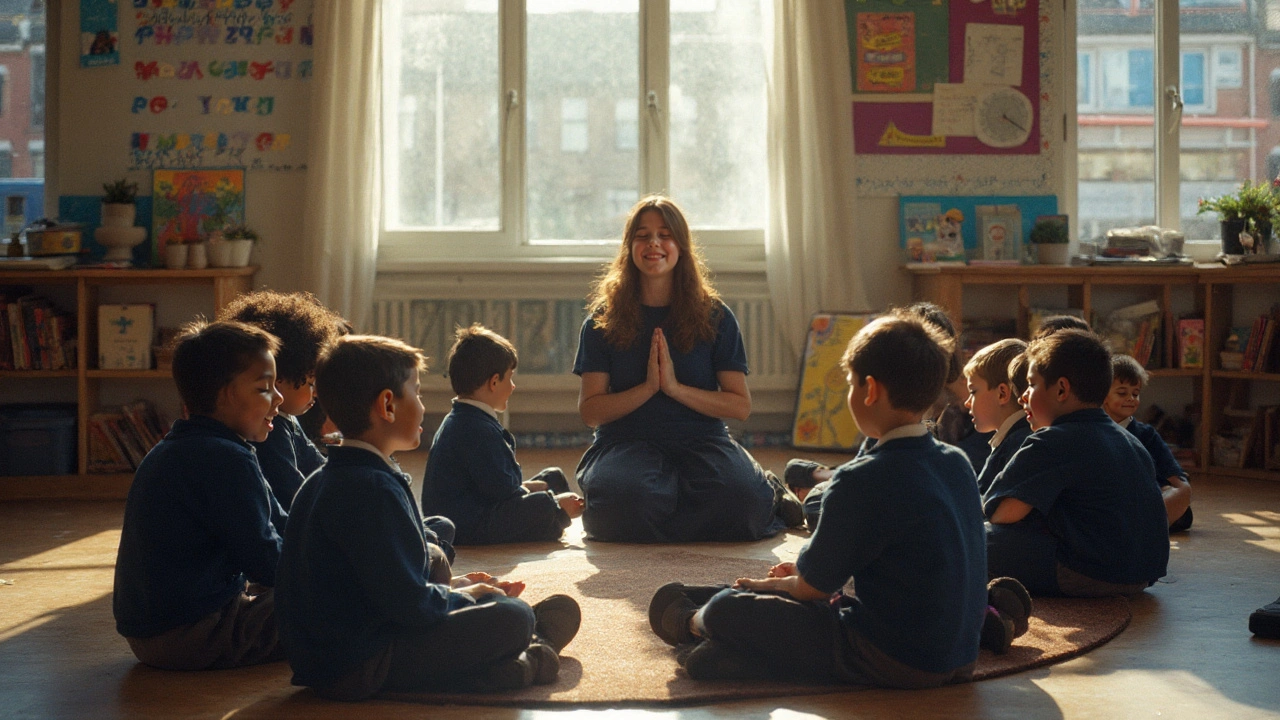
Mindfulness in Education: Benefits, Research, and How to Implement in Schools
Sep 15 2025 / MindfulnessIs mindfulness in schools a fad or a fix? Clear evidence, practical steps, and pitfalls to avoid-so teachers and parents can decide what works in real classrooms.
VIEW MORE