
Psychological Disorders: What They Are and How to Address Them
When talking about Psychological Disorders, a range of mental health conditions that affect thoughts, emotions, and behavior. Also known as mental health conditions, they can show up as anxiety, depression, obsessive‑compulsive patterns, or trauma‑related symptoms. Understanding them starts with seeing how they intersect with everyday life tools. For instance, Creative Arts Therapies, structured artistic activities like painting, music, dance, or drama used in therapeutic settings provide a non‑verbal route to process feelings that words alone can’t reach. Meanwhile, Stress Reduction, techniques that lower the body’s stress response, such as breathing exercises, biofeedback, or gentle movement directly attacks one of the biggest triggers for many disorders. Together they form a practical toolkit: creative expression helps uncover hidden emotional patterns, while stress‑lowering methods keep the nervous system calm enough for that insight to stick.
Another cornerstone is Mindfulness, the practice of paying purposeful, non‑judgmental attention to the present moment. Mindfulness reshapes how the brain reacts to worry and rumination, which are common in disorders like generalized anxiety or PTSD. When you combine mindfulness with creative arts, you get a double‑boost: the art activity grounds you in the now, while the mindful focus magnifies the calming effect. This synergy shows up in real‑world settings—a music‑therapy session that starts with a few minutes of breath awareness can amplify the therapeutic impact, and a dance‑based class that encourages participants to notice bodily sensations can reduce hyper‑vigilance in trauma survivors. The evidence gathered from recent studies backs this up: participants who engaged in both report lower symptom scores and higher self‑esteem than those who used a single approach.
Practical Paths Forward
What does this mean for you? First, identify which psychological disorders you’re dealing with—or suspect—by noting persistent thoughts, moods, or behaviors that disrupt daily life. Next, choose a starting point: a local art‑therapy program, a guided stress‑reduction app, or a simple mindfulness routine like a five‑minute body scan. Many people find that a weekly creative arts session paired with daily stress‑reduction practices creates a rhythm that steadies mood swings and lowers anxiety spikes. Remember, consistency beats intensity; a short, regular practice often outperforms occasional deep dives. Below you’ll find a curated list of articles that dive deeper into each of these approaches, share success stories, and give step‑by‑step guides to get started right now.
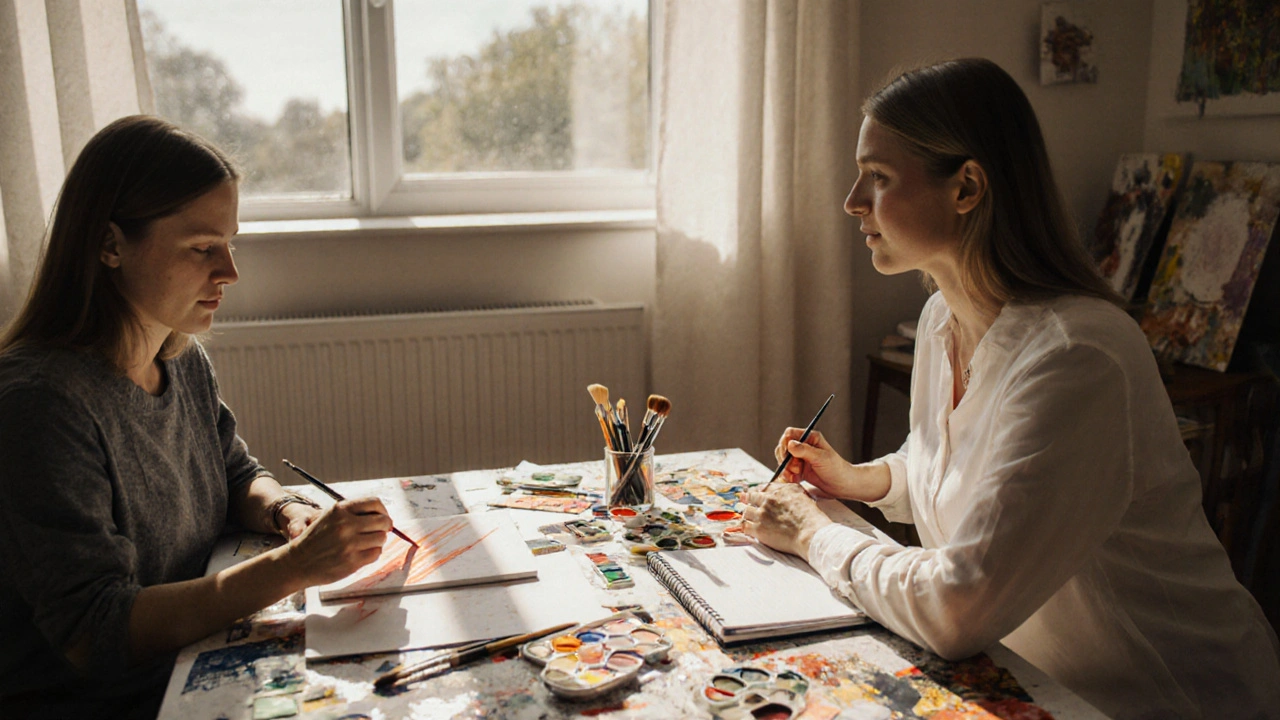
How Creative Arts Therapies Transform Psychological Disorder Treatment
Oct 23 2025 / Mental HealthExplore how creative arts therapies-like art, music, dance, drama, and writing-help treat depression, anxiety, PTSD, and more with science‑backed evidence and practical guidance.
VIEW MORE