
School Mindfulness Programs: Simple Steps to Calm Classrooms
Ever wonder why some classrooms feel like a breeze while others are a constant buzz of noise? A big part of the difference is often a mindfulness routine. When kids spend just a few minutes each day breathing, noticing sensations, or practicing gratitude, they become more focused, less anxious, and better at handling stress. Below you’ll find down‑to‑earth advice on why mindfulness works in schools and how you can set up a program that sticks.
Why Mindfulness Matters for Students
Kids today juggle homework, screens, friendships, and sometimes family challenges. All that mental clutter can hurt attention and mood. Short mindfulness breaks train the brain to shift from “react mode” to “think mode.” Research shows that regular practice improves working memory, reduces irritability, and even boosts test scores. The biggest win? Children learn a tool they can use for life, not just a classroom trick.
Another big plus is that mindfulness is inclusive. It doesn’t require special equipment, athletic ability, or prior experience. All you need is a quiet corner, a timer, and a willingness to try.
How to Start a School Mindfulness Program
1. Get Buy‑In – Talk to teachers, principals, and parents about the benefits. Share a short video or a one‑page fact sheet that highlights improved focus and lower behavior issues. When everyone sees the upside, support comes easier.
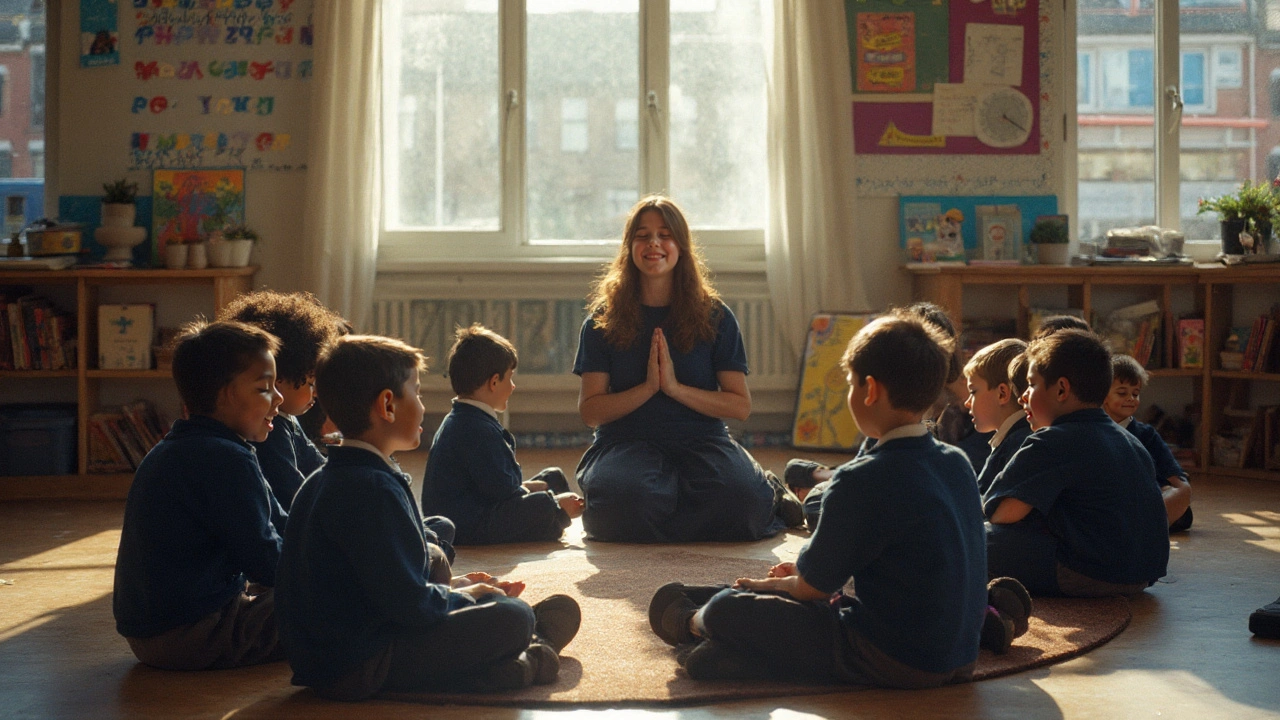
2. Choose a Simple Routine – Start with a 5‑minute breathing exercise. Have students sit comfortably, close eyes, and count breaths up to five, then back down. Keep the language plain: “Breathe in, count to three, breathe out, count to three.” Consistency beats length.
3. Schedule It – Pick a predictable slot, like right after the morning bell or before lunch. A regular time helps kids know what to expect and builds habit.
4. Train a Champion – Identify a teacher or counselor who loves the idea and give them a short training (many free webinars exist). One enthusiastic leader can keep the program alive even when schedules get tight.
5. Keep It Engaging – Mix breathing with body scans, guided imagery, or simple gratitude rounds. For example, after a breathing session, ask, “What’s one thing you’re happy about today?” This prevents the practice from feeling repetitive.
6. Track Progress – Use a quick journal or a class chart to note changes in focus, mood, or behavior. Seeing real results motivates both staff and students to stick with it.
7. Expand Gradually – Once the 5‑minute session feels natural, add a short mindful movement break or a weekly “mindful moments” circle where students share how they felt.
Remember, the goal isn’t perfection. If a few kids wander off or forget to close their eyes, that’s okay. The practice is about gently guiding attention back, not punishing distraction.
With a steady routine, supportive staff, and clear benefits, school mindfulness programs can transform a chaotic hallway into a place where students feel calmer, think clearer, and interact more positively. Give it a try—your classroom may surprise you with how quickly a simple breath can change the day.
Mindfulness in Education: Benefits, Research, and How to Implement in Schools
Sep 15 2025 / MindfulnessIs mindfulness in schools a fad or a fix? Clear evidence, practical steps, and pitfalls to avoid-so teachers and parents can decide what works in real classrooms.
VIEW MORE