
Sports Injury Prevention: How to Stay Strong and Avoid Common Hits
When you're training hard, sports injury prevention, the practice of reducing the risk of harm during physical activity through smart training, recovery, and body awareness. Also known as injury risk reduction, it's not about avoiding exercise—it's about making sure your body can handle it. Too many people push through pain, ignore tight muscles, or skip recovery, then wonder why they’re sidelined. The truth? Most sports injuries aren’t accidents. They’re the result of repeated stress without proper repair.
sports massage, a targeted form of bodywork designed to improve muscle function, reduce soreness, and support recovery in active people isn’t just for pros. It’s a simple tool anyone who moves regularly can use. Studies show regular sports massage lowers muscle stiffness and improves range of motion—key factors in preventing strains and tears. Pair that with muscle recovery, the process of restoring strength and flexibility after physical exertion, and you’ve got a real edge. Recovery isn’t passive rest. It’s active care: foam rolling, stretching, hydration, sleep, and knowing when to back off.
athletic training, structured physical preparation that includes strength, mobility, and technique work to enhance performance and reduce injury risk is where prevention starts. It’s not just lifting heavier. It’s moving better. Many injuries come from imbalances—strong quads, weak hamstrings; tight hips, unstable ankles. A good training plan doesn’t just build power—it fixes weaknesses before they become problems.
You don’t need a fancy gym or a personal coach to start. Small changes make the biggest difference. Warm up properly. Cool down. Listen to your body when it says "no." Sleep seven hours, not five. Drink water, not just energy drinks. Use tools like foam rollers or massage balls after workouts. These aren’t luxuries—they’re your first line of defense.
And if you’ve ever felt that twinge in your knee after a run, or that tightness in your shoulder after lifting, you already know how fast one small issue can turn into weeks off. That’s why prevention isn’t optional. It’s the quiet habit that lets you keep showing up—stronger, steadier, and pain-free.
Below, you’ll find real, no-fluff guides on how to recover faster, use massage at home, fix common training mistakes, and build routines that actually protect your body. No magic pills. Just what works.
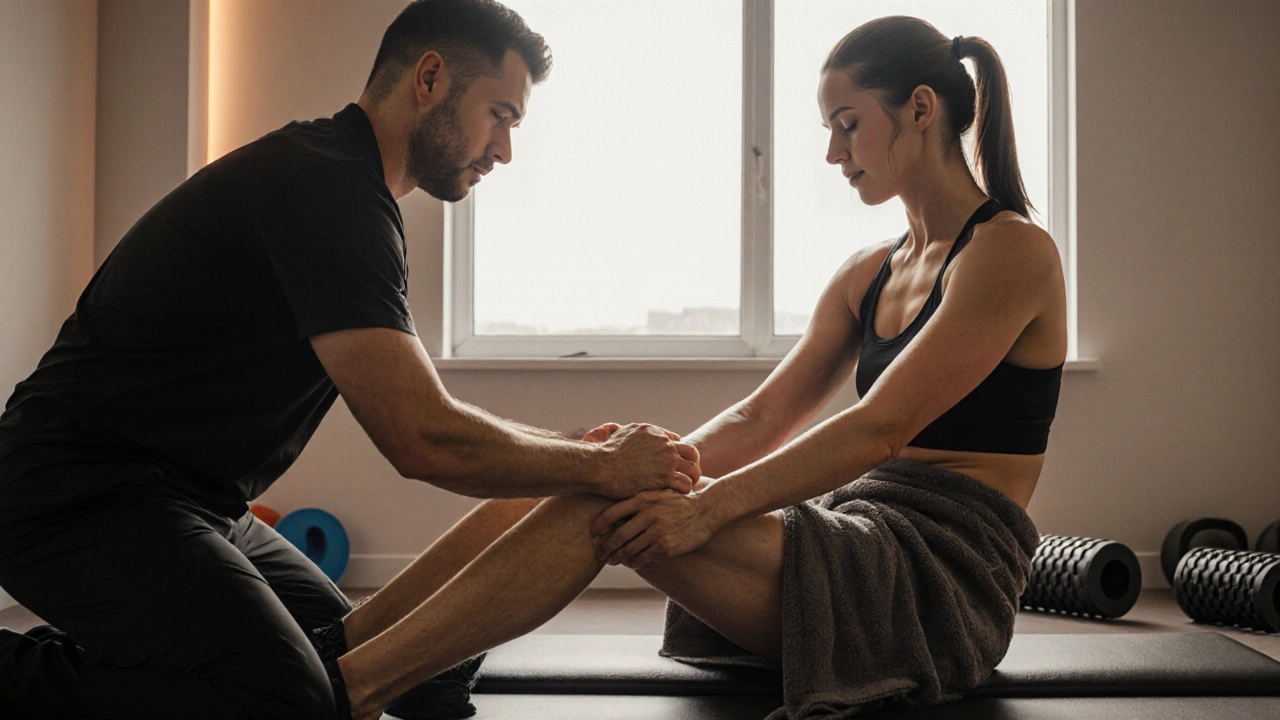
Sports Massage: The Essential Guide for Every Athlete
Nov 6 2025 / Health and FitnessSports massage is a proven recovery tool for athletes of all levels. Learn how it reduces soreness, prevents injuries, and boosts performance-with science-backed tips on timing, techniques, and finding the right therapist.
VIEW MORE