
Teacher Wellbeing: Simple Steps to Feel Better at Work and Home
Teaching is rewarding, but the daily grind can wear you down fast. Long hours, noisy classrooms, grading piles – it’s a perfect recipe for burnout. The good news? Small, evidence‑based tweaks can lift your mood, keep your energy up, and protect your mental health without adding more to your to‑do list.
Cut Stress Before It Cuts You
One of the fastest ways to feel relief is to calm your nervous system. Try a 4‑minute breathing reset: inhale for 4 seconds, hold 2, exhale for 6. Do this at the start of a lesson or between grading sessions. It drops cortisol, steadies your heart, and sharpens focus. Pair the breath work with a quick stretch – reach for the ceiling, roll your shoulders, and shake out tension. You’ll notice a lighter head and clearer thoughts within minutes.
Another practical tool is the “micro‑break” habit. Set a timer for 50 minutes of work, then stand up, sip water, and look away from the screen for 5 minutes. Walking a few steps around the staffroom or doing a gentle neck roll resets your brain’s alertness loop and avoids the mental fog that builds during long sitting periods.
Boost Mental Health with Creative Therapies
Creative arts therapies aren’t just for art class – they’re powerful for teacher resilience. Keep a small sketchpad on your desk. Doodling for a minute while students work silently can lower anxiety and spark new ideas. If music helps you unwind, play a short instrumental track during planning periods; it eases tension and improves concentration.
Dance movement therapy can be as simple as a 2‑minute sway to your favorite song before lunch. Moving your body releases endorphins, lifts mood, and breaks the monotony of sitting. You don’t need a studio; just a little space and a tune you enjoy.
These creative habits are backed by research showing lower stress markers and higher emotional resilience when teachers integrate art, music, or movement into their daily routine.
Quick Nutrition and Energy Hacks
Skipping breakfast or grabbing sugary snacks fuels a crash later. A balanced breakfast smoothie with protein, low‑sugar fruit, and a handful of spinach gives steady energy for the morning rush. Blend 1 cup unsweetened almond milk, a scoop protein powder, half a banana, a handful of berries, and a pinch of spinach – you’ll be ready for the first bell.
Keep a stash of high‑protein snacks like Greek yogurt, nuts, or cheese sticks in your bag. They stabilize blood sugar and keep cravings away, so you’re less likely to reach for vending‑machine junk during a hectic day.
Set Boundaries and Build Support
Boundaries protect your wellbeing. Decide on a “stop‑work” time each evening and stick to it – no grading after 7 pm if possible. Communicate this limit with colleagues and administrators; most respect clear expectations when they see the benefit.
Find a peer support buddy. Sharing challenges for just five minutes a week can lighten emotional load and spark practical ideas. You’ll feel less isolated and more motivated to try new strategies like the breathing reset or creative doodles.
Teacher wellbeing isn’t a one‑size‑fit solution. Start with one or two of these habits, watch how you feel, and adjust. Small, consistent actions add up to a healthier, happier teaching life – for you and your students.
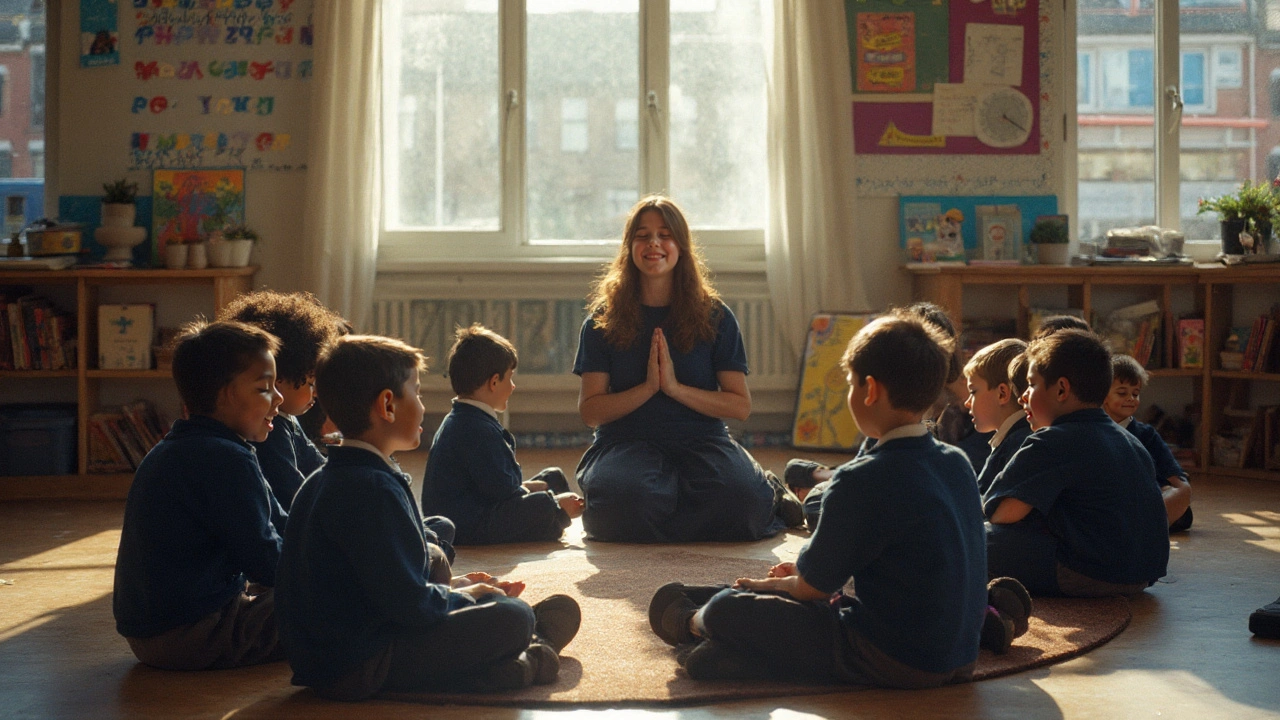
Mindfulness in Education: Benefits, Research, and How to Implement in Schools
Sep 15 2025 / MindfulnessIs mindfulness in schools a fad or a fix? Clear evidence, practical steps, and pitfalls to avoid-so teachers and parents can decide what works in real classrooms.
VIEW MORE