
Starting your day with the right breakfast isn’t just about filling your stomach-it’s about fueling your brain, stabilizing your blood sugar, and setting the tone for the rest of your day. If you’ve ever felt sluggish by 10 a.m. after eating toast and jam, you know what happens when breakfast lacks substance. The best healthy breakfast foods don’t just taste good-they keep you full, sharp, and steady until lunch.
What Makes a Breakfast Truly Healthy?
A healthy breakfast isn’t defined by calories alone. It’s about balance: protein, fiber, healthy fats, and complex carbs. Skip the sugary cereals, flavored yogurts with added sugar, and pastries. These spike your blood sugar, then crash you hard. Instead, look for foods that release energy slowly, keep insulin levels steady, and support gut health.
Research from the American Journal of Clinical Nutrition shows that people who eat a protein-rich, high-fiber breakfast are 30% less likely to overeat later in the day. That’s not magic-it’s biology. Your body needs steady fuel, not a sugar rollercoaster.
Top 7 Healthy Breakfast Foods to Eat Every Morning
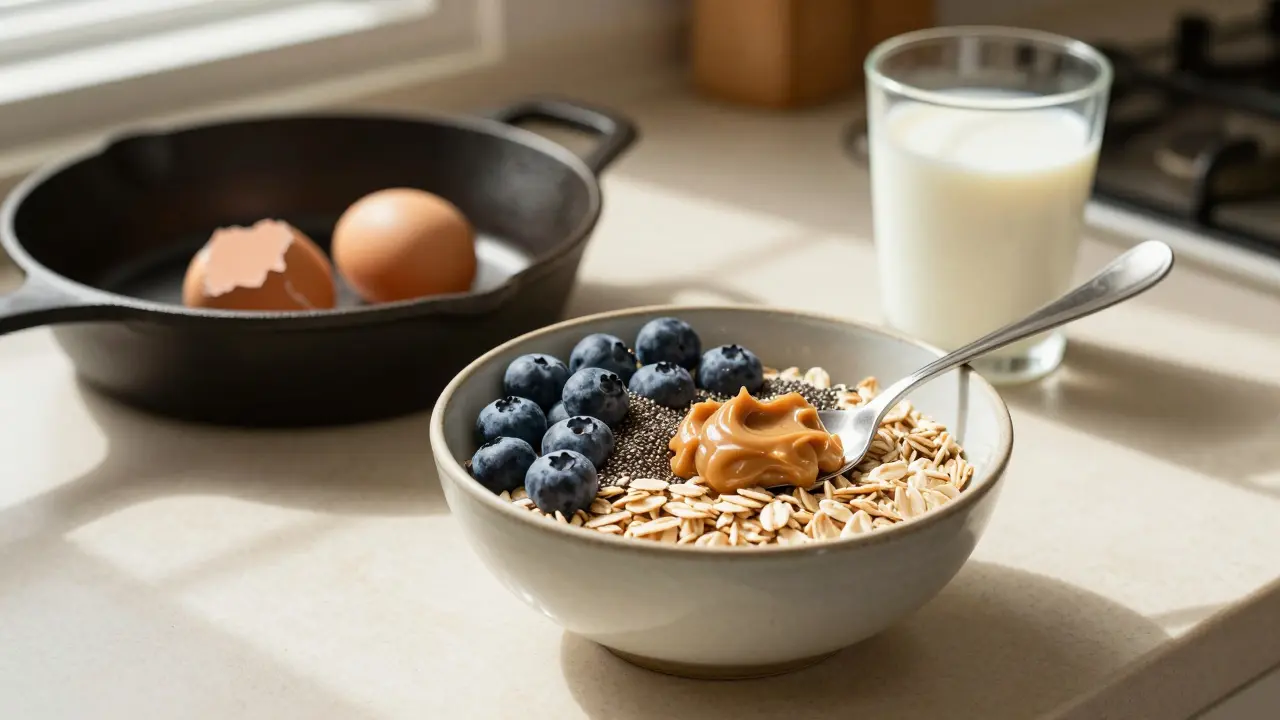
- Oats (steel-cut or rolled) - Not the instant kind. Steel-cut oats have a low glycemic index, meaning they digest slowly. Top them with chia seeds, a handful of berries, and a spoonful of almond butter. The fiber from oats and the healthy fats from nut butter work together to keep you full for hours. One study found that people who ate oatmeal for breakfast felt significantly more satisfied than those who ate cornflakes.
- Eggs - Whole eggs, not just the whites. They’re packed with choline, which supports brain function, and high-quality protein. Eating eggs in the morning has been linked to better appetite control throughout the day. A 2023 trial from the University of Connecticut found that participants who ate two eggs for breakfast consumed 150 fewer calories over the next 24 hours than those who ate a bagel.
- Plain Greek Yogurt (unsweetened) - Choose full-fat or 2% for better satiety. Look for brands with no added sugar, and mix in your own fruit. Add flaxseeds or hemp seeds for omega-3s. The probiotics in yogurt support gut health, and the protein helps maintain muscle mass. A 170g serving gives you about 17g of protein-almost as much as a small chicken breast.
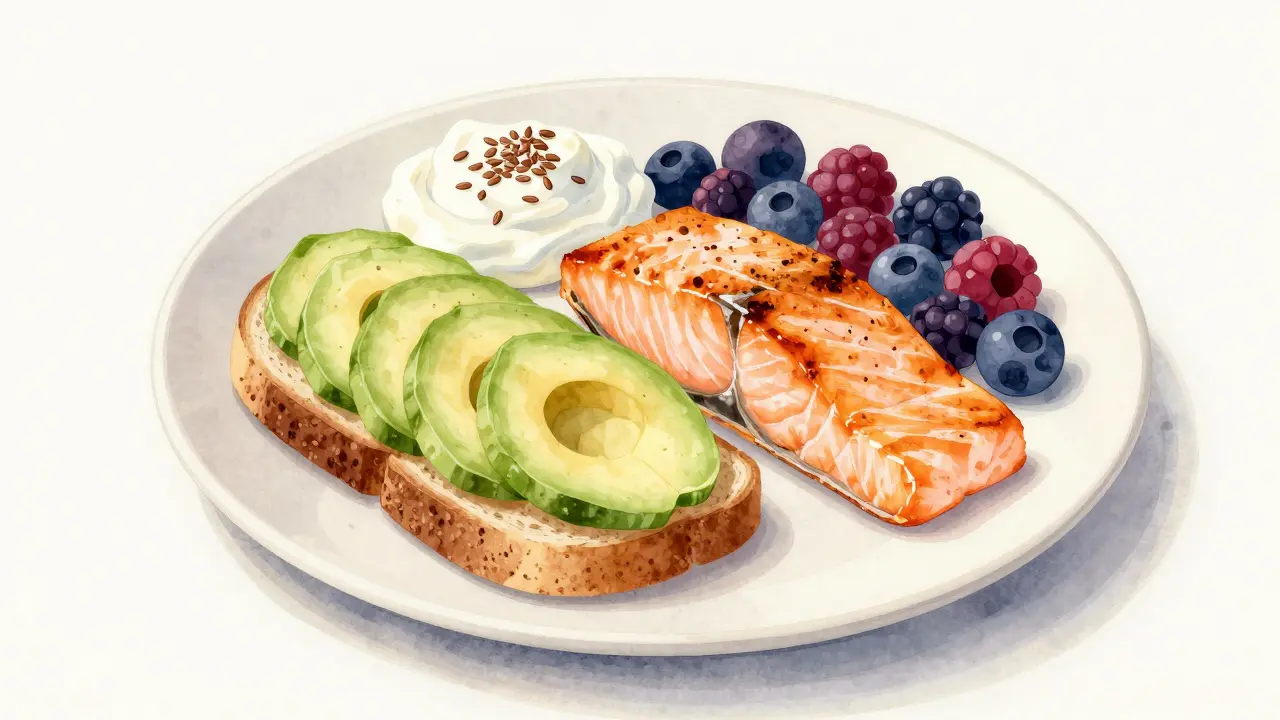
- Avocado - Slice it on whole-grain toast, blend it into a smoothie, or eat it with a sprinkle of sea salt and lime. Avocados are rich in monounsaturated fats, which help reduce inflammation and improve cholesterol. They also contain fiber and potassium. One avocado has more potassium than a banana. Pair it with eggs for a breakfast that keeps you full until noon.
- Wild-caught Salmon - Yes, for breakfast. It’s not common, but it’s powerful. Fatty fish like salmon are loaded with omega-3s, which improve focus and reduce brain fog. If you’re not a fan of fish in the morning, try canned salmon on whole-grain crackers with a dollop of plain yogurt. It’s a great option for anyone who skips breakfast because they don’t like sweet foods.
- Chia Pudding - Mix 3 tablespoons of chia seeds with 1 cup of unsweetened almond milk or coconut milk. Let it sit overnight. In the morning, top it with sliced banana, cinnamon, and a few walnuts. Chia seeds absorb liquid and form a gel that slows digestion. One ounce (about 2 tablespoons) gives you 10g of fiber and 5g of protein. It’s a low-sugar, high-nutrient option that’s easy to prep ahead.
- Blueberries and Other Berries - Frozen or fresh, berries are one of the most nutrient-dense fruits. They’re low in sugar, high in antioxidants, and packed with fiber. A 2024 study in the Journal of Nutrition found that people who ate a daily serving of blueberries had better memory recall and lower levels of oxidative stress. Add them to oatmeal, yogurt, or even scrambled eggs for a sweet-tart twist.
What to Avoid at Breakfast
Even foods marketed as "healthy" can be traps. Watch out for:
- Flavored instant oatmeal - Often has 12g of sugar per packet.
- Granola bars - Many are just candy bars with oats. Check the label: if sugar is listed before oats, skip it.
- Fruit juice - Even 100% juice removes fiber and concentrates sugar. One glass of orange juice has the sugar of four oranges. Eat the fruit instead.
- Sugary cereals - Even "whole grain" ones can have more sugar than a cookie. If it’s brightly colored or comes with a toy, it’s not breakfast.
- Low-fat products with added sugar - When fat is removed, sugar is added to make it palatable. Full-fat dairy is often the healthier choice.
Quick Breakfast Ideas for Busy Mornings
You don’t need to spend an hour prepping. Here are five fast, real-food options:
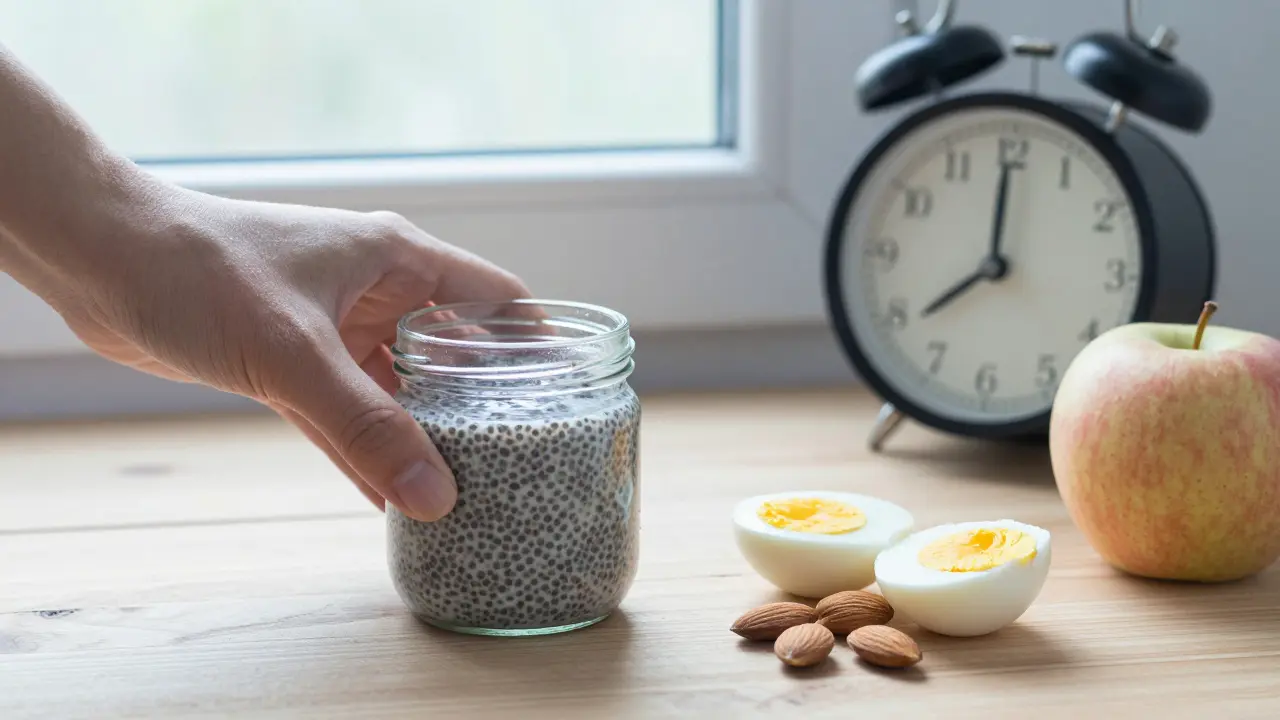
- Hard-boiled eggs + a handful of almonds + an apple
- Plain yogurt + frozen berries + a spoon of chia seeds (thaw while you get dressed)
- Whole-grain toast + avocado + sprinkle of everything bagel seasoning
- Leftover grilled salmon + steamed spinach + a slice of whole-grain bread
- Chia pudding made the night before + a drizzle of honey (optional) + a few walnuts
Prep is key. Cook a batch of eggs on Sunday. Soak chia seeds overnight. Keep berries frozen. These small habits cut morning stress and prevent you from grabbing junk food.
Why This Matters Beyond Weight
Healthy breakfasts aren’t just about weight loss. They affect your mood, focus, and even your immune system. Skipping breakfast or eating sugar-heavy meals can raise cortisol levels, making you feel anxious or irritable. A balanced morning meal helps regulate stress hormones.
In Darwin, where the heat rises fast, people often skip breakfast to avoid feeling sluggish. But the right foods-like oats, eggs, and berries-actually help your body cool down and stay alert. A 2025 survey of 500 residents in northern Australia found that those who ate a protein-and-fiber breakfast reported 40% fewer afternoon energy slumps.
Final Tip: Listen to Your Body
Not everyone needs a big breakfast. If you’re not hungry in the morning, that’s okay. But if you are, don’t settle for crumbs. Choose foods that nourish, not just fill. Start with one change: swap your sugary cereal for oats with berries. Give it a week. Notice how you feel at 11 a.m. That’s your real test.
Is it okay to skip breakfast if I’m not hungry?
Yes, if you’re not hungry, there’s no need to force a meal. Intermittent fasting can work for some people, especially if they eat nutrient-dense meals later. But if you feel shaky, irritable, or foggy by mid-morning, your body may be signaling that it needs fuel. The key is quality over quantity. If you eat later, make sure your first meal has protein, fiber, and healthy fats-not just carbs.
Can I eat the same healthy breakfast every day?
Absolutely. Consistency matters more than variety when it comes to breakfast. Many people who stick to the same healthy routine-like eggs and avocado or chia pudding-report better energy and fewer cravings. That said, rotating your toppings (berries one day, nuts another) helps you get a wider range of nutrients. Don’t feel pressured to change it daily, but don’t be afraid to tweak it occasionally.
Are smoothies a good breakfast option?
Only if they’re balanced. A smoothie with just fruit and juice is basically a sugar bomb. A good breakfast smoothie includes: 1 cup of leafy greens (spinach or kale), 1/2 a banana or a handful of berries, 1 tablespoon of nut butter or chia seeds, 1 scoop of plain protein powder or Greek yogurt, and unsweetened almond milk. Blend it, and you’ve got a portable, nutrient-rich meal. Skip the honey, agave, or flavored protein powders-they add hidden sugar.
What’s the best breakfast for someone with diabetes?
Focus on low-glycemic, high-fiber, high-protein foods. Eggs, plain Greek yogurt, avocado, chia seeds, steel-cut oats, and non-starchy vegetables like spinach or tomatoes are ideal. Avoid fruit juice, dried fruit, and sweetened yogurt. Pairing protein with fat slows sugar absorption. A 2024 study in Diabetes Care showed that people with type 2 diabetes who ate eggs and avocado for breakfast had 25% lower blood sugar spikes than those who ate oatmeal with fruit juice.
How soon after waking should I eat breakfast?
There’s no strict rule. Some people feel better eating within 30 minutes of waking; others prefer to wait an hour. The key is to eat before you feel shaky, dizzy, or overly hungry. If you’re exercising in the morning, have a small snack like a banana or a boiled egg 20-30 minutes before. Otherwise, listen to your body. Don’t wait until you’re starving-that’s when poor choices creep in.