
Gut Health Fiber Calculator
Track Your Daily Fiber Intake
Recommended: 25-30 grams per day for seniors
By the time you hit 65, your gut doesn’t work the same way it did at 35. Slower digestion, less stomach acid, changes in gut bacteria - these aren’t just normal parts of aging. They’re signals your body needs new support. For seniors, gut health isn’t about fancy probiotics or expensive supplements. It’s about daily habits that keep food moving, reduce bloating, prevent constipation, and help your body absorb the nutrients you actually need.
Why Gut Health Changes After 60
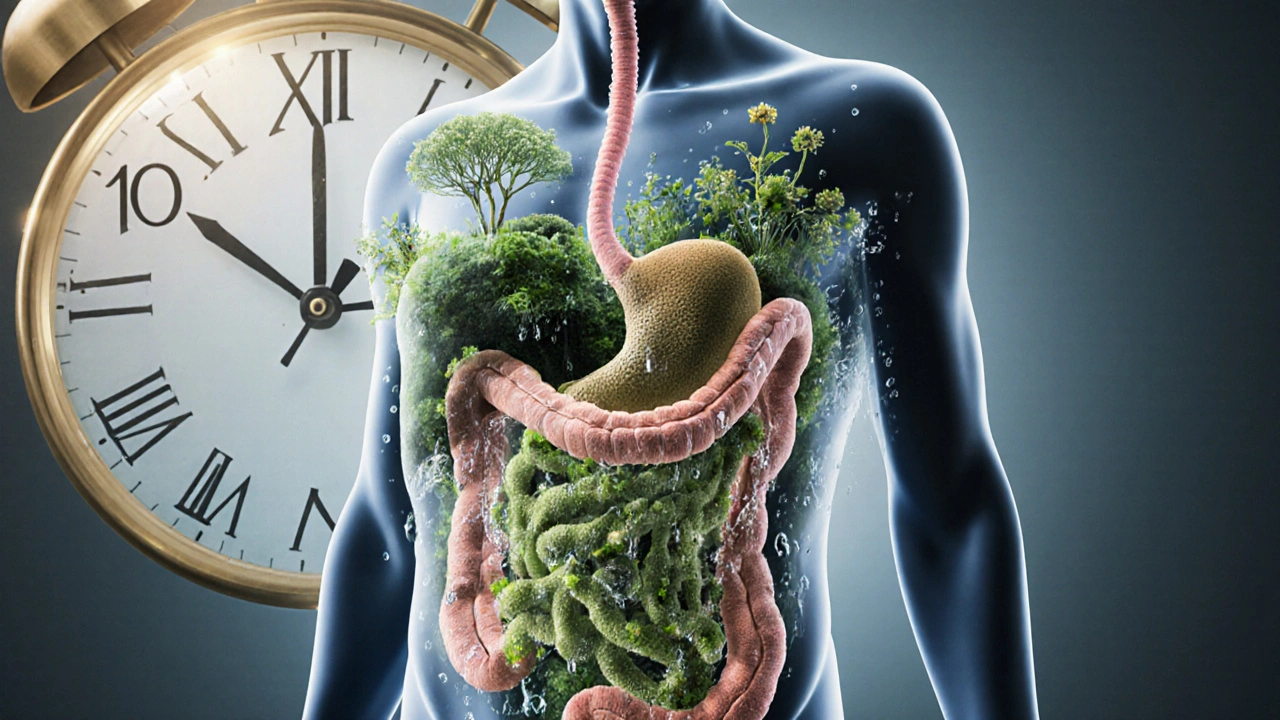
Your digestive system slows down with age. Muscles in your esophagus and intestines don’t contract as strongly. Stomach acid production drops by up to 40% in people over 65, according to the American College of Gastroenterology. That means food sits longer, ferments, and causes gas or heartburn. Your gut microbiome - the trillions of bacteria living in your intestines - also shifts. Good bacteria like Bifidobacteria decline. Harmful ones can take over, increasing inflammation and weakening your immune response.
Many seniors take medications that hurt digestion. Common ones include NSAIDs for arthritis, blood pressure pills like calcium channel blockers, and even daily aspirin. These can irritate the stomach lining or slow bowel movements. Combine that with reduced physical activity, less water intake, and fiber-poor diets, and constipation becomes almost expected. But it doesn’t have to be.
Signs Your Gut Needs Attention
Don’t brush off these symptoms as "just getting older."
- Going fewer than three times a week
- Feeling full after eating a small meal
- Chronic bloating or gas after meals
- Unexplained weight loss without trying
- Stomach pain that comes and goes
- Frequent heartburn or regurgitation
These aren’t normal. They’re your body asking for help. Left unchecked, poor gut health can lead to nutrient deficiencies - especially in vitamin B12, iron, calcium, and vitamin D - all critical for bone strength, energy, and brain function in older adults.
Fiber Isn’t Just for Bowel Movements
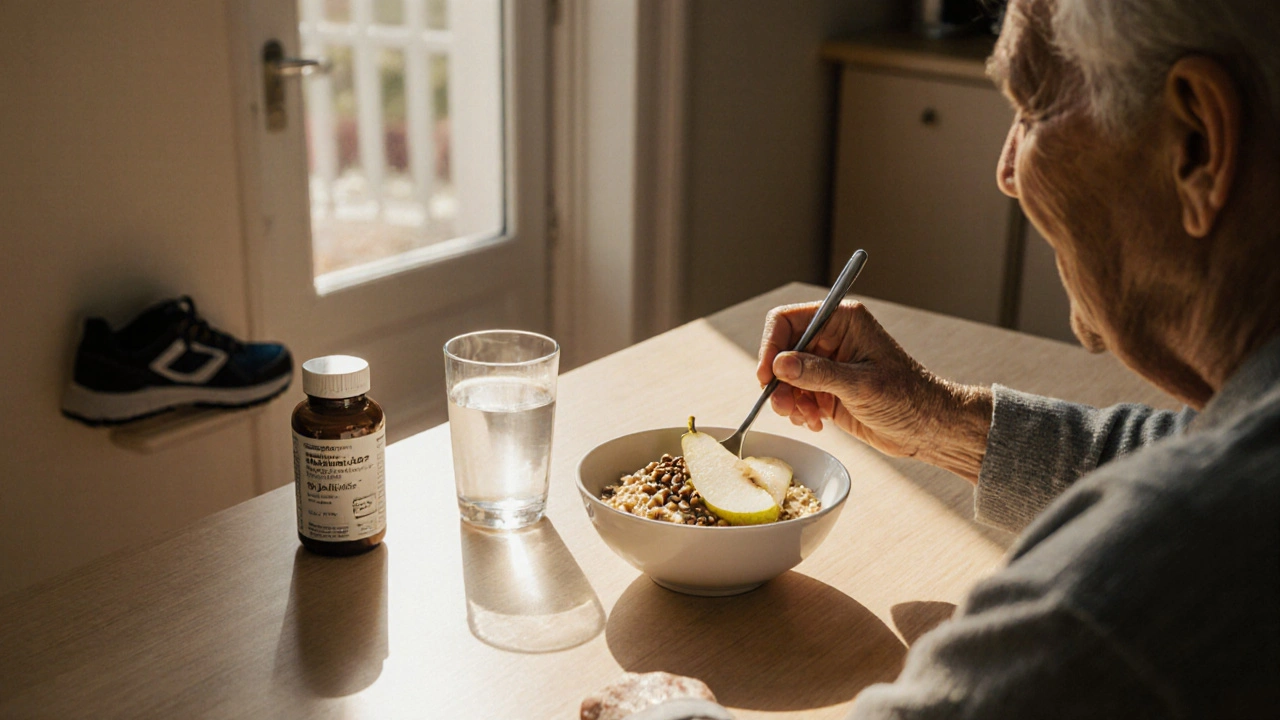
Fiber is the #1 tool for senior gut health. But most seniors get less than half the recommended amount. The goal is 25-30 grams a day. That’s not hard if you know where to look.
Start with:
- 1 cup cooked black beans (15g fiber)
- 1 medium pear with skin (6g)
- ½ cup cooked oatmeal (4g)
- 1 cup chopped broccoli (5g)
Don’t just add fiber all at once. Do it slowly - increase by 5 grams a week. Too much too fast causes bloating and cramps. Drink water with every meal. Fiber needs water to work. Without it, fiber can make constipation worse.
Also, focus on soluble fiber - found in oats, apples, lentils, and flaxseed. It acts like a sponge in your gut, feeding good bacteria and softening stool. Insoluble fiber (whole grains, vegetables) adds bulk. You need both.
Probiotics and Prebiotics - What Actually Works
Not all probiotics are equal. For seniors, look for strains backed by research in older adults:
- Lactobacillus rhamnosus GG - helps reduce antibiotic-related diarrhea
- Bifidobacterium lactis - improves bowel regularity and reduces bloating
- Saccharomyces boulardii - a yeast probiotic that helps with chronic diarrhea
Take them daily for at least 4-6 weeks to see results. Don’t expect miracles overnight. Also, don’t rely on yogurt alone. Most store-bought yogurts have added sugar and too few live cultures to matter.
Prebiotics feed the good bacteria. Think garlic, onions, leeks, asparagus, and bananas. Even small amounts daily help. Try adding a spoon of chopped garlic to soups or sautéed greens. It’s subtle, but it makes a difference.

Hydration: The Forgotten Key
Thirst signals weaken with age. Many seniors don’t feel thirsty until they’re already dehydrated. And dehydration is a top cause of constipation in older adults.
Drink at least 6-8 cups of water a day. That’s about 1.5 to 2 liters. Herbal teas, broths, and water-rich foods like cucumbers, watermelon, and oranges count too. Avoid too much caffeine or alcohol - they pull water out of your system.
Try this: Keep a water bottle by your chair. Set a phone alarm for 10 a.m., 1 p.m., and 4 p.m. Sip slowly. Don’t wait until you’re parched.
Move Your Body - Even a Little
Exercise doesn’t mean running marathons. Walking 20 minutes a day cuts constipation risk by nearly 40%, according to a 2023 study in the Journal of the American Geriatrics Society. Gentle movement stimulates your intestines. It’s like a massage from the inside.
Try:
- Walking after meals
- Seated marches while watching TV
- Stretching or tai chi
- Using resistance bands for 10 minutes
Even standing up and walking around the house every hour helps. Your gut responds to motion. The more you move, the less you’ll feel backed up.
Medications That Hurt Your Gut
Many common prescriptions slow digestion. Check with your doctor or pharmacist if you’re taking:
- Calcium channel blockers (for high blood pressure)
- Anticholinergics (for overactive bladder or Parkinson’s)
- Opioids (for chronic pain)
- Iron supplements
- Some antidepressants
If you’re constipated and on one of these, ask: "Is there a lower-dose version? Or a different option?" Don’t stop meds on your own. But do bring it up. There are often alternatives that are gentler on your gut.
When to See a Doctor
Most gut issues can be managed with diet, water, and movement. But some signs need urgent attention:
- Blood in stool or black, tarry stools
- Unexplained weight loss of 10 pounds or more in a month
- Severe or worsening abdominal pain
- Swallowing difficulty or feeling like food gets stuck
- Chronic diarrhea lasting more than two weeks
These could point to colon cancer, Crohn’s disease, celiac disease, or other serious conditions. Don’t wait. A colonoscopy after 50 is standard. If you’ve never had one, schedule it. Early detection saves lives.
Simple Daily Routine for Better Gut Health
Here’s what works for most seniors who want to feel better:
- Start the day with a glass of warm water and lemon (stimulates digestion)
- Eat breakfast within an hour of waking - even if it’s just oatmeal and fruit
- Include fiber at every meal: beans, veggies, whole grains
- Walk for 15-20 minutes after lunch or dinner
- Take a daily probiotic with at least 10 billion CFUs
- Drink water consistently - no waiting until you’re thirsty
- Go to bed and wake up at the same time - your gut has a rhythm too
Stick to this for four weeks. You’ll notice less bloating, more energy, and easier bowel movements. It’s not magic. It’s biology.
What to Avoid
Some habits make gut problems worse:
- Skipping meals - your gut needs regular signals to work
- Drinking soda or sweetened drinks - sugar feeds bad bacteria
- Eating too much processed food - low fiber, high salt, fake ingredients
- Ignoring the urge to go - delaying bowel movements trains your body to hold it
- Using laxatives long-term - they can damage your colon’s natural function
It’s not about perfection. It’s about progress. One change at a time makes a lasting difference.
Can seniors take probiotics every day?
Yes, daily probiotics are safe and beneficial for most seniors. Look for products with strains like Lactobacillus rhamnosus GG or Bifidobacterium lactis. Take them consistently for at least 4-6 weeks to see results. Avoid products with added sugar or artificial fillers.
Why do I feel bloated after eating even small meals?
As you age, stomach acid and digestive enzymes decrease, making it harder to break down food. This causes undigested food to ferment in the gut, creating gas and bloating. Eating smaller, more frequent meals and chewing slowly helps. Avoid carbonated drinks and chewing gum, which add air to your stomach.
Is constipation normal as you get older?
No, constipation is not a normal part of aging - though it’s common. It’s usually caused by low fiber, dehydration, lack of movement, or medications. Fixing these factors often solves the problem without laxatives. If it persists, see a doctor to rule out underlying conditions.
How much water should a senior drink daily for gut health?
Aim for 6-8 cups (1.5-2 liters) of fluids daily. This includes water, herbal tea, broths, and water-rich foods like cucumbers and melons. Don’t wait until you’re thirsty - your sense of thirst weakens with age. Sip steadily throughout the day.
What foods should seniors avoid for better digestion?
Avoid highly processed foods, fried items, sugary snacks, and carbonated drinks. These irritate the gut lining and feed harmful bacteria. Also limit dairy if you’re lactose intolerant - a common issue after 60. Red meat in large amounts can slow digestion, so choose lean cuts and smaller portions.
Can gut health affect memory and mood in seniors?
Yes. The gut and brain are connected through the vagus nerve. Poor gut health increases inflammation, which is linked to brain fog, depression, and even dementia risk. Improving digestion with fiber, probiotics, and hydration can support mental clarity and emotional well-being in older adults.
Final Thought: Small Steps, Big Results
You don’t need to overhaul your life overnight. Start with one change: drink an extra glass of water each morning. Or add a banana to your breakfast. Or take a short walk after dinner. These tiny habits build up. Within weeks, you’ll feel lighter, more energetic, and less bloated. Your gut isn’t broken - it just needs the right support. And you’re already on the path to giving it that.